

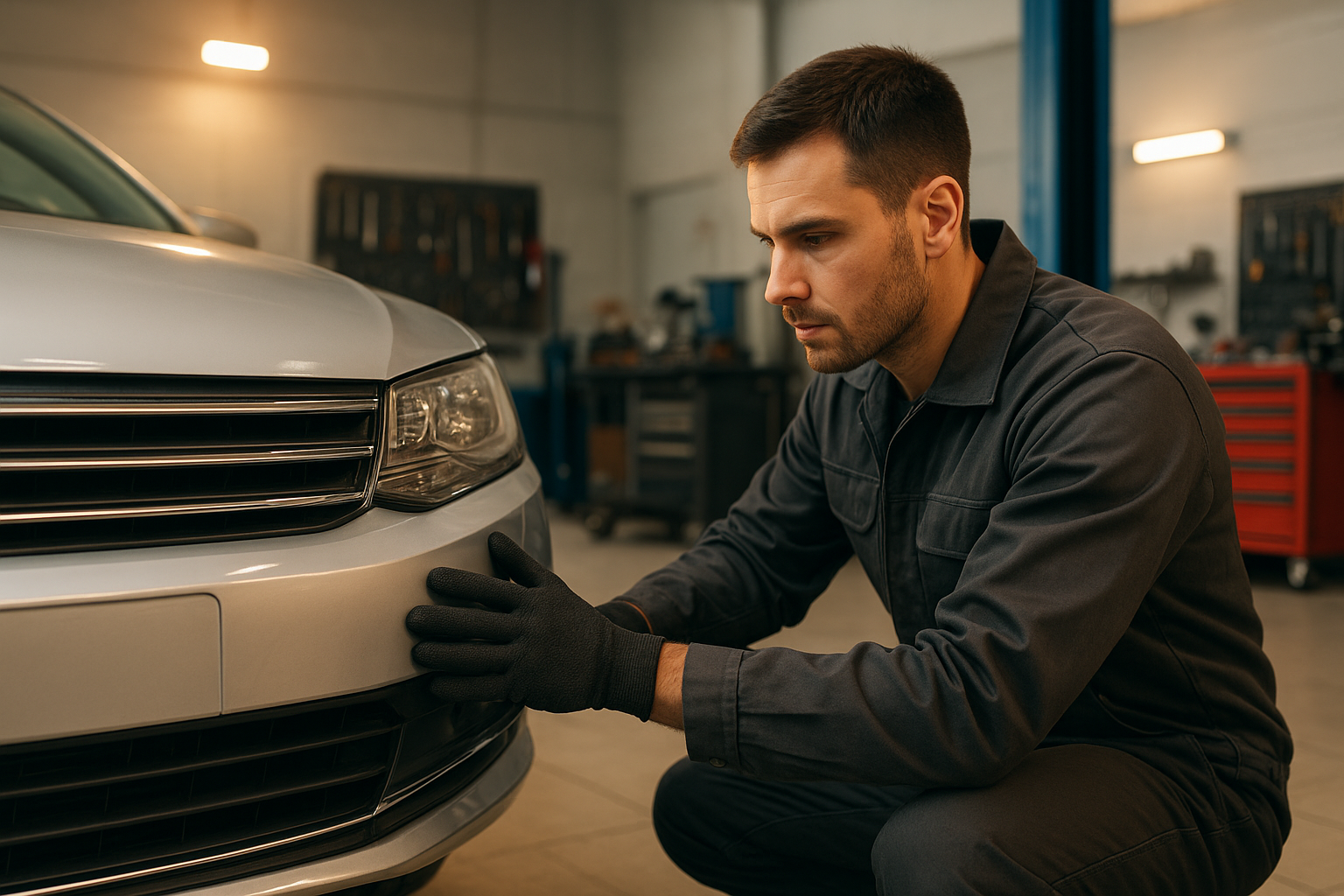
Car bodyshop repairs near me is the search almost every driver types the moment a bumper cracks, a door panel dents, or a collision leaves a car looking worse for wear. Consequently, the answer you get matters far more than most people realize, because the shop you choose determines whether your vehicle comes back safe, straight, and rust-free — or quietly compromised for years to come. This guide goes further than a typical directory listing. It walks through every repair type, every cost range, every credential, and every question a driver could reasonably ask before trusting a shop with their car.
What Do Car Bodyshop Repairs Near Me Actually Cover?
When people search for car bodyshop repairs near me, they are usually looking for one of several services: collision repair, paintless dent removal, bumper replacement, frame straightening, glass repair, or color-matched refinishing. In other words, the term covers the entire spectrum of exterior and structural vehicle restoration — not just a quick scratch touch-up.
According to the Insurance Institute for Highway Safety (IIHS), millions of vehicles are involved in reported crashes across the United States every year. As a result, demand for skilled local auto body repair remains consistently high, and the gap between a mediocre shop and a genuinely excellent one has never mattered more. The National Highway Traffic Safety Administration (NHTSA) also notes that structural repairs must restore a vehicle to its original safety specifications — a standard that only trained technicians can reliably meet.
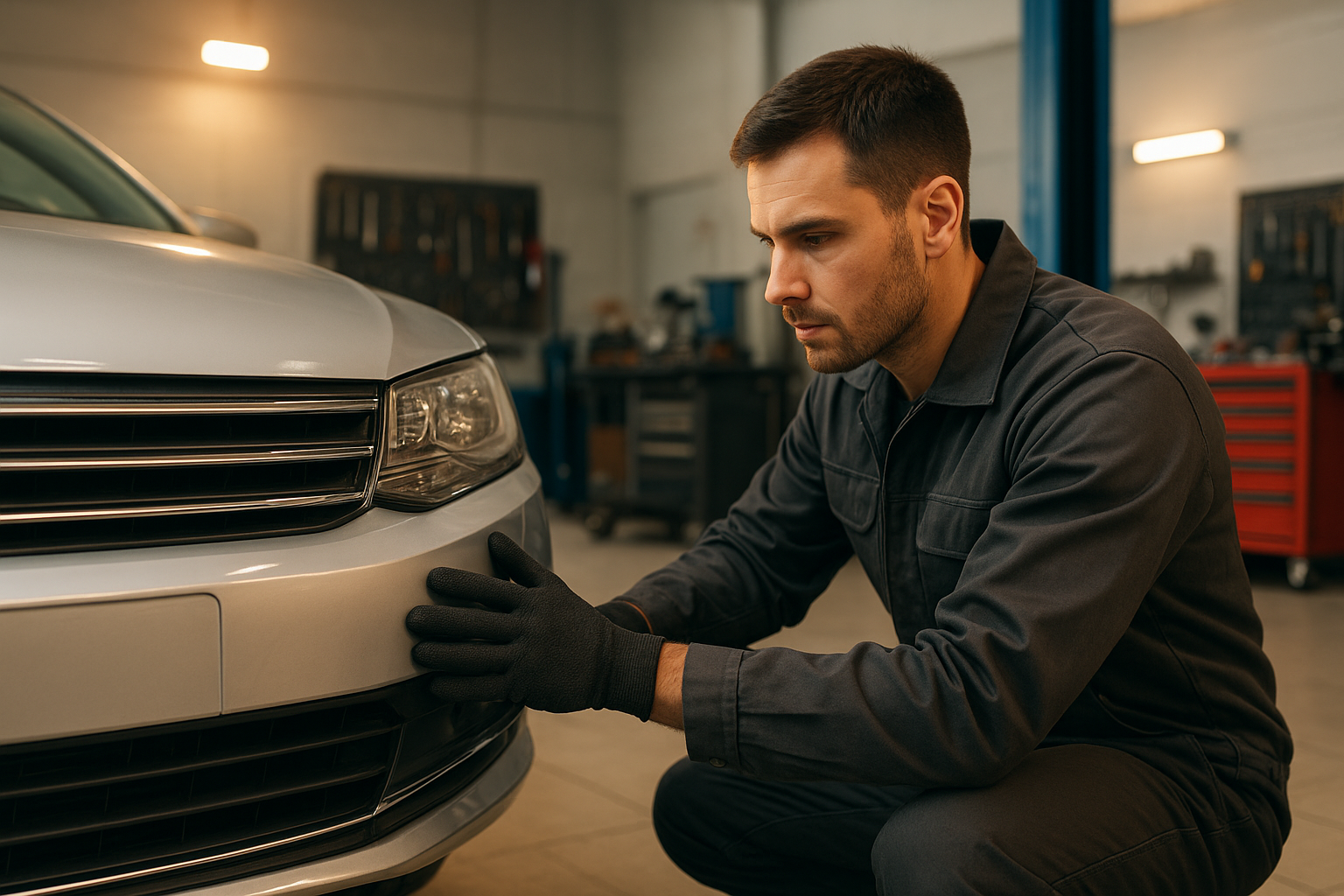
A certified technician carefully inspects a vehicle during car bodyshop repairs, ensuring every detail meets professional standards.
Why “Near Me” Actually Matters When Searching for Repairs
The phrase “near me” is not just a search habit — it reflects real priorities. Specifically, drivers want a shop that is quick to reach for drop-off, familiar with local insurance networks, and accountable within the community if something goes wrong. A shop three states away cannot offer any of that, no matter how good its reviews look online.
In addition, local shops typically know which parts suppliers deliver fastest in your region, which insurance adjusters they can call directly, and which weather conditions in your area cause the most common damage — hail in the Midwest, for example, or sun-faded clear coats in Southern California. This local knowledge often shortens repair timelines significantly.
Why Choosing the Right Local Auto Body Shop Matters
Not all repair facilities are created equal. In fact, the quality of workmanship can vary dramatically from one shop to the next, even within the same zip code. Therefore, understanding what separates a trustworthy local shop from a subpar one can save you significant time, money, and frustration.
Local shops often provide a level of personalized service that larger chain facilities or dealership body shops simply cannot match. Technicians at community-based shops tend to be more invested in their reputation, which directly translates into greater attention to detail. For a deeper comparison, see this guide on dealership body shop vs. local auto body shop.
Furthermore, local shops are often more flexible when negotiating with your insurance provider and more willing to walk you through the repair process step by step. This transparency matters most when you are unfamiliar with collision repair terminology.
Key Credentials to Look For
When evaluating any shop offering car bodyshop repairs near me, always check for these credentials before booking an appointment:
- ASE Certification — issued by the National Institute for Automotive Service Excellence, confirming a technician’s proven competency.
- I-CAR Gold Class — the highest training recognition in collision repair, showing ongoing education in the latest techniques.
- OEM certifications — manufacturer-specific training (Ford, GM, Tesla, Honda, and others) that verifies a shop can safely repair advanced materials like aluminum and high-strength steel.
- State licensing and insurance — a properly licensed and insured shop protects you legally if something goes wrong during the repair.
- Written warranty on repairs — reputable shops stand behind their work with documented coverage on both labor and materials.
Red Flags That Should Make You Walk Away
Just as important as knowing what to look for is knowing what to avoid. Be cautious of shops that refuse to provide a written estimate, pressure you to sign blank authorization forms, or cannot show proof of licensing on request. Similarly, a shop with no online reviews at all — positive or negative — is often a sign of limited track record in the area.
Above all, trust your instincts. If a shop dodges questions about parts quality or warranty terms, that hesitation is itself a warning sign worth taking seriously.
How to Find the Best Car Bodyshop Repairs Near You: A Step-by-Step Process
Following a structured approach helps you avoid costly mistakes and ensures you select a shop that delivers lasting results. Here is a complete six-step process to guide your decision.
- Assess and document the damage. Photograph all visible damage from multiple angles immediately after the incident, since this documentation supports your insurance claim and gives the shop a complete picture of the repair scope needed.
- Search for certified local body shops. Use online searches, your insurance provider’s directory, and personal referrals to identify ASE or I-CAR certified shops nearby, then verify credentials directly with the shop before scheduling a visit. For a deeper walkthrough, see our Car Body Shop Anaheim: The Complete 2025 Guide to Collision Repair, Estimates, I.
- Request written estimates from two or three shops. Compare itemized estimates that detail parts quality (OEM versus aftermarket), labor costs, and projected completion timelines, because price alone rarely tells the full story.
- Check reviews and shop credentials thoroughly. Read Google, Yelp, and Better Business Bureau reviews to gauge real customer experiences, and confirm the shop carries proper licensing and offers a warranty on completed work.
- Authorize repairs and coordinate with your insurer. Once you select a shop, provide written authorization and notify your insurance company of your chosen facility, then retain every receipt and repair document for your records.
- Conduct a post-repair quality inspection. Before leaving the shop, inspect panel alignment, paint blend, and door and hood gaps in daylight, and request a test drive to confirm handling and warning lights are functioning normally.
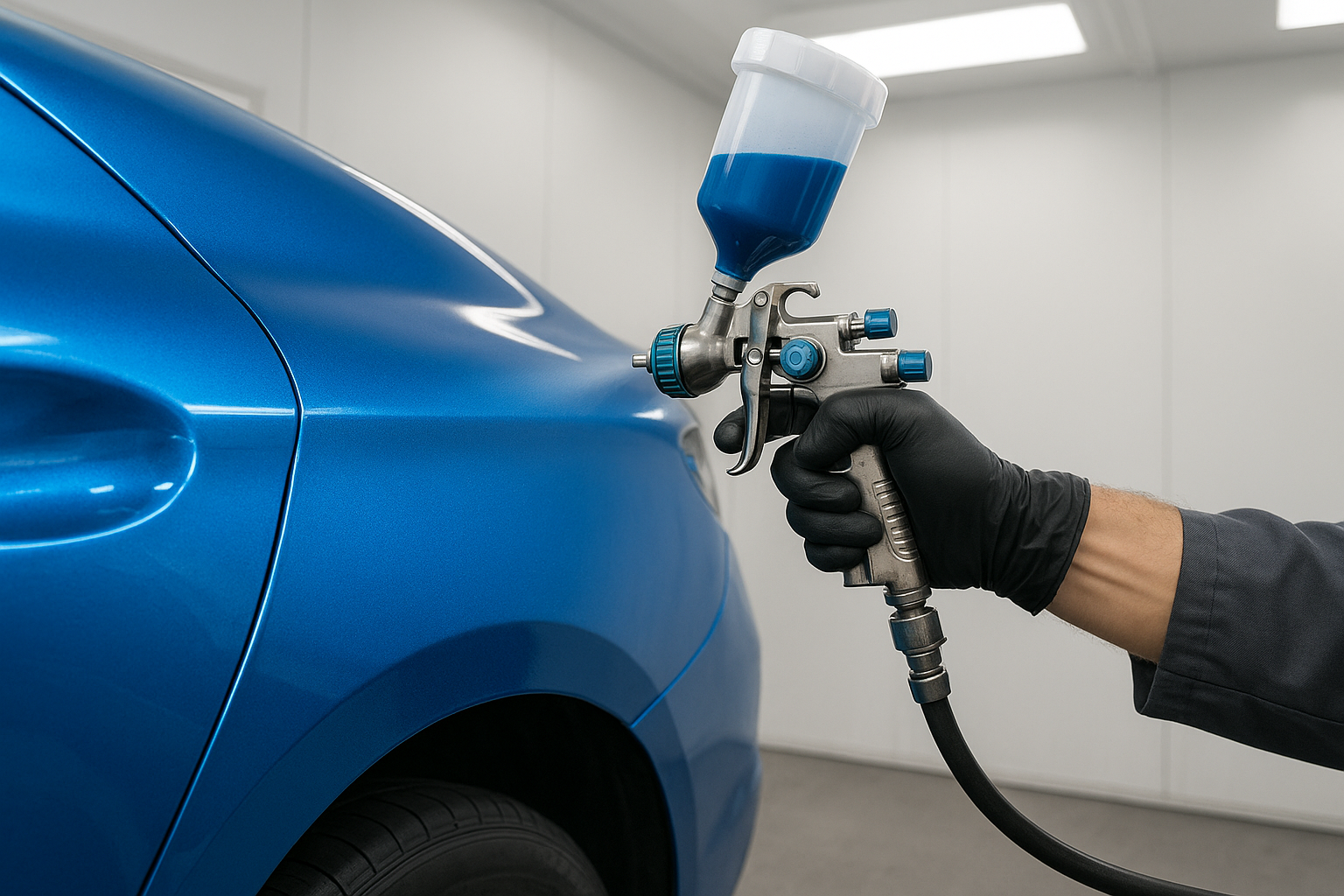
Advanced paint matching technology ensures a flawless finish that blends seamlessly with the vehicle’s original color.
Common Types of Vehicle Body Repairs Explained
Understanding common repair types helps you communicate more effectively with your chosen shop and set realistic expectations for both cost and timeline.
Collision and Structural Repair
Collision repair addresses damage from vehicle accidents, ranging from minor fender benders to severe impacts that compromise the frame. Structural repairs use specialized frame straightening equipment to restore the vehicle’s original geometry — a critical safety requirement, as confirmed by unibody construction standards, before the car returns to the road. If you have been in an accident in the Placentia area, this car accident repair in Placentia resource covers local options in detail.
Paintless Dent Removal
Paintless dent repair (PDR) is a highly efficient technique for removing minor dents without disturbing the original paint finish. It works particularly well for hail damage, door dings, and small parking lot impacts where the paint surface remains intact. Generally speaking, PDR is faster and more affordable than traditional dent repair.
Advanced Paint Matching and Refinishing
Modern paint matching uses your vehicle’s factory paint code combined with computerized color-matching technology to achieve a seamless blend. This process matters especially for older vehicles whose original paint may have faded. For more detail, explore this dedicated car paint repair resource.
Additionally, quality refinishing involves proper surface preparation, primer application, color coat, and a clear protective topcoat — all of which contribute to a durable, long-lasting finish.
Glass Repair and ADAS Calibration
Many modern vehicles rely on Advanced Driver Assistance Systems (ADAS) — camera- and sensor-based technology like lane-departure warnings and automatic braking — which are often mounted behind the windshield or in the bumper. Consequently, any repair involving glass, a bumper, or a sensor-adjacent panel may require ADAS recalibration afterward. Skipping this step, unfortunately, is one of the most overlooked safety gaps in the collision repair industry, so always ask whether your shop performs in-house calibration or partners with a certified calibration center.
OEM vs. Aftermarket Parts: What’s the Difference?
OEM (Original Equipment Manufacturer) parts are made by your vehicle’s manufacturer and typically offer the closest fit and finish. Aftermarket parts, in contrast, are produced by third-party companies and usually cost less, though quality can vary widely between suppliers.
For visible cosmetic panels, many drivers prefer OEM parts to preserve resale value and factory fit. For hidden structural components, however, a certified aftermarket part can be a reasonable, budget-friendly choice — provided the shop confirms it meets safety certification standards. Always ask your shop which type they plan to use before authorizing work, since your written estimate should specify this clearly.
What Does Auto Body Repair Cost?
Costs vary considerably based on the type and extent of damage. As a general benchmark, use the ranges below to set expectations before requesting an estimate.
| Repair Type | Estimated Cost Range |
|---|---|
| Minor dent (PDR) | $75 – $150 |
| Bumper repair or replacement | $300 – $1,500 |
| Full panel repaint | $200 – $600 per panel |
| Collision / structural repair | $500 – $5,000+ |
| ADAS sensor recalibration | $150 – $400 per component |
These figures are estimates only. Consequently, always obtain a detailed written estimate before authorizing any work, since insurance coverage, parts availability, and regional labor rates all influence the final cost.
DIY vs. Professional Repair: When Is It Safe to Do It Yourself?
Small cosmetic touch-ups, such as a scuffed bumper corner or a tiny chip, can sometimes be handled with a touch-up pen or DIY scratch repair kit. However, anything involving structural components, airbags, sensors, or deep panel damage should always go to a professional shop.
In short, DIY repair can save money on truly minor cosmetic issues, but it can also mask underlying damage if attempted on anything more serious. When in doubt, a free estimate from a certified shop costs nothing and provides clarity.
Navigating the Insurance Claims Process
After a collision, most drivers file a claim through their own comprehensive or collision coverage, or through the at-fault driver’s liability insurance. Your insurer will typically either send an adjuster to inspect the vehicle or ask you to obtain an estimate from a shop of your choice.
Importantly, you are generally not required to use your insurer’s “preferred” shop list — you have the right to choose any licensed facility. Therefore, if you already trust a local shop, tell your insurer directly rather than defaulting to a referral. Keep every estimate, receipt, and communication in writing throughout the process.
Warranty and Aftercare: What Happens After the Repair
A reputable shop backs its work with a written warranty, often lifetime coverage on workmanship for as long as you own the vehicle. After pickup, avoid automatic car washes for at least two weeks to let fresh paint fully cure, and inspect panel gaps in daylight to confirm proper alignment.
If you notice a paint mismatch, unusual noise, or warning light after the repair, contact the shop immediately — legitimate warranties cover comeback repairs at no extra charge.
Serving Orange County Drivers: Brea Auto Body
For drivers throughout Orange County searching for dependable car bodyshop repairs near me, Brea Auto Body offers comprehensive vehicle restoration backed by certified technicians and years of hands-on expertise. Located in Brea, California, the facility handles everything from minor cosmetic damage to significant structural collision repairs for both domestic and foreign vehicles.
The team works directly with insurance clients, individual vehicle owners, and fleet customers, ensuring a transparent, stress-free experience from the initial estimate through final delivery. Their advanced paint matching technology and precision dent removal capabilities mean your vehicle is restored to its pre-accident condition — not just visually, but structurally and safely.
If you are unsure how to evaluate your options, this guide on how to choose the best auto body shop near me walks you through every key consideration in plain language.
A well-maintained local auto body shop exterior reflects the professionalism and care drivers can expect inside.
Frequently Asked Questions About Car Bodyshop Repairs Near Me
Conclusion: Getting the Right Car Bodyshop Repairs Near You
Finding quality car bodyshop repairs near me does not have to be overwhelming. By focusing on certified technicians, transparent communication, detailed written estimates, ADAS-aware repair processes, and verified customer reviews, you can confidently choose a local shop that restores your vehicle safely and professionally. In the Brea and greater Orange County area, Brea Auto Body combines industry-certified expertise with personalized service to deliver results you can trust — from collision repair and structural work to precision paint matching and dent removal. Above all, never rush the decision; a well-chosen shop for car bodyshop repairs near me is an investment in both your vehicle’s longevity and your own safety on the road.

