

Drive Auto Body Repair restores a vehicle’s body panels, paint, and structural frame to their pre-damage condition after a collision, hailstorm, or years of ordinary wear. Whether you’re facing a small parking-lot dent or recovering from a serious crash, understanding how auto body repair works helps you make smarter decisions and avoid overpaying. In Brea and across Orange County, certified professionals specialize in this work and help you get back on the road safely.
According to the National Highway Traffic Safety Administration (NHTSA), roughly 6 million car accidents occur in the United States every year. As a result, auto body repair remains one of the most in-demand automotive services nationwide. However, not every shop delivers the same quality of work — and knowing exactly what separates a great repair from a mediocre one makes all the difference to your wallet and your safety.
What Is Auto Body Repair?
Auto body repair is a broad umbrella term that covers everything from cosmetic touch-ups to full structural reconstruction. In essence, it describes any service that restores the exterior shell or frame of a vehicle after damage occurs. This includes collision repair, dent removal, panel replacement, paint matching, and bumper restoration.
Furthermore, modern vehicles are engineered with complex unibody frames (a single welded structure that combines the body and chassis, unlike older truck-style frames) and advanced safety systems. Therefore, even damage that looks minor on the surface may hide underlying structural issues. Only a trained technician with the right diagnostic equipment can properly identify and correct those hidden problems before they compromise your safety.
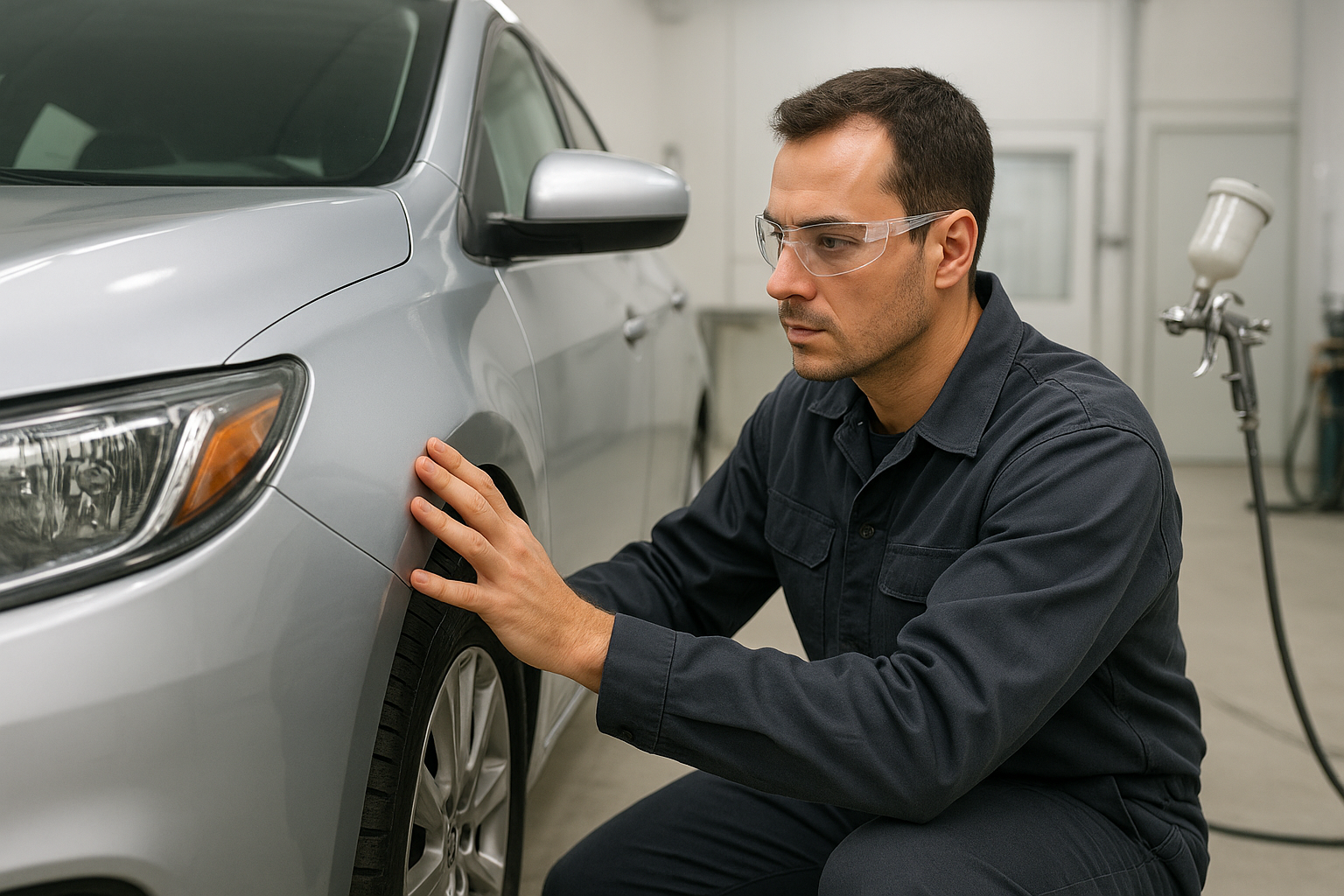
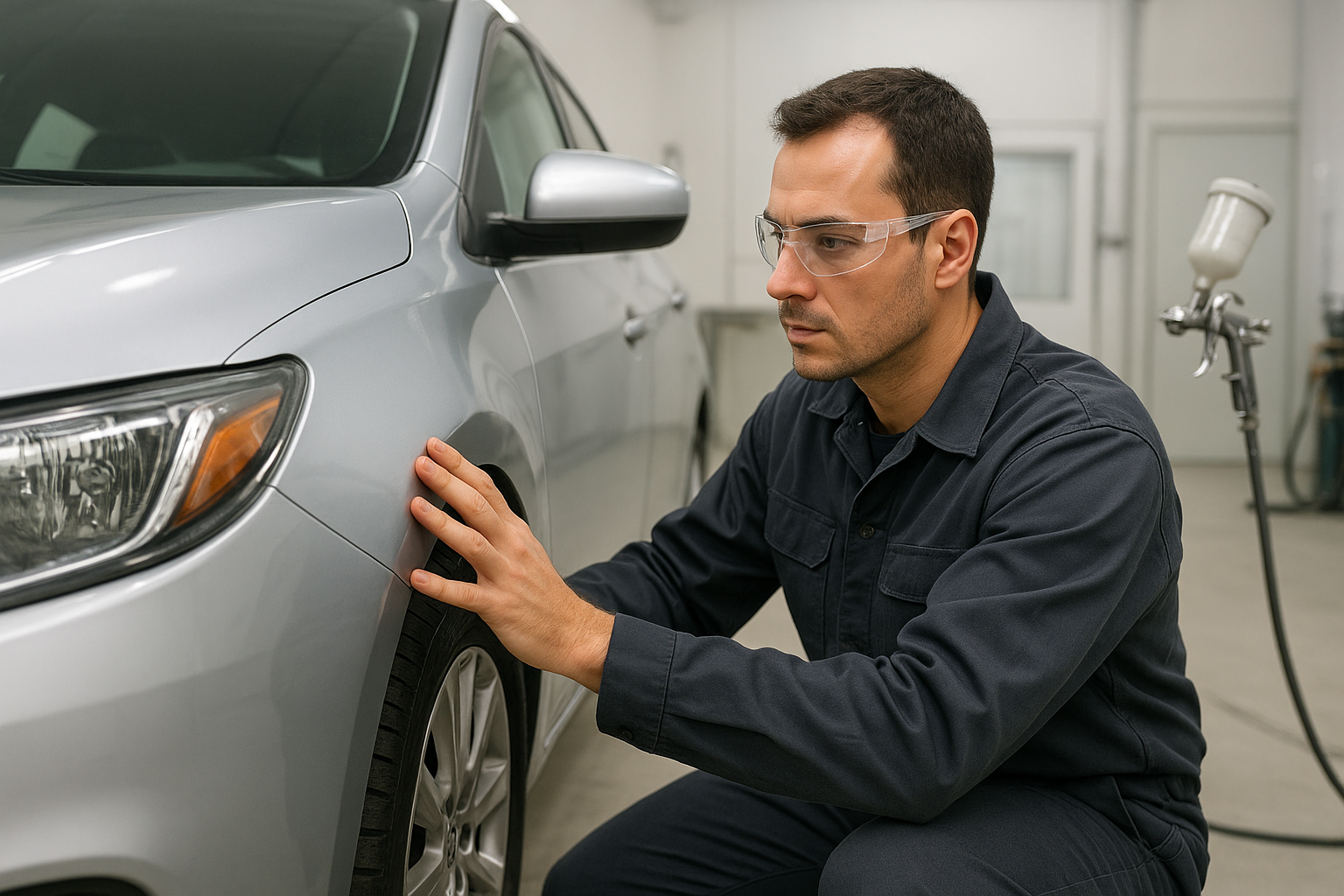
A certified technician inspects a body panel closely, a critical first step in any thorough auto body repair.
Common Types of Vehicle Body Damage
Not all damage is created equal. Specifically, shops that perform auto body repair encounter several recurring categories of damage, and each one requires a different repair approach:
- Collision damage: Impact from another vehicle or object that can affect panels, bumpers, and the frame simultaneously.
- Dents and dings: Small depressions caused by parking lot impacts, hail, or road debris.
- Paint damage: Scratches, chips, or fading that compromise both appearance and corrosion protection.
- Structural damage: Frame misalignment that affects handling, safety, and the vehicle’s ability to absorb future impacts.
- Weather damage: Hail, flooding, or prolonged UV exposure that degrades panels and paint over time.
In addition, these categories often overlap. For example, a rear-end collision may involve panel damage and frame misalignment at the same time. Consequently, a thorough inspection is always the first and most important step in any auto body repair job.
How Much Does Auto Body Repair Cost?
Cost is often the first question drivers ask, and understandably so. In general, auto body repair pricing depends on the severity of the damage, the parts required, and the labor rate in your area. Below is a general breakdown to help you set realistic expectations before requesting an estimate.
Average Cost Ranges by Repair Type
| Repair Type | Typical Cost Range |
| Paintless dent repair | $75 – $250 |
| Bumper repair or replacement | $350 – $1,000 |
| Single-panel paint and blend | $300 – $900 |
| Full collision repair | $1,500 – $5,000+ |
| Frame straightening / structural repair | $1,500 – $10,000+ |
Factors That Affect the Final Price
Several variables influence what you ultimately pay. Specifically, the make and model of your vehicle, the availability of OEM (original equipment manufacturer) versus aftermarket parts, and the local labor rate all play a role. Similarly, shops that carry I-CAR Gold Class certification may charge slightly more, but they typically deliver more precise, longer-lasting results.
Moreover, industry data from the Insurance Information Institute (III) shows that collision claim severity has risen steadily as vehicles incorporate more sensors and advanced driver-assistance systems. As a result, even a modest fender-bender can now involve camera recalibration costs that did not exist a decade ago.
The Auto Body Repair Process: A Step-by-Step Walkthrough
Understanding the repair workflow helps you stay informed and set realistic expectations. Here is the standard process followed at a reputable shop:
- Document the damage — Photograph all visible damage from multiple angles before moving the vehicle, and note the date, location, and conditions of the incident.
- Contact your insurance company — Notify your insurer promptly to open a claim, provide your documentation, and confirm your deductible and coverage limits.
- Choose a certified auto body shop — Select a shop with certified technicians, verified reviews, and clear communication, and ask whether they work directly with your insurer to simplify the process.
- Get a written repair estimate — Review the itemized estimate covering parts, labor, and paint, and ask the shop to clarify any line items before you sign the authorization.
- Approve repairs and monitor progress — Authorize the work in writing and request updates, especially if hidden damage is discovered during disassembly.
- Inspect the vehicle before pickup — Walk around the vehicle with the technician to verify all repairs, check paint blending and panel alignment, and confirm safety systems are functioning correctly.
Following this process consistently protects you from surprises and ensures the auto body repair meets professional standards. Moreover, it creates a paper trail that becomes valuable if a dispute arises later with an insurer or shop.
Why I-CAR and ASE Certification Matter
I-CAR Gold Class is the collision repair industry’s highest professional development standard. Shops that earn this certification prove that their technicians receive ongoing training in the latest repair techniques, materials, and safety protocols. In fact, I-CAR estimates that Gold Class shops represent only about 20% of collision repair businesses nationwide, which makes the certification a meaningful differentiator when you’re comparing options.
Similarly, ASE (Automotive Service Excellence) certification signals that an individual technician has passed rigorous, standardized competency exams. Therefore, when you choose a shop whose team holds these credentials, you’re choosing technicians who are accountable to an outside industry standard — not just a local reputation.
At breaautobody.com, certified technicians bring this level of expertise to every auto body repair. Their team handles everything from precision dent removal to full collision restoration for both domestic and foreign vehicles throughout Orange County.
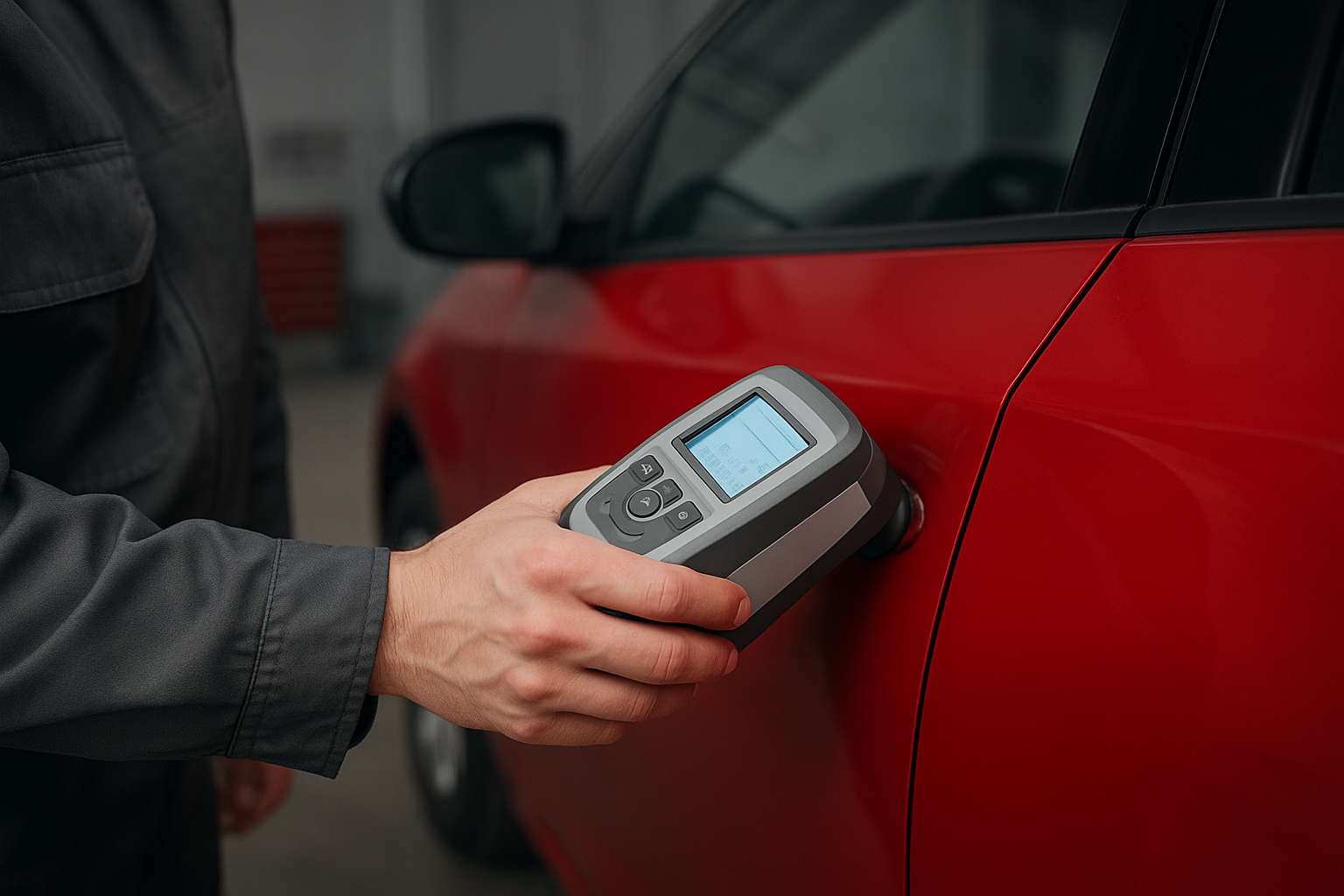
Advanced paint-matching technology ensures a seamless finish that blends perfectly with the vehicle’s original color.
Advanced Paint Matching and Finishing Techniques
One of the most technically demanding parts of auto body repair is paint matching. Specifically, paint fades and shifts in tone over time due to UV exposure, washing, and environmental factors. Therefore, simply applying the factory color code to a repaired panel often produces a visible mismatch.
Professional shops instead use spectrophotometers — devices that scan the existing paint and measure its precise color values — to formulate a custom blend. Furthermore, skilled painters feather the new paint into adjacent panels so the repair becomes virtually invisible. This level of craftsmanship is exactly what separates a quality auto body repair from a quick patch job.
You can explore the full range of available services, including specialty repairs and finishing work, by visiting the service overview page or reading more about specialty expert repairs that restore your car.
Structural Repair and Frame Alignment
Structural damage is among the most serious outcomes of a collision. According to NHTSA safety guidelines, a vehicle’s frame is engineered to absorb and redirect crash energy in very specific ways. When that frame bends or shifts out of alignment, the vehicle can no longer protect its occupants as designed.
Frame straightening relies on computerized measuring systems and hydraulic equipment to restore the vehicle’s geometry to factory specifications. Additionally, modern unibody vehicles require specialized pulling and welding techniques that differ significantly from older body-on-frame designs. Consequently, structural auto body repair should only be attempted by shops with the right equipment and training.
For drivers in Brea, the auto body service in Brea offered by local certified technicians covers structural repairs with the same precision and transparency applied to every other part of the job.
DIY vs. Professional Auto Body Repair
It’s tempting to reach for a DIY dent-repair kit or a bottle of touch-up paint after minor damage. However, the line between a safe do-it-yourself fix and a job that requires a professional is narrower than most drivers realize.
When DIY Makes Sense
Small surface scratches that haven’t reached the primer layer, tiny door dings without paint cracking, and minor scuffs on bumpers are generally safe candidates for a careful DIY approach. In these cases, the risk to your safety and your vehicle’s structural integrity is minimal.
When to Call a Professional
In contrast, any damage involving cracked paint, exposed metal, misaligned panels, airbag deployment, or a warning light on your dashboard should always go to a certified auto body repair shop. Above all, never assume a dent is “just cosmetic” without a professional inspection — hidden frame or sensor damage is common even after low-speed impacts.
Financing and Warranty Options for Auto Body Repair
Not every auto body repair is covered by insurance, particularly if you’re paying out of pocket to avoid a rate increase or because the damage falls below your deductible. Fortunately, many reputable shops now offer flexible financing plans that let you spread the cost over several months.
Before signing any financing agreement, it’s worth reviewing consumer guidance from the Consumer Financial Protection Bureau (CFPB) to understand interest rates, repayment terms, and your rights as a borrower. In addition, always ask for a written warranty on both parts and labor — a workmanship warranty is one of the clearest signs that a shop stands behind its own auto body repair work.
What to Expect From Interior Cleaning After a Repair
Body repair work can sometimes leave dust, debris, or residue inside the cabin. As a result, many quality shops include or offer interior cleaning as part of the final delivery process. This step ensures the vehicle comes back in a condition that reflects the quality of the auto body repair itself.
If you’d like to learn more about what a thorough post-repair cleanup involves, the interior cleaning service page provides a helpful overview of what’s included and why it matters for your overall experience.
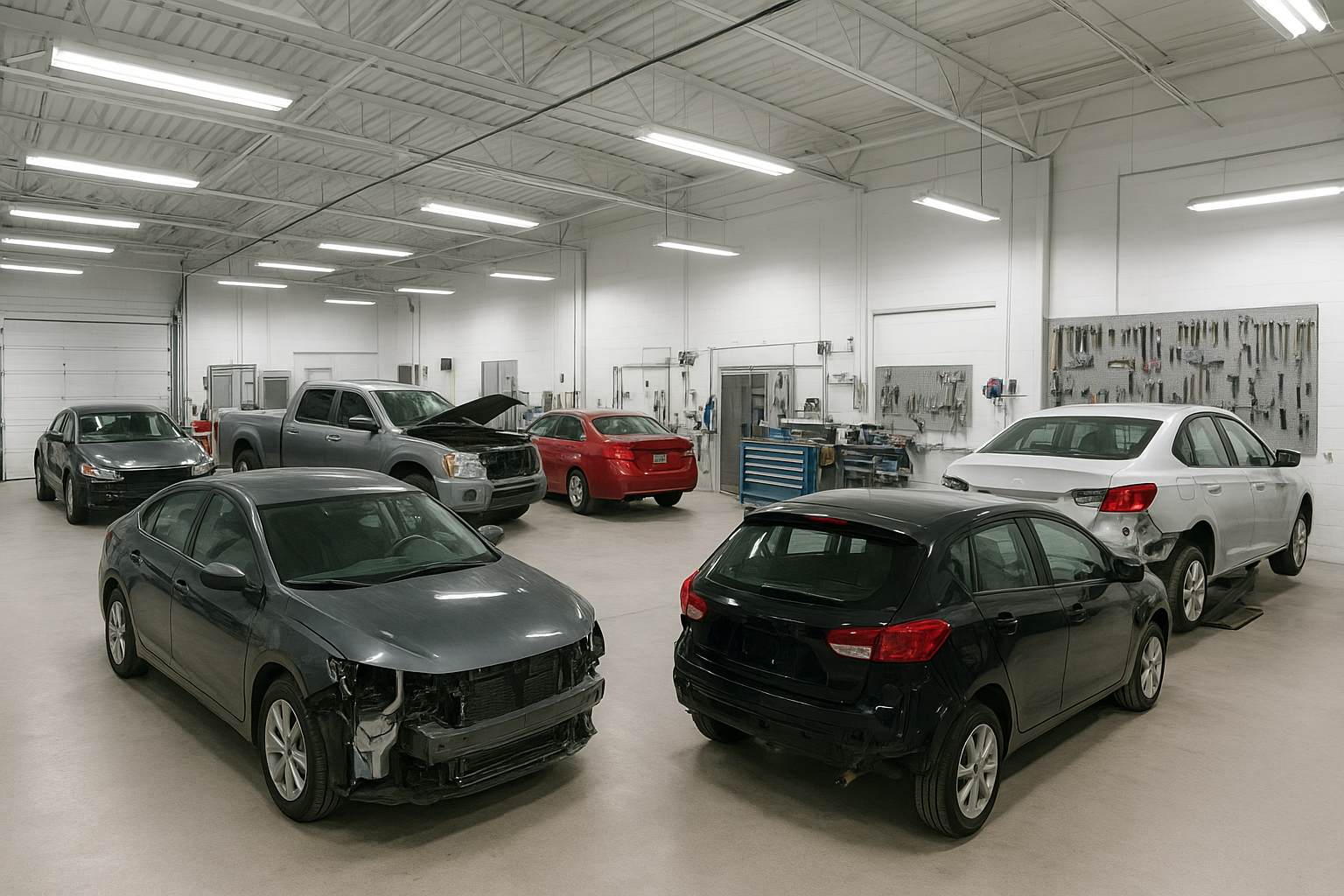
A well-equipped shop floor is a strong indicator of the quality and care applied to every auto body repair.
Working With Insurance for Auto Body Repair Claims
Navigating an insurance claim after a collision can feel overwhelming. However, a reputable shop can simplify the process considerably. Many established auto body facilities work directly with insurance companies, handling estimates, supplements, and documentation on your behalf.
It’s important to understand that, in most states, you have the legal right to choose your own repair shop regardless of what your insurer recommends. Therefore, don’t feel pressured to use a shop simply because it appears on an insurer’s preferred list. Instead, prioritize certification, experience, and a transparent communication style.
For a complete picture of available services and how the shop supports insurance clients, visit the Brea Auto Body homepage for more information.
Local Specialist vs. National Chain: Which Wins for Auto Body Repair?
Many drivers assume a large national chain automatically means better pricing or faster service. In reality, the difference between a local specialist and a national chain comes down to personalization, accountability, and consistency.
Advantages of Local Certified Shops
Local shops with deep community roots tend to provide more personalized service than large franchise operations. In addition, they’re typically more responsive if an issue surfaces after the repair, since your business and your reputation in the community both matter to them directly.
What National Chains Offer
National chains can offer convenience through sheer location count and standardized pricing menus. However, standardization sometimes comes at the cost of individualized attention, and technician turnover at high-volume locations can affect consistency from one visit to the next.
Key Factors to Evaluate When Choosing an Auto Body Repair Shop
Choosing the right shop ultimately comes down to trust, transparency, and technical competence. Here are the factors that matter most:
- Certifications: I-CAR Gold Class and ASE credentials indicate ongoing professional training.
- Equipment: Computerized frame measuring, modern spray booths, and spectrophotometer paint matching are essential for quality results.
- Transparency: The shop should explain the repair process, provide written estimates, and notify you of any changes before proceeding.
- Warranty: A written warranty on parts and labor protects your investment after you drive away.
- Reviews: Consistent positive feedback from real customers is a reliable indicator of service quality.
Furthermore, don’t hesitate to get two or three estimates before committing. That said, the lowest bid isn’t always the smartest choice once you factor in certification, parts quality, and warranty terms.
Frequently Asked Questions About Auto Body Repair
What does auto body repair include?
Auto body repair typically includes collision repair, dent removal, paint matching, and structural restoration. The exact scope depends on the extent of damage to the vehicle.
How long does a typical auto body repair take?
Minor repairs like small dents or scratches may take one to two days. More significant collision or structural repairs can take one to two weeks depending on parts availability and damage severity.
How much does auto body repair typically cost?
Costs range from around $75 for paintless dent repair to $10,000 or more for major structural repair. Most single-panel paint and blend jobs fall between $300 and $900, while full collision repairs often run $1,500 to $5,000.
Will my insurance cover auto body repairs?
Most comprehensive and collision insurance policies cover auto body repairs after an accident. You should contact your insurer to file a claim and confirm your coverage details before authorizing repairs.
Are financing options available for auto body repair?
Yes, many shops now offer financing plans that let you spread repair costs over time, which is especially useful when damage isn’t covered by insurance or falls below your deductible.
How do technicians match paint color after a repair?
Technicians use the vehicle’s factory paint code along with computerized color-matching systems to blend new paint seamlessly with existing panels. Advanced spectrophotometers scan the original paint to achieve a near-perfect match.
What is the difference between a dent and structural damage?
A dent is cosmetic damage to the outer body panel and doesn’t affect the vehicle’s frame or safety systems. Structural damage involves the frame or unibody and requires specialized repair to restore proper alignment and crash protection.
Should I get multiple estimates for auto body work?
Getting two or three estimates is a common and sensible practice. However, the lowest estimate isn’t always the best choice — quality of materials, certifications, and warranty coverage all matter significantly.
What certifications should a reputable auto body shop have?
Look for shops whose technicians hold I-CAR Gold Class certification, the industry’s leading professional development standard. ASE certification is another strong indicator of technical competence.
Can auto body shops repair both domestic and foreign vehicles?
Yes, most full-service auto body shops are equipped to repair both domestic and foreign vehicles. Technicians trained on a wide range of makes and models can handle the varying construction methods each type requires.
What happens if hidden damage is found during repair?
When technicians discover hidden damage during disassembly, they document it and contact you and your insurer with a revised estimate. Reputable shops never proceed with additional work without your explicit approval.
Is a national chain or a local certified shop better for auto body repair?
Both options can deliver quality results, but local certified shops often provide more personalized service and greater accountability since their reputation depends directly on community trust rather than a nationwide brand.
Does auto body repair come with a warranty?
Many reputable auto body shops offer a warranty on their workmanship and paint. Always ask about warranty terms in writing before authorizing repairs.
Conclusion
Auto body repair is a critical service that goes far beyond cosmetic fixes — it restores your vehicle’s safety, performance, and value after damage occurs. Throughout this guide, we’ve covered the types of damage, realistic cost ranges, the step-by-step repair process, why certification matters, financing and warranty options, and how to work effectively with your insurance company. Above all, the key takeaway is this: choosing a qualified, transparent, and experienced shop makes every part of the auto body repair process smoother and the results more reliable. For drivers in Brea and across Orange County, a trusted local facility equipped with certified technicians and modern tools remains the best path to getting back on the road with confidence.

