

Complete auto body and paint service is the process of restoring a damaged vehicle’s structure, panels, and finish in one coordinated repair — rather than treating dents, frame damage, and paint separately. Whether a collision crumpled your fender, a hailstorm pitted your hood, or years of sun exposure faded your clear coat, understanding exactly what this service involves puts you in control of the repair, the cost, and the outcome. This guide walks through every stage of a professional complete auto body and paint job, explains what separates a great shop from a mediocre one, and answers the questions most drivers only think of after the work has already started.
What Complete Auto Body and Paint Service Actually Includes
Complete auto body and paint service is a full-scope repair workflow that combines structural correction, panel restoration, and professional refinishing into a single, sequenced process. Instead of patching cosmetic damage while ignoring what’s underneath, a true complete service confirms the vehicle is safe, structurally correct, and visually restored — in that order.
This is fundamentally different from a quick touch-up or a spot repair. Specifically, complete auto body and paint work involves assessing hidden damage, repairing or replacing structural components and panels, applying primer, color-matching the paint precisely, and sealing the finish with a protective clear coat. As a result, a properly repaired vehicle looks and drives as though the damage never happened.
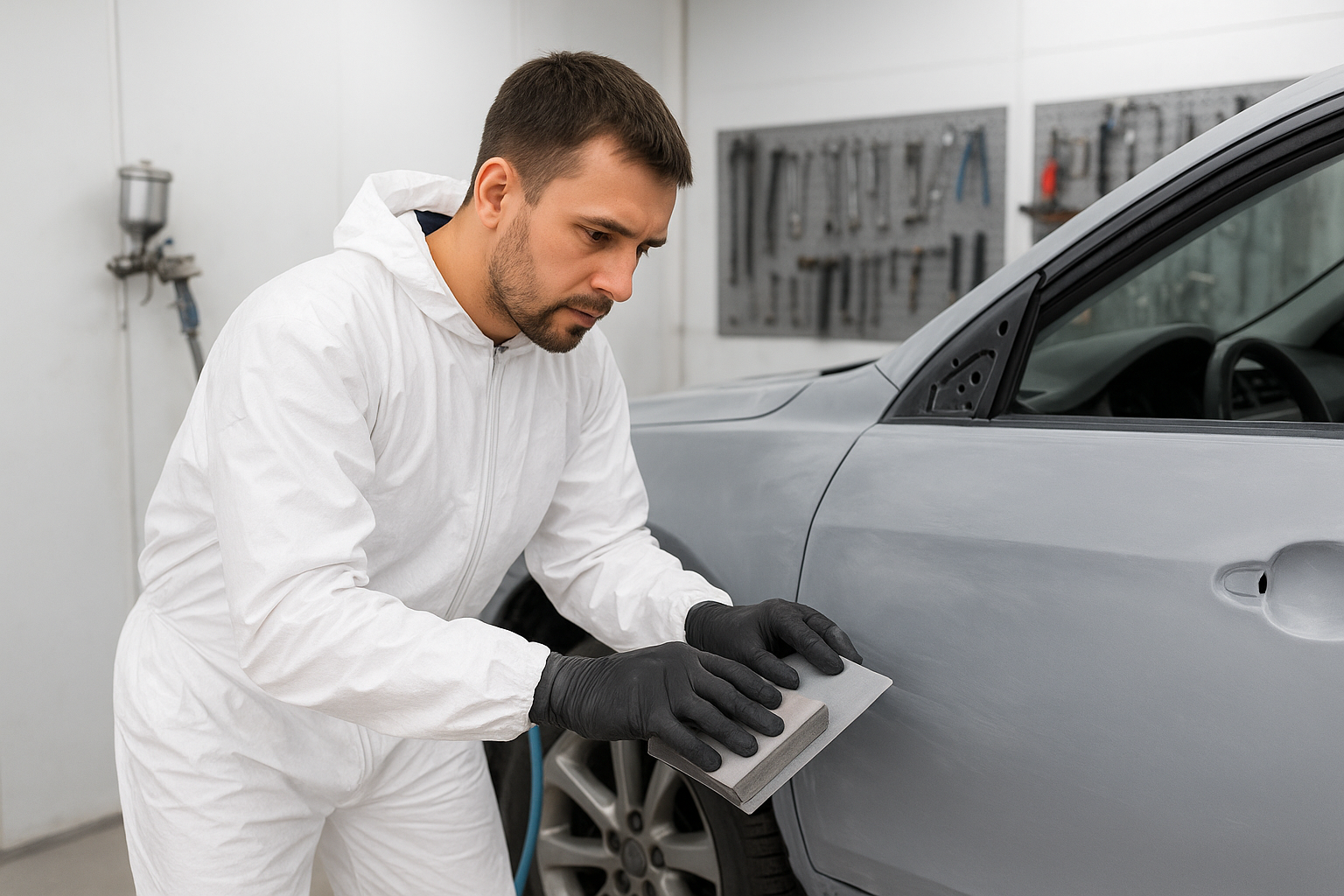
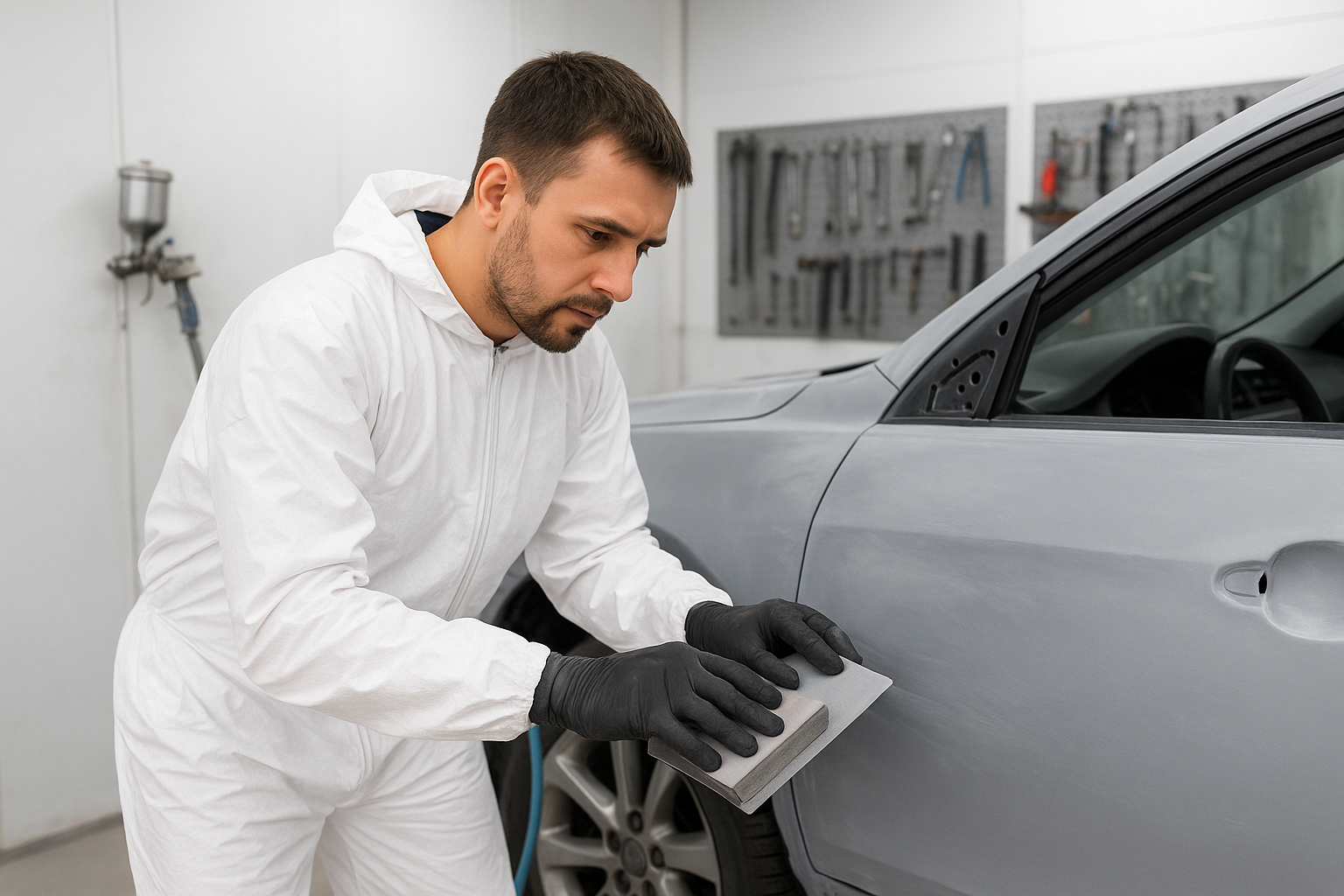
Surface preparation is one of the most critical steps in any complete auto body and paint repair — it determines how well the new finish adheres and how long it lasts.
Complete Repair vs. Piecemeal Fixes: Why the Distinction Matters
Many drivers assume that fixing the visible dent and repainting the panel is enough. However, a piecemeal approach often skips the structural check that catches misalignment, corrosion, or sensor damage hiding behind the sheet metal. In contrast, a complete auto body and paint shop treats every repair as one connected job — structure first, cosmetics second — so nothing gets overlooked.
This distinction matters most at resale time. A vehicle with mismatched paint or a panel that was never properly aligned is easy for the next buyer’s inspector to spot. Consequently, paying for a genuinely complete repair now protects both your safety and your vehicle’s long-term value.
Why a Thorough Damage Assessment Always Comes First
Before any physical repair begins, a certified technician performs a detailed inspection of the entire vehicle. This step matters more than most drivers realize, because visible damage — a crumpled fender, a scratched door — often hides deeper structural issues that affect safety and alignment.
According to the National Highway Traffic Safety Administration (NHTSA), a compromised vehicle structure can significantly reduce crash protection. Therefore, reputable shops use frame-measuring systems and computerized diagnostic tools to verify every component falls within manufacturer tolerances. Only once the structure is confirmed sound — or corrected — should cosmetic and paint work begin.
This assessment also produces a written estimate, which is essential for insurance claims and for your own budgeting. A reputable shop will walk you through every line item so you know exactly what is being repaired and why — no vague summaries, no surprise charges.
Step-by-Step: The Complete Auto Body and Paint Repair Process
Understanding the repair sequence helps you track progress and ask informed questions. Here is exactly how a professional shop handles a full restoration from intake to delivery.
- Initial Damage Assessment: A certified technician inspects the vehicle for visible and hidden structural damage, documents every finding with photos, and prepares a detailed written repair estimate for the owner or insurance adjuster.
- Structural and Frame Repair: Technicians use computerized frame-straightening equipment and body repair tools to restore damaged panels and structural components to exact factory specifications, since paint work can never begin until the frame measures correctly.
- Surface Preparation and Priming: Repaired surfaces are sanded smooth, cleaned to remove contaminants, and coated with a primer layer that promotes adhesion and seals the metal against moisture and future corrosion.
- Color-Matched Paint Application: Using the vehicle’s manufacturer paint code and computerized color-mixing systems, technicians spray the color-matched base coat inside a climate-controlled spray booth to guarantee even coverage and accurate color reproduction.
- Clear Coat and Final Finishing: A protective clear coat goes over the base coat, then gets buffed and polished to a factory-level gloss, restoring the depth and shine of the original finish.
- Safety System Calibration and Final Inspection: On modern vehicles, any sensors or cameras affected by the repair are recalibrated, and a final quality inspection confirms the repair meets every standard before the vehicle returns to its owner.
For a deeper look at how paint jobs are priced and what the process involves at each stage, the auto body paint job guide covering process, color matching, quality, and cost is an excellent companion resource.
The Science Behind Precision Paint Matching
One of the most technically demanding parts of any complete auto body and paint job is achieving a seamless color match. Modern vehicles use complex multi-stage paint systems — including metallic flakes, pearl pigments, and tinted clear coats — that are nearly impossible to replicate without the right equipment and expertise.
Professional shops start with the vehicle’s OEM (Original Equipment Manufacturer) paint code, usually found on a sticker inside the driver’s door jamb. However, paint fades over time due to UV exposure and oxidation. Consequently, skilled technicians also use computerized spectrophotometers to measure the actual color of the existing paint and fine-tune the mix accordingly.
According to Wikipedia’s overview of automotive paint, modern vehicle finishes typically consist of four layers: electrocoat primer, primer surfacer, base coat color, and clear coat. Each layer serves a specific protective or aesthetic function, and applying them in the correct sequence and thickness is essential to a durable result.
If you’re dealing with localized paint damage rather than a full repaint, the car paint repair services page outlines targeted repair options available at breaautobody.com.
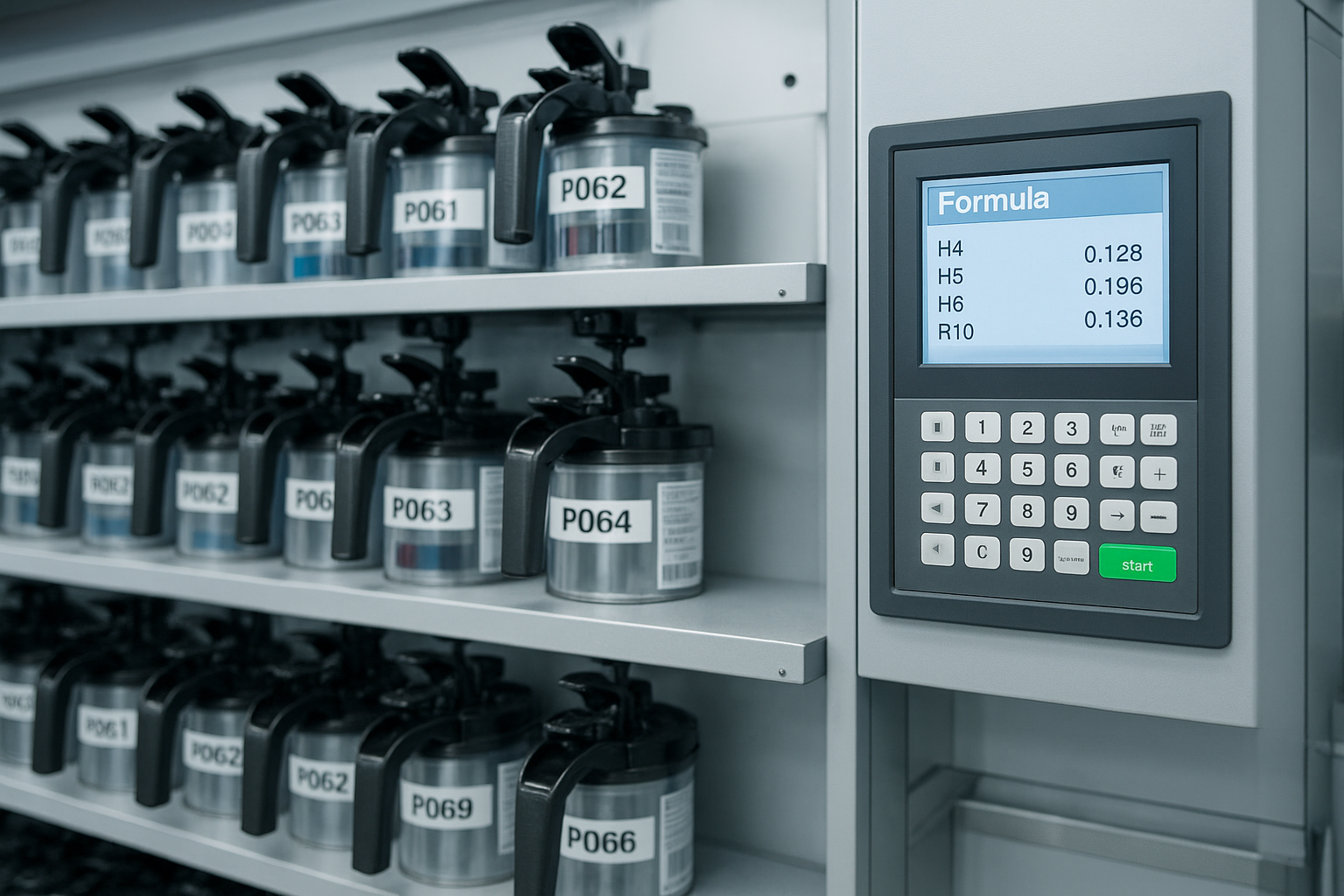
Advanced computerized paint mixing systems allow technicians to replicate even the most complex factory colors with exceptional accuracy.
OEM vs. Aftermarket Parts: What Drivers Need to Know
Another decision that affects the quality of a complete auto body and paint repair is the choice between OEM parts and aftermarket alternatives. OEM parts come directly from the vehicle’s original manufacturer and guarantee an exact fit, while aftermarket parts are produced by third-party manufacturers and can vary in fit and finish quality.
Aftermarket parts are typically less expensive, which can matter if you’re paying out of pocket or facing a high deductible. In contrast, OEM parts usually deliver a more precise panel gap and a paint surface that accepts color matching more predictably. A transparent shop will explain which option applies to your repair and let you decide, rather than defaulting silently to the cheapest part available.
Rust, Corrosion, and Frame Damage: When Structural Repair Isn’t Optional
Rust and corrosion are silent threats to any vehicle’s structure. Left untreated, surface rust can spread beneath the paint and weaken the metal long before it becomes visible. During a complete auto body and paint inspection, technicians check rocker panels, wheel wells, and frame rails — common corrosion points — and treat any rust found before priming and painting proceed.
Frame damage works similarly. Even a moderate collision can bend structural rails in ways invisible to the naked eye. Specifically, unibody and frame construction both rely on precise measurements to distribute crash energy correctly. Therefore, skipping frame verification to save time is one of the riskiest shortcuts a repair shop can take.
Bumper Repair vs. Bumper Replacement
Bumper covers are usually made of thermoplastic, which means small cracks and scuffs can often be repaired and repainted rather than replaced. However, if the impact bar behind the cover is bent, or the mounting brackets are broken, replacement is typically the safer and more cost-effective choice. A knowledgeable technician will inspect both the cover and the structure behind it before recommending either path.
ADAS Calibration: The Step Many Shops Skip
Most vehicles built in the last decade include Advanced Driver Assistance Systems (ADAS) — cameras, radar, and sensors that power features like automatic emergency braking and lane-keep assist. After any collision that affects the bumper, windshield, or mirrors, these systems often need recalibration to function correctly again.
Skipping this step can leave safety systems misaligned even though the vehicle looks perfectly repaired. According to the Insurance Institute for Highway Safety (IIHS), proper calibration after collision repair is essential to keeping these systems reliable. A genuinely complete auto body and paint shop builds calibration into the final inspection rather than treating it as an optional add-on.
How Certification and Training Affect Repair Quality
Not all auto body shops deliver the same level of quality. In fact, technician certification is one of the most reliable indicators of repair standards. I-CAR (Inter-Industry Conference on Auto Collision Repair) is the leading training and certification organization in the collision repair industry, and shops holding I-CAR Gold Class status have demonstrated ongoing commitment to current repair techniques.
Similarly, ASE (Automotive Service Excellence) certification signals that individual technicians have passed rigorous industry exams. When evaluating a shop, ask specifically which certifications the technicians working on your vehicle hold — not just the shop’s general credentials.
At breaautobody.com, certified technicians in Brea, California, apply industry-standard techniques and quality materials to every repair — whether the job is minor cosmetic work or significant structural restoration for domestic and foreign vehicles throughout Orange County.
What About Paintless Dent Repair?
Paintless dent repair (PDR) removes minor dents and dings without disturbing the existing paint. It works by using specialized tools to gently massage the metal back into shape from behind the panel. However, PDR is only suitable when the paint surface is intact and the dent isn’t too deep or sharp.
For larger or more complex damage, traditional bodywork combined with a full paint repair remains the most effective solution. A knowledgeable technician can quickly assess which method fits your specific situation.
Understanding Costs and Insurance for Complete Auto Body and Paint Work
Cost is naturally one of the first concerns drivers have after vehicle damage. The price of a complete repair depends on several factors: the extent of structural damage, the number of panels affected, the vehicle’s paint type (standard, metallic, or pearl), and local labor rates.
As a general benchmark, minor single-panel repairs can start around $300 to $600, while comprehensive collision repairs involving multiple panels and structural work can range from $1,500 to well over $5,000. According to industry data from CCC Intelligent Solutions, the average collision repair claim in the United States exceeded $4,700 in 2023 — reflecting the growing complexity of modern vehicle construction, including sensors and lightweight materials.
Most comprehensive and collision insurance policies cover auto body and paint repairs, minus your deductible. Therefore, it’s worth documenting all damage thoroughly with photographs immediately after the incident. A shop experienced with insurance claims can also help you navigate the process and ensure nothing is overlooked in the adjuster’s assessment.
To explore the full range of services available — from collision repair to detailing — the complete service grid at breaautobody.com provides a clear overview of what the Brea facility offers.
Warranty and Guarantee: What to Expect
A reputable shop stands behind its work with a written warranty covering both paint and bodywork against defects like peeling, cracking, or premature fading. Before authorizing repairs, ask specifically what the warranty covers, how long it lasts, and whether it transfers if you sell the vehicle. A shop unwilling to put its guarantee in writing is a warning sign worth taking seriously.
How to Choose the Right Complete Auto Body and Paint Shop
With so many shops competing for your business, a simple checklist makes the decision easier. Above all, prioritize transparency, certification, and a track record of finished work you can actually see.
- Certification: Confirm I-CAR or ASE credentials for the technicians assigned to your vehicle, not just the business as a whole.
- Written estimates: Insist on a detailed, itemized estimate before any work begins.
- Warranty terms: Ask for the warranty in writing, including duration and transferability.
- Equipment: Confirm the shop uses computerized frame measuring and color-matching systems.
- ADAS capability: Verify the shop can recalibrate safety sensors if your vehicle requires it.
- Reviews and photos: Look for genuine before-and-after photos and recent customer feedback.
Caring for Your Vehicle After a Paint Repair
Post-repair care is an often-overlooked part of the complete auto body and paint process. Newly applied paint needs time to fully cure, and improper care during this period can compromise the finish. Following a few straightforward guidelines protects your investment and extends the life of the repair.
First, avoid washing the vehicle for at least two weeks after the repair is completed. Automated car washes with stiff brushes can scratch fresh paint before the clear coat has fully hardened. Instead, use a gentle hand wash with a pH-neutral soap once the curing period ends. Additionally, avoid parking under trees where bird droppings or tree sap could contact the new finish, since both are highly acidic and can etch fresh paint quickly.
After approximately 60 days, applying a quality carnauba wax or paint sealant adds an extra layer of UV protection and keeps the finish looking its best. Many shops also offer interior cleaning services alongside exterior repairs, so the entire vehicle comes back in pristine condition.
Environmental Standards and VOC Compliance
Automotive paints release volatile organic compounds (VOCs) during application, which is why the U.S. Environmental Protection Agency (EPA) regulates VOC limits for coatings used in collision repair. Shops that use compliant, low-VOC paint systems inside enclosed spray booths not only meet legal requirements but also produce a cleaner, more consistent finish for your vehicle.
A properly completed auto body and paint repair restores the vehicle’s appearance and protects it from future corrosion and UV damage.
Frequently Asked Questions About Complete Auto Body and Paint
What does complete auto body and paint service include?
Complete auto body and paint service includes structural assessment, dent and damage repair, surface preparation, primer application, color-matched paint application, and a protective clear coat finish. Many shops also include ADAS recalibration and a final quality inspection as part of the package.
How long does a complete auto body and paint job take?
The timeline depends on the extent of damage. Minor repairs may take one to three days, while significant structural work combined with a full paint job can take one to two weeks. Your shop should provide a written estimate with an expected completion date.
How much does complete auto body and paint cost?
Costs vary widely based on the vehicle, damage severity, and paint type. Minor cheap body repair can start around $300, while a full vehicle repaint with bodywork can range from $1,500 to over $5,000. Always get a detailed written estimate before authorizing work.
What is paint matching and why does it matter?
Paint matching is the process of precisely replicating a vehicle’s original color using the manufacturer’s paint code and computerized color-mixing systems. It matters because mismatched paint is immediately visible and can reduce the vehicle’s resale value.
Will my insurance cover complete auto body and paint repairs?
Most comprehensive and collision insurance policies cover auto body and paint repairs, minus your deductible. It’s important to document the damage thoroughly and work with a shop experienced in insurance claims to ensure full coverage.
What is the difference between a touch-up and a full paint job?
A touch-up targets a small, localized area of damage such as a chip or scratch. A full paint job involves scuffing or stripping the entire panel or vehicle and applying multiple layers of primer, base coat, and clear coat for a uniform, seamless finish.
How do I know if my vehicle needs structural repair before painting?
A certified technician inspects the vehicle’s frame and unibody using measuring equipment to detect misalignment. Structural issues must be corrected before paint work begins to ensure both safety and a proper cosmetic finish.
Can dents be repaired without repainting?
Yes. Paintless dent repair (PDR) can remove minor dents and dings without disturbing the factory paint finish, provided the paint hasn’t cracked or chipped. Larger dents or those with paint damage require traditional bodywork and repainting.
What should I look for when choosing an auto body shop?
Look for I-CAR or ASE-certified technicians, a written warranty on repairs, transparent communication, ADAS calibration capability, and positive customer reviews. A reputable shop provides a detailed written estimate and keeps you informed throughout the process.
How do I care for my vehicle after an auto body and paint repair?
Avoid washing the vehicle for at least two weeks after painting to allow the clear coat to fully cure. When you do wash it, use a gentle hand wash rather than an automated car wash. Applying wax after 60 days helps protect the new finish from UV damage.
Does weather affect the auto body paint repair process?
Yes. Temperature, humidity, and airborne dust can all affect paint adhesion and curing. Professional shops use climate-controlled spray booths to eliminate these variables and ensure a consistent, high-quality finish regardless of outside conditions.
What is a clear coat and why is it important?
A clear coat is a transparent layer of paint applied over the color base coat. It protects the color from UV rays, oxidation, and minor abrasions while giving the vehicle its glossy appearance. Without it, paint fades and deteriorates much more rapidly.
Does complete auto body and paint repair include ADAS calibration?
It should. Vehicles equipped with cameras, radar, or parking sensors often need recalibration after collision repair. A genuinely complete auto body and paint shop includes this step so safety systems perform correctly after the repair is finished.
What’s the difference between OEM and aftermarket replacement parts?
OEM parts come directly from the vehicle manufacturer and guarantee an exact fit, while aftermarket parts are made by third parties and can vary in fit and finish. OEM parts typically cost more but offer more predictable results for panel gaps and paint matching.
Do auto body shops offer a warranty on paint and bodywork?
Reputable shops typically provide a written warranty covering defects such as peeling, cracking, or premature fading. Ask about the length of coverage and whether it transfers to a new owner if you sell the vehicle later.
Conclusion: Getting the Most From Your Complete Auto Body and Paint Repair
A complete auto body and paint repair is one of the most effective ways to restore your vehicle’s safety, value, and appearance after damage. By understanding the full process — from structural assessment through color-matched paint application, ADAS calibration, and protective clear coating — you’re better equipped to evaluate shops, ask the right questions, and make informed decisions. Furthermore, choosing a certified shop with transparent communication, a written warranty, and proven craftsmanship makes a measurable difference in the quality and longevity of the result. For drivers in Brea and throughout Orange County, breaautobody.com offers the certified technicians, modern equipment, and personalized service needed to handle every aspect of complete auto body and paint work, from the first inspection to the final polish.

