

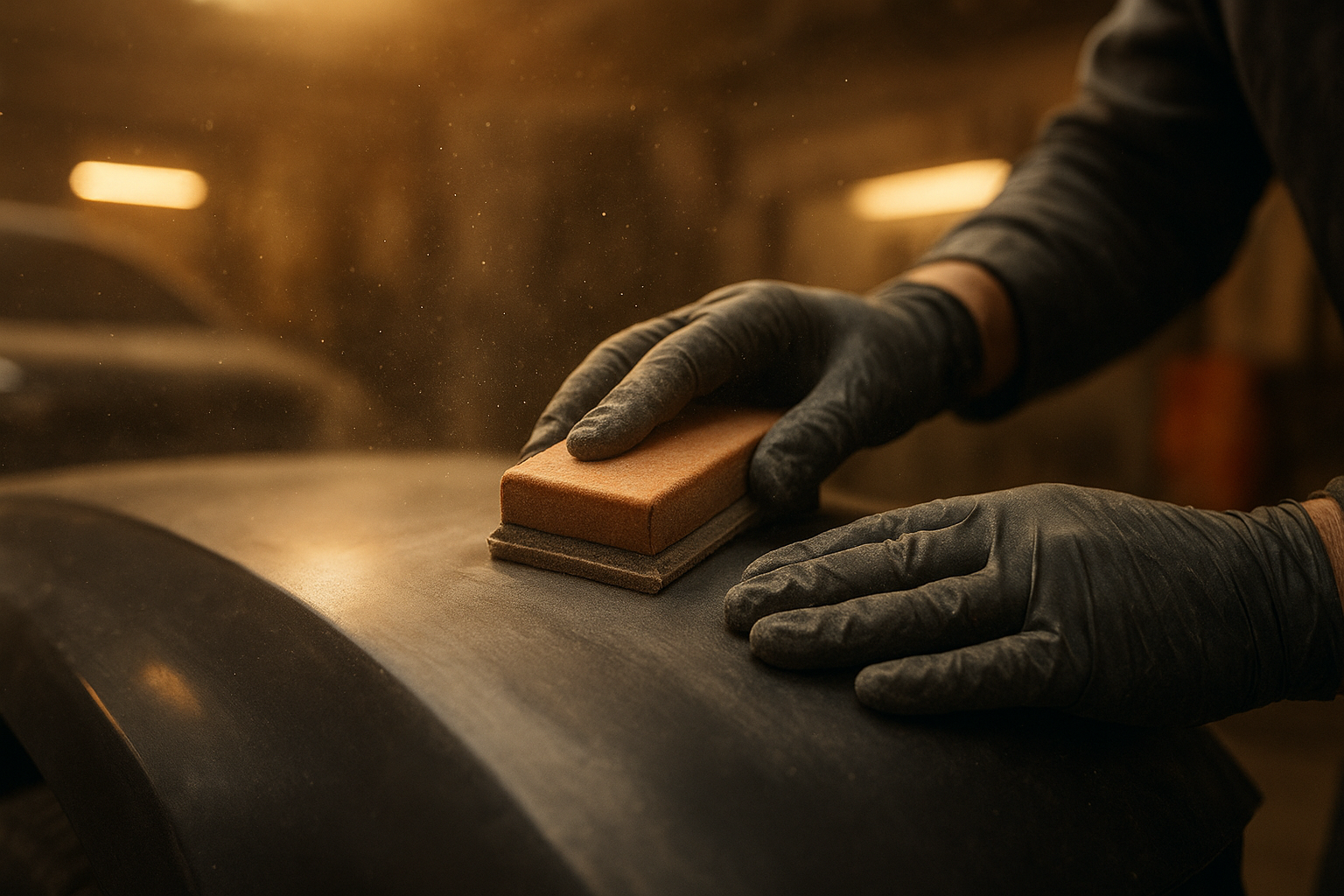
Quality auto body repairs are the difference between a vehicle that merely looks fixed and one that is genuinely restored to safe, pre-accident condition. When your car has been in a collision, hit a curb, or suffered hail damage, the repair work behind the scenes matters just as much as the finished paint job. In Brea, California, and throughout Orange County, drivers rely on certified technicians who understand structural repair, panel alignment, and color-accurate refinishing. This guide walks through what quality auto body repairs actually involve, why cutting corners can be risky, and how to recognize a shop that will do the job right the first time. For additional background on local repair standards, visit breaautobody.com.
What Are Quality Auto Body Repairs?
Quality auto body repairs are professional repairs that return a vehicle’s frame, panels, and finish to factory-equivalent condition using certified techniques, proper structural alignment, and accurately matched paint. In short, quality work restores both the safety and the appearance of the vehicle, not just its outward look.
Beyond that direct answer, quality repair work involves several layers of craftsmanship. Technicians must assess hidden structural damage, not just visible dents. In addition, they rely on manufacturer specifications, sometimes called OEM (original equipment manufacturer) standards, to make sure replacement parts fit and perform correctly. Consequently, a repair that looks fine at first glance can still fail safety standards if the frame beneath it was never properly straightened.
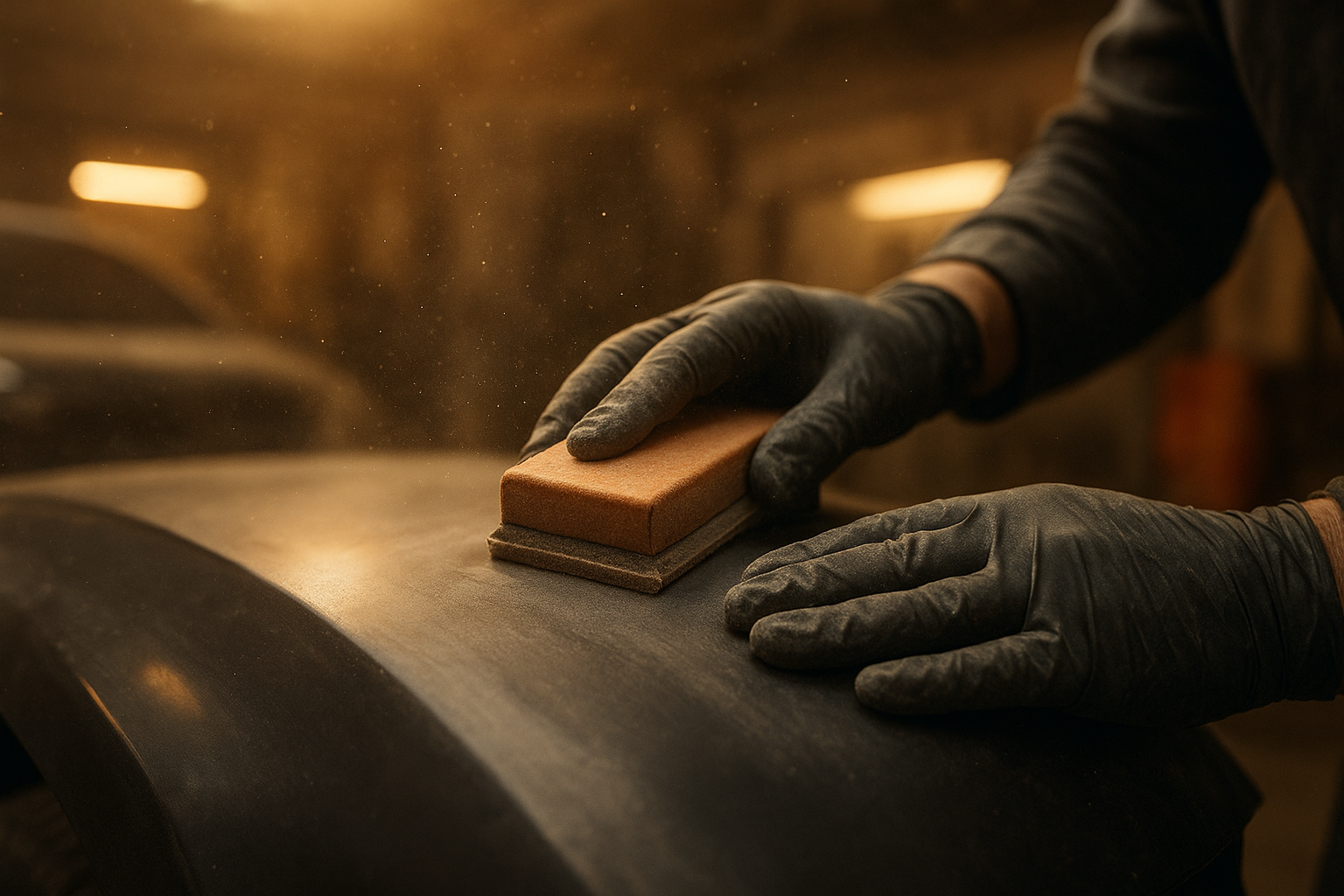
Skilled technicians are essential for delivering quality auto body repairs that last.
Why Reliable Collision Repair Matters for Safety and Value
Above all, reliable collision repair protects the people inside the vehicle. Modern cars rely on precisely engineered crumple zones and sensor placement to keep airbags and seatbelts working correctly during a future impact. According to the National Highway Traffic Safety Administration (NHTSA), improperly repaired structural components can compromise these safety systems, even when the car looks undamaged. As a result, a repair that skips structural verification puts drivers and passengers at real risk.
Furthermore, resale value depends heavily on repair quality. Buyers and dealerships routinely run vehicle history reports, and a documented pattern of substandard repairs can lower a car’s value significantly. In contrast, vehicles repaired with certified techniques and OEM parts tend to retain more of their value at trade-in or resale. For this reason, insurance companies increasingly require documentation proving repairs meet manufacturer specifications before approving a claim payout.
Signs of a Trustworthy Auto Body Shop
Specifically, a handful of signals separate a trustworthy shop from one that cuts corners. First, look for technicians with recognized industry certifications, such as those issued by I-CAR, a nonprofit training organization for collision repair professionals. Second, a reputable shop provides a detailed written estimate before starting any work, so customers understand exactly what is being repaired and why. Third, quality shops stand behind their labor with a written warranty.
Meanwhile, transparency throughout the repair process, including photos of hidden damage and clear explanations of parts used, is a strong indicator of a shop’s integrity. Similarly, consistent online reviews suggest a shop has earned its reputation through repeat, reliable results. If you want a deeper checklist, this guide on what to look for in auto body repair covers additional evaluation criteria worth reviewing before you commit to a shop.
The Auto Body Restoration Process: A Step-by-Step Guide
Understanding the auto body restoration process helps set realistic expectations for both timeline and outcome. Most reputable shops follow a similar sequence of steps, regardless of the size of the damage. Skilled auto body technicians in Brea handle each stage with close attention to detail.
- Damage Assessment and Estimate: A technician inspects the vehicle thoroughly, including hidden areas beneath panels, to identify both visible and structural damage before providing a written repair estimate.
- Disassembly and Structural Repair: Damaged panels and components are removed so technicians can access the frame, then specialized equipment realigns structural elements to factory measurements.
- Body Filler and Panel Work: Technicians repair or replace damaged panels, apply body filler where needed, and sand surfaces smooth to prepare for priming and paint.
- Paint Matching and Refinishing: Using computerized color-matching systems, the shop mixes paint to match the vehicle’s exact factory color before applying primer, base coat, and clear coat.
- Reassembly and Quality Inspection: The vehicle is reassembled, all systems including sensors and lights are tested, and a final inspection confirms the repair meets safety and appearance standards.
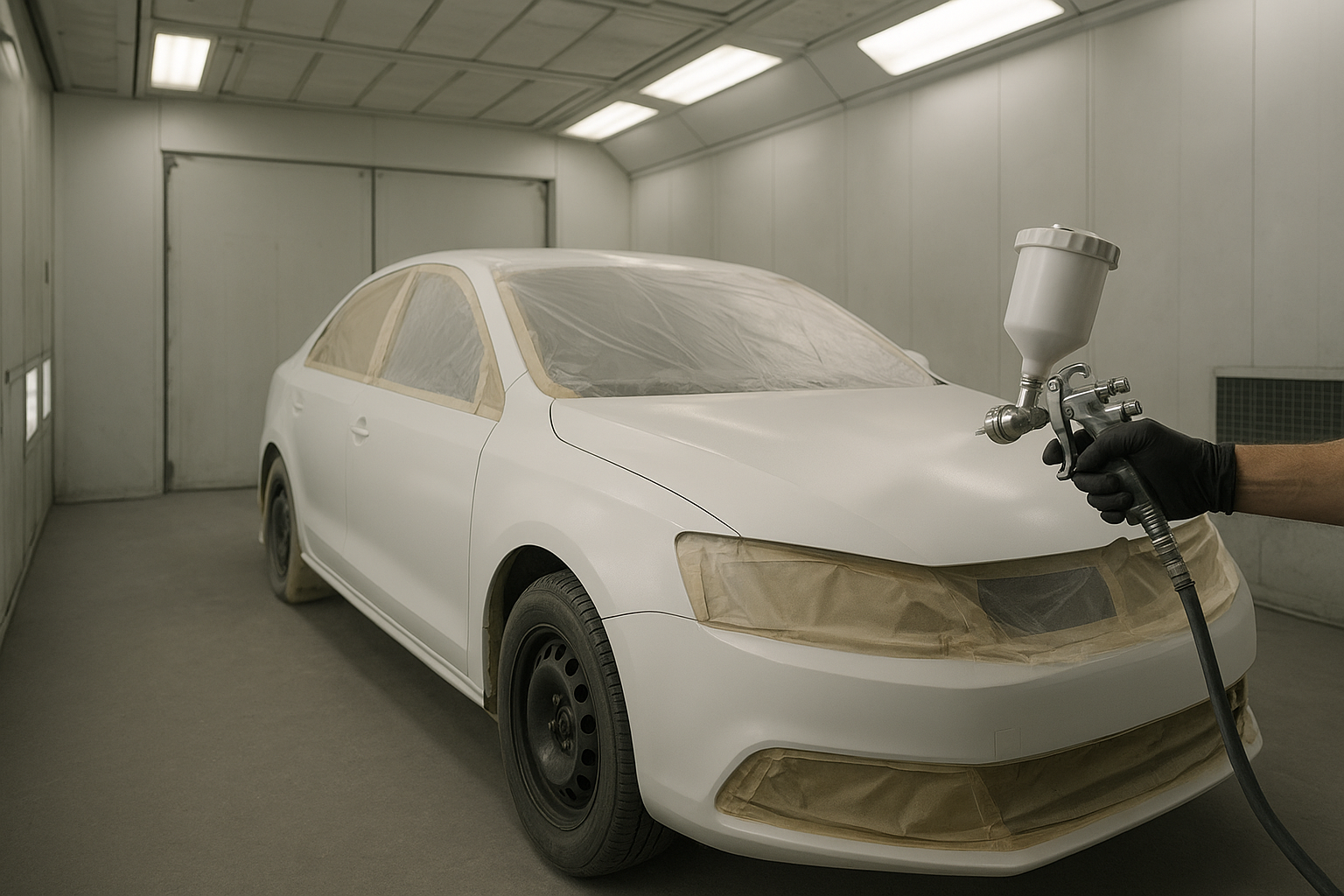
Precise paint matching is a hallmark of professional collision repair work.
How to Choose the Right Body Shop Near Brea, CA
Choosing the right shop starts with research. For example, comparing a few local options helps you gauge pricing, communication style, and turnaround time. Our guide on finding affordable auto body repair near you explains how to balance cost with craftsmanship.
In addition, reading about auto body service options in Brea can help you understand what local shops typically offer. Similarly, this resource on how to choose a trusted body shop walks through a practical checklist for evaluating collision repair providers before committing to one.
Common Mistakes That Compromise Auto Body Repair Quality
Even careful vehicle owners sometimes make avoidable mistakes. Above all, choosing a shop based on price alone often backfires, since the cheapest estimate may skip structural checks or use lower-quality parts. Additionally, skipping a written estimate leaves too much room for miscommunication later. Consequently, some owners end up paying more once hidden damage surfaces mid-repair.
Another common mistake is ignoring certifications altogether. A shop without ongoing technician training may not be familiar with newer vehicle materials, such as aluminum panels or advanced steel alloys. Finally, some drivers accept a repair without asking about warranty coverage, which leaves them unprotected if a problem develops after the vehicle leaves the shop.
Choosing a reputable facility helps ensure consistent repair quality every time.
Cost and Timeline: What to Expect From Auto Body Work
Repair costs vary widely depending on damage severity, vehicle make, and parts availability. Minor cosmetic repairs, such as small dents or scratches, can often be completed within a day or two. In contrast, significant structural repairs involving frame straightening or multiple panel replacements may take one to three weeks. Specifically, insurance-related repairs sometimes take longer due to parts ordering and claim approval steps.
As a result, it is wise to ask for a realistic timeline estimate up front, including how the shop handles unexpected discoveries once disassembly begins. According to Wikipedia’s overview of collision repair, repair complexity and part sourcing are two of the most common factors affecting turnaround time.
Frequently Asked Questions About Quality Auto Body Repairs
What are quality auto body repairs?
Quality auto body repairs are professional repairs that restore a vehicle’s structure, panels, and finish to factory-equivalent condition using certified techniques and properly matched parts. They prioritize both safety and appearance rather than just a quick cosmetic fix.
How much do quality auto body repairs typically cost?
Costs vary depending on damage severity, but minor cosmetic repairs often range from a few hundred dollars, while significant structural work can run into the thousands. Getting a written estimate from a certified shop is the best way to get an accurate number for your vehicle.
How long does a typical collision repair take?
Minor repairs like small dents or scratches can often be finished within one to two days. More extensive structural repairs may take one to three weeks, especially if parts need to be ordered.
What is the difference between OEM and aftermarket parts?
OEM (original equipment manufacturer) parts are made by the vehicle’s original manufacturer and are designed to match factory specifications exactly. Aftermarket parts are produced by third-party companies and can vary in fit and quality.
Why does paint matching matter in auto body repair?
Paint matching ensures the repaired panel blends seamlessly with the rest of the vehicle, both in color and texture. Poor paint matching is one of the most visible signs of a rushed or low-quality repair.
What certifications indicate a trustworthy auto body shop?
Look for shops with I-CAR certified technicians, which indicates ongoing training in current repair techniques and materials. Manufacturer-specific certifications are also a strong sign the shop can properly repair certain vehicle brands.
What common mistakes should I avoid when choosing a body shop?
Avoid picking a shop based on price alone, since the lowest estimate may skip structural inspections or use lower-quality parts. It also helps to avoid shops that won’t provide a written estimate or clear warranty information.
Can I pick my own repair shop instead of my insurer’s suggestion?
In most states, including California, vehicle owners have the legal right to choose their own repair shop rather than one recommended by their insurance company. Insurers may suggest preferred shops, but the final decision belongs to the vehicle owner.
What warranty should a quality auto body shop provide?
Reputable shops typically offer a written warranty covering both labor and paintwork, often lasting for as long as the customer owns the vehicle. Always ask for warranty details in writing before authorizing repair work.
How can I request an accurate repair estimate?
Bring your vehicle in for an in-person inspection, since photos alone often miss hidden structural damage. Ask the shop to itemize labor, parts, and paint costs separately so you can compare estimates fairly.
Do minor dents and scratches need professional repair?
Yes, even small dents can trap moisture and lead to rust if left unaddressed, and scratches that expose bare metal are especially vulnerable. Professional repair prevents minor damage from becoming a more costly problem later.
What happens during the auto body restoration process?
The process typically includes damage assessment, disassembly, structural repair, body filler and panel work, paint matching, and a final quality inspection. Each step is designed to return the vehicle to safe, pre-accident condition.
Final Thoughts
In the end, quality auto body repairs come down to trained technicians, transparent communication, and a genuine commitment to restoring both safety and appearance. Whether you are dealing with minor cosmetic damage or significant structural repair, choosing a shop that values craftsmanship over shortcuts makes a lasting difference. As a result, taking the time to research certifications, warranties, and repair processes before committing to a shop pays off in both safety and long-term vehicle value. For drivers in Brea and throughout Orange County, working with an experienced, certified team remains the most reliable path to a vehicle that looks and performs like new.

