

If you just typed “collision repair specialists near me Brea” into your phone after a fender bender, you are probably stressed, in a hurry, and unsure which shop actually deserves your trust. That search matters more than most people realize, because the shop you pick decides whether your car’s safety systems, frame alignment, and paint finish come back exactly right. This guide walks through how to vet a collision repair shop properly, what certifications actually mean, and what questions to ask before you hand over your keys.
Quick answer: Collision repair specialists near me Brea are certified auto body technicians located in or around Brea, California, who repair structural and cosmetic damage from accidents using I-CAR or ASE-trained methods. The fastest way to find a reliable one is to confirm certification, compare a written estimate against at least one other shop, and ask about insurance claim handling before booking.
What Are Collision Repair Specialists Near Me Brea?
Collision repair specialists near me Brea refers to the certified technicians and auto body shops within driving distance of Brea who focus specifically on restoring vehicles after accidents, weather events, or other impact damage. Unlike a general mechanic, these specialists train on structural welding, frame alignment, computerized paint matching, and sensor recalibration. As a result, they handle work that affects both the appearance and the safety of your vehicle.
In Brea and the surrounding Orange County area, demand for this work is steady. According to the National Highway Traffic Safety Administration, millions of police-reported crashes occur across the United States every year, and Southern California’s dense commuter traffic contributes a notable share of that total (nhtsa.gov). Consequently, finding a shop with genuine collision expertise, rather than general repair experience, directly affects how safely and seamlessly your vehicle performs afterward.
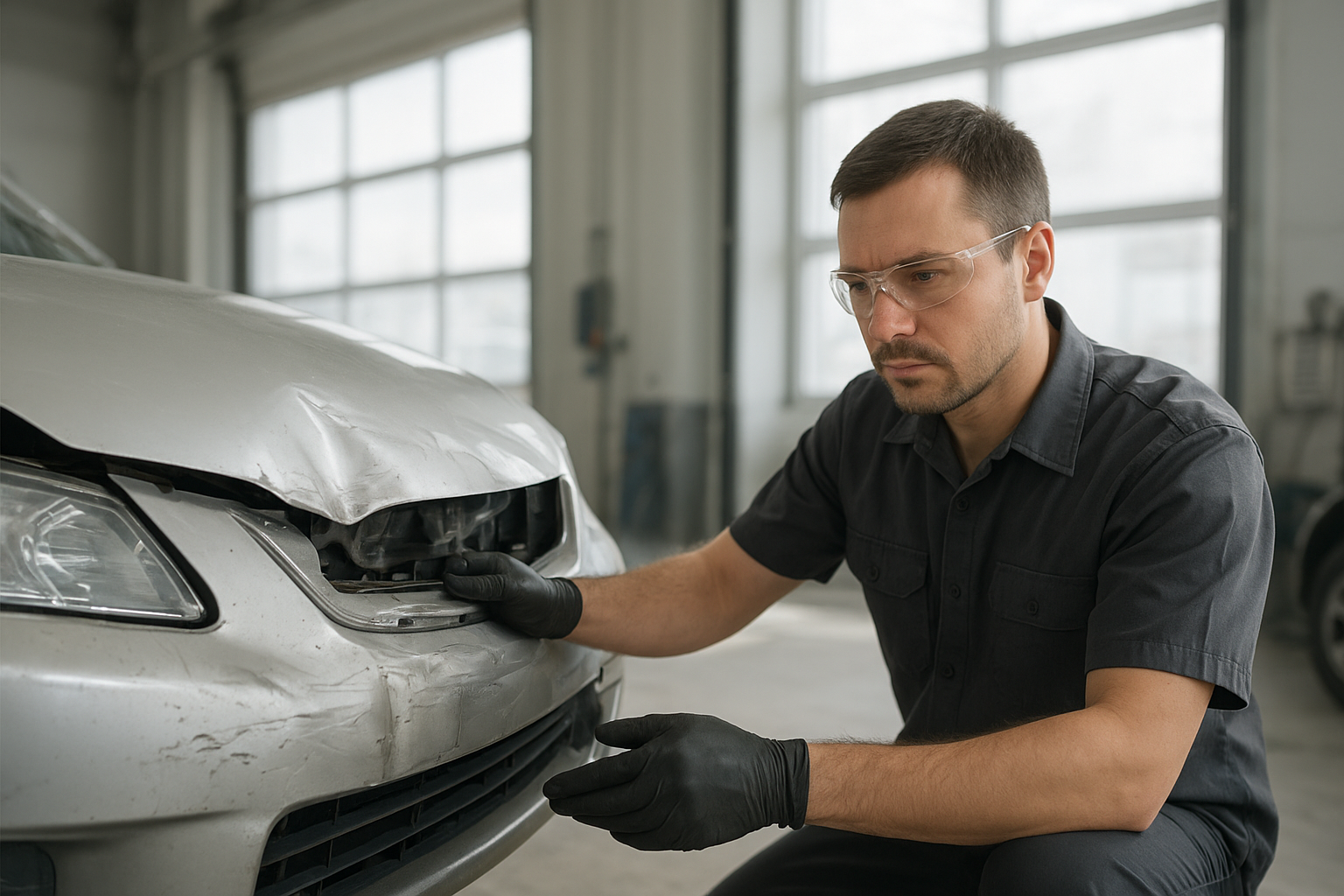
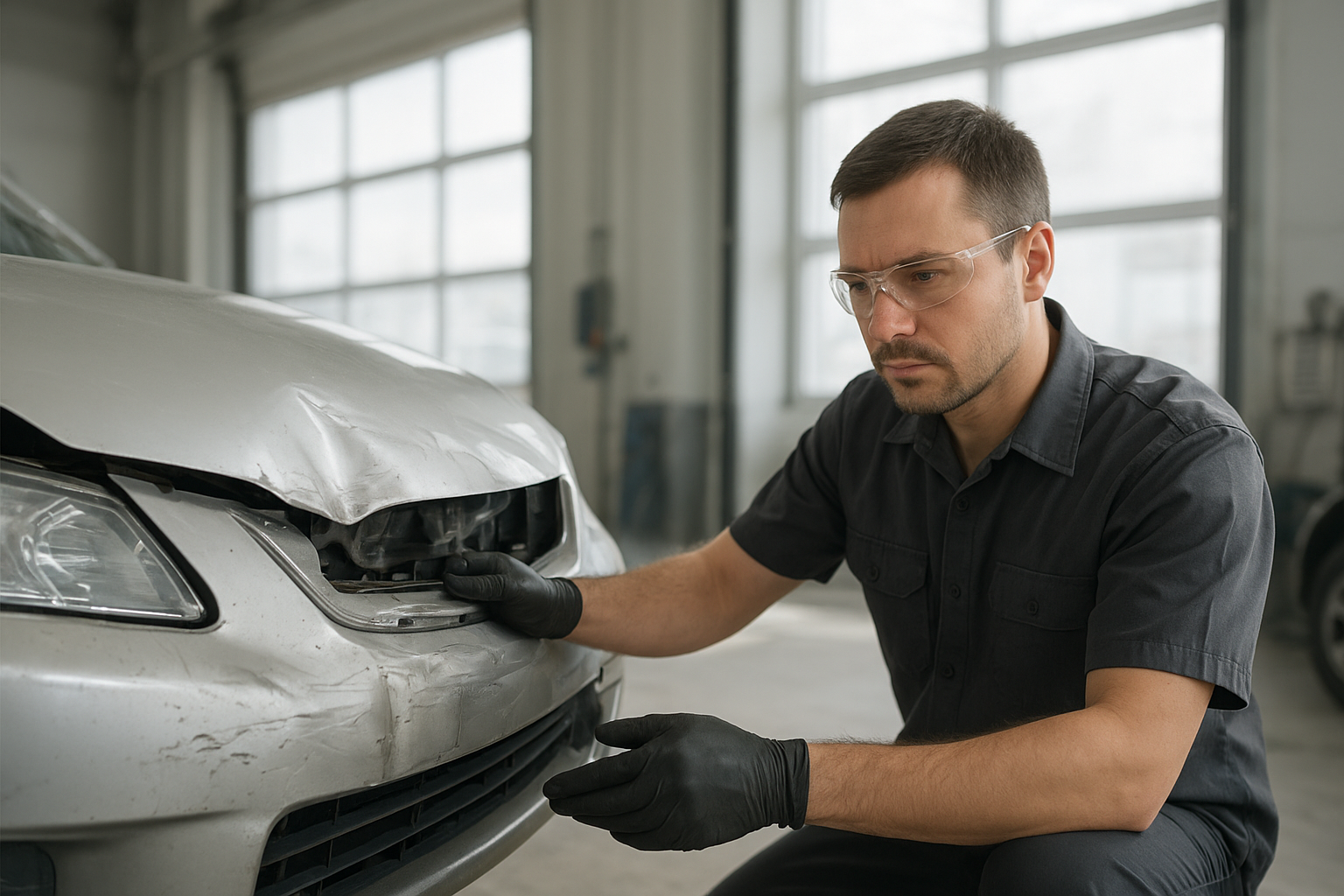
A thorough inspection is the first step any trustworthy collision repair specialist should perform.
Why Choosing the Right Auto Body Shop Matters
A collision repair done incorrectly rarely shows its flaws immediately. Instead, problems like misaligned frames, poor weld quality, or uncalibrated sensors tend to surface months later, often during another accident when the structural damage proves it never healed properly. In particular, vehicles with advanced driver assistance systems need precise recalibration after bodywork, or features like automatic braking and lane-keep assist may fail to function as designed.
For that reason, the difference between an adequate auto body shop and a truly skilled one is not always visible on the surface. Therefore, drivers in Brea should treat the selection process with the same seriousness they would apply to choosing a doctor, rather than simply picking whichever shop appears first in a map search.
Key Certifications to Look For
Two credentials carry real weight in this industry. First, I-CAR Gold Class status means a shop’s technicians have completed ongoing structural and refinishing training recognized across the collision repair industry (i-car.com). Second, ASE certification confirms individual technicians have passed standardized competency exams covering specific repair disciplines (ase.com). Above all, a shop willing to show proof of both credentials without hesitation is usually one worth trusting.
How to Search for Collision Repair Specialists Near You in Brea
Start with a map-based search, but do not stop there. Specifically, cross-reference shops that appear in your search against the Better Business Bureau and Google reviews, since online visibility and actual service quality are not always the same thing. In addition, ask neighbors, coworkers, or local community groups for recommendations, because word-of-mouth referrals often reveal details that online listings omit, such as how a shop handles delays or communicates during a repair.
For more detail on evaluating local shops side by side, this comparison guide to top collision repair shops in Brea breaks down what separates reliable operators from the rest.
A 7-Step Checklist for Vetting a Collision Repair Shop
Use the following sequence before committing to any shop. It takes roughly 30 to 45 minutes of research but can save thousands of dollars and weeks of frustration later.
- Confirm certifications. Ask directly whether technicians hold I-CAR Gold Class or ASE credentials, and request documentation if it is not posted in the lobby.
- Check reviews across platforms. Read recent feedback on Google, Yelp, and the BBB to spot recurring complaints about delays or hidden fees.
- Request a written estimate. Get an itemized breakdown of parts, labor, and paint costs so you can compare it against another shop.
- Ask about warranty coverage. Confirm whether workmanship and paint are backed by a written warranty before repairs start.
- Clarify OEM versus aftermarket parts. Understand which type of parts will be used, since this affects both cost and long-term fit.
- Verify insurance claim experience. Ask how often the shop processes claims and whether staff will coordinate directly with your adjuster.
- Confirm calibration capability. Verify the shop can recalibrate driver-assist sensors in-house after structural repairs.
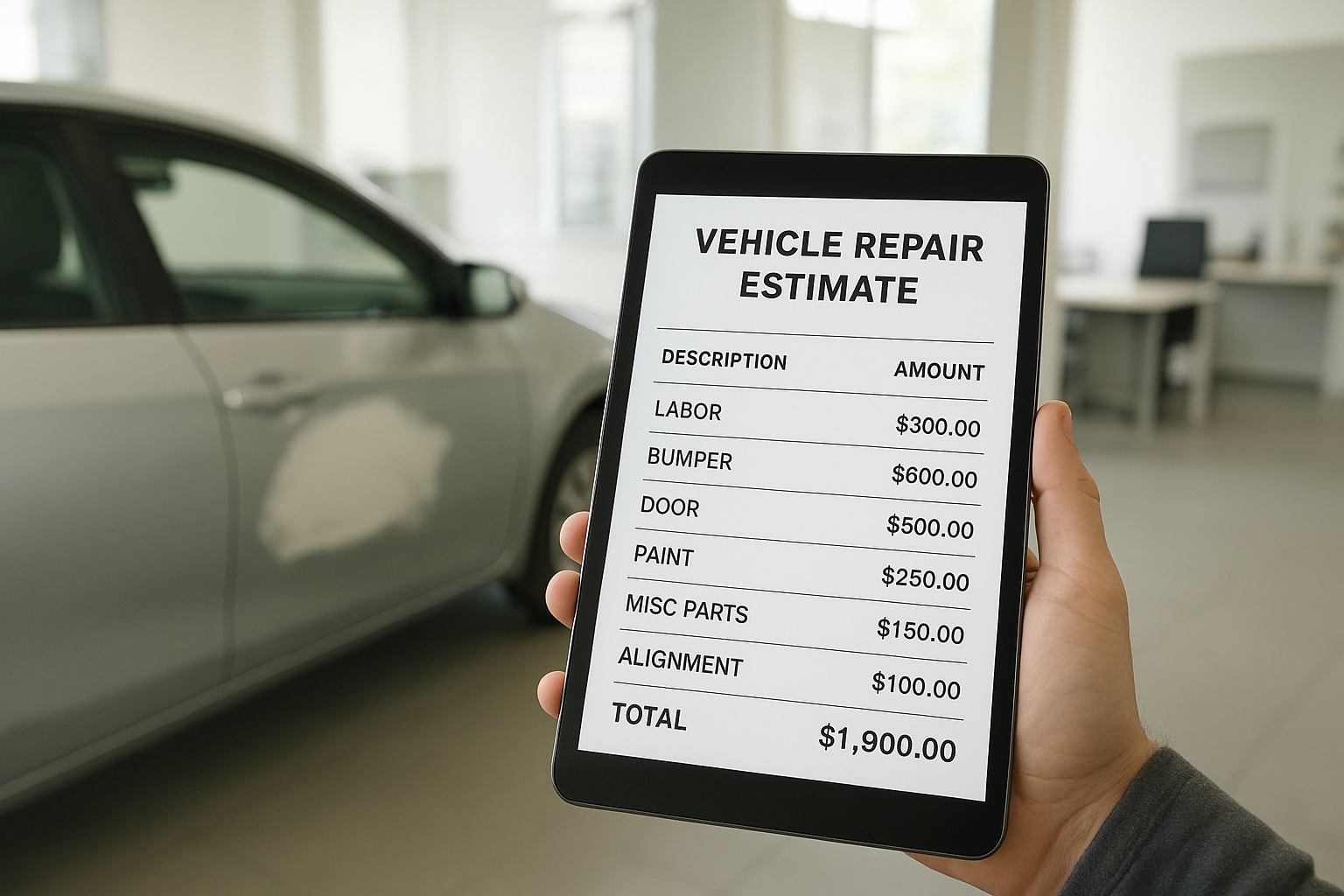
Comparing a detailed written estimate is one of the simplest ways to avoid surprise charges.
Insurance Claims and Direct Repair Programs Explained
Many drivers assume they must use whichever shop their insurer recommends. However, in nearly every state, you have the legal right to choose any licensed repair facility, regardless of your insurer’s preferred network. A direct repair program is simply a list of shops an insurance company has pre-approved for streamlined billing, which can speed up paperwork but is never mandatory.
Furthermore, a shop experienced with both individual claims and fleet accounts tends to handle insurance communication more efficiently, since they are used to translating adjuster language into plain terms for customers. For a closer look at how the claims process typically unfolds after an accident, this overview of car accident repair steps walks through what to expect from first call to final pickup.
Red Flags That Signal You Should Keep Looking
Certain warning signs suggest a shop is not equipped for quality collision work. For instance, a shop that refuses to provide a written estimate, pressures you to sign before explaining the scope of repairs, or cannot answer basic questions about parts sourcing should raise concern. Similarly, if a shop has no visible certifications and dismisses your questions about calibration or warranty coverage, that hesitation is itself informative.
In contrast, a shop that welcomes questions, explains its process clearly, and offers documentation without prompting is demonstrating the transparency that serious collision work requires.
What a Qualified Brea Collision Repair Specialist Typically Offers
Applying this checklist locally, a facility like Brea Auto Body illustrates what the criteria above look like in practice. The shop’s technicians specialize in collision repair, precision dent removal, and advanced computerized paint matching for both domestic and foreign vehicles, and they work with individual owners, insurance clients, and fleet customers across Orange County. Because the team uses industry-standard techniques and documents the repair process transparently, it reflects several of the vetting points covered throughout this guide.
To see how structural and cosmetic services are organized in more detail, visit the dedicated collision repair services page, or review the Brea-specific collision repair overview for location and scheduling information. You can also start from the main service overview if you are comparing multiple repair categories at once.
A clean, organized repair bay often reflects the same attention to detail applied to each vehicle.
Frequently Asked Questions
What are collision repair specialists near me Brea?
Collision repair specialists near me Brea are certified auto body technicians located in or around Brea, California, who repair structural and cosmetic vehicle damage caused by accidents. They typically handle frame straightening, paint matching, and direct communication with insurance companies.
How do I know if a collision repair shop is actually certified?
Ask to see I-CAR Gold Class certification or ASE credentials, which legitimate shops display openly or list on their website. You can also confirm I-CAR status through the organization’s official shop locator.
Why does certification matter for collision repair?
Certification confirms technicians have trained on current welding, structural, and sensor calibration standards. Without it, safety systems like airbags or lane-assist cameras may be improperly calibrated after a repair.
How much does collision repair typically cost?
Minor bumper or panel repairs often run between $500 and $1,500, while structural or frame work can exceed $4,000. Most costs are covered by insurance after your deductible on an approved claim.
How long does a typical collision repair take?
Cosmetic repairs such as dents or scratches usually take two to five business days. Structural repairs involving frame work or back-ordered parts can take one to three weeks.
Can I choose my own repair shop instead of my insurer’s recommendation?
Yes, you generally have the legal right to choose any licensed repair shop you prefer. Insurance companies cannot force you to use a specific direct repair program shop.
What is a direct repair program and does it limit my options?
A direct repair program is a network of shops an insurer has pre-approved for faster claims processing. It can simplify paperwork, but you are never required to use it exclusively.
What is the difference between OEM and aftermarket parts?
OEM parts are made by your vehicle’s original manufacturer and guarantee exact fit. Aftermarket parts cost less but may vary slightly in material quality or fit precision.
What common mistakes do drivers make when choosing a repair shop?
Common mistakes include skipping certification checks, accepting the first estimate without comparison, and never asking about warranty terms. Rushing this decision while stressed often leads to disappointing results.
How can I verify a shop’s reputation before booking?
Check Google Business reviews, the Better Business Bureau rating, and ask the shop for references from recent customers. Consistent patterns across several platforms are more reliable than one glowing review.
Does paint matching affect resale value?
Yes, poor paint matching is one of the most visible signs of prior collision damage and can lower resale value. Advanced color-matching technology helps blend repairs seamlessly into the factory finish.
Should fleet owners use a different vetting process than individual drivers?
Fleet owners should prioritize shops with volume capacity and fast, consistent turnaround across multiple vehicle types. Individual drivers can focus more narrowly on certification and warranty terms for a single car.
Final Thoughts
Choosing collision repair specialists near me Brea does not have to feel like guesswork. By confirming certifications, comparing written estimates, checking reviews across multiple platforms, and asking direct questions about parts and calibration, you put yourself in control of the process rather than leaving it to chance. In the end, the shop you select should be one that explains its work clearly, documents every step, and treats your safety as seriously as your car’s appearance. Taking even 30 minutes to run through this checklist before you book can save significant time, money, and stress down the road. For additional resources on collision and accident repair topics, you can always return to breaautobody.com for more guidance.

