

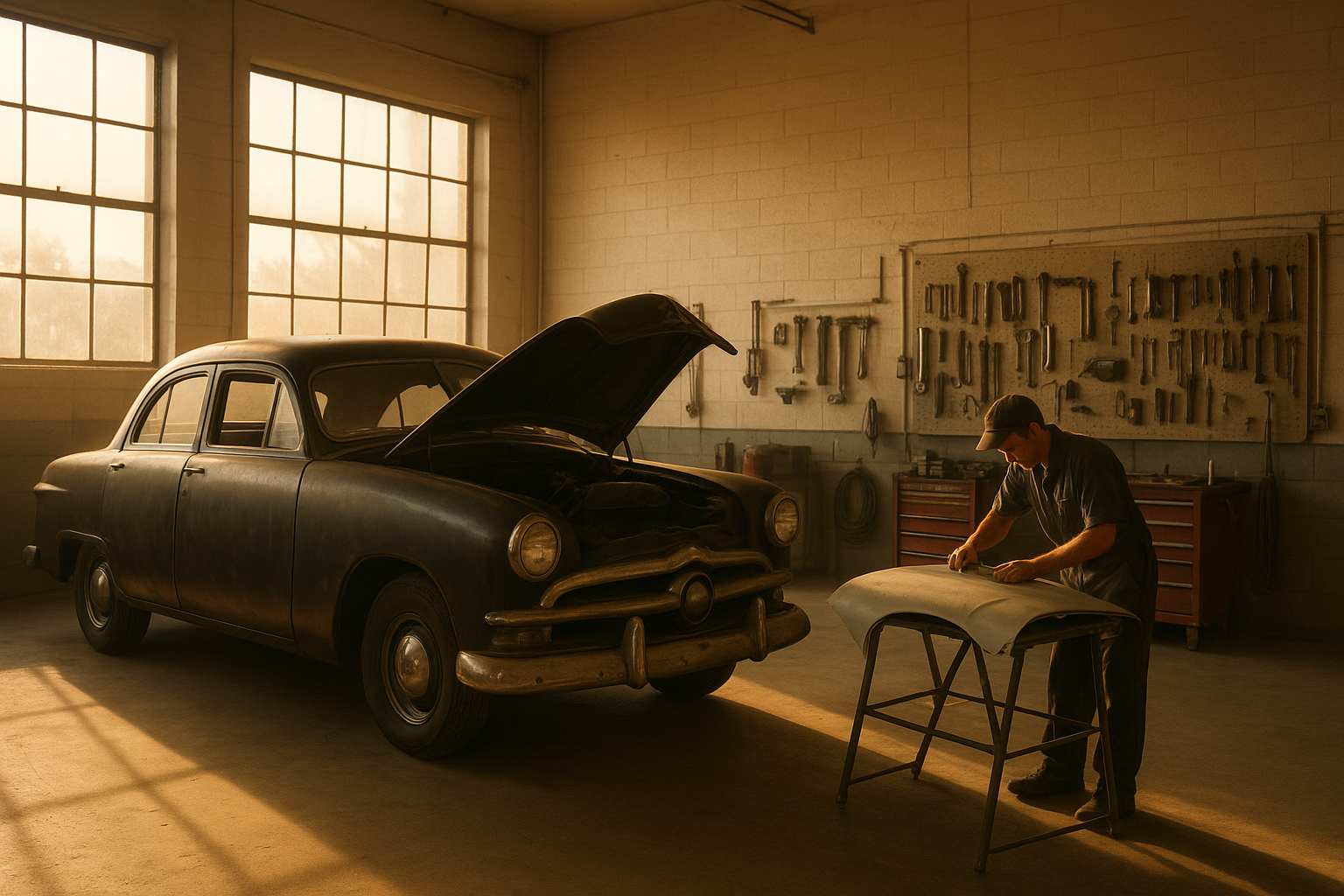
Classic car restoration Brea California shops provide is the kind of work vintage vehicle owners seek when a quick patch job simply will not do. Therefore, if your project car has sat in a garage for years, or recently took weather damage, finding technicians who understand both old-world craftsmanship and modern paint technology matters. In addition, a reputable shop can guide you through the entire process, from assessment to final polish, so your classic returns to the road looking like it belongs there.
Quick Answer: Classic car restoration in Brea, California typically involves rust repair, structural correction, precise paint matching, and reassembly performed by ASE-certified technicians, usually taking three to twelve months depending on the vehicle’s condition.
What Is Classic Car Restoration in Brea, California?
Classic car restoration is the process of returning an older vehicle to its original factory condition, or close to it, through bodywork, rust repair, and refinishing. Unlike a basic repair, restoration often means disassembling large sections of the car to address hidden corrosion and worn components. As a result, the finished vehicle should look and perform the way it did when it first left the factory.
In Brea and the surrounding Orange County area, demand for this kind of specialized work comes from hobbyists, collectors, and everyday drivers who simply love their older vehicles. Consequently, shops that serve this market need technicians comfortable with both vintage mechanical systems and modern paint-matching tools.
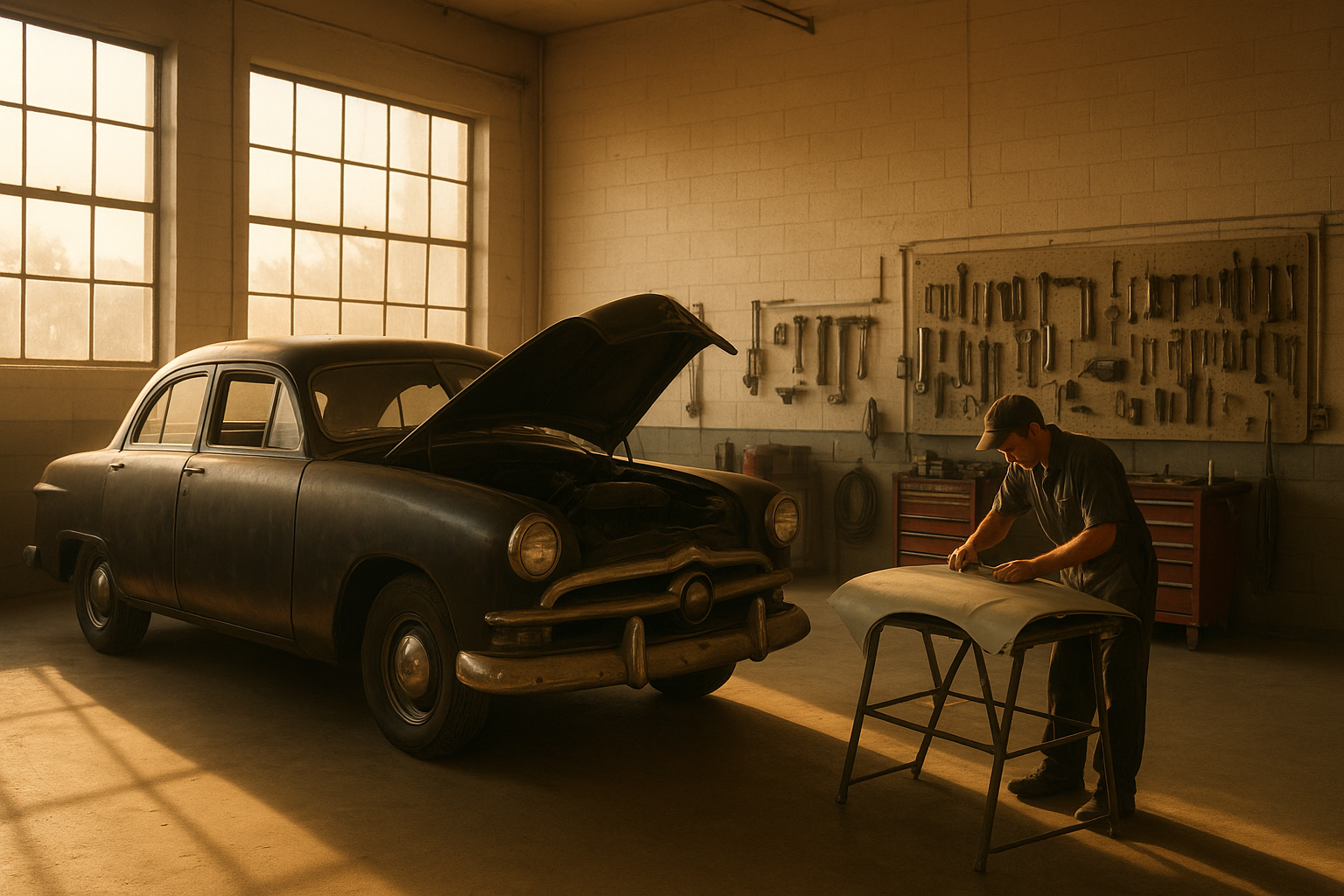
Hands-on bodywork is central to any classic car restoration Brea California project.
Classic Car Restoration Brea California Services at a Glance
Most shops offering classic car restoration Brea California drivers trust will cover several core services under one roof. Specifically, these usually include rust remediation, panel replacement, frame straightening, and factory-level paint matching. Above all, the goal is consistency, so every stage of the project follows the same standard of craftsmanship.
Collision Repair and Structural Work
When a classic vehicle has sustained collision or weather damage, structural repair becomes the first priority. Technicians measure the frame against factory specifications and correct misalignments before any cosmetic work starts, since skipping this step can compromise safety later on.
Precision Dent Removal and Paint Matching
For less severe damage, paintless dent removal preserves the original factory finish whenever possible. However, when repainting is necessary, computerized color scanning ensures the new paint matches the vehicle’s original code, so panels blend seamlessly. You can review examples of this process directly through Brea Auto Body’s restoration services for a sense of what local technicians handle daily.
Why Vintage Car Restoration Requires Specialized Skill
Vintage car restoration differs from standard auto body work because older vehicles often lack the parts availability and documentation that modern cars have. For example, panel gaps, trim pieces, and even paint formulas may need to be custom-matched or sourced from specialty suppliers. In contrast, a shop unfamiliar with older vehicles may struggle to source correct materials or replicate period-accurate finishes.
According to data referenced by the Wikipedia entry on classic cars, vehicles are generally considered classics once they reach roughly 20 to 25 years of age, though exact definitions vary by region and insurer. Similarly, this age threshold often determines which insurance policies and restoration approaches apply to a given vehicle.
For homeowners weighing their options locally, resources like this guide on car restoration options for Orange County drivers can help clarify what to expect before committing to a shop.
Step-by-Step Classic Vehicle Restoration Process
Understanding the general workflow helps set expectations before dropping off a vehicle. Below is the typical sequence most Brea shops follow for a full restoration project.
- Initial Inspection and Damage Assessment: Technicians inspect the entire vehicle for rust, structural damage, and mechanical issues, then document findings with photos and a written estimate before work begins.
- Structural and Metal Repair: Damaged or corroded metal panels are cut out and replaced or repaired using welding techniques that match the vehicle’s original frame specifications.
- Paint Matching and Refinishing: The team scans the factory paint code, mixes a precise color match, and applies base coat and clear coat layers to restore the original finish.
- Reassembly and Quality Inspection: Trim, chrome, glass, and mechanical components are reinstalled, followed by a final inspection confirming panel gaps and finish meet standard.
If your vehicle needs a closer look at any of these stages, the breakdown on vehicle restoration in Brea walks through each phase in more detail.
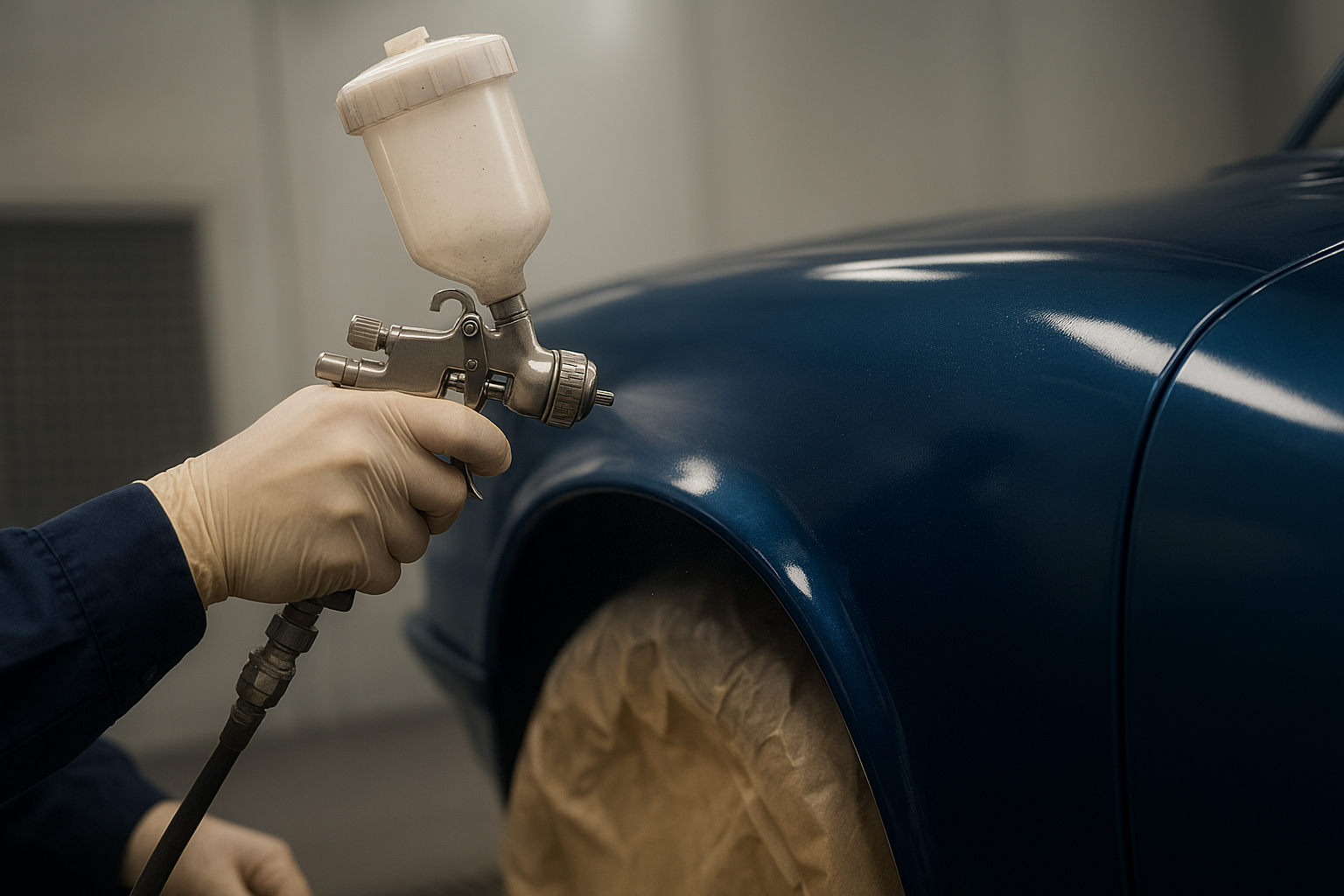
Accurate color scanning keeps classic car restoration Brea California results looking factory-fresh.
How Much Does Car Restoration Cost in Brea, CA?
Costs vary significantly based on the vehicle’s condition and the scope of work. A minor cosmetic refresh might run a few thousand dollars, whereas a complete frame-off restoration can exceed twenty thousand dollars once rust repair, custom parts, and labor are factored in. Furthermore, the National Institute for Automotive Service Excellence (ASE) notes that certified technician labor rates reflect specialized training, which can influence overall pricing compared to uncertified shops.
Therefore, it helps to request a detailed written estimate before work begins, breaking down labor, parts, and paint materials separately. This transparency allows owners to budget accurately and avoid surprises partway through the project.
Choosing the Right Auto Body Shop for Your Project
Selecting a qualified shop makes a measurable difference in the final outcome. Above all, look for technicians with ASE certification, a documented history of classic restorations, and clear communication throughout the process. In particular, ask to see before-and-after photos of similar vehicle makes, since restoration techniques can differ between domestic and foreign classics.
For a more detailed comparison of local specialists, the article on finding the right classic car body repair specialist covers questions worth asking before you commit. Similarly, drivers searching nearby can review vehicle restoration services near Brea to compare turnaround times and service offerings.
Common Mistakes to Avoid During Restoration
Even enthusiastic owners can run into avoidable setbacks. For instance, choosing a shop purely on the lowest quote often leads to rushed work or mismatched parts. In contrast, shops that explain their process upfront tend to deliver more consistent results.
Another frequent mistake involves skipping rust inspection on hidden areas like floor pans and wheel wells, which can resurface months later. The National Highway Traffic Safety Administration emphasizes that structural integrity directly affects occupant safety, so thorough inspection should never be skipped to save time or money. Readers considering a vintage repair can also check which shop best handles vintage car repairs for additional guidance before scheduling work.
Frequently Asked Questions About Classic Car Restoration Brea California
What is classic car restoration Brea California known for?
Classic car restoration Brea California shops are known for returning vintage vehicles to their original or improved condition using precision bodywork, rust repair, and factory-accurate paint matching. Many shops also handle structural repairs and reassembly to original specifications.
How long does a full classic car restoration take?
A full restoration typically takes between three and twelve months, depending on the vehicle’s condition and parts availability. Partial restorations focused on paint or specific panels can often be completed in a few weeks.
How much does it cost to restore a classic car?
Costs vary widely, from a few thousand dollars for cosmetic touch-ups to well over twenty thousand dollars for frame-off restorations. Factors include the car’s rarity, rust severity, and whether original parts must be sourced or fabricated.
What is the difference between restoration and simple repair?
Repair addresses specific damage, such as a dent or collision area, while restoration rebuilds the entire vehicle to match its original factory appearance and function. Restoration often involves disassembly, rust remediation, and historically accurate finishing.
Can a modern auto body shop restore foreign classic cars?
Yes, many modern shops with ASE-certified technicians are trained to work on both domestic and foreign vintage vehicles. However, it helps to confirm the shop has experience with your specific make, since panel gaps and paint codes differ by manufacturer.
Does insurance ever cover classic car restoration?
Insurance may cover restoration costs if the damage resulted from a covered event, such as a collision, weather incident, or theft, and the vehicle carries classic car coverage. Routine wear and age-related deterioration are usually not covered.
What common mistakes should I avoid when choosing a restoration shop?
A common mistake is choosing a shop based on price alone without checking certifications or past restoration photos. Another is skipping a written estimate, which can lead to unexpected costs partway through the project.
How can I tell if a shop is qualified to restore vintage vehicles?
Look for ASE-certified technicians, a portfolio of completed classic restorations, and clear communication about timelines and parts sourcing. Reading reviews from other classic car owners also helps confirm reliability.
What paint materials are used for accurate classic car color matching?
Shops typically use computerized spectrophotometer scanning combined with factory paint codes to mix an exact color match. High-quality base coat and clear coat systems are then applied to replicate the original factory finish.
Is rust repair always part of classic vehicle restoration?
Rust repair is involved in most restorations because older vehicles commonly develop corrosion in floor pans, rocker panels, and wheel wells. Technicians cut out and replace affected metal before refinishing the surface.
How often should a restored classic car be serviced afterward?
Most restored classics benefit from an annual inspection to check paint condition, seals, and mechanical components, even if the car is driven infrequently. Garage storage and periodic waxing also help protect the finish.
What should I bring when requesting a restoration quote?
Bring any available service history, photos of current damage or rust, and reference images of the car’s original factory appearance. This information helps technicians provide a more accurate estimate and timeline.
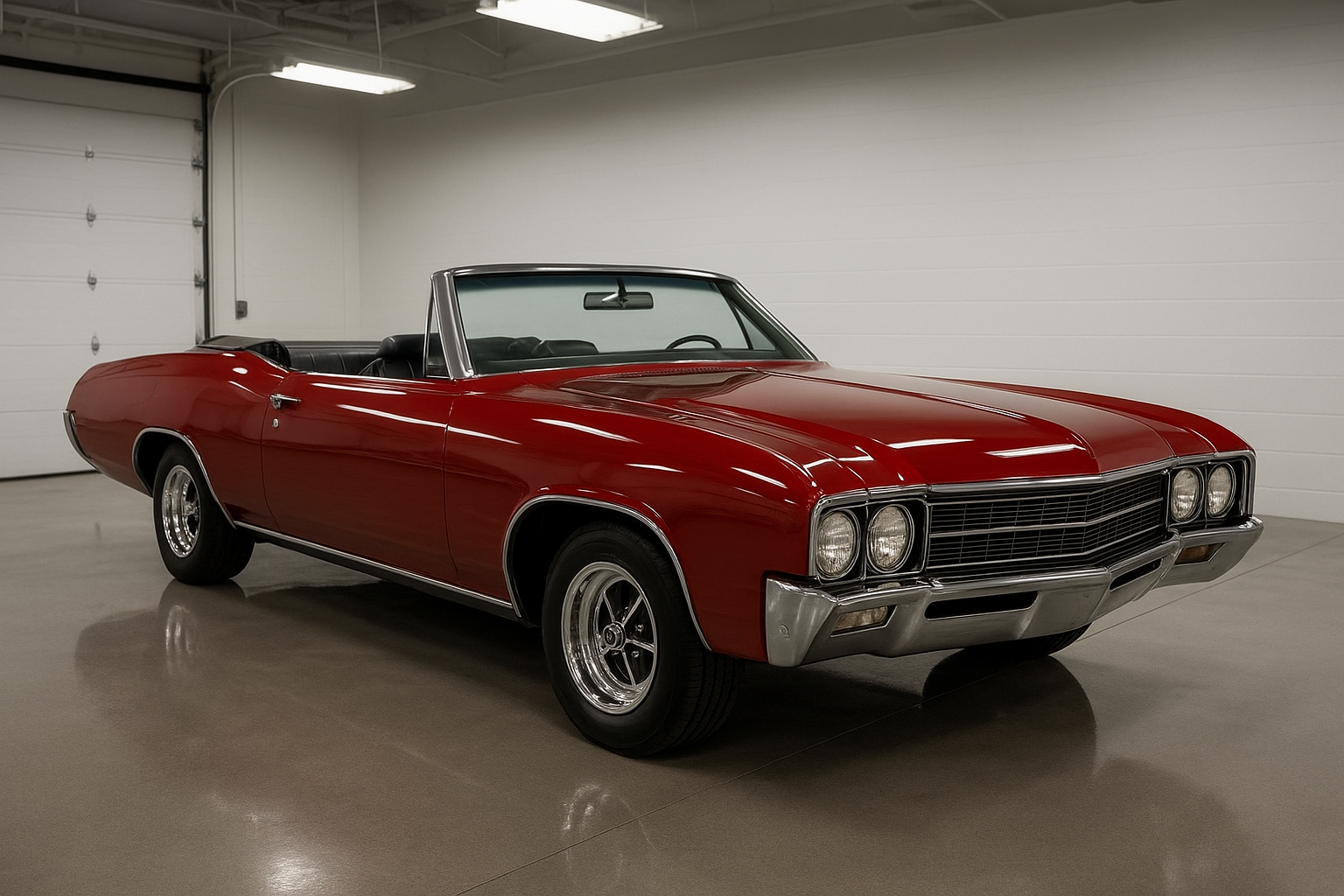
A finished project shows what thorough classic car restoration Brea California work can achieve.
Final Thoughts on Restoring Your Classic
In summary, classic car restoration Brea California projects succeed when owners partner with technicians who understand both vintage craftsmanship and modern repair standards. From structural correction to precise paint matching, every stage matters for a result that looks and drives like it should. Consequently, taking time to vet a shop’s certifications, past work, and communication style pays off throughout the restoration timeline. Whether you are addressing rust, collision damage, or simply bringing a long-stored vehicle back to life, a transparent and experienced local shop remains the most reliable path toward a finished classic you can be proud of.

