


Body shop repair for insurance claims Orange County drivers rely on involves working with a certified collision repair facility that communicates directly with your insurer, documents every stage of damage, and restores your vehicle to its pre-accident condition. Whether you were in a minor fender-bender on the 57 freeway or a more serious collision, understanding how claims and repairs intersect helps you avoid delays, denied coverage, and shoddy workmanship. Therefore, this guide walks through the entire process, from filing the claim to driving your fully restored vehicle home.
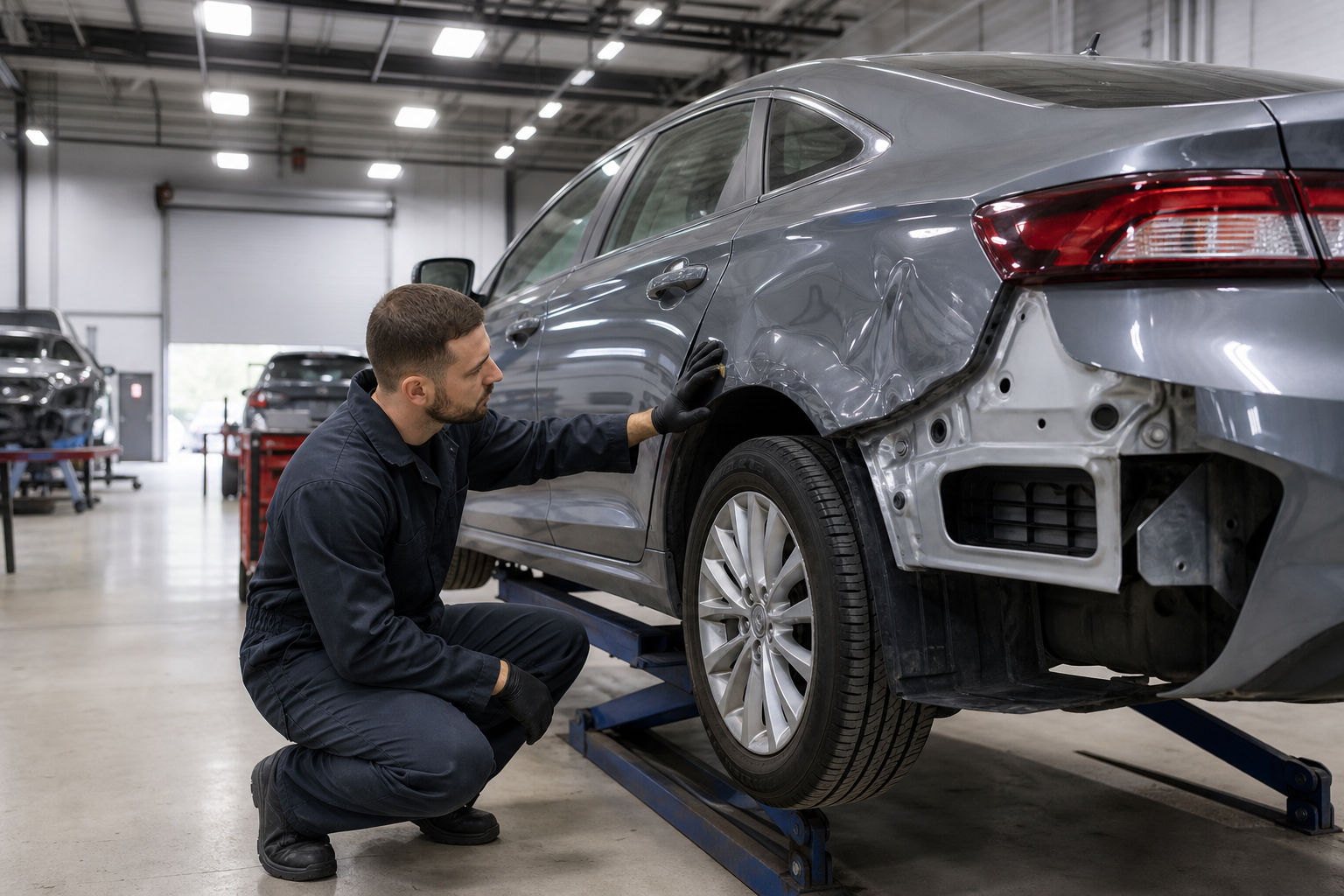
Careful damage assessment is the first step in any body shop repair for insurance claims Orange County drivers file.
What Is Body Shop Repair for Insurance Claims Orange County Drivers Need?
Body shop repair for insurance claims Orange County drivers need is collision repair work performed by a licensed auto body facility while an insurance company covers some or all of the cost under a policy. The shop inspects the damage, prepares a written estimate, and coordinates directly with the claims adjuster. As a result, the vehicle owner typically only pays the deductible once the repair is approved.
In addition, California gives policyholders a specific right: insurers cannot require you to use a particular shop. According to the California Department of Insurance, consumers may choose any licensed repair facility they trust, even if it is outside the insurer’s preferred network. Consequently, drivers in Brea, Fullerton, Yorba Linda, and nearby Orange County communities can select a shop based on quality and reputation rather than convenience alone.
Specifically, a reliable shop should explain every line item on the estimate, use certified technicians, and keep the owner informed if hidden damage is discovered once panels are removed.
Auto Body Insurance Claims: How the Process Works in Orange County
Understanding the sequence of events helps reduce stress after an accident. Below is the typical path a claim follows from the moment the damage occurs until the vehicle is returned.
- Report the accident and file the claim. Contact your insurer right after the incident, provide the location, date, and any other driver’s information, then request an official claim number for tracking.
- Get a damage assessment and written estimate. Bring the vehicle to a licensed body shop so a technician can inspect visible and hidden damage and prepare a detailed written repair estimate.
- Choose your preferred repair shop. Select any licensed facility you trust, since California law allows policyholders to pick their own body shop instead of an insurer’s suggested option.
- Allow the insurer to review and approve the estimate. The shop submits the estimate directly to your adjuster, who reviews labor rates, parts pricing, and scope of damage before approving the repair order.
- Complete repairs and quality inspection. Technicians repair structural components, match paint, and perform a multi-point quality inspection to confirm the vehicle meets safety and appearance standards.
- Pick up the vehicle and review the warranty. Inspect the finished repair with the shop manager, confirm all paperwork is complete for the insurer, and ask about the workmanship warranty before driving away.
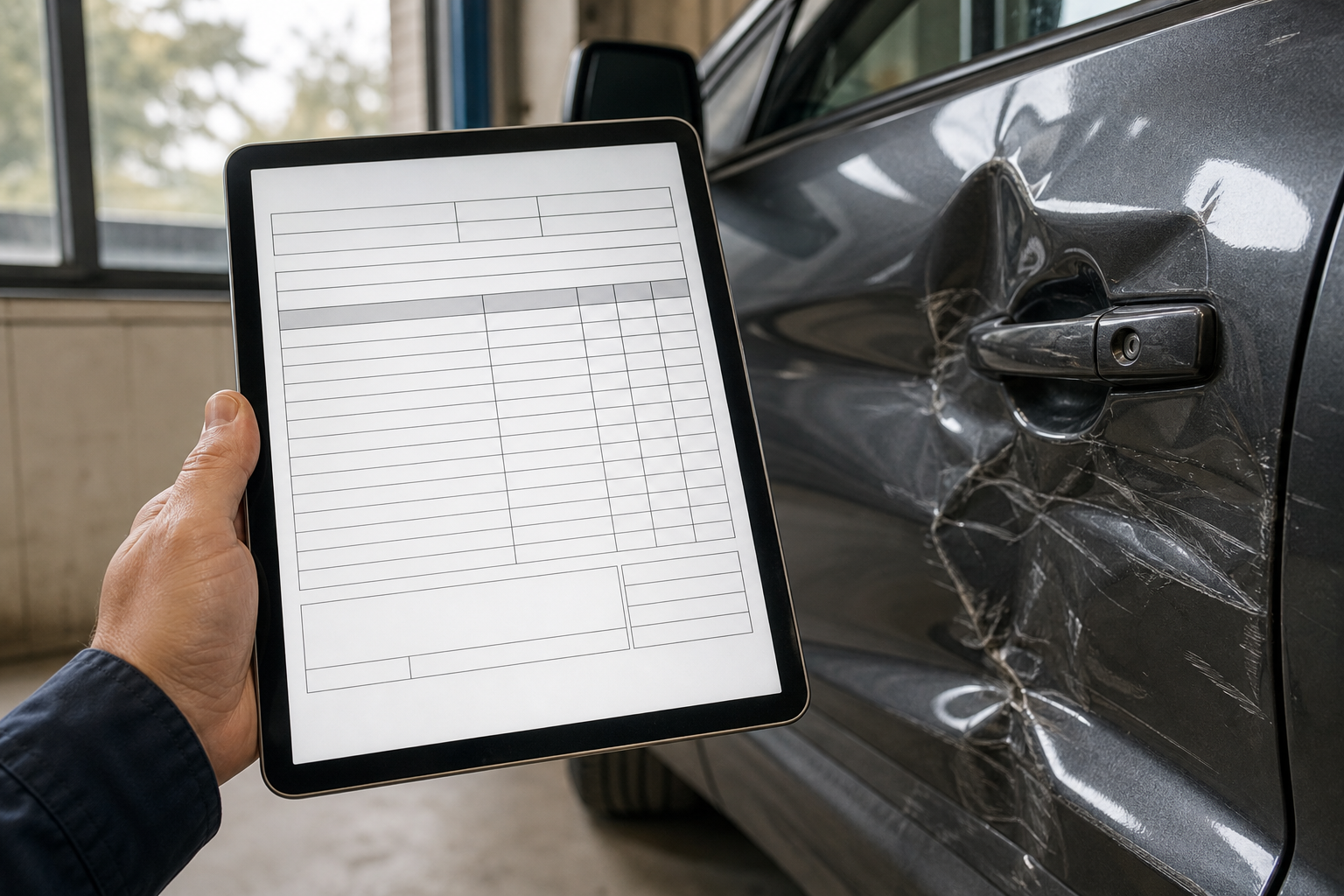
A detailed estimate keeps the insurance claims body shop process transparent for the vehicle owner.
Finding an Insurance-Approved Collision Repair Shop in Orange County
Not every shop handles insurance paperwork the same way, so experience matters. A shop with I-CAR certified technicians, for example, has trained staff familiar with manufacturer repair procedures and modern vehicle structures. Above all, look for transparency: a trustworthy facility walks you through the estimate line by line and explains why specific parts or labor hours are included.
Local shops such as breaautobody.com work with individual owners, insurance clients, and fleet customers across Brea and the surrounding area, handling everything from minor dent repair to structural collision work on domestic and foreign vehicles. For a deeper look at regional standards, the best body shop Orange County guide compares what separates a dependable facility from one that cuts corners.
If your damage is limited to dents without paint issues, the dent repair guide explains what to expect from that narrower type of job and how it factors into an insurance estimate.
Direct Repair Programs vs Independent Collision Centers
Insurers often maintain a list of “preferred” shops called direct repair programs, or DRPs. These shops have negotiated rates and streamlined paperwork with the insurer, which can speed up approval. However, independent shops are not bound by those negotiated rates and may offer more flexibility on parts choice and repair methods. The table below summarizes the main differences.
| Factor | Direct Repair Program | Independent Shop |
|---|---|---|
| Approval speed | Often faster, pre-negotiated pricing | May require more estimate review |
| Parts flexibility | Usually limited by insurer contract | Greater owner input on OEM vs aftermarket |
| Shop selection | Suggested by insurer | Chosen freely by the policyholder |
Either way, the choice of shop is always yours under California consumer protection rules, so comparing both options before committing is a reasonable step.
Common Pitfalls in Auto Body Insurance Claims
Even straightforward claims can go wrong when owners overlook small details. For instance, skipping a second opinion on a lowball estimate is a frequent mistake, as is forgetting to ask whether the shop will use OEM, meaning original equipment manufacturer, parts instead of aftermarket substitutes. Similarly, failing to document pre-existing wear before repairs begin can create disputes later.
According to the Insurance Information Institute, the average cost of a property damage liability claim was roughly $5,313 as of its most recent published data, which underscores why getting an accurate, well-documented estimate matters. In contrast, rushing through paperwork without reviewing the scope of repair often leads to supplemental costs appearing late in the process.
Keeping copies of every estimate, photo, and communication protects you if a disagreement arises between the shop and the insurer.
Why Local Expertise Matters for Auto Body Claims in Brea and Orange County
Local shops understand regional insurance adjusters, common parts suppliers, and typical repair timelines better than out-of-area chains. Brea Auto Body, for example, serves individual owners, insurance clients, and fleet accounts throughout Orange County, using industry-standard techniques and precise paint matching on both domestic and foreign vehicles. Because the team works directly with adjusters day to day, communication tends to move faster than with unfamiliar national networks.
For broader context on how collision repair fits into general vehicle upkeep, the auto repair services Orange County guide outlines related maintenance considerations, while the North Orange County OEM quality guide dives deeper into parts standards worth requesting in your estimate. If you are still comparing facilities, the body shop guide offers additional criteria for narrowing down a trustworthy option.
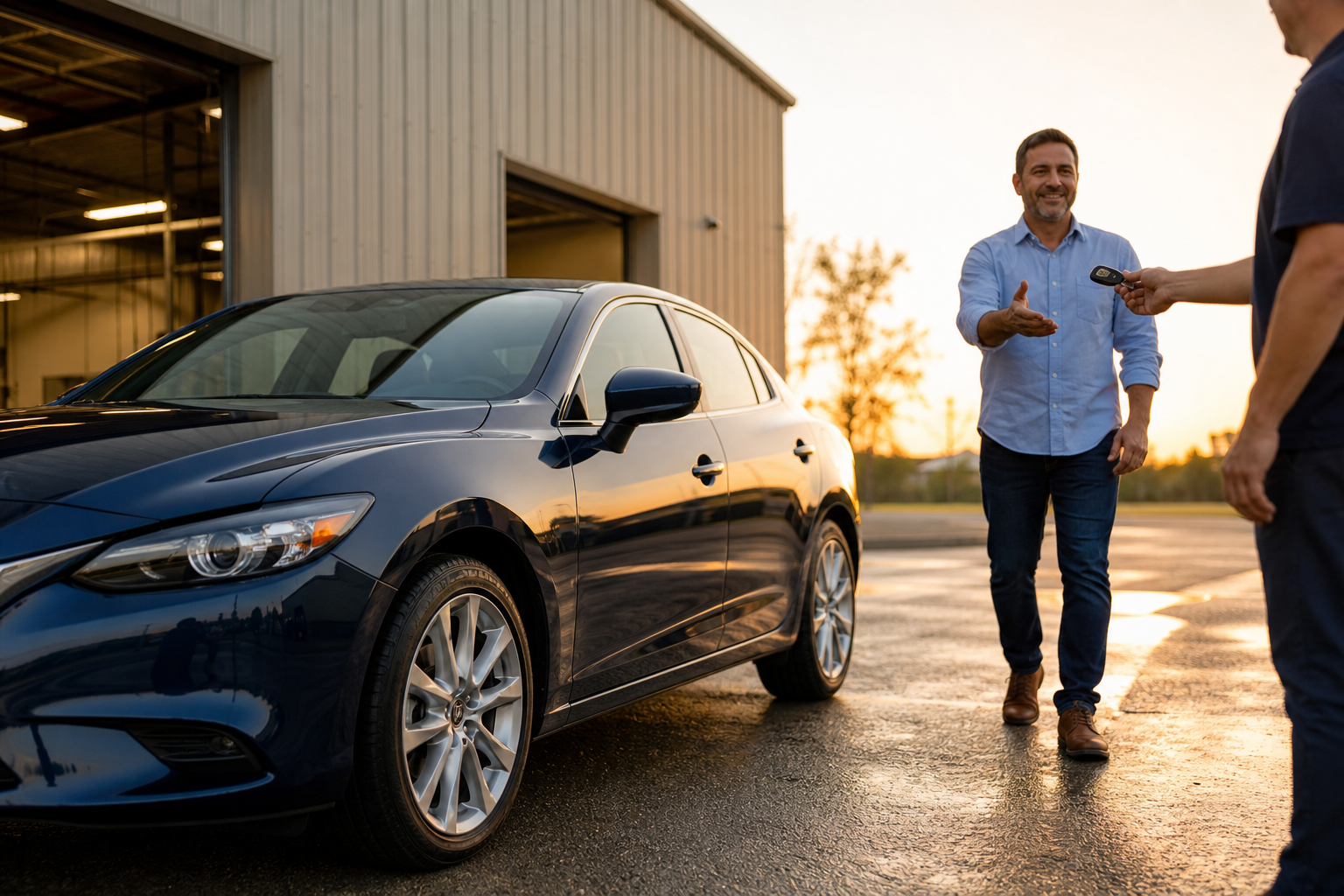
Picking up a fully restored vehicle is the final stage of a successful insurance claims body shop experience.
Frequently Asked Questions
What is body shop repair for insurance claims Orange County drivers use?
Body shop repair for insurance claims Orange County drivers use is collision repair work performed by a licensed auto body facility while an insurance company covers some or all of the cost under a policy. The shop writes an estimate, coordinates with the adjuster, and restores the vehicle to pre-accident condition.
How do I start an insurance claim for collision repair?
Report the accident to your insurer as soon as possible, provide photos and a police report if one exists, then request a claim number. After that, you can schedule a damage assessment at the body shop of your choice.
Can I choose my own body shop instead of the insurer’s recommended shop?
Yes, California law gives policyholders the right to select any licensed repair facility, regardless of insurer recommendations. Choosing your own shop does not void coverage, though the insurer may still review the estimate.
How long does insurance-covered auto body repair take?
Minor cosmetic repairs often take two to five business days, while structural or frame damage can take two to four weeks. Parts availability and supplement approvals are the most common causes of delay.
What’s the difference between a direct repair program and an independent shop?
A direct repair program, or DRP, is a shop pre-approved by an insurer with negotiated pricing and faster claim processing. An independent shop works outside that network, often giving owners more control over parts and repair methods.
Will using a non-DRP shop affect my warranty or claim?
No, using an independent, non-DRP shop will not void your insurance claim or your vehicle manufacturer’s warranty. Reputable shops still honor OEM repair procedures and provide their own workmanship guarantee.
How much does a typical insurance deductible cost for collision repair?
Deductibles commonly range from $250 to $1,000 depending on the policy, and the owner pays this amount directly before insurance covers the remainder. Checking your policy declarations page confirms the exact figure.
What documents do I need for an auto body insurance claim?
You typically need your claim number, driver’s license, vehicle registration, photos of the damage, and the repair estimate. A police report is also helpful when the accident involved another driver.
What common mistakes should I avoid during the claims process?
Common mistakes include skipping a written estimate, accepting the first offer without review, and failing to document pre-existing damage. Another frequent error is not asking whether OEM or aftermarket parts will be used.
Does insurance cover OEM parts or aftermarket parts?
Coverage depends on the policy; some insurers default to lower-cost aftermarket parts unless the owner requests OEM, or original equipment manufacturer, parts in writing. Newer vehicles with safety sensors often require OEM parts for proper calibration.
How do I get a repair estimate approved by my insurer?
The body shop submits a detailed estimate with photos and labor breakdowns directly to the adjuster for review. If hidden damage appears once panels are removed, the shop files a supplement for additional approval.
What happens if my insurer and the body shop disagree on repair costs?
The shop and adjuster typically negotiate using current labor rates and parts pricing until they reach an agreed scope of repair. If a dispute continues, policyholders can request a supervisor review or an independent appraisal.
Can I negotiate with my insurance company about repair costs?
Yes, policyholders can request a second estimate, ask for an appraisal clause review, or escalate to a claims supervisor if the offer seems too low. Keeping detailed records strengthens your negotiating position.
How can I find a reputable body shop repair for insurance claims Orange County location?
Look for I-CAR certified technicians, transparent estimate practices, and positive local reviews from Orange County drivers. Asking about OEM parts policy and warranty terms also helps confirm the shop’s reliability.
Conclusion
Ultimately, body shop repair for insurance claims Orange County drivers depend on comes down to picking a transparent, certified facility and understanding your rights as a policyholder. From filing the claim to final inspection, staying informed at each step helps you avoid delays, unexpected costs, and subpar workmanship. Above all, remember that California law lets you choose the shop you trust, so comparing options like breaautobody.com against other local facilities is a worthwhile step before repairs begin.


