

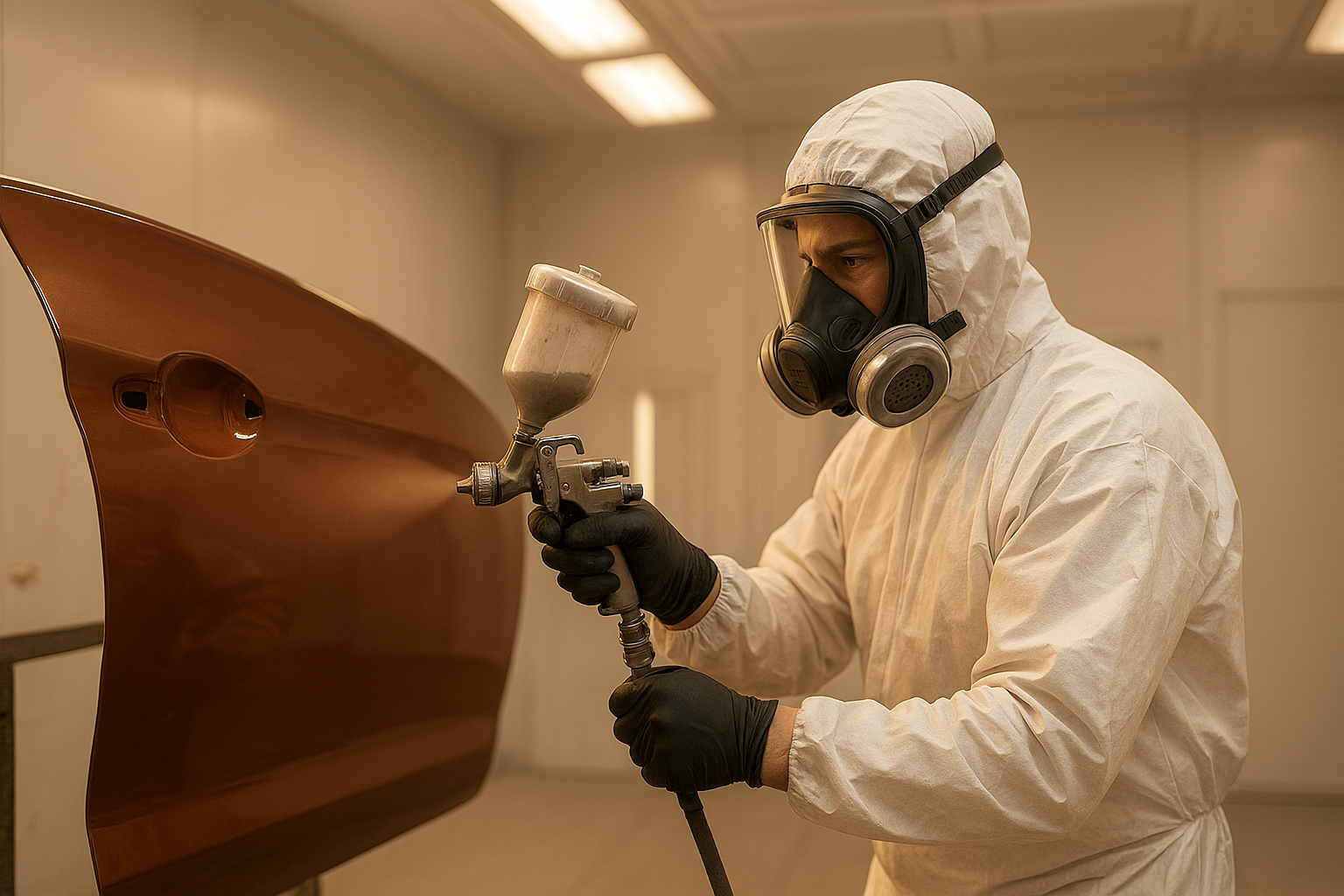
Brea paint restoration is the process of repairing, color-matching, and refinishing a vehicle’s exterior paint so it looks the way it did before a collision, weather event, or years of everyday wear. For drivers across Orange County, choosing a shop that handles this work carefully often determines whether the repaired panel blends in seamlessly or stands out with an obvious mismatch. This guide walks through what the process involves, why it matters, and how to select a shop you can trust.
Quick Answer: Brea paint restoration involves sanding, priming, color-matching, and recoating a damaged panel with base and clear coat so the repair blends invisibly with the rest of the vehicle. Most jobs take two to five days, depending on damage severity.
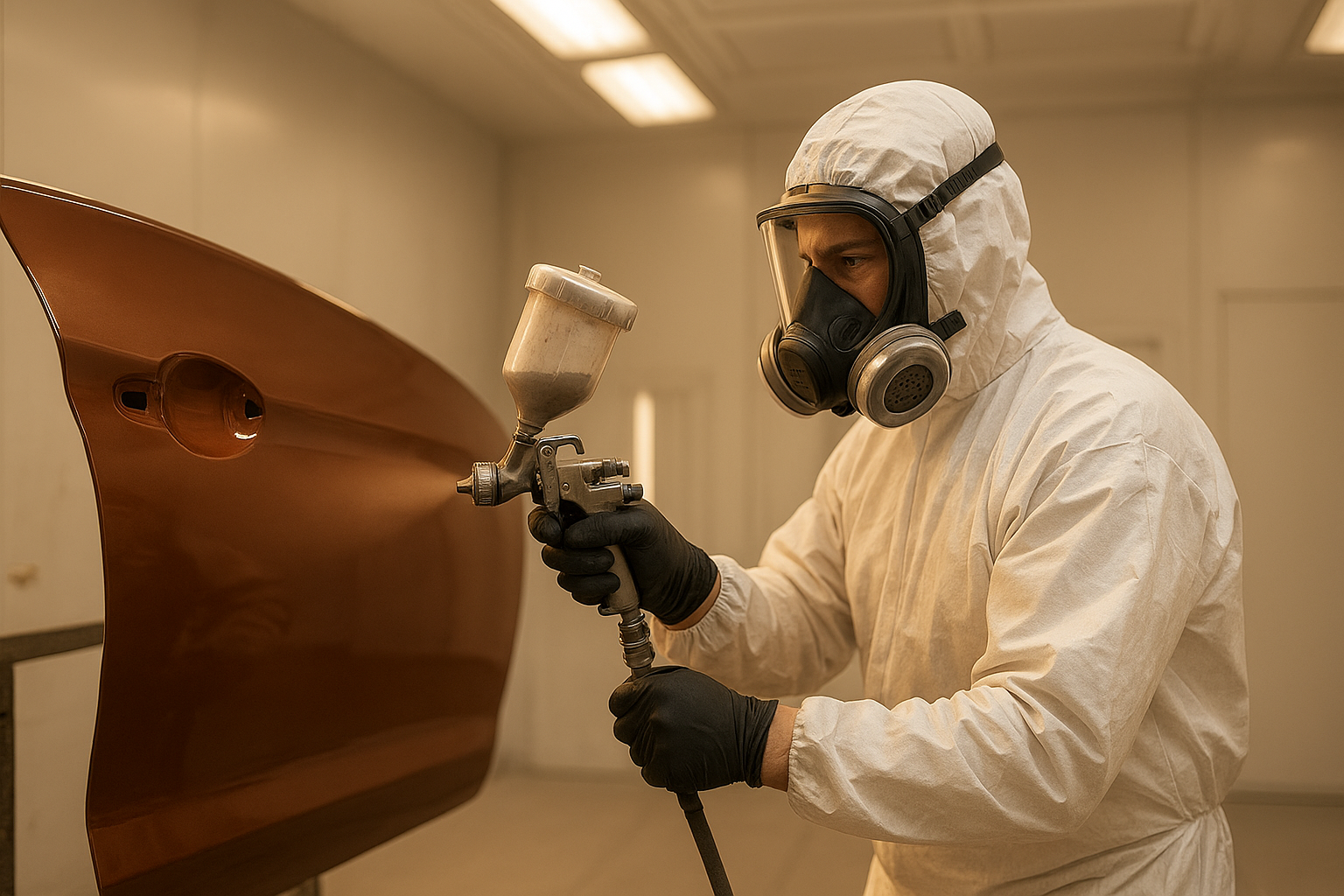
Careful color matching is central to quality Brea paint restoration work.
What Is Brea Paint Restoration?
Brea paint restoration is the repair and refinishing process that returns a vehicle’s exterior coating to its original, pre-damage condition. Specifically, it targets scratches, chips, fading, and collision damage rather than requiring a full vehicle repaint. As a result, the technique is often faster and less expensive than repainting an entire car.
According to Wikipedia’s overview of automotive paint, modern vehicle finishes consist of multiple layers, including primer, base coat, and clear coat, each serving a distinct protective and cosmetic function. Consequently, restoring paint correctly means matching every layer, not just the visible color.
Why Auto Paint Restoration Matters for Your Vehicle’s Value
Auto paint restoration matters because a vehicle’s finish directly affects its resale value and curb appeal. In fact, uneven color or visible repair lines can lower a car’s appraised value even when the underlying bodywork is sound. Therefore, many owners treat paint quality as a top priority during any repair.
Furthermore, restored paint protects the metal beneath it from corrosion. Without a sealed clear coat, exposed panels can develop rust within months, particularly after Southern California’s occasional wet winters. In addition, a properly restored finish helps maintain the manufacturer’s original warranty terms on rust protection when documented by a certified shop.
Common Causes of Vehicle Paint Damage in Orange County
Several everyday factors contribute to paint damage in this region. Understanding them helps drivers decide when restoration is necessary.
- Minor collisions and parking lot dings
- Sun exposure and UV fading over time
- Rock chips from freeway driving
- Bird droppings and tree sap left untreated
- Prior repairs done with mismatched paint
Notably, the EPA’s automotive refinishing industry overview highlights how proper coating application also reduces environmental impact by minimizing overspray and volatile emissions. Choosing a shop that follows these standards benefits both your vehicle and the surrounding environment.
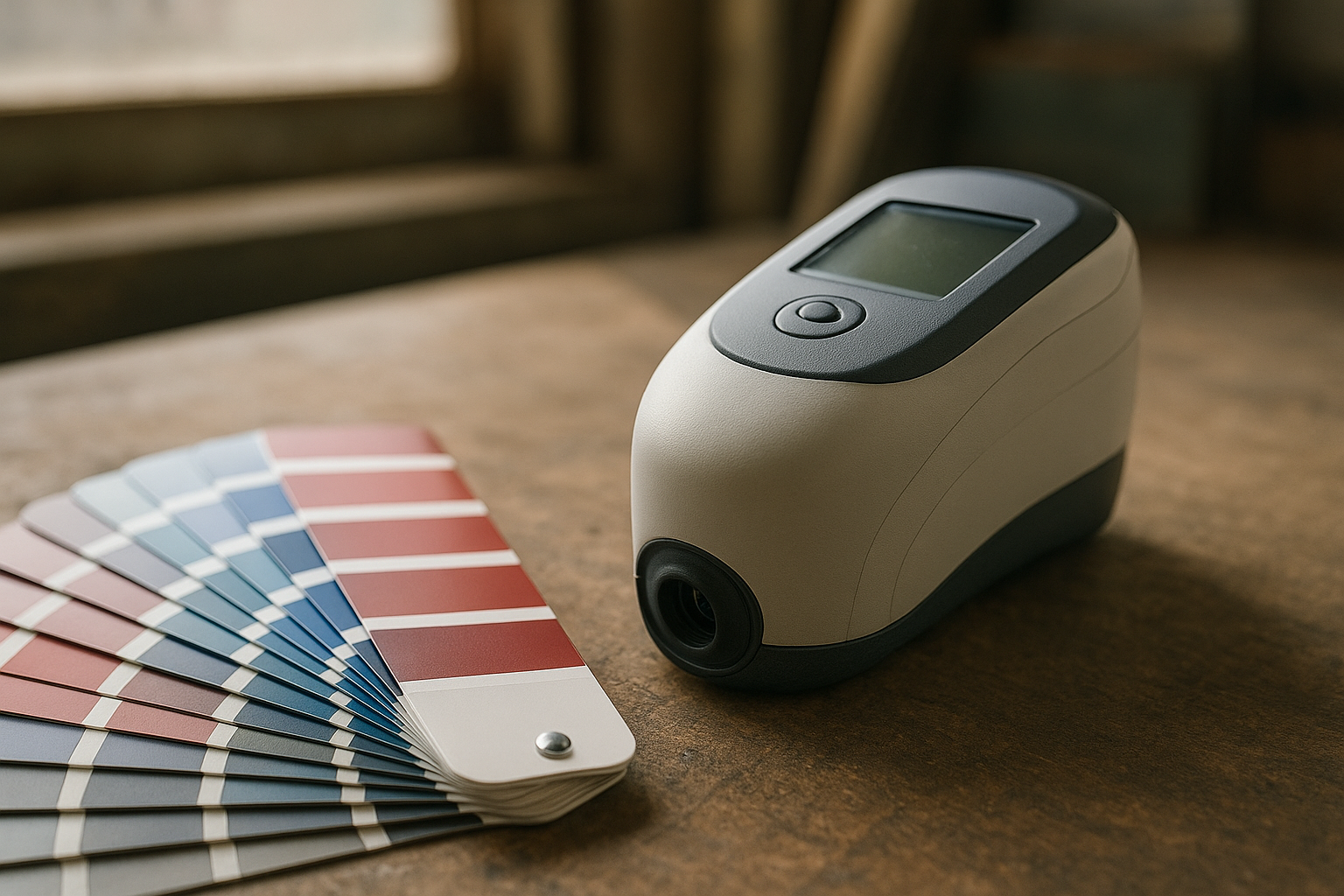
Precise color-matching tools help technicians achieve an invisible repair.
The Step-by-Step Paint Repair Process
While every vehicle is different, most reputable shops follow a consistent sequence to achieve reliable, long-lasting results. Below is the typical process:
- Assess and document the damage: Technicians inspect the panel, photograph it, and record the factory paint code for accurate matching.
- Prep and sand the surface: The area is cleaned, sanded, and treated for rust so new coatings adhere properly.
- Apply primer and match paint color: A sealing primer goes down first, followed by a precisely mixed base coat.
- Apply base coat and clear coat: Even layers of color and a protective clear coat are sprayed to guard against UV rays and abrasion.
- Cure, polish, and final inspection: The panel cures, gets buffed to blend with surrounding areas, and undergoes a final quality check.
For a deeper look at each stage, this complete guide to high-quality paint repair in Brea breaks down materials and timing in more detail.
How to Choose the Right Paint Restoration Shop in Brea
Selecting the right shop makes a measurable difference in the final result. Above all, look for technicians with recognized training, such as certification from the I-CAR collision repair education program, which sets industry benchmarks for repair quality.
In addition, ask whether the shop offers a written warranty on paint work and whether they use manufacturer-approved paint codes rather than generic mixes. Similarly, request before-and-after photos of previous jobs on similar vehicle makes. This resource on expert auto body care for vehicle paint restoration outlines specific questions to ask before booking an estimate.
Finally, transparency matters. A trustworthy shop should explain each repair step, provide a clear cost breakdown, and communicate realistic timelines rather than rushing the curing process to finish faster.
What Does Professional Paint Restoration Cost?
Cost varies widely depending on panel size, paint type, and damage severity. As a general reference point, small touch-up repairs often start around $300, while multi-panel restoration with blending can run $2,500 or more.
| Repair Type | Typical Cost Range |
|---|---|
| Small chip or scratch touch-up | $300–$600 |
| Single panel restoration | $600–$1,200 |
| Multi-panel blending | $1,200–$2,500+ |
Notably, industry data compiled by ASE-certified repair standards suggests that labor, not materials, typically accounts for the largest share of restoration costs. Therefore, shops with efficient, well-trained teams can often complete quality work without inflating the price. For a full breakdown of pricing factors, see this comprehensive car restoration guide for Brea drivers.
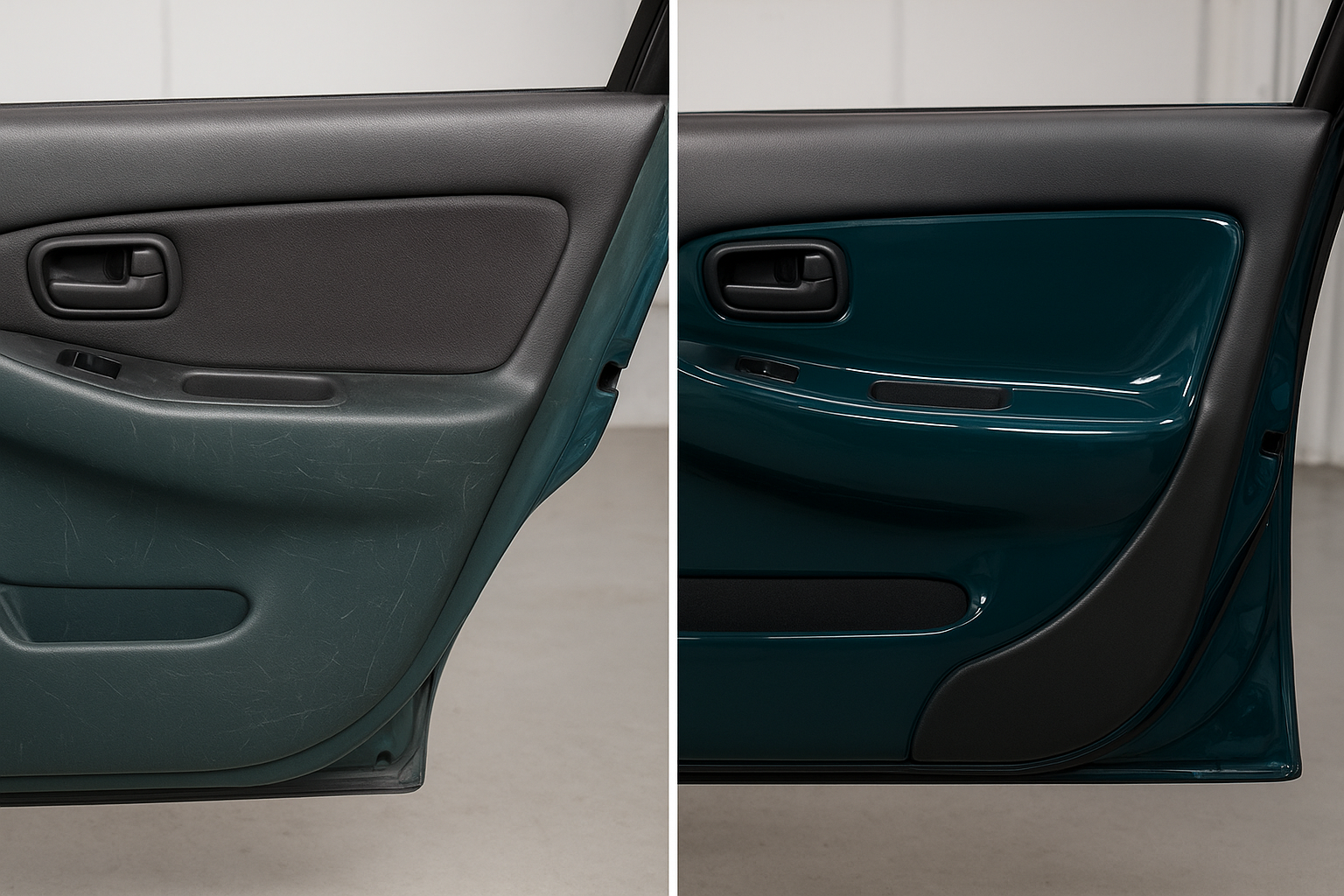
A properly executed repair should leave no visible trace of the original damage.
Getting Started With a Local Auto Body Shop
If your vehicle needs attention, a local visit is often the fastest way to get an accurate estimate. Technicians can inspect the damage in person, check for hidden issues beneath the surface, and explain your options clearly. You can review services directly through this car paint repair overview or explore available paint repair services to compare what’s included.
For general information about the shop’s full range of collision and restoration work, visit breaautobody.com to review services and request a consultation.
Frequently Asked Questions About Brea Paint Restoration
What is Brea paint restoration?
Brea paint restoration is the process of repairing, color-matching, and refinishing a vehicle’s exterior paint to bring it back to its original, pre-damage appearance. It typically involves sanding, priming, applying base coat, and sealing with clear coat.
How long does Brea paint restoration take?
Most single-panel jobs take two to four days, while multi-panel or full-vehicle work can take one to two weeks. Timelines depend on damage severity, parts availability, and curing requirements.
How much does paint restoration cost in Brea?
Costs generally range from $300 for a small touch-up to $2,500 or more for multi-panel restoration with color blending. Final pricing depends on paint type, panel size, and labor involved.
What’s the difference between paint restoration and a full repaint?
Paint restoration targets specific damaged areas and blends them into surrounding panels, while a full repaint recoats the entire vehicle. Restoration is usually faster and more cost-effective when damage is localized.
Can paint restoration fix scratches and chips?
Yes, minor scratches and chips can often be fixed through sanding, spot priming, and blended repainting. Deeper scratches that reach the metal may require additional rust prevention first.
Why does paint color matching matter?
Accurate color matching prevents visible seams between old and new paint, which can otherwise lower a vehicle’s resale value. Shops use spectrophotometers and manufacturer codes to achieve a seamless finish.
What common mistakes should I avoid when choosing a paint shop?
Avoid shops that skip written estimates, use unverified paint codes, or rush the curing process. Also be cautious of facilities without certified technicians or a documented warranty policy.
Will insurance cover Brea paint restoration?
Insurance typically covers paint restoration when damage results from a covered incident, such as a collision or weather event. Cosmetic wear from age or neglect is usually not covered.
How can I maintain my paint after restoration?
Wash the vehicle regularly, avoid abrasive brushes, and apply wax or sealant every few months to protect the new finish. Parking in shade also reduces UV-related fading over time.
What certifications should a paint restoration shop have?
Look for I-CAR Gold Class training and ASE-certified technicians, which indicate ongoing education in current repair standards. These credentials suggest the shop follows manufacturer-approved procedures.
Can foreign and domestic vehicles both be restored?
Yes, most professional shops handle both foreign and domestic makes using manufacturer-specific paint codes and repair techniques. Confirm the shop has experience with your particular vehicle brand.
How do I know if my vehicle needs paint restoration versus a touch-up?
If damage is limited to a small chip or scratch, a touch-up pen may suffice. However, larger areas, exposed metal, or mismatched color usually call for professional paint restoration.
In summary, Brea paint restoration combines careful preparation, precise color matching, and protective coating to bring a damaged vehicle back to its original appearance. Because the process protects both resale value and structural integrity, choosing an experienced, certified shop matters just as much as the repair itself. Whether you’re dealing with a small chip or extensive collision damage, working with a trusted local team ensures your vehicle looks and performs its best long after the repair is complete.

