

Brea vehicle insurance claims can feel overwhelming right after a collision, especially when you’re juggling medical concerns, police reports, and a damaged car all at once. However, understanding the claims process ahead of time helps you avoid costly mistakes and get your vehicle repaired faster. This guide walks through exactly what happens during Brea vehicle insurance claims, from the moment you file until your car rolls out of the repair shop looking like new.
In addition to the paperwork, choosing the right repair partner matters just as much as choosing the right coverage. Therefore, this article covers the full process, common pitfalls, and how a certified local shop can make the experience far less stressful.
What Are Brea Vehicle Insurance Claims?
Brea vehicle insurance claims are formal requests submitted to an auto insurer, asking them to cover the cost of repairing vehicle damage. Specifically, insurers evaluate the claim, inspect the vehicle, and then either issue a direct payment or approve repairs through a trusted body shop. In Brea, most claims fall into one of three categories: collision, comprehensive, or liability, depending on how the damage occurred.
For example, a collision claim covers damage from hitting another vehicle or object, while a comprehensive claim covers non-collision events like hail, theft, or falling debris. Liability claims, on the other hand, apply when another driver’s insurance is responsible for covering your repair costs. As a result, knowing which type applies to your situation helps you understand what documentation you’ll need.
How the Vehicle Insurance Claims Process Works in Brea
According to the Insurance Information Institute, the average cost per liability claim for vehicle damage was over $4,700 in recent years, underscoring why insurers scrutinize each claim carefully. Once you report an accident, an adjuster is typically assigned within one to three business days to review your case.
Similarly, the California Department of Insurance requires insurers to acknowledge claims promptly and act in good faith when processing them. If you want a deeper walkthrough of what to do immediately after a crash, this step-by-step guide on handling accidents in Brea covers the early moments in detail.
Step-by-Step: Filing a Vehicle Insurance Claim After an Accident
Below is the typical sequence for filing and completing an auto insurance claim in Brea:
- Document the scene and gather evidence by photographing all damage, the accident location, and license plates before leaving the site.
- Contact your insurance company promptly, ideally within 24 to 48 hours, to report the incident and receive a claim number.
- Choose a certified repair shop that specializes in collision repair rather than defaulting to the first option offered.
- Get a written estimate and schedule an inspection so the adjuster can verify the scope of damage in person.
- Approve repairs and monitor progress by requesting regular updates from the shop throughout the repair timeline.
- Complete a final walkthrough and confirm payment details with your insurer before considering the claim closed.
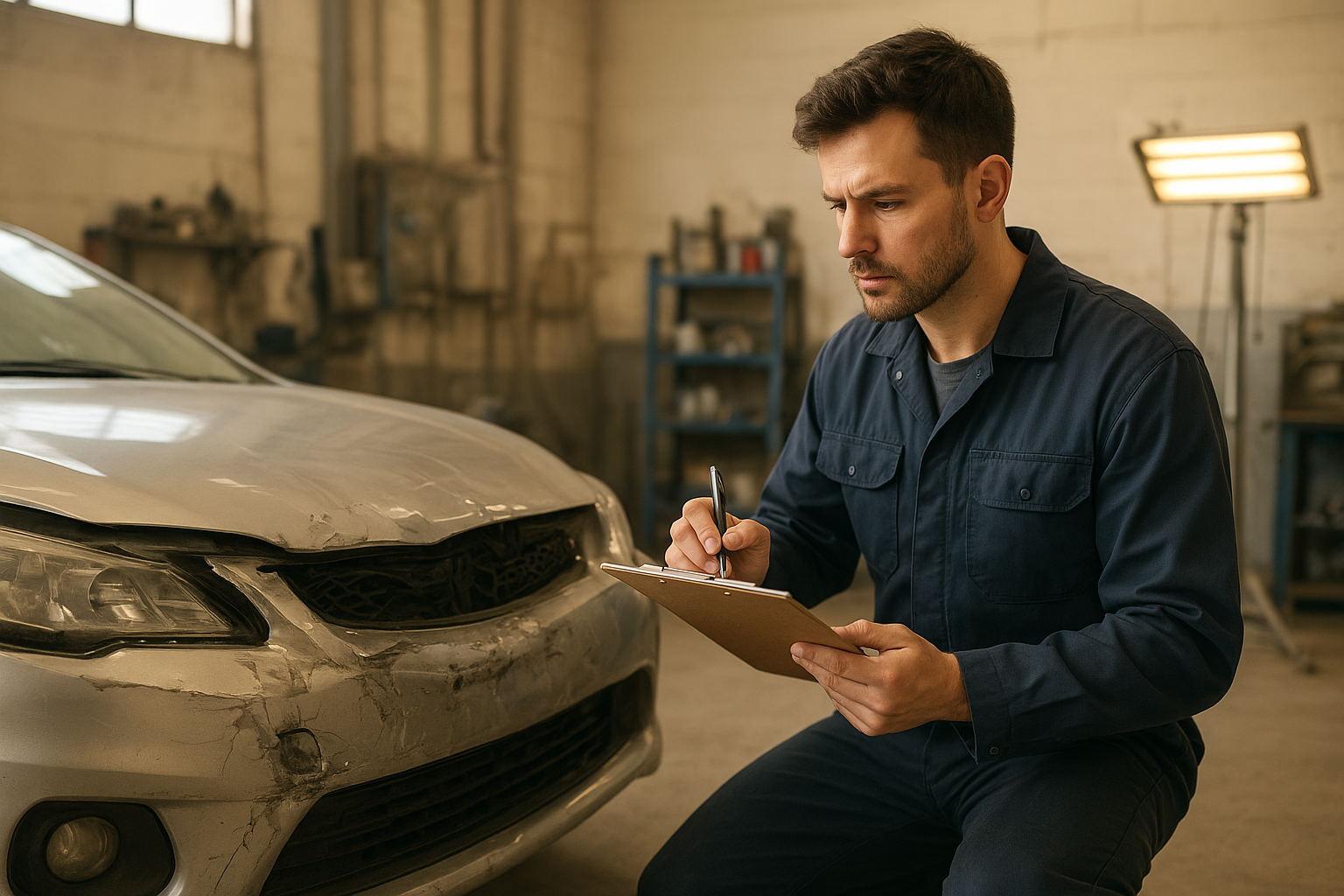
Careful documentation early in the process supports smoother Brea vehicle insurance claims later on.
Common Mistakes That Delay Auto Insurance Claims in Brea
Even with good intentions, drivers often slow down their own claims without realizing it. In particular, these mistakes tend to cause the most delays:
- Waiting too long to report the accident, which can raise questions about the incident’s timeline.
- Skipping photo documentation of the damage and accident scene.
- Accepting the first repair estimate without confirming it covers hidden structural damage.
- Failing to keep copies of communication with adjusters and repair shops.
Consequently, staying organized from day one shortens the overall timeline significantly. For a more complete breakdown of these pitfalls, the complete guide to auto repair insurance claims in Brea offers additional context on avoiding common errors.
Working With an Insurance-Approved Auto Body Shop
Many insurers maintain a direct repair program, or DRP, which is a partnership between the insurer and select body shops. In practice, this arrangement can speed up estimating and payment because both parties already share communication systems. That said, California law protects your right to choose any licensed repair shop, so you are never locked into an insurer’s preferred network.
For instance, a shop experienced in vehicle insurance negotiations will communicate directly with your adjuster, reducing the back-and-forth you’d otherwise handle yourself. If you’re unsure whether a shop manages towing, rentals, or claim paperwork on your behalf, it’s worth asking directly, since this overview of claim, towing, and rental management explains what full-service support typically looks like.
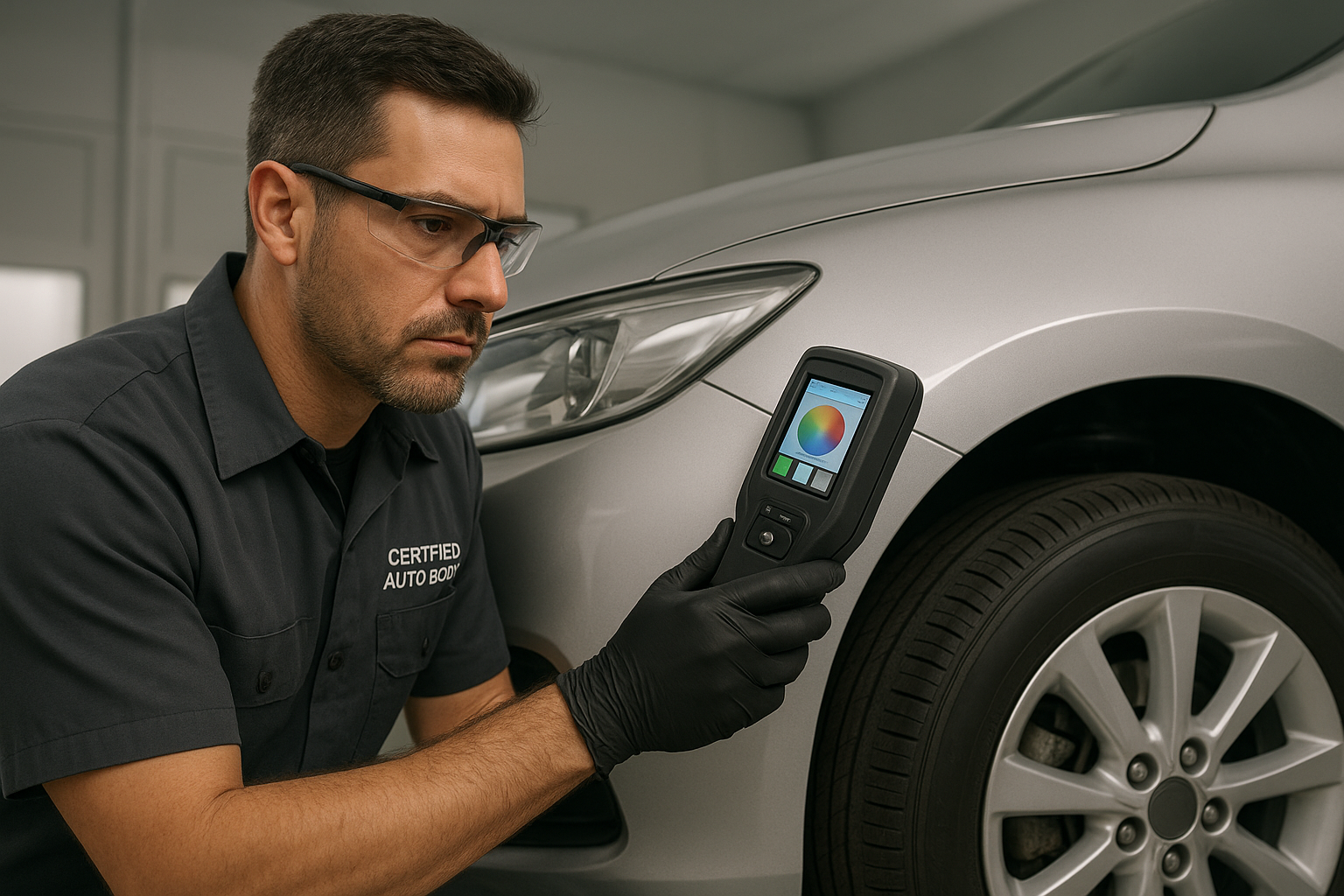
Precision paint matching helps ensure repairs blend seamlessly after Brea vehicle insurance claims are approved.
Tips for a Smooth Brea Vehicle Insurance Claims Experience
Above all, transparency between you, your insurer, and your repair shop makes the biggest difference in claim outcomes. Breaautobody.com, based in Brea, California, works with individual owners, insurance clients, and fleet customers, using certified technicians for collision repair, dent removal, and paint matching. Their team communicates directly with adjusters, which helps reduce the paperwork burden on vehicle owners during an already stressful time.
Furthermore, keeping a simple folder, physical or digital, with your claim number, estimate, and photos makes it easier to answer questions if the insurer requests clarification. Similarly, asking your shop for repair updates every few days keeps everyone accountable. You can review more claim-related answers on the general FAQ page or the secondary FAQ resource for specific scenarios not covered here.
What Happens if the Claim Is Disputed?
A claim is disputed when the insurer disagrees with the repair scope, cost, or fault determination presented by the shop or the driver. In that case, you typically have the right to request a supplemental inspection or a second opinion from another certified shop. If the dispute continues, the California Department of Insurance allows consumers to file a formal complaint against the insurer.
Nevertheless, most disputes resolve once additional documentation, such as photos of hidden structural damage, is provided. Consequently, working with a shop that understands how to present supplemental estimates clearly can prevent lengthy back-and-forth negotiations. You can learn more about this process directly through Brea Auto Body, which handles claim communication as part of its repair service.

Clear communication between adjusters and repair shops keeps insurance claims moving without unnecessary delays.
Frequently Asked Questions About Brea Vehicle Insurance Claims
What are Brea vehicle insurance claims?
Brea vehicle insurance claims are formal requests filed with an insurer to pay for vehicle damage after a collision, weather event, theft, or other covered incident. The insurer reviews the claim, inspects the vehicle, and approves payment or repair authorization.
How do I file Brea vehicle insurance claims after an accident?
You file a claim by contacting your insurer or the at-fault driver’s insurer, providing your policy number, photos, and a description of the incident. Most insurers accept claims by phone, app, or online portal within minutes.
Why should I choose a certified body shop for my insurance claim?
Certified shops use manufacturer-approved parts and techniques, which protects your vehicle’s warranty and resale value. They also communicate directly with adjusters, reducing paperwork and delays on your end.
What’s the difference between filing through my insurer versus the at-fault driver’s insurer?
Filing through your own insurer, known as a first-party claim, is usually faster since you have a direct contractual relationship. Filing against the at-fault driver’s insurer, a third-party claim, can take longer because liability must be established first.
Will filing a claim raise my insurance rates?
It depends on fault and your insurer’s policies; at-fault claims are more likely to raise premiums than not-at-fault claims. Some insurers offer accident forgiveness programs that prevent a single claim from increasing rates.
How long do Brea vehicle insurance claims typically take to process?
Most straightforward claims are resolved within one to two weeks, while complex or disputed claims can take several weeks longer. Timelines depend on adjuster availability, parts sourcing, and repair complexity.
What common mistakes delay insurance claim repairs?
Common mistakes include delaying the initial report, skipping photo documentation, and accepting the first estimate without an inspection. These errors often add days or weeks to the repair timeline.
Should I get multiple repair estimates before approving work?
Getting a second estimate is a smart practice, especially if the first quote seems inconsistent with visible damage. However, most insurers only require one estimate if you choose a shop within their direct repair network.
What is a direct repair program (DRP)?
A direct repair program is an agreement between an insurer and a body shop that streamlines estimating and payment. Repairs under a DRP often move faster because the shop and insurer already share communication systems.
Do I have to use my insurer’s preferred shop?
No, California law gives you the right to choose any licensed repair shop for your vehicle. You are never required to use an insurer’s preferred network, though estimates may need to align.
What if I don’t have collision coverage?
Without collision coverage, you generally cannot claim damage from a single-vehicle accident against your own policy. You may still recover costs through the at-fault driver’s liability insurance if another party caused the damage.
Will my car look the same after the repair?
A qualified shop uses precision paint matching and factory-spec techniques so the repair is virtually undetectable. Reputable shops also perform a final quality inspection before returning the vehicle.
What documents do I need to file a claim?
You typically need your policy number, driver’s license, photos of the damage, a police report if applicable, and contact information for other parties involved. Having these ready speeds up the entire claims process.
Final Thoughts on Brea Vehicle Insurance Claims
In summary, Brea vehicle insurance claims don’t have to be confusing once you understand the sequence of reporting, documenting, and repairing. Above all, thorough documentation and a certified repair shop make the biggest difference in how quickly your claim moves forward. Therefore, take the time to photograph damage, report promptly, and ask questions before approving any repair work.
Finally, if you’re currently navigating a claim or preparing for one, reviewing detailed resources like the complete auto repair insurance claims guide can help you feel more prepared. With the right support and a clear process, Brea vehicle insurance claims become far less stressful, and your vehicle gets back on the road looking and driving like it should.

