

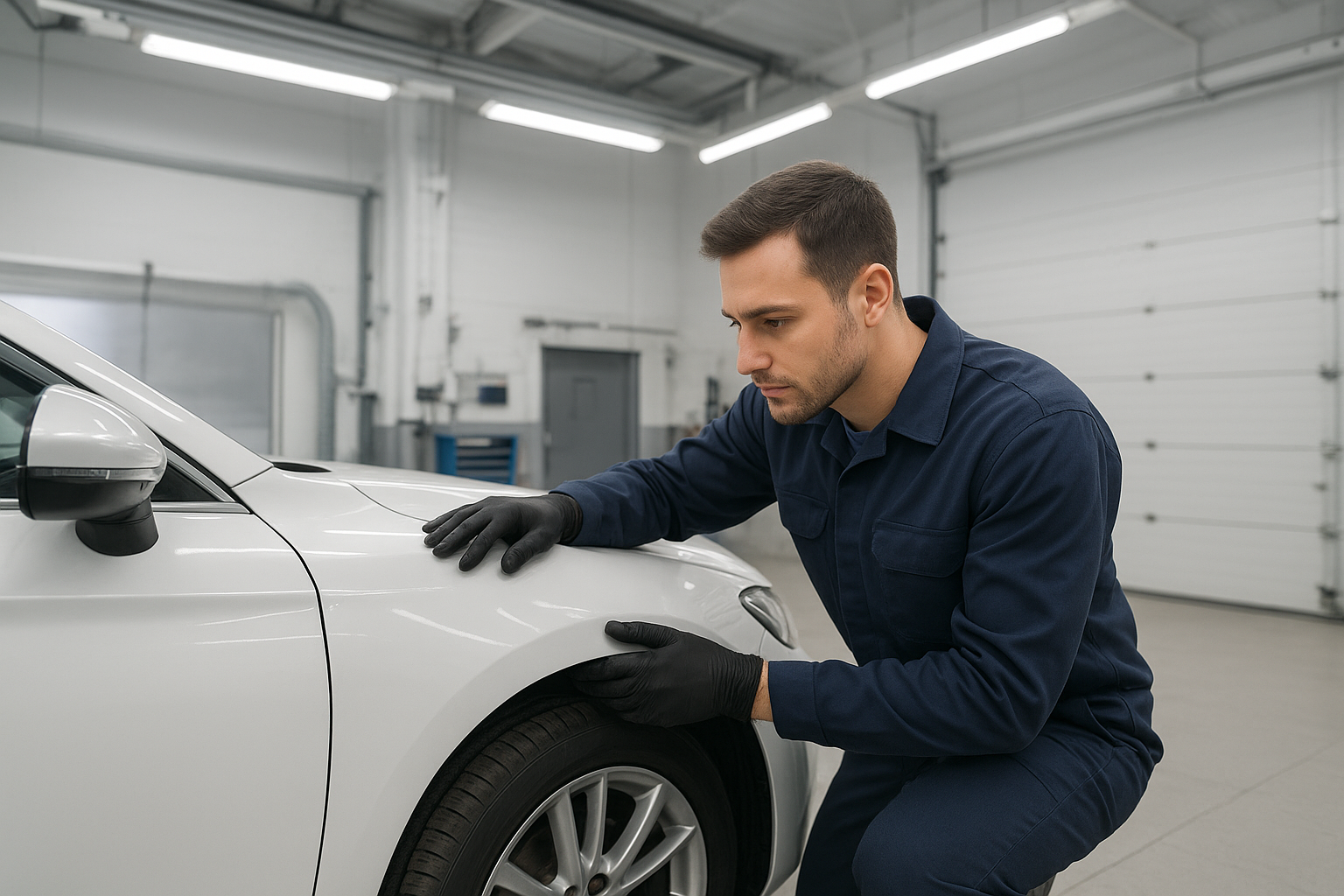
Finding a certified collision center Brea drivers can rely on makes a real difference after an accident. Because collision damage affects both safety and resale value, choosing a shop with proper credentials matters just as much as choosing the right price. This guide walks through what certification means, why it matters, and how a trusted Brea auto body facility handles repairs from start to finish.
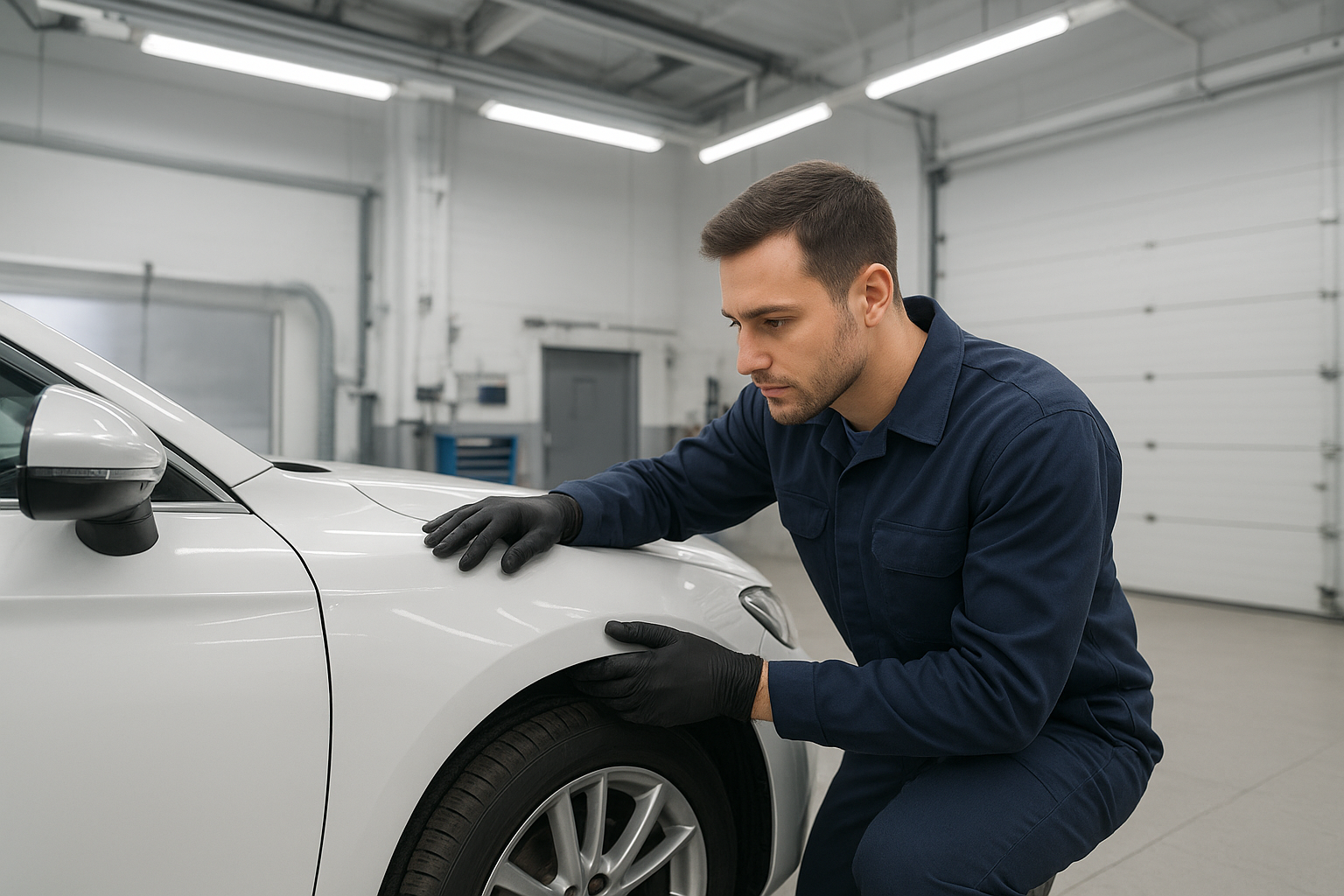
A technician inspects fender damage inside a certified collision repair bay in Brea.
What Is a Certified Collision Center?
A certified collision center is an auto body shop where technicians hold recognized industry credentials, such as I-CAR or ASE certification, and follow manufacturer-approved repair procedures. In short, certification confirms the shop meets specific training and equipment standards rather than relying on guesswork.
These standards exist because modern vehicles rely on advanced safety systems, high-strength steel, and sensor-based technology. As a result, a technician without updated training could unintentionally compromise a vehicle’s crash performance. Organizations such as I-CAR and ASE set the benchmarks that certified shops must meet through continuing education and hands-on testing.
Furthermore, certification often extends to specific vehicle brands. For example, a shop might hold certification for Honda, Toyota, or Ford repair procedures, which matters since each manufacturer specifies unique welding, adhesive, and calibration requirements for its models.
Why Choose a Certified Auto Body Shop in Brea
Choosing a certified auto body shop in Brea offers more than peace of mind; it directly affects the quality and safety of your repair. Specifically, certified technicians use manufacturer-specified tools and repair methods, which helps preserve the vehicle’s original safety ratings.
In addition, certified shops typically carry updated equipment for frame straightening, computerized paint matching, and sensor recalibration. Because advanced driver-assistance systems like lane departure warnings depend on precise calibration, an uncertified repair could leave these systems malfunctioning without any visible sign of a problem.
According to the National Highway Traffic Safety Administration, improperly repaired vehicles are statistically linked to higher rates of secondary safety failures after a collision. This makes certification a meaningful safeguard rather than just a marketing label.
For readers researching options nearby, this detailed guide to certified collision repair in Brea outlines additional criteria worth checking before choosing a shop.
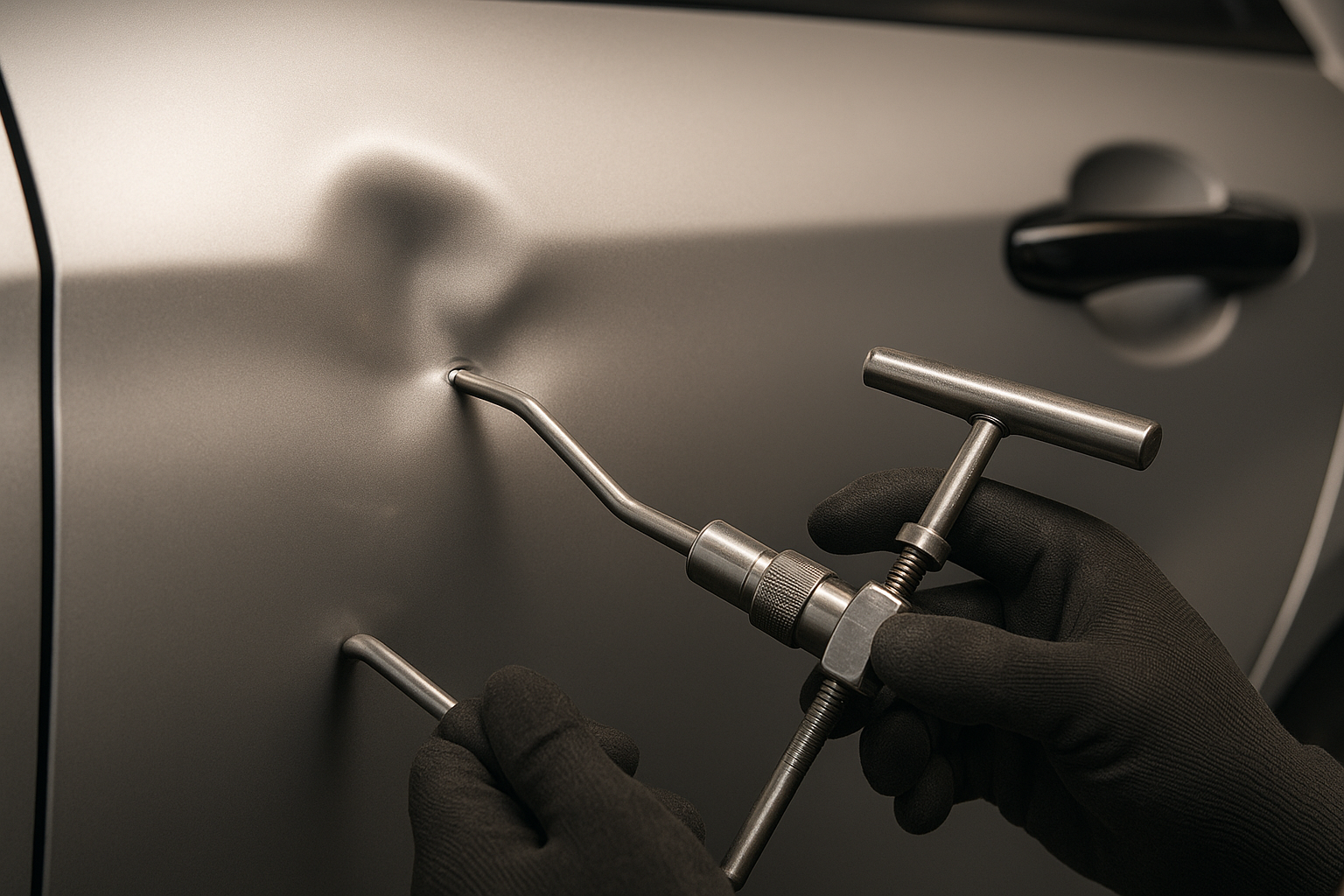
Precision dent removal restores body panels without disturbing the factory finish.
Services Offered by a Certified Collision Center Brea Drivers Trust
A full-service certified collision center Brea residents trust typically covers everything from minor cosmetic fixes to major structural rebuilds. Common services include precision dent removal, advanced paint matching, frame straightening, and bumper repair or replacement.
Similarly, many shops handle both insurance-covered repairs and out-of-pocket work for fleet vehicles, rental cars, and personal vehicles. Because fleet customers often need faster turnaround, some centers offer priority scheduling for business accounts.
Paint matching deserves particular attention. Modern vehicles use multi-layer, computer-formulated colors, so an experienced shop relies on spectrophotometer technology to match the exact factory shade before blending it seamlessly across adjacent panels.
For vehicle owners exploring nearby alternatives, this comparison of top-rated collision repair shops in Orange County provides useful context on regional service quality.
How the Collision Repair Process Works
Understanding the repair process helps set realistic expectations for timeline and cost. Below is the typical sequence a certified shop follows from drop-off to pickup.
- Schedule an inspection. A technician visually assesses dents, frame alignment, and paint condition to identify the full scope of damage.
- Receive a detailed estimate. The shop provides an itemized written estimate covering parts, labor, and materials before any work begins.
- Coordinate with your insurer. The estimate is shared with your insurance provider to confirm coverage and avoid billing surprises.
- Approve repairs and drop off the vehicle. Once you sign off, the vehicle is dropped off along with your license, insurance card, and claim paperwork.
- Undergo a final quality inspection. After repairs, the shop performs a road test and quality check before returning the vehicle in pre-accident condition.
Notably, this workflow rarely changes even for complex jobs; only the time spent on each step increases based on damage severity.
Signs You Need Professional Collision Repair
Not all vehicle damage is obvious at first glance. Consequently, drivers should watch for a few warning signs that indicate professional attention is needed rather than a DIY fix.
For instance, uneven panel gaps, a door that no longer closes flush, or a steering wheel that pulls slightly to one side can all signal underlying frame damage. Likewise, dashboard warning lights that appear after even a minor fender bump often point to sensor misalignment.
Above all, it is worth remembering that cosmetic damage can mask structural issues. Therefore, a proper inspection at a certified facility remains the safest way to confirm whether repairs are purely cosmetic or more involved.
Readers weighing their options can review this complete guide to finding reliable collision repair in Brea for a broader checklist of red flags and quality indicators.
Certified Collision Center Brea: Insurance and Fleet Support
Insurance coordination is often the most confusing part of collision repair. A reputable certified collision center Brea drivers depend on typically communicates directly with insurance adjusters, which reduces back-and-forth paperwork for the vehicle owner.
Meanwhile, fleet customers benefit from consistent documentation and predictable turnaround times, since repeated repairs on multiple vehicles require organized scheduling and standardized quality checks. In particular, fleet managers often value shops that provide status updates throughout the repair timeline.
Individual owners, on the other hand, tend to prioritize transparency and warranty coverage. As a result, many shops now offer lifetime workmanship warranties, which apply for as long as the original owner keeps the vehicle.
For a broader look at how local drivers evaluate their options, this resource on who offers the best collision repair in Brea, California compares service quality across several criteria.
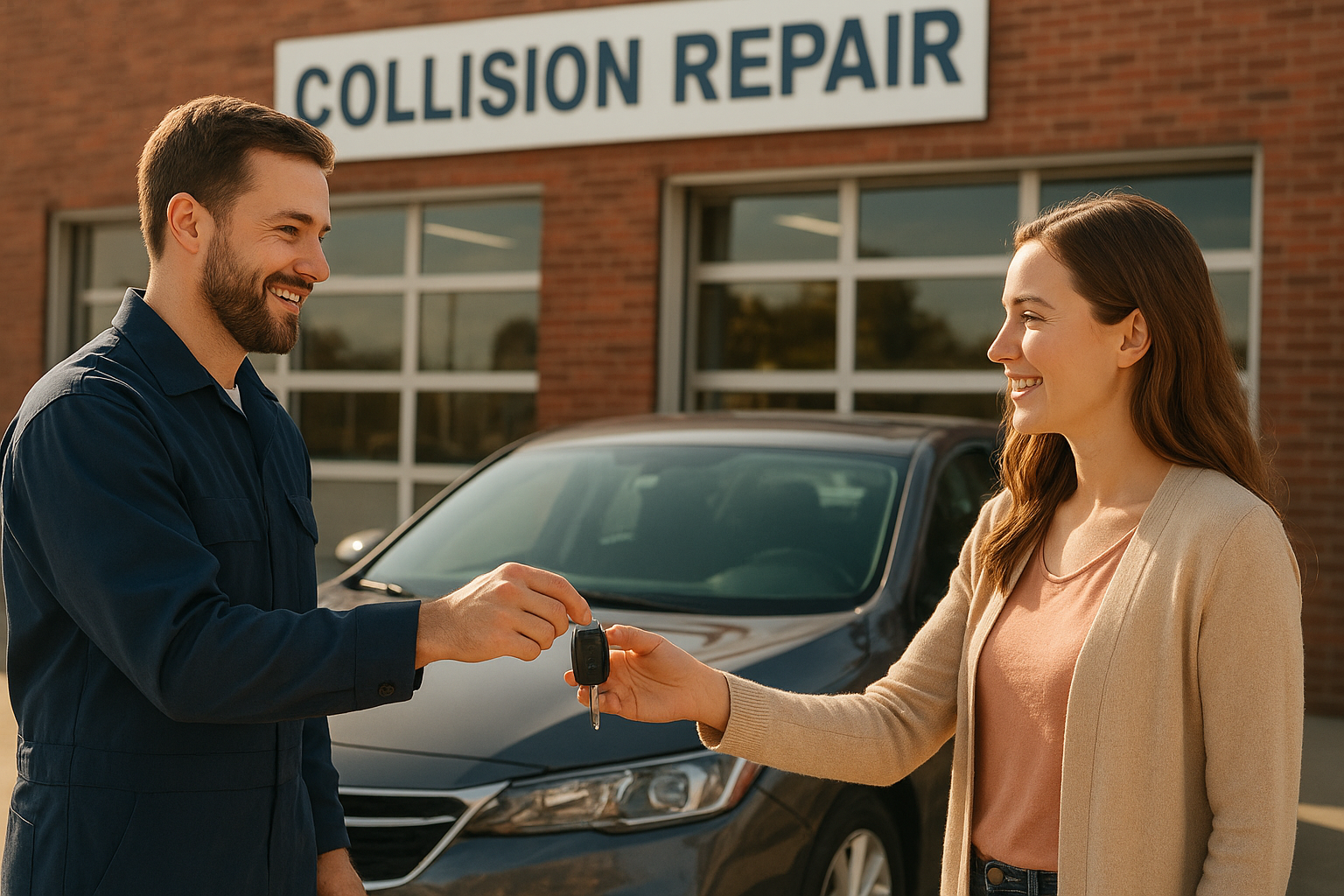
A satisfied customer picks up their vehicle after certified collision repair work.
Choosing the Right Auto Body Repair Partner
Selecting the right shop involves more than comparing price quotes. In fact, transparency, communication, and certification status matter just as much as the final estimate.
Specifically, ask about warranty terms, parts sourcing (OEM versus aftermarket), and whether the shop handles insurance direct-repair programs. Additionally, check whether technicians hold current I-CAR or ASE credentials, since certifications require periodic renewal to stay valid.
According to industry data compiled by Wikipedia’s overview of automobile repair shops, certified facilities consistently report higher customer satisfaction rates than uncertified competitors, largely due to standardized training and equipment.
Drivers researching their next steps can also review this practical guide on how to find the best repair service for your car in Brea or visit breaautobody.com directly to request a free estimate.
Frequently Asked Questions
What is a certified collision center Brea drivers can trust?
A certified collision center Brea drivers can trust is a repair facility staffed by technicians holding credentials such as I-CAR or ASE certification. These shops follow manufacturer-approved repair procedures to restore vehicles to pre-accident condition.
How long does collision repair take at a certified shop?
Minor cosmetic repairs often take two to three days, while structural or frame damage can take one to two weeks. The exact timeline depends on parts availability and damage severity.
Why should I choose a certified collision center over a generic body shop?
Certified shops use manufacturer-specified equipment and techniques, which helps preserve safety ratings and resale value. In contrast, uncertified shops may use shortcuts that void warranties or compromise structural integrity.
How much does certified collision repair cost in Brea?
Costs vary widely, from a few hundred dollars for minor dent removal to several thousand for major structural work. Most certified centers provide a free, itemized estimate before starting any repair.
What certifications should a reputable collision center have?
Look for I-CAR Gold Class recognition and ASE-certified technicians, along with manufacturer-specific training for brands like Honda, Toyota, or Ford. These credentials confirm ongoing education in current repair standards.
How do I file an insurance claim for collision repair?
Contact your insurance provider to open a claim, then choose an approved repair facility or request an estimate from your preferred shop. Many certified centers coordinate directly with insurers to simplify the process.
What is the difference between OEM and aftermarket parts?
OEM parts are made by the vehicle’s original manufacturer, while aftermarket parts come from third-party companies. OEM parts typically offer a better fit and are often required to maintain warranty coverage.
What are common mistakes people make after an accident?
Common mistakes include delaying repairs, skipping a professional inspection, or accepting the first insurance estimate without a second opinion. Hidden structural damage can worsen over time if left unaddressed.
How can I tell if paint matching was done correctly?
Correct paint matching shows no visible color variation, texture mismatch, or overspray under natural light. Reputable shops use computerized color-matching systems to ensure a seamless blend with the factory finish.
Does a certified collision center work with all insurance companies?
Most certified collision centers work with all major insurance providers, though some carry direct repair program status with specific insurers. It is worth confirming your provider’s relationship with the shop beforehand.
What warranty comes with certified collision repair?
Many certified shops offer a lifetime warranty on workmanship for as long as the customer owns the vehicle. Always ask for warranty terms in writing before repairs begin.
How often should I get my vehicle inspected after minor damage?
Even minor fender damage should be inspected promptly, since hidden frame or sensor issues are not always visible. A quick inspection can prevent more costly repairs later.
Can a certified collision center handle both foreign and domestic vehicles?
Yes, most certified collision centers service both foreign and domestic makes using brand-specific repair procedures. Technicians train on multiple manufacturer platforms to maintain accuracy across vehicle types.
What should I bring when dropping off my vehicle for repair?
Bring your driver’s license, insurance information, and any claim numbers from your insurer. It also helps to have a copy of the police report if the damage resulted from a collision.
How do I know my vehicle is safe to drive after repairs?
A certified shop performs post-repair inspections and road tests to confirm structural integrity and proper sensor calibration before returning the vehicle. Always request a final quality check summary before pickup.
Final Thoughts
Choosing a certified collision center Brea drivers trust ultimately comes down to credentials, transparency, and proven results. From precision dent removal to advanced paint matching, a properly certified shop protects both the safety and value of your vehicle after an accident. Before scheduling a repair, take time to confirm technician certifications, ask about warranty coverage, and request a detailed estimate. With the right shop, drivers throughout Brea and the surrounding Orange County area can get back on the road safely and with confidence.

