

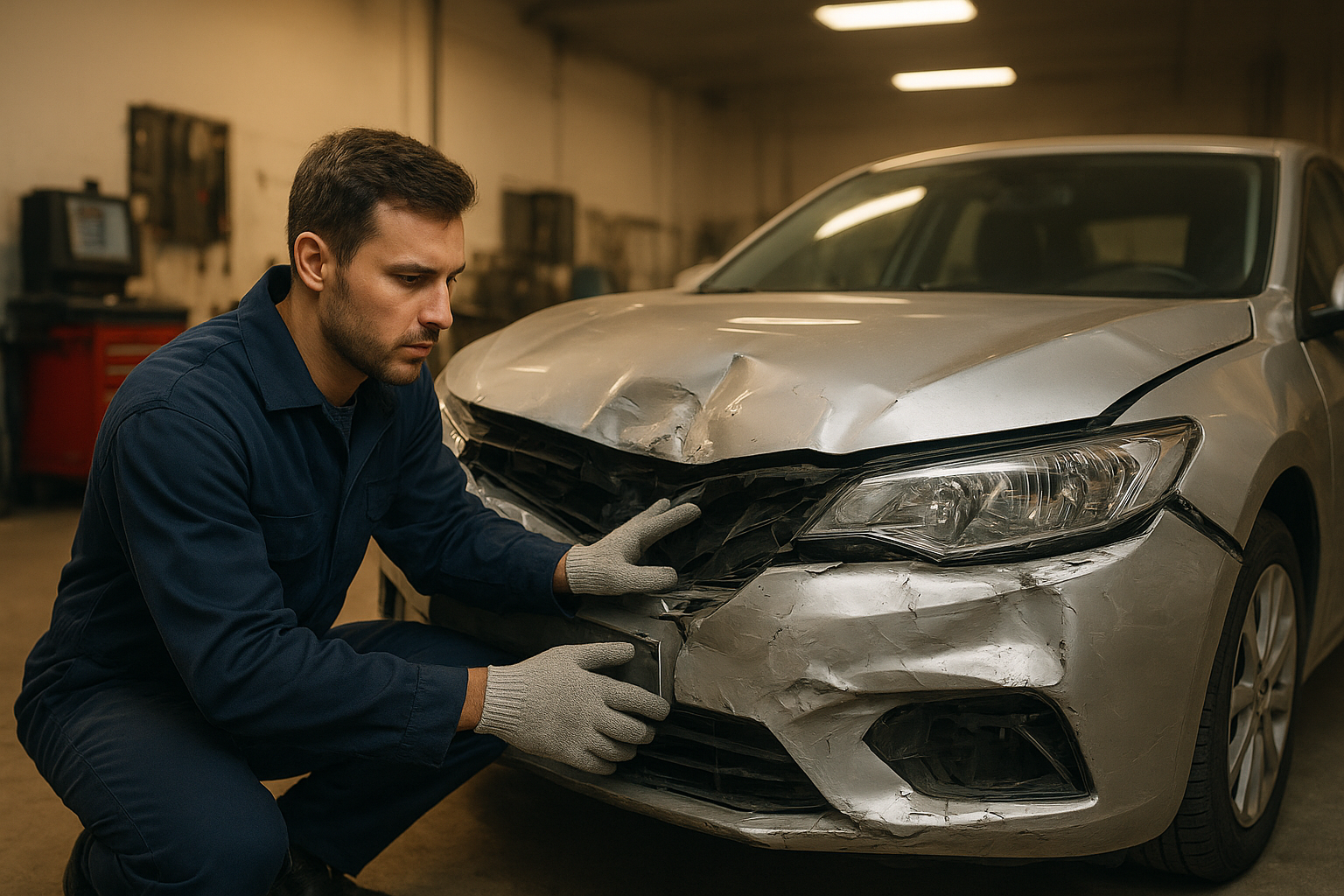
Searching for collision shops near me now usually means one thing: you need answers immediately, not in an hour. Whether you just pulled over after a fender bender or you’re planning ahead for a repair, this guide gives you everything you need to find, vet, and book a trustworthy local body shop today — faster and more confidently than any single location page could.
Below, you’ll learn exactly how to identify a certified shop, what a fair repair actually costs, how insurance and your legal rights fit together, how modern technology like ADAS calibration changes the repair process, and how to compare a local independent shop against a big national chain. In other words, everything a driver needs before handing over their keys.
What Are Collision Shops Near Me Now?
Collision shops near me now are local auto body repair facilities that specialize in fixing damage from accidents, impacts, or collisions. They handle everything from a small dent or scratched bumper to major frame straightening and full structural rebuilds. Unlike a general mechanic, a collision center focuses specifically on the cosmetic and structural integrity of a vehicle’s body — not its engine or transmission.
According to the U.S. Bureau of Labor Statistics, more than 150,000 auto body repair businesses operate across the United States. As a result, there is almost certainly a qualified shop within a short drive of wherever you’re reading this right now — the challenge isn’t availability, it’s knowing which one deserves your trust.
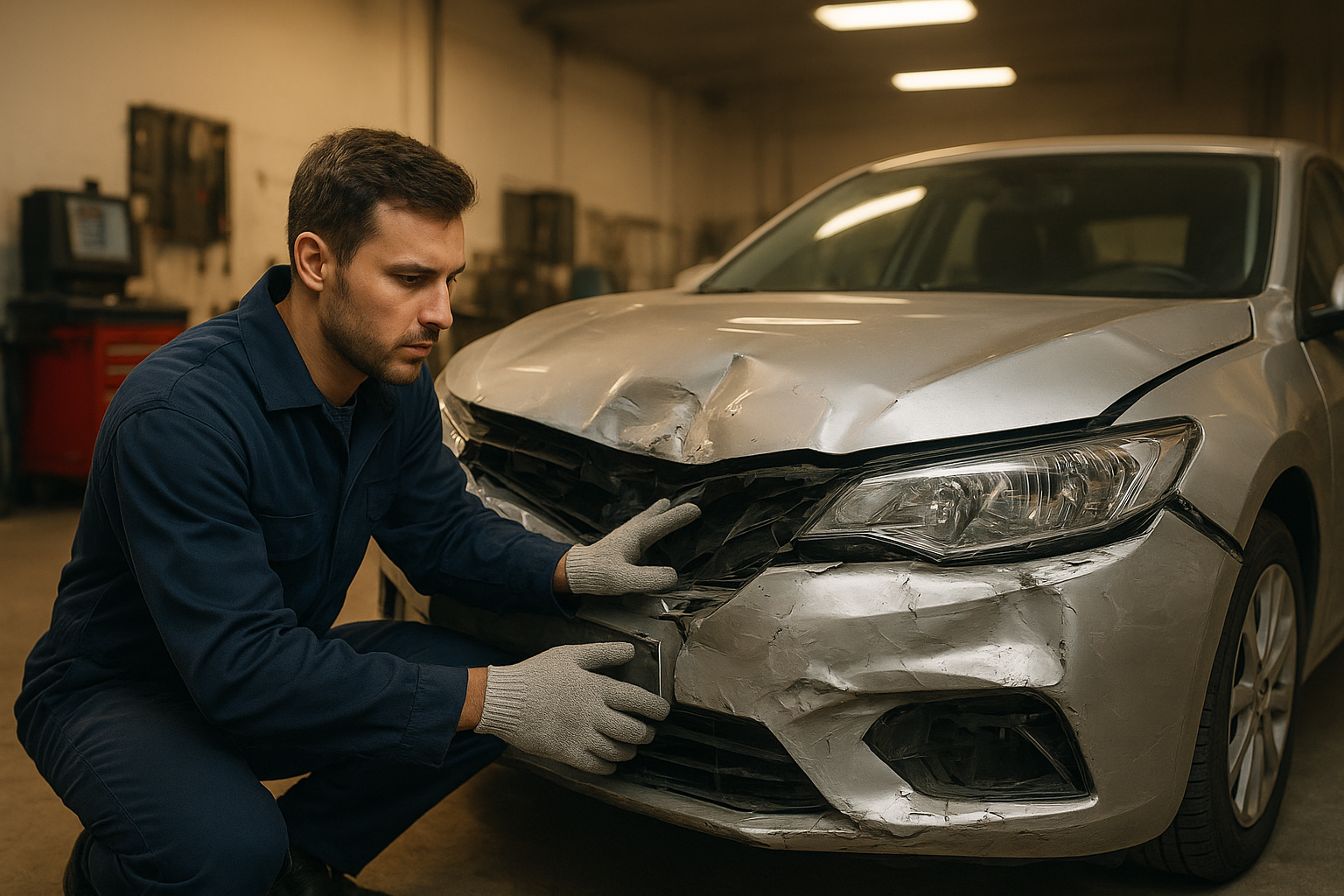
A certified technician performs a thorough damage assessment — the first step at any quality collision shop near you.
How to Find a Trusted Local Auto Body Shop Fast
When you need repairs quickly, a focused search strategy saves real time. Start by opening Google Maps and searching “collision shops near me now” — you’ll immediately see nearby facilities with star ratings, hours, and phone numbers. From there, narrow the list using the steps below rather than simply calling the first result.
Searching for Collision Repair Shops Open Right Now
If your accident just happened, add “open now” to your search filter and check listed hours before driving over. Many drivers also want to know which local shops are currently accepting walk-ins — our guide on which collision repair shops are open today in Brea breaks down exactly how to confirm same-day availability before you leave the scene.
Step-by-Step: Choosing the Right Collision Repair Shop
- Search for local collision shops. Use Google Maps or a search engine with the phrase “collision shops near me now” to pull up a geolocated list of facilities complete with ratings, hours, and contact details.
- Verify certifications and credentials. Confirm the shop holds I-CAR Gold Class or ASE certifications, which signal ongoing technician training and consistent repair quality.
- Read recent customer reviews. Browse Google, Yelp, and the Better Business Bureau for reviews that specifically mention repair quality, turnaround time, and insurance handling.
- Request written estimates from two or three shops. A detailed written estimate itemizes parts, labor, and paint costs so you can compare accurately, not just by the bottom-line total.
- Confirm warranty and insurance compatibility. Ask about written repair warranties and verify the shop can work directly with your insurer to streamline billing and paperwork.
Following these steps consistently leads to better outcomes. In fact, shops that carry I-CAR Gold Class certification have demonstrated a measurable commitment to the highest repair and safety standards in the industry.
What to Look for in a Quality Collision Repair Center
Not all auto body shops deliver the same level of quality. Therefore, knowing what separates a great shop from a mediocre one protects both your vehicle and your wallet.
First, look for certified technicians. Shops with I-CAR Gold Class status require staff to complete regular training, ensuring current knowledge of modern vehicle materials and repair techniques. Second, ask whether the shop uses OEM (original equipment manufacturer) parts or aftermarket alternatives. OEM parts are engineered specifically for your vehicle model, which generally results in a better fit and a longer-lasting repair. Additionally, for luxury or newer vehicles, ask about manufacturer-specific certifications from brands like Ford, GM, Toyota, or Tesla — these confirm the shop has invested in brand-specific tools and training.
Furthermore, a reputable shop will offer a written warranty on its work. Many top-tier facilities provide lifetime warranties on paint and bodywork. That kind of guarantee is a strong signal of confidence in their craftsmanship.
Red Flags to Avoid at Any Body Shop
Some warning signs suggest a shop may cut corners. Specifically, watch out for:
- Unusually low estimates with no written breakdown
- Pressure to skip the insurance claim process
- No visible certifications or license information
- Reluctance to provide a written warranty
- Poor or no online reviews — or a pattern of unresolved complaints
- No mention of ADAS recalibration on vehicles that require it
Consequently, taking a few extra minutes to vet a shop before handing over your keys can prevent costly problems down the road.
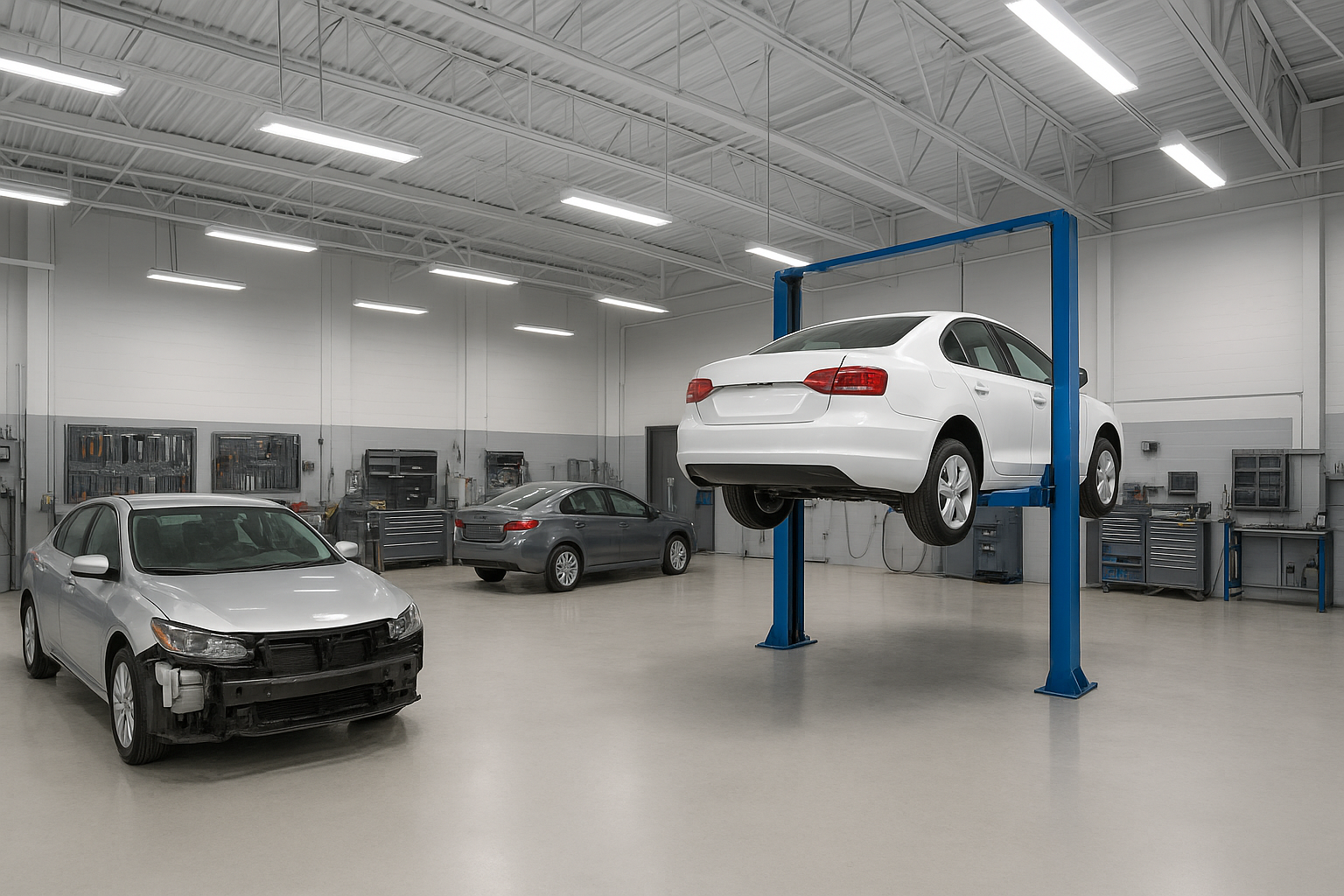
A well-organized, fully equipped shop interior is a reliable sign of professional collision repair standards.
National Chains vs. Local Independent Shops: Which Wins Near You?
Many of the results you’ll see when searching “collision shops near me now” are large national chains with dozens of locations. These chains offer convenience and standardized processes, but they are not automatically the better choice. In contrast, a well-established local shop often provides more personal attention, faster communication, and a technician who remembers your name and your car’s history.
For example, independent shops with a long-standing local reputation, such as Carreras Auto Body in Brea, CA, frequently outperform chain locations on customer satisfaction because ownership is directly accountable for every repair that leaves the lot. Above all, remember that certifications and warranties matter more than the size of the logo on the sign.
ADAS Calibration and Modern Collision Repair Technology
Most vehicles built after 2015 include Advanced Driver Assistance Systems (ADAS) — technology like lane-departure warnings, automatic braking, and adaptive cruise control that relies on cameras and radar sensors mounted in the bumper, windshield, or mirrors. When a collision damages these components, or even the panels around them, the sensors often need recalibration to work correctly again.
According to guidance from the National Highway Traffic Safety Administration, improperly calibrated safety systems can fail to perform as designed, putting drivers at risk. Therefore, always ask a prospective shop whether they perform in-house ADAS calibration or sublet it to a specialist — either answer is acceptable, but a shop that doesn’t mention it at all may be skipping a critical safety step.
Understanding Collision Repair Costs and Insurance
Cost is understandably a top concern for most drivers. Minor repairs — such as a small dent or scratched bumper — typically range from $150 to $1,500. More significant damage involving frame straightening or panel replacement can run from $2,000 to over $10,000, depending on your vehicle and the severity of the impact. If you’d like a deeper breakdown of how to balance price against quality, our guide to affordable auto body repair near me walks through exactly where it’s safe to save money and where it isn’t.
If you carry collision coverage on your auto insurance policy, your insurer will generally pay for repairs beyond your deductible. However, it’s important to contact your insurance company immediately after an accident to start the claims process and confirm your coverage limits.
Can You Choose Your Own Collision Shop?
Yes — in most U.S. states, you have the legal right to choose any licensed collision shop, regardless of your insurer’s preferred vendor list. Your insurance company may recommend a Direct Repair Program (DRP) shop, which has pre-negotiated rates with the insurer. However, you are never obligated to use that shop.
For example, if you live in Southern California and want a shop with a proven local track record, Brea Auto Body is a well-regarded option offering comprehensive collision repair services. Choosing a shop you trust — rather than defaulting to an insurer’s list — often results in better communication and higher satisfaction.
How Long Does Collision Repair Take?
Turnaround time varies widely based on damage severity and parts availability. As a general guide:
- Minor dents and scratches: 1 to 3 days
- Bumper replacement or moderate panel damage: 3 to 7 days
- Major structural or frame damage: 1 to 3 weeks or more
Furthermore, parts availability can significantly affect timelines. Specialty or imported vehicle parts sometimes take longer to source. A good shop will communicate clearly about expected timelines and update you promptly if delays occur.
Tips to Speed Up Your Repair
To minimize downtime, call ahead to confirm the shop can start work quickly. Additionally, have your insurance information and a police report, if applicable, ready before your first appointment. This preparation helps the shop begin the estimate and parts-ordering process without unnecessary delay.
Similarly, asking whether the shop offers a loaner vehicle or rental car coordination can make the repair period far less disruptive to your daily routine.
Quick Answer: What Should I Do Immediately After a Collision?
Move your vehicle to safety, document the damage with photos, exchange information with the other driver, and contact your insurance company. If your vehicle isn’t drivable, arrange emergency towing before anything else. Then search for collision shops near me now to get a prompt estimate and begin the repair process as soon as possible.
Frame Straightening and Structural Repair Explained
When an impact bends or twists your vehicle’s frame, cosmetic repair alone won’t fix the underlying safety issue. A bent frame can throw off wheel alignment, compromise crumple zones, and cause uneven tire wear long after the paint looks perfect. This is where frame straightening comes in — a specialized process using hydraulic equipment and laser measuring systems to pull the frame back to factory specifications.
Consequently, always ask whether a shop owns its own frame-straightening equipment or subcontracts the work elsewhere. In-house capability usually means faster turnaround and tighter quality control over one of the most safety-critical repairs your vehicle can undergo.
Affordable Collision Repair: Balancing Cost and Quality
Budget matters, but the cheapest estimate is rarely the best deal in the long run. In particular, watch for shops that quote aftermarket parts without disclosing it, or that skip corrosion protection to shave costs. Instead, look for a shop that’s transparent about where the savings come from — for example, using quality aftermarket parts on non-structural panels while insisting on OEM parts for safety components.
If cost is your primary concern right now, our detailed resource on finding affordable auto body repairs near me explains exactly how to negotiate a fair price without sacrificing the quality of the repair itself.
Frequently Asked Questions About Collision Shops Near Me Now
Conclusion: Finding the Right Collision Shop Starts Now
Searching for collision shops near me now doesn’t have to be overwhelming. By focusing on certified technicians, reading honest reviews, comparing written estimates, understanding ADAS calibration needs, and knowing your insurance rights, you can confidently choose a shop that restores your vehicle properly and efficiently. Above all, act quickly — the sooner you start the process, the sooner you’re back on the road safely. For drivers in Southern California, Brea Auto Body is a trusted local resource worth exploring. Similarly, verifying I-CAR credentials at any shop you consider ensures the highest standard of repair quality, no matter where you’re located.

