

Foreign auto body shops near me is exactly what most import owners type into Google the moment a collision, dent, or scraped bumper leaves their Toyota, BMW, Honda, or Hyundai looking worse for wear. However, a search result is not proof of quality — plenty of shops that show up under that phrase lack the training, equipment, or OEM parts access a foreign vehicle actually needs. This guide goes far beyond a simple listing of nearby shops. Instead, it explains exactly what separates a genuinely qualified import specialist from one that merely advertises the service, so you can choose correctly the first time, whether you’re in Orange County, Detroit, or anywhere in between.
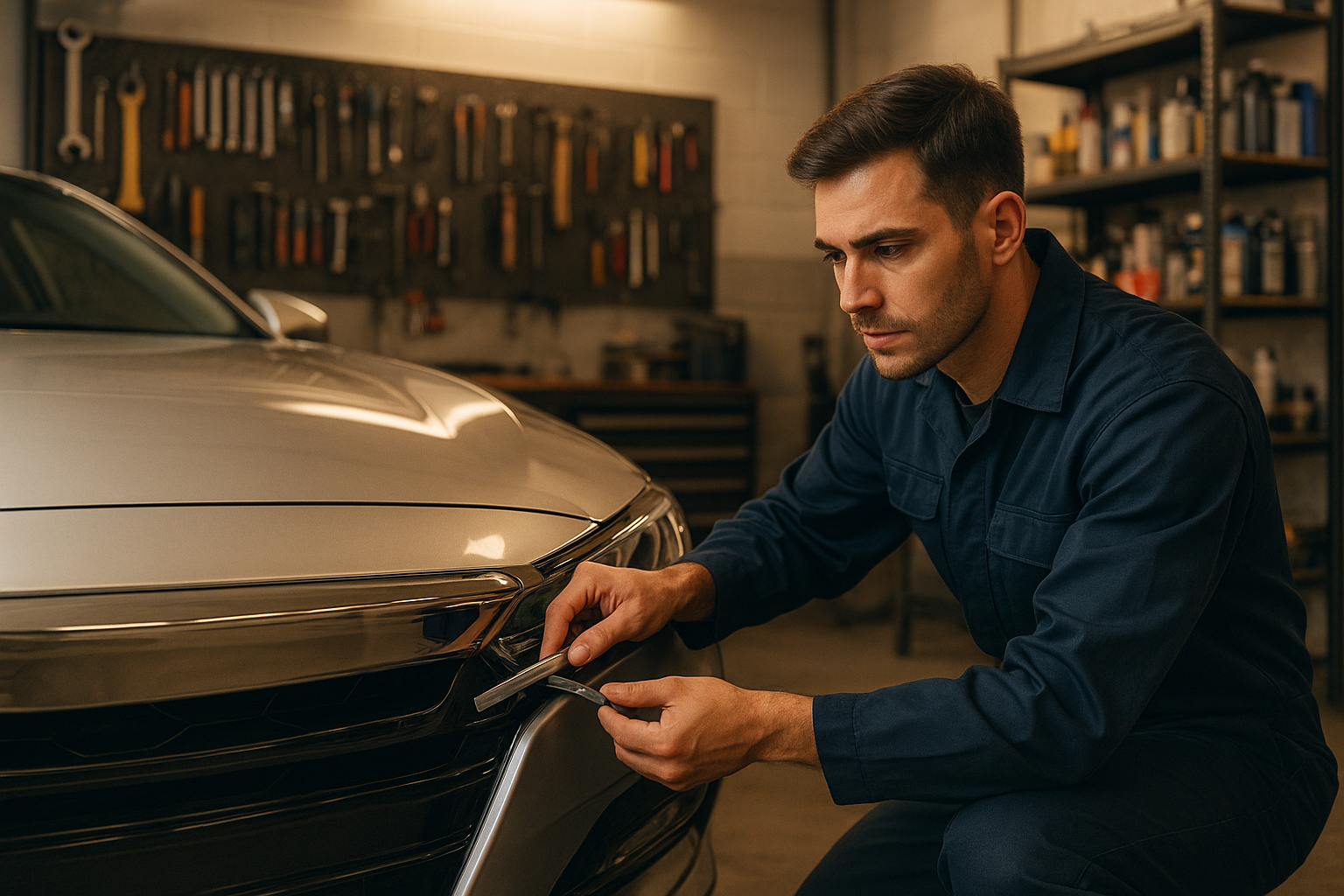
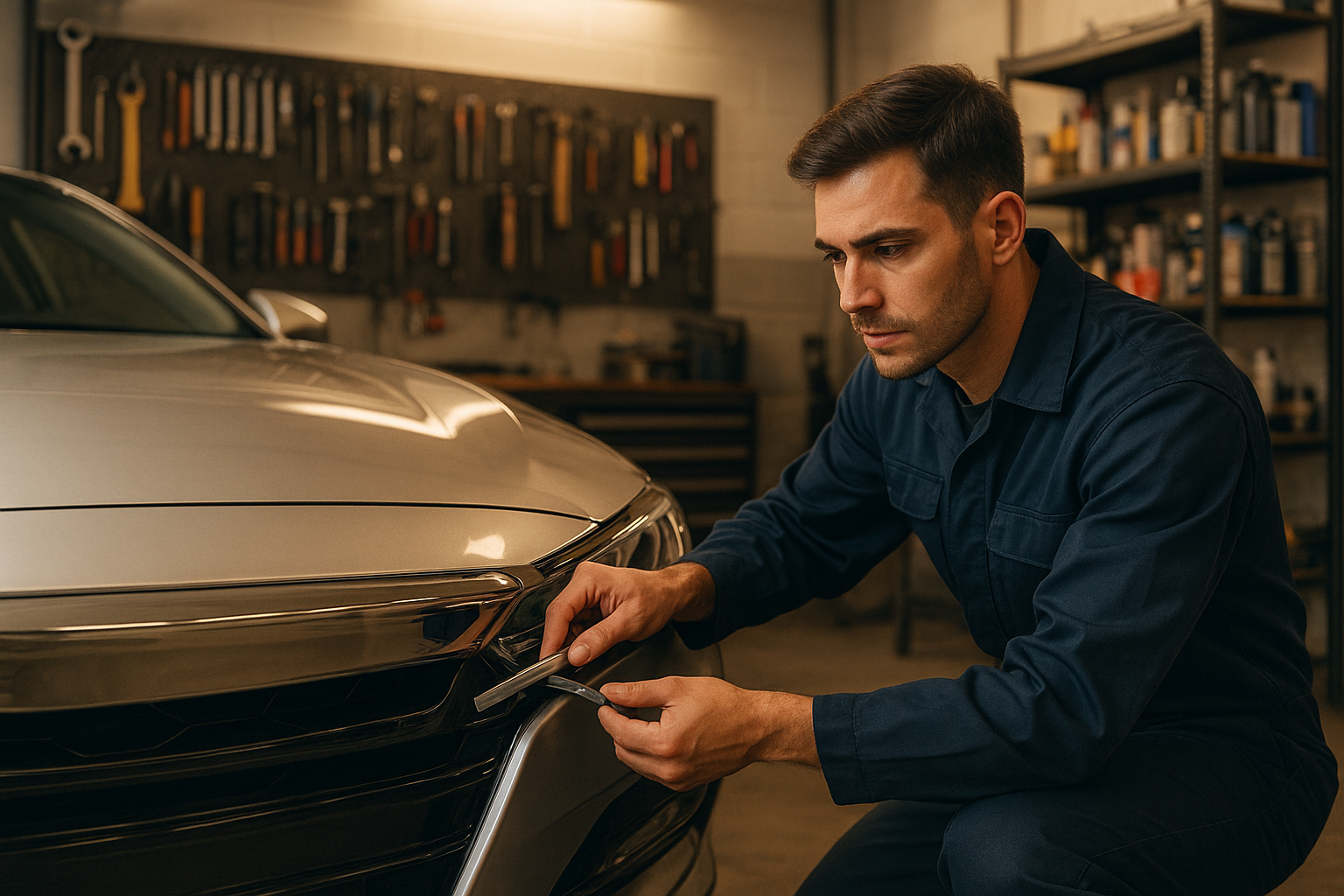
A certified technician evaluating damage on a foreign import vehicle — the kind of specialized attention your car deserves at a qualified shop.
What Are Foreign Auto Body Shops Near Me, Exactly?
In simple terms, foreign auto body shops near me refers to local repair facilities that specialize in restoring imported vehicles — brands like Toyota, Honda, Nissan, BMW, Mercedes-Benz, Audi, Volkswagen, and Hyundai — back to pre-accident condition. These shops differ from general repair garages because their technicians are trained specifically in the structural designs, materials, and electronic systems that foreign manufacturers use.
According to the Bureau of Transportation Statistics, imported vehicles represent a substantial share of registered passenger cars across the United States. As a result, demand for qualified import body repair keeps rising in nearly every metro area, from Orange County, California, to Detroit, Michigan.
In short, when your foreign vehicle sustains damage, a shop with genuine import-specific expertise delivers more accurate structural repairs, better paint matching, and far more confidence in the finished result — something a generic “near me” search result cannot guarantee on its own.
Why Foreign Vehicles Need Specialized Collision Repair
Foreign vehicles are frequently engineered with unique materials and construction methods. For example, many European imports use high-strength steel, aluminum alloys, and advanced composite panels that demand specific welding techniques and repair procedures. Similarly, Japanese imports often rely on proprietary electronic systems that communicate with body control modules during a collision.
Furthermore, paint formulations for import brands can differ significantly from domestic vehicles. Achieving an exact color match requires computerized spectrophotometry — a technology that reads existing paint and produces a precise formula. Shops without this equipment risk visible color mismatches that hurt your vehicle’s appearance and resale value.
Above all, many modern imports also rely on Advanced Driver Assistance Systems (ADAS) — camera- and radar-based safety features like lane departure warning and automatic braking. After a collision, these sensors often need recalibration to function correctly. The National Highway Traffic Safety Administration has flagged proper ADAS calibration as a growing safety concern in the collision repair industry, which is exactly why a shop’s calibration capability matters as much as its bodywork skill.
Common Foreign Vehicle Brands That Need Specialist Care
- Japanese imports: Toyota, Honda, Nissan, Subaru, Mazda, Lexus, Infiniti, Acura
- European imports: BMW, Mercedes-Benz, Audi, Volkswagen, Volvo, Porsche, Land Rover
- Korean imports: Hyundai, Kia, Genesis
Each brand maintains its own repair standards, and reputable shops stay current through ongoing training programs like I-CAR (Inter-Industry Conference on Auto Collision Repair).
How “Near Me” Searches Actually Work — and How to Use Them Better
Before diving into the selection process, it helps to understand what a “near me” search actually returns. When you type foreign auto body shops near me, search engines pull results from your device location, Google Business Profile listings, and review platforms such as Yelp. However, proximity alone says nothing about certifications, equipment, or OEM parts access.
Consequently, the smartest way to search is to pair location terms with specificity — for instance, “BMW certified body shop near me” or “Toyota collision repair Orange County.” This narrows results to shops that actually advertise brand-specific expertise, rather than every generic listing within a five-mile radius.
In addition, cross-checking a shop across multiple platforms — Google, Yelp, and the Better Business Bureau — gives a fuller picture than relying on a single review source, which we’ll cover in more depth later in this guide.
How to Choose the Best Import Auto Body Shop: Step-by-Step
Finding the right shop takes a little research, but the effort pays off in quality and peace of mind. Follow these six steps to make a confident decision.
- Search with precise, brand-specific terms. Use Google Maps, the I-CAR shop locator, or the ASE (Automotive Service Excellence) directory, and pair “near me” with your vehicle’s make to filter out generic results.
- Verify certifications and technician credentials. Confirm the shop holds I-CAR Gold Class status or employs ASE-certified technicians, and ask directly whether they’ve repaired your exact make and model before.
- Ask about ADAS calibration capability. Since many newer imports rely on cameras and sensors, confirm the shop owns in-house calibration equipment or partners with a certified calibration center rather than skipping the step entirely.
- Read reviews across multiple platforms. Check Google, Yelp, and the Better Business Bureau, and look for consistent patterns rather than a single star rating — communication and repeat-customer praise are strong positive signals.
- Get a written estimate and compare at least two quotes. Each estimate should break down parts, labor, and paint costs separately so you can compare shops accurately, not just by the bottom-line number.
- Confirm insurance compatibility, parts policy, and warranty. Verify the shop works directly with your insurer, ask whether OEM or aftermarket parts will be used, and get a written warranty before authorizing any work.
For more guidance on evaluating local shops, our detailed resource on finding the best local car body shop repairs near you covers additional criteria worth reviewing.
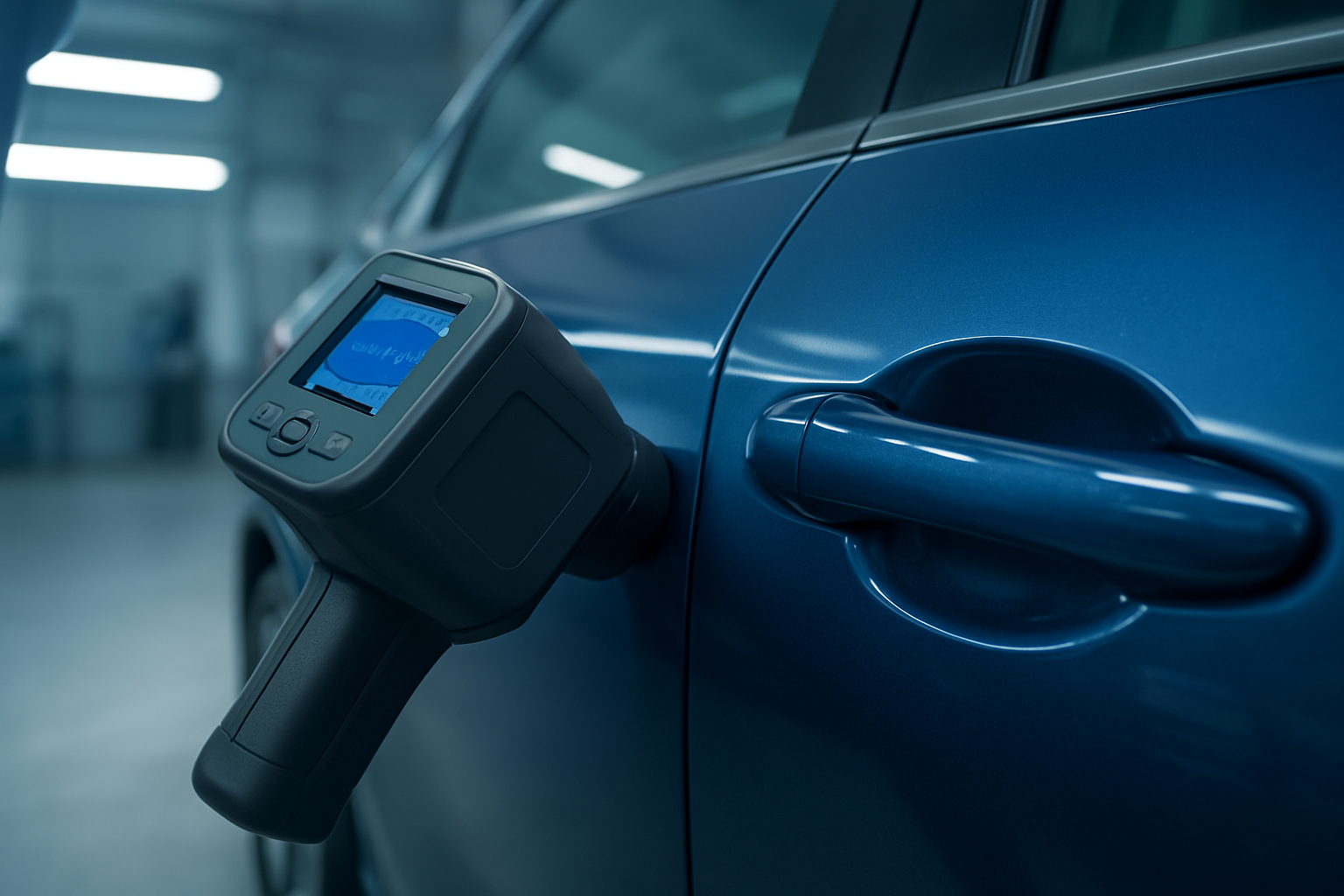
Advanced paint-matching technology ensures your foreign vehicle’s color is restored to an exact factory match.
Key Certifications to Look For in an Import Repair Shop
Certifications remain one of the most reliable indicators of shop quality. Specifically, look for the following credentials whenever a facility claims to specialize in foreign vehicles.
Top Certifications for auto body shop certifications
- I-CAR Gold Class: The industry’s highest recognition for collision repair training, requiring ongoing education to maintain.
- ASE Certification: Confirms individual technicians have passed standardized competency exams in specific repair areas.
- Manufacturer Certifications: Brands like BMW, Mercedes-Benz, and Honda operate approved repair networks with brand-specific equipment and training standards.
- State Licensing: In California, verify the shop holds a valid Bureau of Automotive Repair (BAR) license; other states maintain equivalent licensing bodies.
In addition to certifications, ask whether the shop uses OEM (Original Equipment Manufacturer) parts. OEM parts are engineered specifically for your vehicle and preserve the manufacturer’s safety and performance standards. Aftermarket parts can be acceptable alternatives in some cases, but always confirm the shop’s parts policy before approving repairs.
Foreign Auto Body Repair Costs: What You Should Expect to Pay
Cost is naturally one of the first questions import owners ask, yet it’s a topic most local listings never address in detail. Pricing depends on damage severity, parts availability, and labor rates in your region.
Typical Foreign Auto Body Repair Cost Ranges
- Minor dent or scratch repair: roughly $150–$500
- Bumper repair or replacement: roughly $400–$1,500
- Panel replacement with paint: roughly $800–$2,500
- ADAS sensor recalibration: roughly $150–$500 per system
- Major structural collision repair on luxury imports: $5,000 and up
Therefore, always request a written, itemized estimate rather than a verbal quote, so parts, labor, and paint costs are clearly broken down and comparable between shops.
Independent Shops vs. Dealership Body Shops for Foreign Vehicles
Many import owners assume a dealership body shop is automatically the safest choice. However, independent certified shops often deliver equally high-quality repairs at more competitive prices and with faster turnaround times.
Dealership shops are typically limited to one brand, while a well-equipped independent shop can service multiple foreign makes at once. Furthermore, independent shops are often more flexible with insurance claims and provide a more personalized customer experience. For a deeper comparison, see our article on dealership body shop vs. local auto body shop.
Ultimately, a technician’s experience and a shop’s equipment matter far more than whether the facility carries a dealership sign out front.
What to Expect During the Repair Process
A transparent shop walks you through each stage: initial damage assessment, written estimate, parts ordering, structural or panel repair, paint application and curing, ADAS recalibration if needed, and a final quality inspection before delivery.
Minor cosmetic repairs may take one to three business days. Significant collision damage, however, can require one to three weeks — particularly if specialty parts for your foreign vehicle must be ordered. Always ask for a realistic timeline upfront and request updates if the schedule shifts.
Reading Online Reviews the Right Way: What Star Ratings Don’t Tell You
Review platforms are a useful starting point, but a high star rating alone does not confirm a shop is truly equipped for foreign vehicle repair. A four- or five-star average can reflect friendly service or fast turnaround without ever addressing whether the shop owns spectrophotometer paint-matching tools, holds I-CAR Gold Class status, or performs ADAS calibration in-house.
Instead of stopping at the overall score, read several recent reviews in detail. Look specifically for mentions of the reviewer’s vehicle brand, whether the color match was accurate, and how the shop communicated during the repair. In particular, comments about a shop’s experience with your exact make carry far more weight than the star count itself.
Similarly, cross-reference reviews across Google, Yelp, and the Better Business Bureau rather than relying on one platform. A shop with strong ratings everywhere is a far safer bet than one whose reputation depends on a single review page.
Serving Orange County Import Owners at Brea Auto Body
For drivers in Brea and throughout Orange County, Brea Auto Body provides comprehensive collision repair and body restoration services for both domestic and foreign vehicles. Their certified technicians have extensive experience working on imports from Japanese and European manufacturers, applying advanced paint-matching technology and industry-standard repair techniques to achieve seamless results.
Whether your import has sustained minor dent damage or significant structural collision damage, the team at Brea Auto Body handles every repair with attention to detail and full transparency throughout the process. They also work directly with insurance companies to simplify the claims process for their customers.
Explore additional resources on finding the best auto body work near you and fast local fixes for minor auto body repair to understand the full range of services available.
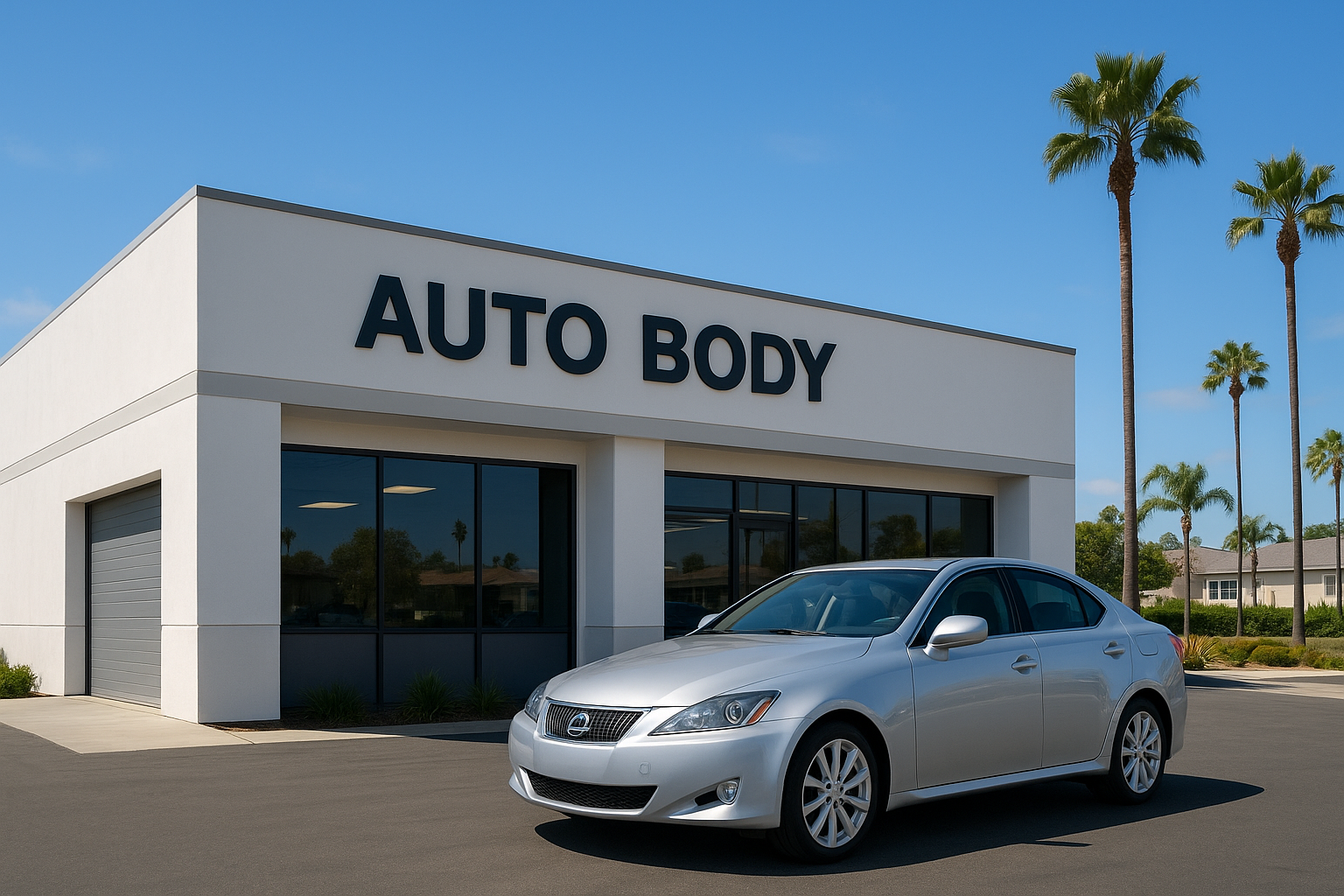
A well-equipped local shop like Brea Auto Body offers import owners in Orange County the specialized care their vehicles need.
Red Flags to Avoid When Choosing an Import Body Shop
Not every shop that advertises import repair has the expertise to back it up. Consequently, knowing what warning signs to watch for can save you from a costly mistake.
- No visible certifications: A reputable shop displays its credentials prominently. If you can’t find any, ask directly — and be skeptical if none exist.
- Verbal-only estimates: Always insist on a written, itemized estimate. Verbal agreements leave you vulnerable to unexpected charges.
- Pressure to decide immediately: A trustworthy shop gives you time to compare options and review estimates carefully.
- No warranty offered: Quality shops stand behind their work with a written warranty covering paint and workmanship.
- Outdated or poorly maintained equipment: Repairing modern foreign vehicles requires current tools; an outdated shop may lack the technology to do the job correctly.
- No mention of ADAS calibration: If a shop can’t explain how it handles sensor recalibration on newer imports, treat that as a significant gap in capability.
For broader guidance on evaluating any repair facility, our guide on how to find the best body shop near you provides a thorough checklist worth bookmarking.
Foreign Auto Body Shops Near Me: Regional Considerations
Import repair standards can vary slightly by region. For instance, California requires shops to hold a Bureau of Automotive Repair license, while other states rely on different licensing agencies with their own inspection requirements.
Likewise, colder climates such as Michigan see more corrosion-related repairs, while Southern California shops handle a higher volume of paint and cosmetic work due to lighter weather-related wear. Regardless of location, however, the same core standards apply everywhere: certification, OEM parts access, and transparent communication should guide your decision no matter which city you search in.
Frequently Asked Questions About Foreign Auto Body Shops Near Me
Conclusion: Finding the Right Foreign Auto Body Shop Near You
In summary, locating reliable foreign auto body shops near me requires looking well beyond proximity, star ratings, or price alone. Certifications, ADAS calibration capability, technician experience, equipment quality, and customer transparency are the factors that truly separate excellent shops from average ones. By following the step-by-step process outlined in this guide, import vehicle owners can make a confident, informed choice and get their vehicle restored to its pre-accident condition.
For Orange County residents, Brea Auto Body offers the expertise, certified craftsmanship, and personalized service that import vehicle owners deserve. Whether your vehicle has sustained minor cosmetic damage or significant collision damage, their team is equipped to deliver lasting, high-quality results. Visit breaautobody.com to learn more or schedule your repair consultation today.

