

Foreign car collision repair Brea services are in high demand as more Orange County drivers choose imported vehicles from brands like Toyota, Honda, BMW, and Mercedes-Benz. When these cars sustain damage in an accident, they require specialized techniques, parts, and paint-matching expertise that differ from domestic vehicle repair. This guide explains what foreign car collision repair Brea shops actually do, how the process works, and what to look for in a qualified auto body facility.
Quick Answer: Foreign car collision repair Brea is the process of restoring imported vehicles—such as Toyota, Honda, BMW, Mercedes-Benz, and Audi models—after collision damage using manufacturer-specific parts, factory paint codes, and OEM-approved repair procedures. Because import vehicles often use different metals, sensors, and body panel designs than domestic cars, technicians need specialized training and equipment to complete the repair correctly.
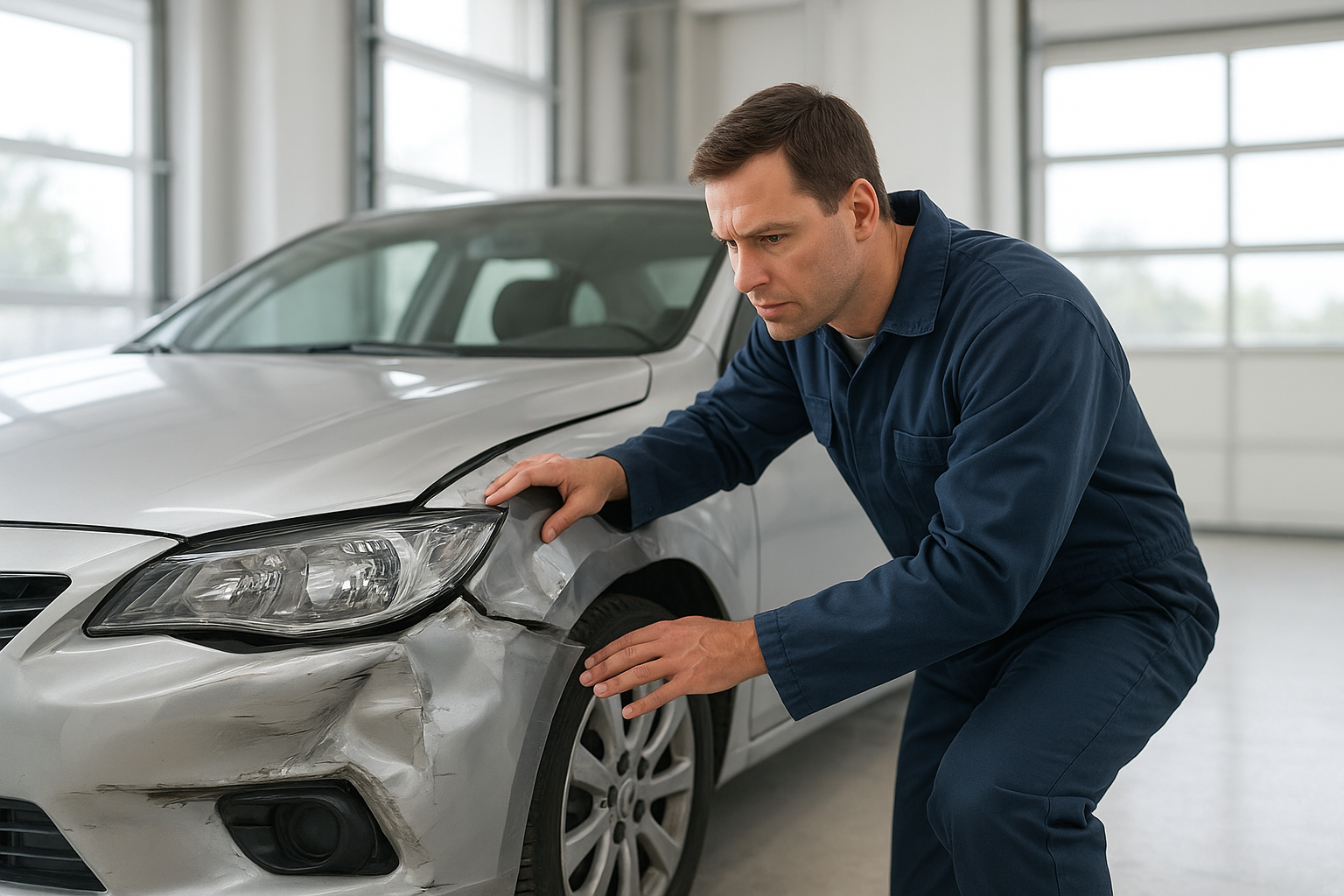
Foreign car collision repair Brea requires specialized tools and manufacturer-specific training.
What Is Foreign Car Collision Repair?
Foreign car collision repair refers to the specialized bodywork, frame straightening, and paint restoration performed on vehicles manufactured outside the United States, including Japanese, German, Korean, and other import brands. Unlike general auto body repair, this work often involves proprietary parts, unique welding standards, and factory-specific paint formulas.
For example, German brands like BMW and Mercedes-Benz frequently use aluminum body panels, which require different welding equipment than the steel panels found on many domestic vehicles. Meanwhile, Japanese and Korean imports such as Honda, Toyota, and Hyundai often rely on high-strength steel structures that demand precise measurement tools during repair. As a result, technicians who work on foreign vehicles typically pursue additional certifications beyond standard collision repair training.
Why Foreign Car Collision Repair Brea Shops Require Specialized Training
Foreign car collision repair Brea shops must keep pace with constantly evolving vehicle technology. According to the National Highway Traffic Safety Administration, more than six million police-reported vehicle crashes occur across the United States every year, and imported vehicles make up a growing share of the cars involved as import brands continue gaining market share.
Consequently, Brea technicians working on foreign vehicles need calibration equipment and OEM, meaning original equipment manufacturer, repair procedures on hand, not just body filler and paint. Shops that skip proper calibration risk leaving safety systems malfunctioning even after cosmetic repairs look complete.
Common Import Vehicle Body Repair Services
A qualified collision repair shop handles a wide range of services for foreign vehicles, including structural frame repair, panel replacement, and factory-matched paint refinishing. In addition, many shops offer bumper repair for imports, since foreign vehicle bumpers often house sensors for parking assistance and collision avoidance.
Precision Dent Removal and Paint Matching for Foreign Cars
Dent removal on foreign vehicles requires careful attention because many import brands use thinner-gauge steel or aluminum panels that dent and stretch differently than domestic steel. Paint matching is equally important, since foreign manufacturers use proprietary color codes that must be cross-referenced precisely, often requiring computerized scanning to achieve a seamless finish.
After structural work, many facilities also provide interior cleaning to remove glass fragments or debris that can shift into the cabin during a collision, ensuring the vehicle is fully restored inside and out.
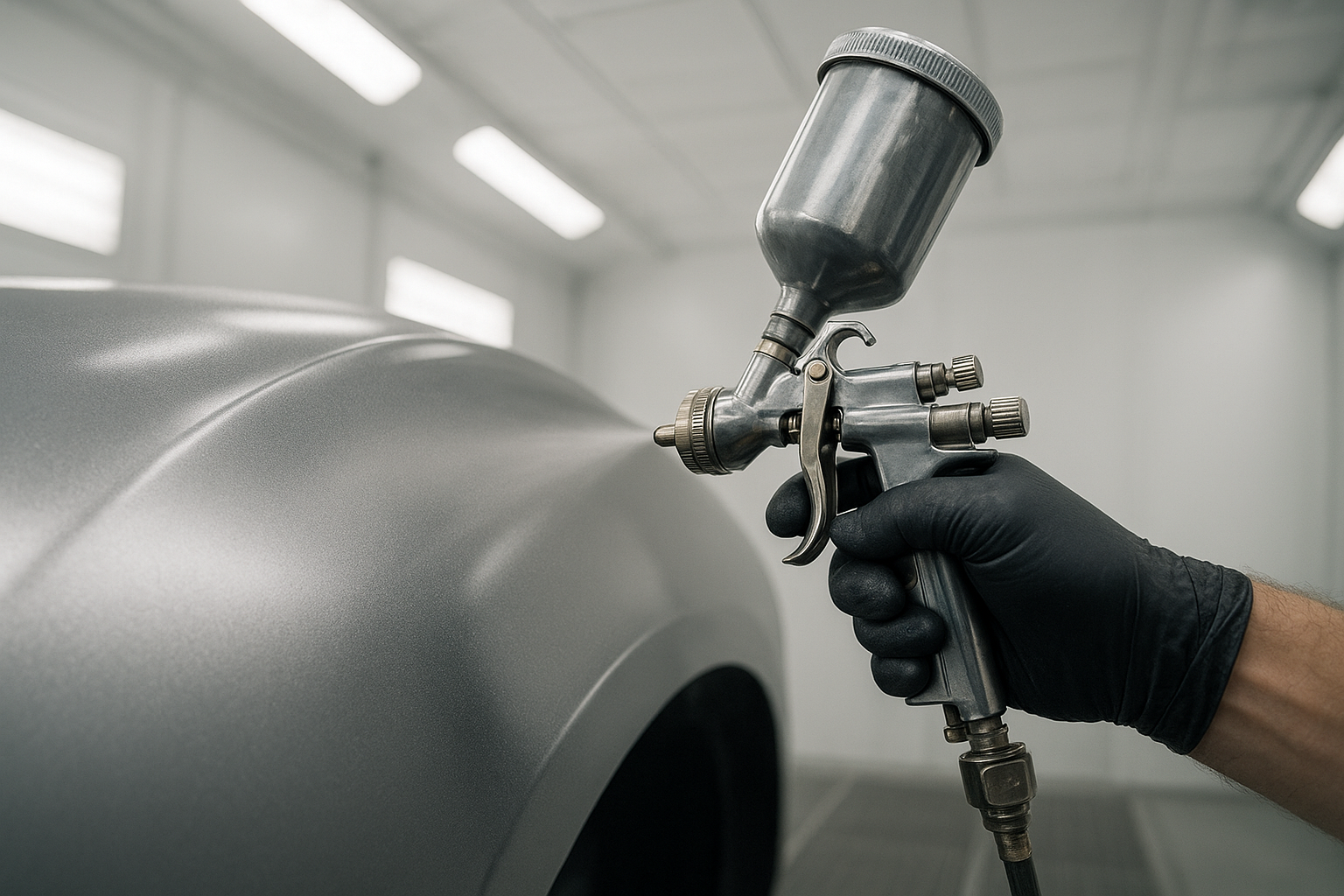
Accurate paint matching is essential when restoring imported vehicles after a collision.
The Foreign Vehicle Collision Repair Process: Step by Step
Understanding the repair sequence helps drivers know what to expect. Below is the typical process a shop follows from start to finish.
- Damage Assessment and Estimate: A technician inspects the vehicle thoroughly, checking for hidden structural damage behind bumpers and panels, then prepares a detailed written estimate covering parts, labor, and expected repair timeline.
- Insurance Coordination: The shop communicates directly with the insurance adjuster to confirm coverage, review the estimate, and secure approval before ordering manufacturer-specific replacement parts for the vehicle.
- Disassembly and Parts Ordering: Technicians remove damaged components to reveal the full extent of the damage, then order OEM or OEM-equivalent parts that match the vehicle’s original specifications.
- Structural and Frame Repair: Using computerized measuring systems, technicians restore the vehicle’s frame and unibody structure to factory specifications, ensuring proper alignment and crash safety are fully preserved.
- Paint Matching and Refinishing: Technicians blend the vehicle’s factory paint code with fresh coats applied in a controlled spray booth, then clear-coat and polish the surface for a seamless finish.
- Reassembly, Calibration, and Quality Check: The vehicle is reassembled, safety sensors and cameras are recalibrated according to manufacturer standards, and a final inspection confirms the repair meets pre-accident condition before delivery.
European vs. Asian Import Collision Repair: Key Differences
European and Asian imports often require different repair approaches. European brands such as BMW, Audi, and Mercedes-Benz frequently use aluminum-intensive construction, which demands dedicated aluminum welding stations to prevent cross-contamination with steel dust. In contrast, many Asian imports like Toyota, Honda, and Nissan rely on advanced high-strength steel, which requires specific heat-control procedures during straightening.
Similarly, paint systems vary between manufacturers. Consequently, a shop experienced in only one category may struggle to match factory finishes accurately across brands, which is why versatility across both European and Asian import repair matters when selecting a facility. You can review the general standards for automobile repair shops to understand how these facilities are typically structured and regulated.
How to Choose an Auto Body Shop for Foreign Car Repair in Brea
Choosing the right shop starts with verifying certifications. Above all, look for I-CAR Gold Class recognition or ASE-certified technicians, since these credentials confirm ongoing training on the latest repair techniques.
For drivers throughout Orange County, Brea Auto Body provides comprehensive services for both domestic and foreign vehicles, including collision repair, precision dent removal, and advanced paint matching performed by experienced technicians. In addition, reviewing this complete guide to collision repair can help drivers understand what to expect throughout the process, from initial estimate to final delivery.
Furthermore, drivers who have been in an accident should read up on car accident repair options before selecting a shop, since not every facility is equipped to handle every make and model.
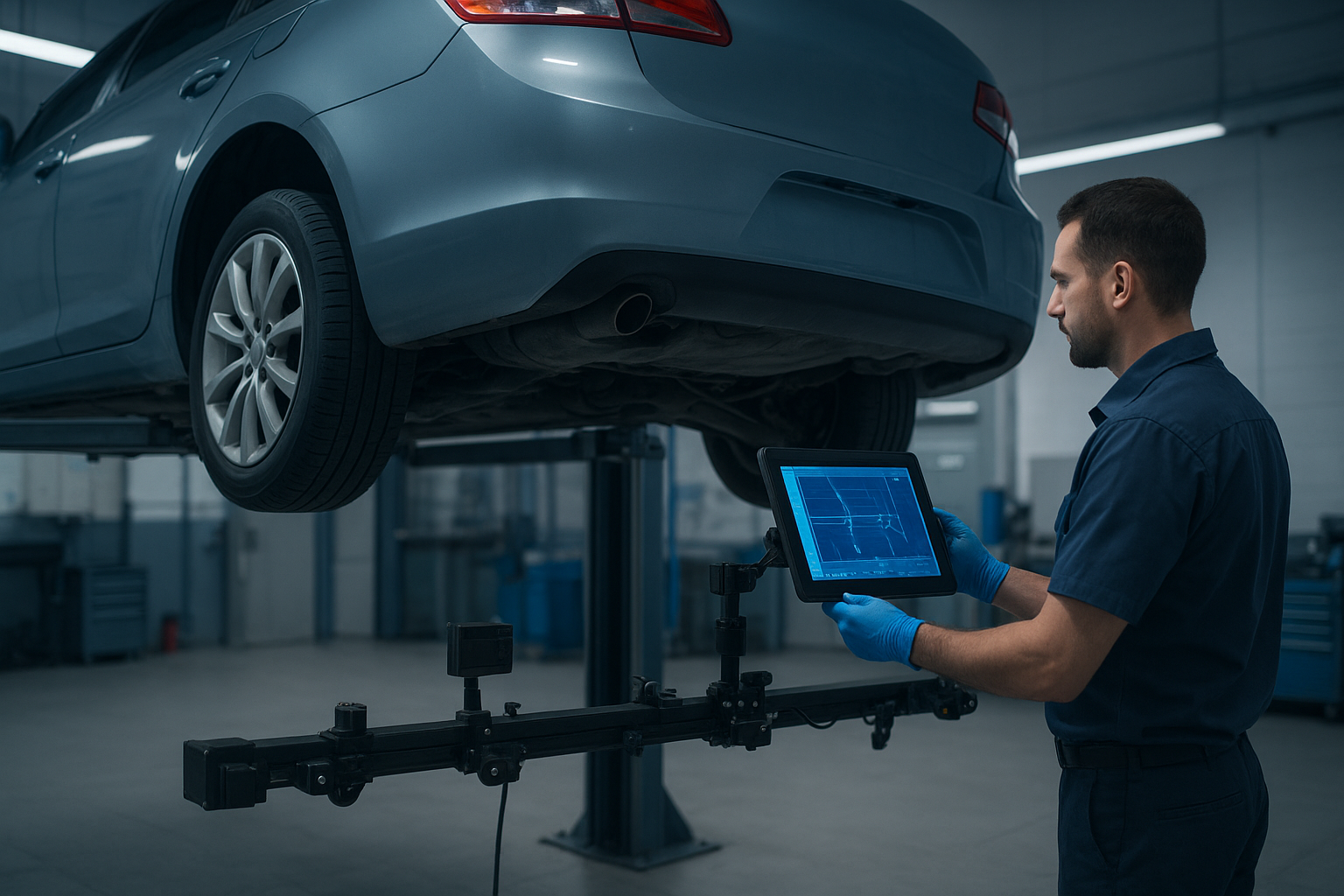
Frame inspection is a critical step before beginning any foreign vehicle collision repair.
Insurance Claims and Collision Repair Costs for Import Vehicles
Repair costs for foreign vehicles are often higher than domestic repairs due to specialized parts pricing and labor rates. For instance, industry data from the Insurance Information Institute shows that repair costs have risen substantially in recent years as vehicles include more sensors, cameras, and lightweight materials that require specialized handling.
Therefore, drivers should confirm whether their insurance policy covers OEM parts for import vehicles, since some policies default to aftermarket parts unless the customer specifically requests factory components. Working with a shop experienced in insurance coordination can help simplify this process significantly.
Frequently Asked Questions About Foreign Car Collision Repair Brea
What is foreign car collision repair Brea?
Foreign car collision repair Brea refers to the specialized bodywork, frame repair, and paint restoration performed on imported vehicles after an accident. It requires manufacturer-specific parts, calibration equipment, and factory paint codes that differ from domestic vehicle repair.
How long does foreign car collision repair take in Brea?
Most repairs take between three days and two weeks, depending on damage severity and parts availability. Import vehicles can take longer if OEM parts must be specially ordered from overseas manufacturers.
Why is foreign car collision repair more expensive than domestic repair?
Import vehicle parts often cost more and require specialized shipping and labor rates. In addition, many foreign models use aluminum panels or advanced sensors that require extra equipment and technician training.
Can any auto body shop repair foreign cars?
Not every shop is equipped for import vehicle repair. Shops need brand-specific training, aluminum welding capability, and access to OEM parts catalogs to properly restore foreign vehicles.
What certifications should I look for in an import car repair shop?
Look for I-CAR Gold Class recognition and ASE-certified technicians. These credentials confirm ongoing training on current collision repair techniques and manufacturer-specific procedures.
Does insurance cover OEM parts for foreign vehicles?
Coverage depends on the policy. Some insurers default to aftermarket parts unless the customer specifically requests original equipment manufacturer components in writing.
How is foreign car collision repair Brea different from standard collision repair?
Foreign car collision repair Brea often involves aluminum-intensive construction, proprietary paint codes, and ADAS sensor calibration that standard domestic repairs may not require. Technicians need brand-specific training to handle these differences correctly.
What is ADAS calibration and why does it matter after a collision?
ADAS, meaning advanced driver-assistance systems, calibration realigns sensors such as forward-collision cameras after body repair work. Skipping calibration can leave safety systems malfunctioning even when the vehicle looks fully repaired.
How do I know if my foreign car’s frame was damaged in an accident?
Signs include uneven panel gaps, doors that do not close properly, or a vehicle that pulls to one side while driving. A professional inspection with computerized measuring equipment is the only reliable way to confirm frame damage.
What common mistakes should drivers avoid when choosing a repair shop for imports?
Avoid shops that skip a written estimate, cannot confirm ADAS calibration capability, or push aftermarket parts without discussing OEM options. Always ask about brand-specific certifications before authorizing repairs.
Can aftermarket parts be used on foreign vehicle collision repairs?
Aftermarket parts can be used, but fit and finish may vary compared to OEM components. Drivers should discuss part options with their shop and insurer before repairs begin.
How much does foreign car collision repair typically cost?
Costs vary widely based on damage extent and parts pricing, ranging from a few hundred dollars for minor bumper repair to several thousand for structural work. A written estimate from a qualified shop provides the most accurate figure.
What should I do immediately after a collision involving my import vehicle?
Document the scene with photos, exchange insurance information, and contact your insurer promptly. Then, schedule an inspection with a shop experienced in foreign vehicle repair before authorizing any work.
Final Thoughts on Foreign Car Collision Repair Brea
In summary, foreign car collision repair Brea demands more than general bodywork skills. Import vehicles require brand-specific training, precise paint matching, and sensor calibration to be restored safely and correctly. As a result, choosing a shop with proven certifications and experience across both European and Asian imports makes a meaningful difference in the quality of the final repair.
Ultimately, drivers throughout Orange County who need reliable, transparent service can turn to Brea Auto Body for collision repair, dent removal, and paint matching handled by experienced professionals who understand the unique needs of foreign vehicles.

