

I-CAR Gold Certified: How This Standard Protects Your Car, Your Safety, and Your Wallet

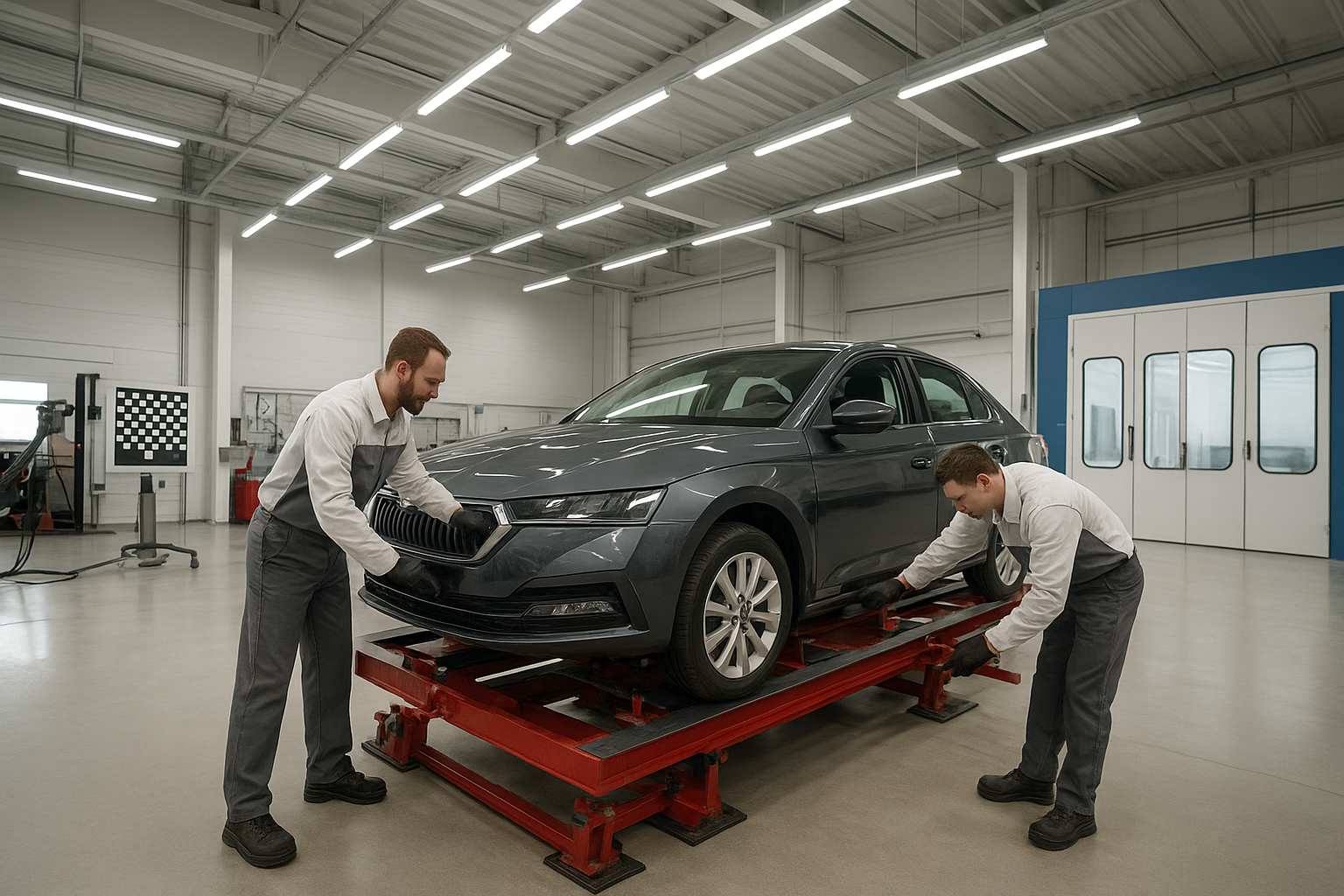
A modern, training-forward collision center exemplifying the I-CAR Gold certified standard.
When you see the phrase “I-CAR Gold certified,” you’re looking at one of the most widely recognized markers of quality and safety in collision repair. For drivers in Orange County and the Inland Empire, choosing an I-CAR Gold certified shop isn’t just about shiny paint—it’s about verified training, documented repair procedures, and a process built to restore your vehicle’s safety systems the right way.
This guide breaks down what I-CAR Gold certification means, how it affects cost and cycle time, and why partnering with a local expert such as Collision Repair in Brea can make the difference between “fixed” and truly restored.
What “I-CAR Gold Certified” Really Means
I-CAR (Inter-Industry Conference on Auto Collision Repair) sets a nationally recognized training benchmark for collision repair facilities. The Gold Class designation signals that a shop has proven, year after year, that its team receives role-relevant, up-to-date training across structural repair, non-structural repair, refinishing, and estimatics. Practically, this means the people who touch your vehicle are continually trained to work with late-model materials, from high-strength steel and aluminum to composites and advanced adhesives, and that estimators know how to blueprint repairs correctly from the start.
Gold Class also emphasizes repairing to documented automaker procedures. That’s critical for modern vehicles loaded with safety tech—airbags, sensors, and ADAS features—that must be handled and recalibrated exactly as the manufacturer specifies. To learn more about the standard itself, see the official overview of I-CAR Gold Class standards.

The pillars behind an I-CAR Gold certified program: training, OEM procedures, proper tooling, and quality control.
Why Choosing an I-CAR Gold Certified Shop Protects Your Investment
Safety systems are restored as designed
From crumple zones to radar sensors, today’s vehicles rely on precise repair methods. A Gold Class shop follows OEM procedures and documents each step—removing, replacing, bonding, welding, and calibrating—to preserve crash energy management and restore ADAS performance. That’s not just about passing a visual inspection; it’s about making sure your car behaves correctly in a split second when it matters most.
Fewer surprises, fewer delays
Technicians and estimators with current I-CAR training are better at diagnosing hidden damage before the tear-down is complete. That leads to more accurate estimates, fewer mid-repair supplements, and a shorter time without your car. The result: less hassle and more confidence in the schedule.
Better alignment with insurer expectations
While your choice of repair facility is always yours, carriers often recognize the rigor of an I-CAR Gold certified program. Documentation, photo capture, and adherence to OEM procedures help reduce friction, making the claims process smoother for you and your vehicle.
How to Confirm a Shop Is Truly I-CAR Gold Certified
Look for clear signage in the lobby or on the facility’s website, then ask to see current technician and facility credentials. A quality shop will gladly explain its training plan and how it keeps pace with new substrates and electronics. You can also cross-check through I-CAR’s public resources and, importantly, ask how the team verifies OEM repair procedures, including requirements for calibrations, sectioning, and corrosion protection. The goal is transparency: a confident, well-trained team can walk you through the process in plain language.
Inside Brea Auto Body’s I-CAR Gold Certified Process
As a local example, I-CAR Gold certified collision repair at Brea Auto Body reflects the training-first culture that modern vehicles demand. Here’s how that approach shows up at each step of a typical repair:
1) Intake and blueprinting
The estimator captures damage digitally, cross-references OEM procedures, and builds a complete collision repair guide repair plan that accounts for substrates, sectioning locations, rivet-bonding requirements, and ADAS calibrations. Clear documentation at this stage prevents “re-work” later.
2) Structural and non-structural repair
Trained technicians follow automaker-approved weld parameters, heat controls, and bonding steps. Jigs, measuring systems, and torque specs are all tied to vehicle data, not guesswork.
3) Refinishing with corrosion protection in mind
It’s not just about color match. Proper substrate prep, e-coat restoration, seam sealing, and cavity wax ensure that the vehicle won’t suffer premature corrosion or noise issues after it leaves the booth.
4) ADAS, calibrations, and quality control
Static and dynamic calibrations, scan reports, and post-repair road tests validate that safety systems function correctly. A final QC checklist—fitment, function, and finish—closes the loop before delivery.

A clear, step-by-step collision repair timeline helps set expectations and keeps quality measurable.
If you’re comparing options in North Orange County, touring the facility is worth your time. You’ll see clean workspaces, dedicated tooling for aluminum and steel, and calibration targets for driver-assistance systems—signs that a shop invests in the same things that protect you on the road.
FAQs About I-CAR Gold Certified Repair
Is I-CAR Gold the same as automaker certification?
No. Gold Class focuses on the shop’s training and repair process across brands; OEM certifications are manufacturer-specific and verify that a facility meets that automaker’s tooling, training, and procedure requirements. Many top-tier shops maintain both: I-CAR Gold for broad training discipline and selected OEM certifications for specific makes they repair frequently.
Does choosing an I-CAR Gold certified shop cost more?
Not necessarily. The total cost depends on the damage and OEM procedures. What Gold Class does is reduce risk: accurate blueprints, proper materials, and required calibrations from the outset help prevent expensive re-work, preserve vehicle value, and protect warranties tied to correct repairs.
Are all technicians trained, or just a few?
Gold Class requires ongoing, role-relevant training across the team—structural, non-structural, refinish, and estimatics. That ensures your vehicle is handled by people who understand not just “how,” but “why” each step matters for occupant safety and vehicle integrity.
When “Good Enough” Isn’t Enough
Modern vehicles are sophisticated machines. A sensor mounted a few millimeters off or a single missing corrosion protection step can compromise both safety and longevity. An I-CAR Gold certified process adds discipline and documentation to every repair so that your car leaves the shop aligned with original engineering—and your peace of mind isn’t left to chance.
Get Started with a Gold Class Team in Brea
If you’re repairing a vehicle in Brea, Fullerton, Yorba Linda, or surrounding communities, connect with a shop that prioritizes training and procedure. Visit Brea Auto Body to request an estimate, schedule a walk-through, or ask detailed questions about your repair plan. The right partner will welcome your questions—and show you exactly how “I-CAR Gold certified” translates into a safer, longer-lasting repair.

