

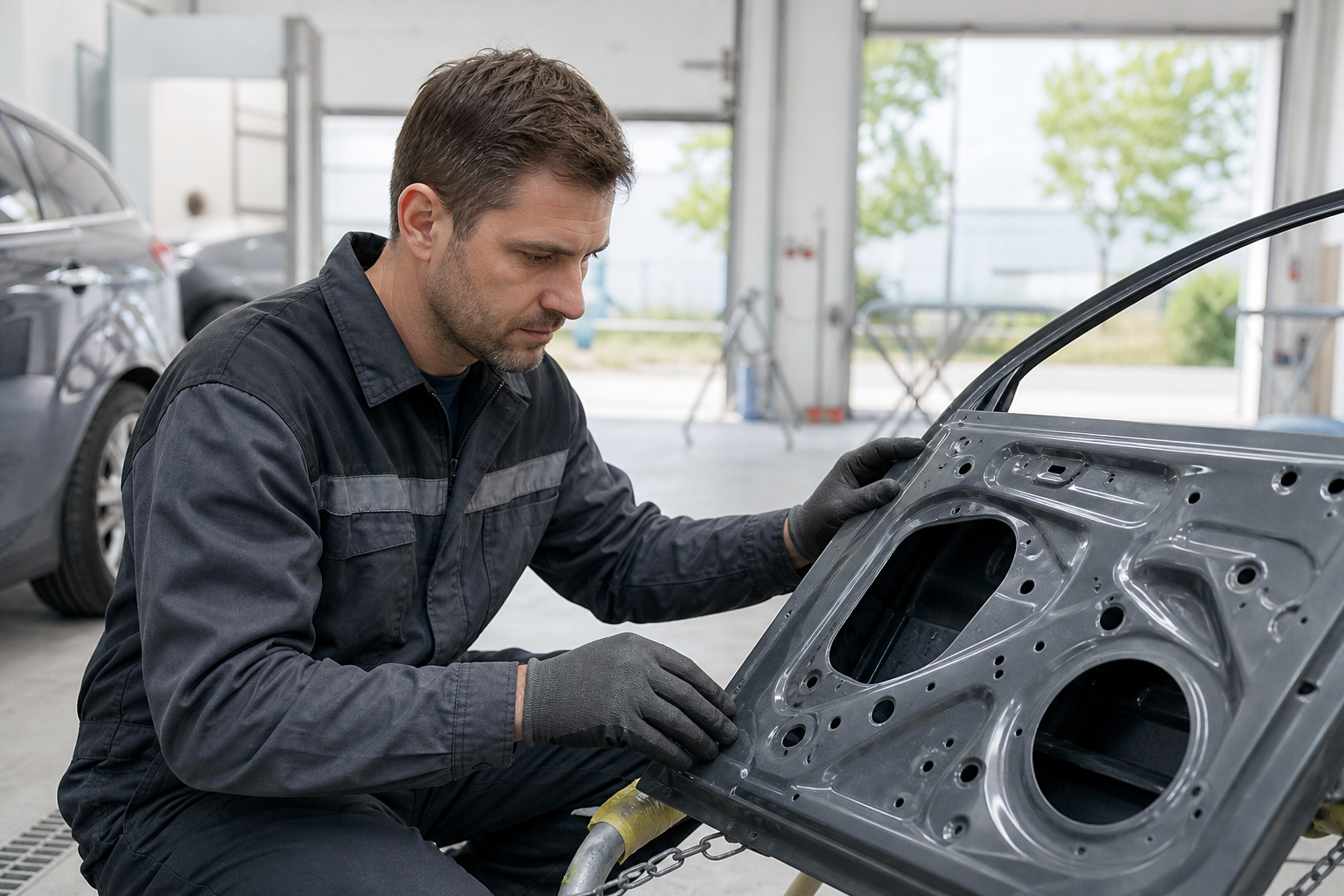
A licensed auto body shop in Brea gives vehicle owners legal protection, verified technician training, and real accountability that unlicensed operators simply cannot offer. For drivers in Orange County dealing with collision damage, dents, or paint issues, that distinction matters more than most people realize before they need repairs. This guide explains what licensing actually means, how to verify it, and what to expect when working with a certified repair facility such as Brea Auto Body.
Quick answer: A licensed auto body shop in Brea is registered with California’s Bureau of Automotive Repair, carries required liability insurance, and employs technicians trained to current collision repair standards. Choosing one protects you legally and ensures your vehicle is restored using proper methods.
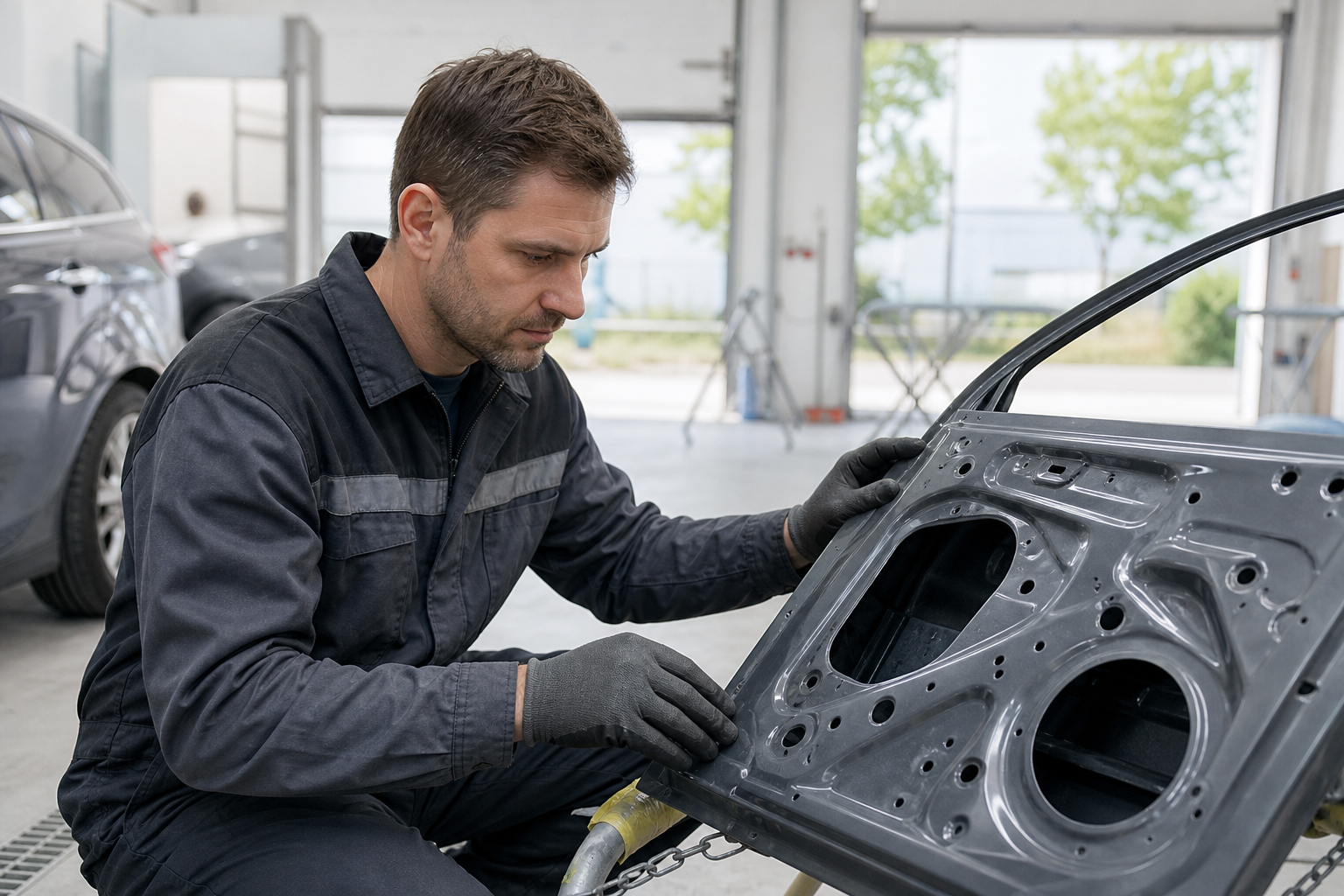
A technician performs a detailed inspection at a licensed auto body shop in Brea before beginning repair work.
What Is a Licensed Auto Body Shop in Brea?
A licensed auto body shop in Brea is a repair facility that holds active registration with California’s Bureau of Automotive Repair (BAR), the state agency responsible for regulating auto repair businesses. This registration confirms the shop has met minimum legal requirements, including liability coverage and compliance with consumer protection laws.
In addition to state registration, many reputable shops pursue voluntary certifications. For example, I-CAR training verifies that technicians understand current repair procedures for modern vehicle materials, including aluminum panels and advanced steel alloys. Similarly, ASE certification demonstrates individual technician competency across specific repair disciplines. Together, these credentials signal a shop that takes quality seriously rather than cutting corners on safety-critical repairs.
Why Licensing Matters for Collision Repair
Licensing matters because structural and cosmetic repairs directly affect vehicle safety. For instance, improperly repaired frame damage can compromise crumple zones designed to protect occupants in a future collision. Consequently, working with a licensed collision repair shop reduces the risk of hidden structural issues going unnoticed.
Furthermore, licensed shops are held to disclosure standards that protect consumers from undisclosed used parts or incomplete repairs. If a dispute arises, you have a regulatory body to file a complaint with, which is not the case with unlicensed operators. As a result, licensing acts as a built-in accountability system that benefits both individual drivers and fleet customers who need consistent, documented repair quality across multiple vehicles.
How to Verify a Shop’s License and Certifications
Before committing to any repair facility, it is worth taking a few minutes to confirm its credentials. Below is a simple process drivers can follow.
- Ask for the shop’s BAR registration number and verify it on the California Bureau of Automotive Repair’s public lookup tool before authorizing any work.
- Check for I-CAR Gold Class or ASE certification badges displayed in the shop or listed on its website as proof of current technician training.
- Request documentation of liability and garagekeepers insurance so you understand coverage if damage occurs while the vehicle is in the shop’s care.
- Read recent customer reviews and ask for references from past insurance or fleet clients to assess consistency and communication quality.
- Request a written estimate outlining parts, labor, paint work, and warranty terms before signing off on repairs.
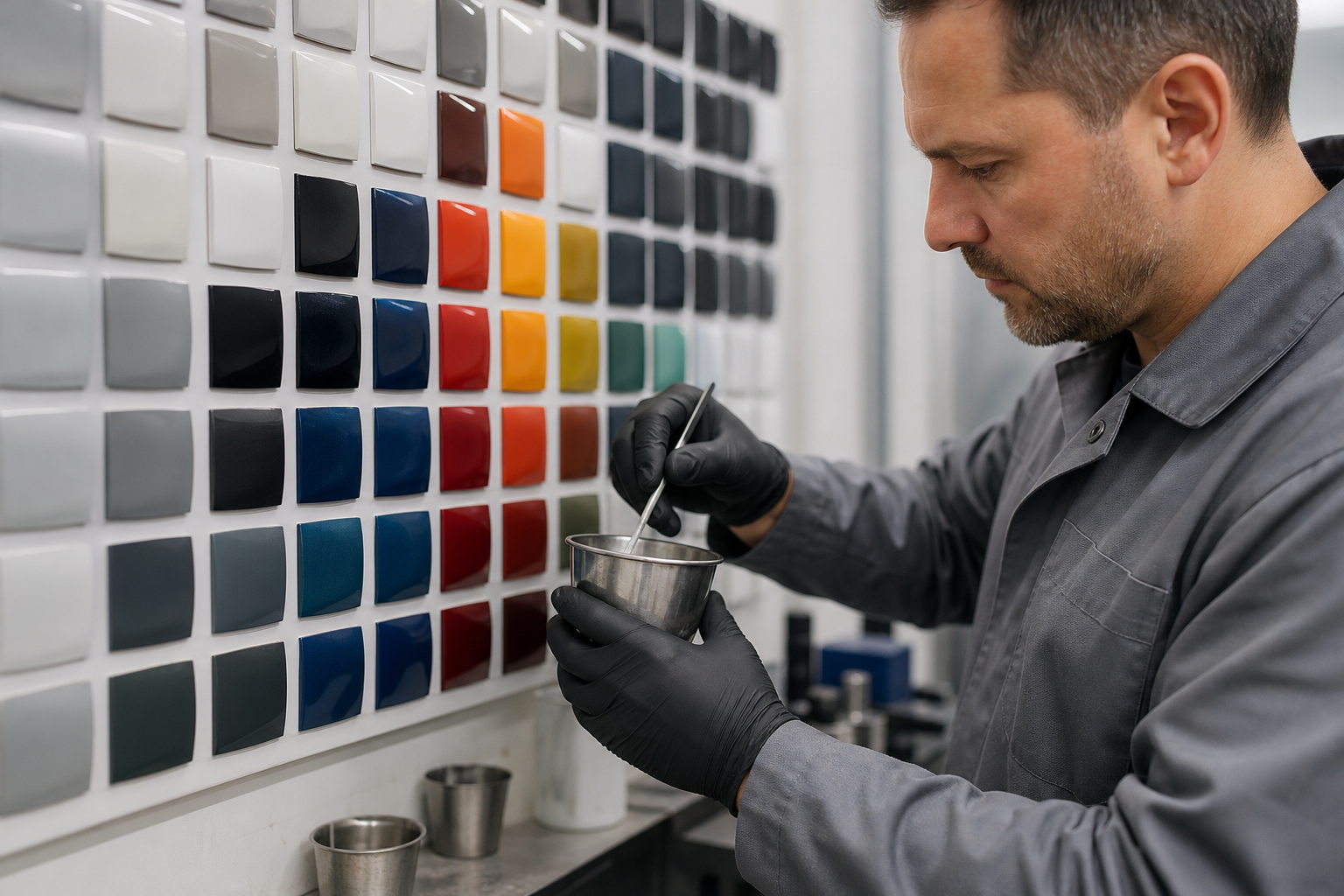
Precise paint matching is one marker of a certified collision repair facility’s attention to detail.
What Services a Certified Brea Body Shop Should Offer
A well-rounded, certified body shop should handle far more than simple dent repair. Typically, services include collision repair, precision dent removal, advanced paint matching, and frame straightening for structural damage. In addition, many shops assist with insurance claims directly, reducing paperwork stress for the vehicle owner.
Specifically, look for a shop that can service both domestic and foreign vehicles, since repair techniques and parts sourcing can vary significantly by manufacturer. For a full breakdown of available services, this service list outlines what a comprehensive facility typically provides, from minor cosmetic fixes to major collision restoration.
Licensed vs. Unlicensed Shops: Key Differences
Understanding the practical differences between licensed and unlicensed operators can help clarify why the distinction is worth prioritizing.
| Factor | Licensed Shop | Unlicensed Shop |
|---|---|---|
| State registration | Verified with BAR | None or unverifiable |
| Insurance coverage | Liability and garagekeepers insurance | Often uninsured |
| Regulatory recourse | Can file complaints with the state | No formal recourse |
| Warranty terms | Written, documented | Often verbal or absent |
Working with Insurance at a Certified Repair Facility
One common misconception is that insurance companies choose which shop repairs your vehicle. In reality, California law allows drivers to select their own repair facility, provided it is properly licensed. Therefore, you are never obligated to use a shop simply because it appears on an insurer’s preferred list.
When working with insurance, a certified shop typically handles direct communication with adjusters, submits supplemental claims for hidden damage, and provides documentation supporting the repair scope. According to the California Bureau of Automotive Repair, consumers have the right to choose their repair shop and request a written estimate before any work begins, which helps prevent disputes later in the process.
Common Mistakes When Choosing an Auto Body Shop
Many drivers choose a shop based purely on the lowest estimate, which can backfire if the facility uses substandard parts or lacks proper training. Similarly, skipping the license verification step leaves you with little protection if the repair fails.
Another frequent mistake involves ignoring warranty terms entirely. Above all, drivers should always request documentation in writing rather than relying on verbal promises. For a broader comparison of local options, this complete guide to Brea bodywork shops offers additional context for evaluating facilities before committing.
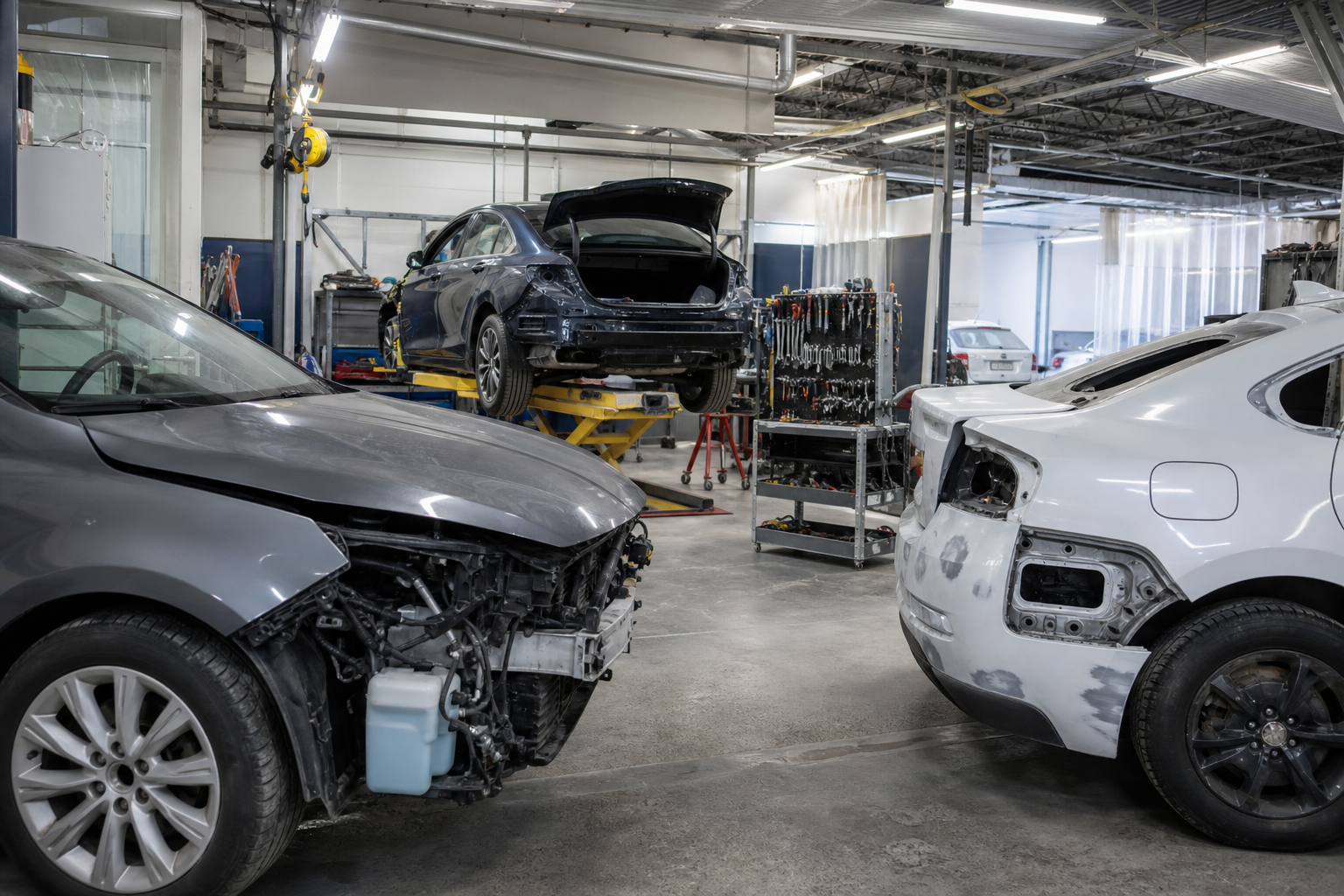
A certified repair garage typically handles multiple vehicles simultaneously, from minor dents to full collision restoration.
Frequently Asked Questions About Licensed Auto Body Shops in Brea
What does it mean when an auto body shop is licensed?
A licensed auto body shop has registered with California’s Bureau of Automotive Repair, met minimum insurance requirements, and agreed to follow state repair and disclosure regulations. This registration gives consumers a path for filing complaints if a repair goes wrong.
How do I find a licensed auto body shop in Brea?
Ask the shop for its BAR registration number and verify it directly on the California Bureau of Automotive Repair website. You can also check for visible certifications, such as I-CAR or ASE, displayed in the shop.
Why should I choose a licensed shop over an unlicensed one?
A licensed shop is legally accountable for its repairs and typically carries liability and garagekeepers insurance. Unlicensed operators offer no regulatory recourse if the repair fails or damages your vehicle further.
Is a licensed auto body shop more expensive than an unlicensed one?
Pricing varies by shop, but licensed facilities often cost comparably once you factor in warranty coverage and proper parts. Unlicensed shops may quote lower prices while cutting corners on materials or technique.
How long does collision repair take at a certified shop?
Minor cosmetic repairs can take two to three days, while structural or frame damage may require one to three weeks. Timelines depend on parts availability and the extent of the damage.
Will my insurance work with any licensed auto body shop in Brea?
In most cases, yes. California law gives drivers the right to choose their own repair shop regardless of insurer-preferred lists, as long as the shop is properly licensed.
What certifications should I look for besides a state license?
Look for I-CAR Gold Class training and ASE-certified technicians, which indicate ongoing education in current repair methods. Manufacturer-specific certifications are also valuable for aluminum or electric vehicle repairs.
What is the most common mistake drivers make when choosing a body shop?
The most common mistake is choosing a shop based solely on the lowest estimate without verifying licensing or warranty terms. This can lead to subpar repairs that cost more to fix later.
Can a licensed shop repair both foreign and domestic vehicles?
Most licensed, full-service shops are equipped to handle both foreign and domestic makes. It is still wise to confirm the shop has experience and parts access for your specific vehicle brand.
Does a licensed auto body shop in Brea offer paint matching?
Yes, reputable licensed shops use computerized color-matching systems to blend new paint seamlessly with a vehicle’s existing finish. This technology accounts for fading and factory variations.
How do I verify a shop’s warranty on repairs?
Ask for the warranty terms in writing before authorizing any work, including what is covered and for how long. Licensed shops typically offer written lifetime or multi-year warranties on workmanship.
What should a written repair estimate include?
A proper estimate should list parts, labor costs, paint and materials, and expected completion time. It should also note whether original equipment manufacturer or aftermarket parts will be used.
Final Thoughts
Choosing a licensed auto body shop in Brea protects both your vehicle and your legal standing throughout the repair process. From verifying BAR registration to checking I-CAR or ASE credentials, a few simple steps can save significant time and money down the road. In particular, working with a facility that handles collision repair, dent removal, and paint matching under one roof simplifies the experience for individual owners, insurance clients, and fleet managers alike.
Ultimately, taking the time to verify licensing, insurance, and certifications before authorizing repairs helps ensure your vehicle returns to the road safely and looks exactly as it should. For more information on collision repair services available locally, visit this collision repair overview or explore additional service details to see how a certified shop can help after an accident. You can also learn more at Wikipedia’s overview of auto repair shops or review training standards through I-CAR’s certification program.


