

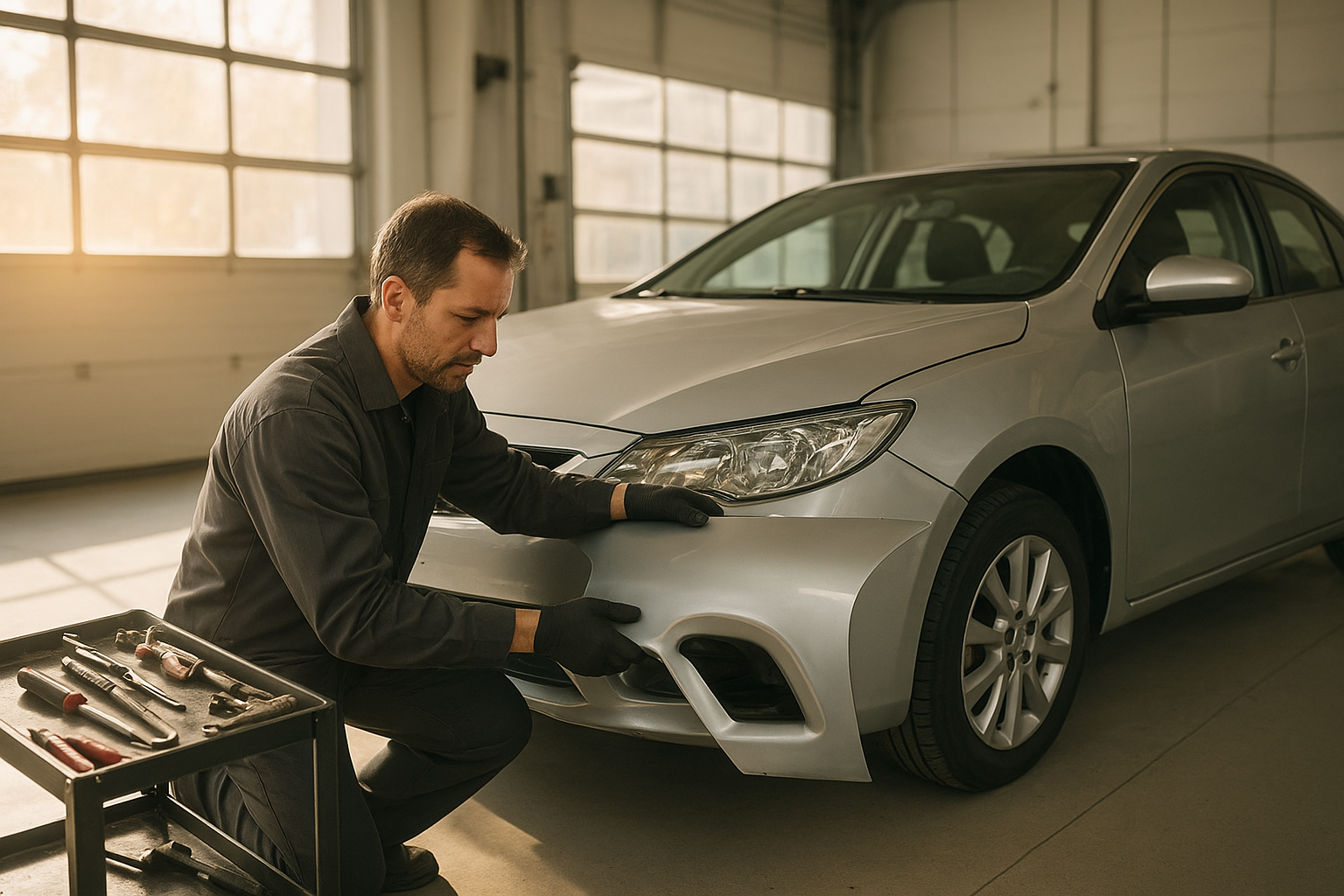
OEM auto body parts installation Brea drivers request most often involves replacing damaged bumpers, panels, or trim with components made directly by the vehicle’s original manufacturer. Consequently, the finished repair looks and performs like it never left the factory line. In particular, this matters after a collision when safety systems, panel gaps, and paint finish all depend on precise, manufacturer-approved parts. OEM auto body parts installation is the process of restoring a damaged vehicle using original equipment manufacturer components sourced directly from the automaker, rather than generic aftermarket substitutes.
Direct answer: OEM auto body parts installation means fitting a repaired vehicle with parts manufactured to the automaker’s exact original specifications. This approach preserves fit, safety performance, and warranty coverage better than most aftermarket alternatives.
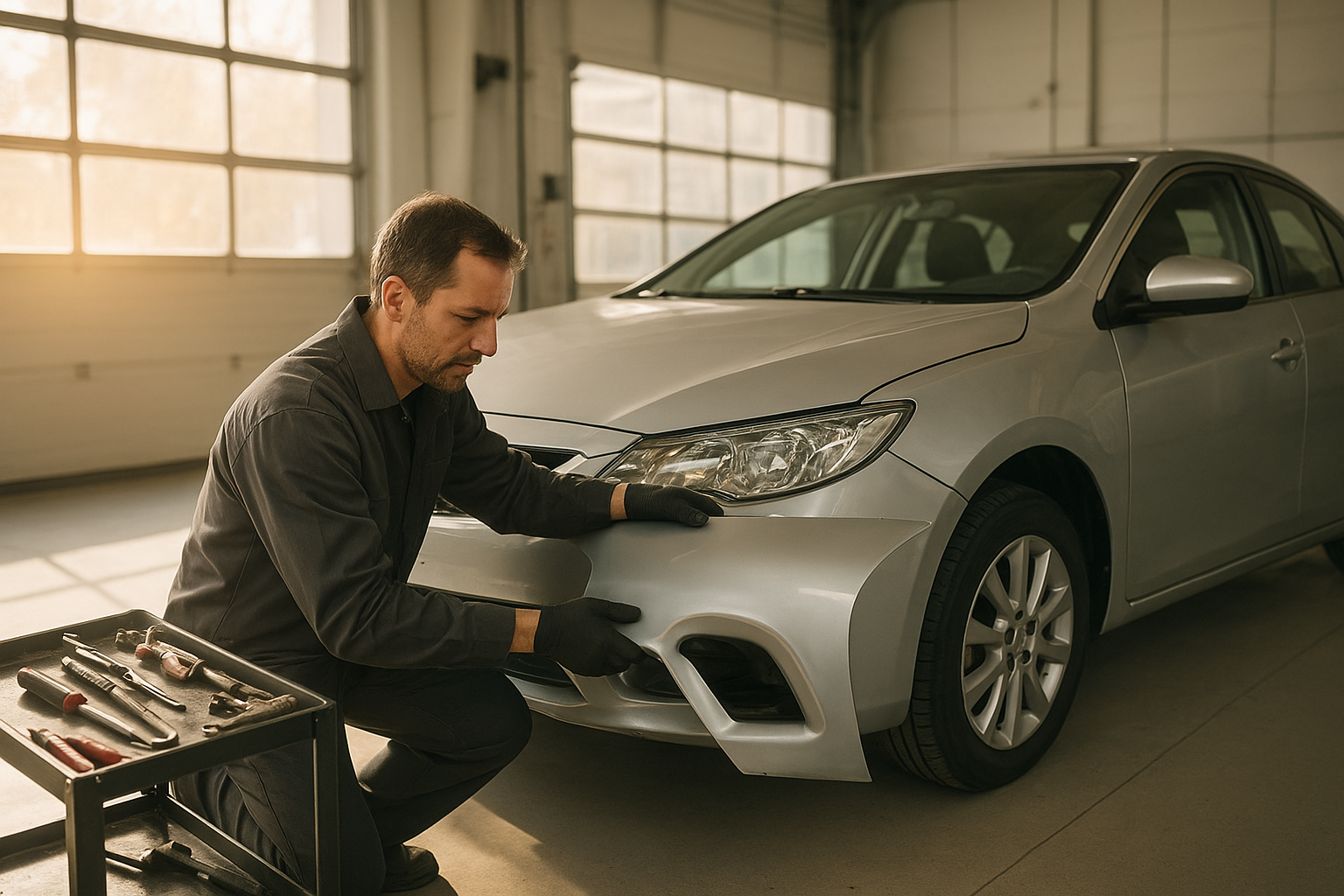
Precision fitting is central to OEM auto body parts installation Brea technicians rely on for a seamless repair.
What Is OEM Auto Body Parts Installation Brea Drivers Should Understand?
OEM auto body parts installation refers to sourcing and fitting parts made by, or specifically for, the vehicle’s original manufacturer. Unlike generic aftermarket pieces, these components are engineered to the exact tolerances used on the assembly line. As a result, panel gaps, mounting points, and safety features like sensor brackets align correctly the first time.
In Brea and throughout Orange County, many drivers first encounter this term when an insurance adjuster or repair estimate mentions “OEM” versus “aftermarket” parts. Understanding the difference helps drivers make informed decisions before authorizing repair work, especially for newer vehicles with advanced driver-assistance systems.
OEM vs. Aftermarket Parts: Why the Difference Matters
Not all replacement parts are created equal. Aftermarket parts are produced by independent manufacturers and can vary significantly in material quality, thickness, and corrosion resistance. In contrast, genuine OEM parts undergo the same testing standards as the components originally installed at the factory.
For example, a bumper reinforcement bar made to OEM specs is designed to absorb impact energy in a predictable way. Meanwhile, an aftermarket equivalent may not meet the same crash-performance benchmarks, according to research published by the National Highway Traffic Safety Administration. Therefore, the choice between OEM and aftermarket parts can influence occupant safety, not just appearance.
Additionally, aftermarket panels sometimes require extra labor to achieve proper fitment, which can increase repair time and cost despite a lower parts price. Above all, shops that specialize in OEM auto body parts installation Brea vehicle owners request tend to minimize these fitment surprises.
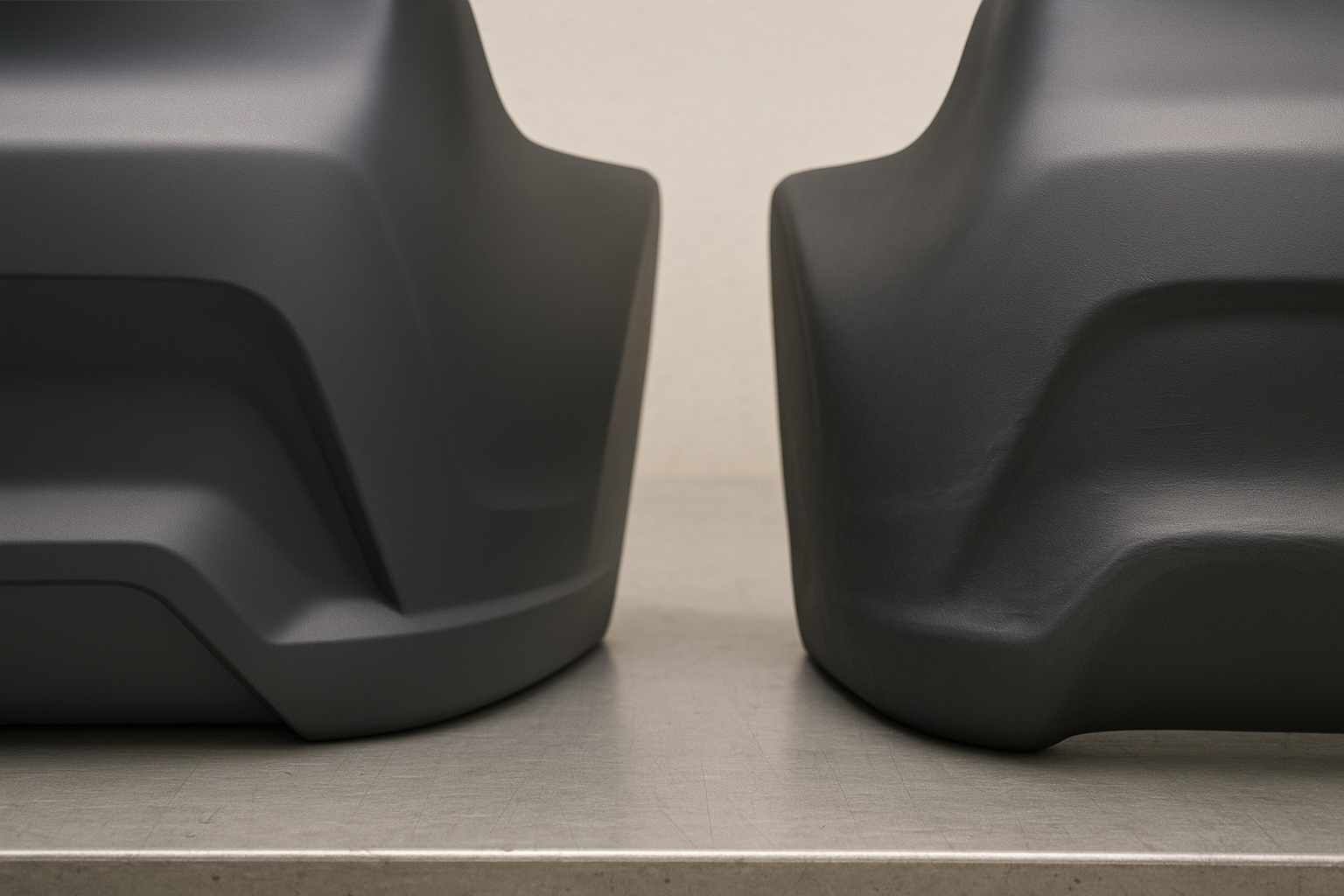
Fit and material quality often separate genuine OEM parts from generic aftermarket substitutes.
How the Installation Process Works Step by Step
A structured process helps ensure every OEM part fits correctly and performs as intended. Below is the general sequence a certified shop follows during collision repair.
- Damage assessment: A technician inspects the vehicle thoroughly to identify every damaged panel, bracket, or component that requires an OEM replacement rather than a simple repair.
- Ordering OEM parts: The shop contacts the manufacturer or an authorized dealer to order parts matching the vehicle’s exact model, trim level, and production year.
- Removing damaged components: Technicians carefully detach the damaged parts, checking underlying structures such as frame rails or mounting points for hidden secondary damage.
- Installing and aligning: New OEM components are fitted, bolted, or welded into place following manufacturer torque specs and alignment tolerances for a precise factory fit.
- Paint matching and inspection: The finished panel is blended using computerized paint matching, then the vehicle undergoes a final quality check and test drive before delivery.
Consequently, each step builds on the last, so skipping proper diagnosis or using mismatched parts can compromise the entire repair. Shops following this sequence, such as those detailed on the Brea collision repair and paint matching page, tend to deliver more consistent results.
Benefits of Genuine OEM Parts for Collision Repair
Choosing genuine OEM parts offers several practical advantages beyond appearance. First, they typically preserve manufacturer warranty coverage, since many warranties specify OEM parts for structural or safety-related repairs. Second, they support accurate function of advanced driver-assistance systems, which rely on sensors mounted at precise factory positions.
Furthermore, OEM parts tend to hold up better over time. Industry surveys cited by the Insurance Information Institute suggest that vehicles repaired with OEM components often experience fewer follow-up issues related to fit, rust, or premature wear compared to some aftermarket alternatives. In short, the higher upfront cost frequently pays off through longer-lasting results and stronger resale value.
Certified technicians trained through programs like I-CAR also stay current on evolving OEM repair procedures, which matters as vehicles incorporate more aluminum, high-strength steel, and electronic components. For readers who want a deeper dive into the training behind these standards, the Wikipedia overview of OEM manufacturing offers useful background.
Insurance Claims and OEM Auto Body Parts Installation Brea Residents Should Know
Insurance policies do not always default to OEM parts. Instead, many insurers authorize aftermarket parts to control claim costs unless the policyholder requests OEM coverage or the vehicle qualifies under specific state regulations. Therefore, it helps to review your policy language before repairs begin.
In California, drivers can often request OEM parts, though this may involve an additional endorsement or a small premium adjustment. Similarly, leased vehicles or those still under factory warranty frequently require OEM parts to remain compliant with lease-return or warranty conditions. Shops experienced with insurance-client work, such as those described on the trusted collision repair page, can help clarify these details before work starts.

Reviewing estimates helps drivers understand OEM parts coverage before repairs begin.
Choosing a Shop for Reliable OEM Parts Installation
Not every repair facility has the same access to genuine OEM parts or the training to install them correctly. Consequently, it’s worth checking for manufacturer certifications, I-CAR Gold Class status, and a track record with both domestic and foreign vehicles.
Brea Auto Body, for instance, works with individual owners, insurance clients, and fleet customers, coordinating directly with parts suppliers to source components suited to each make and model. Readers can explore available services, including accessory installation options, or browse the shop’s service listings for more detail. For a broader look at the facility and its capabilities, the shop overview page is a helpful starting point, and visitors can also learn more directly at breaautobody.com.
Above all, a transparent estimate that specifies OEM parts by name and part number gives drivers confidence that the repair will match factory standards from start to finish.
Frequently Asked Questions About OEM Auto Body Parts Installation Brea
What is OEM auto body parts installation Brea?
OEM auto body parts installation Brea refers to repairing a damaged vehicle using components made by the original automaker rather than generic replacements. These parts match factory specifications for fit, safety, and finish.
How do OEM parts differ from aftermarket parts?
OEM parts are produced to exact factory specs, while aftermarket parts come from third-party makers with varying quality standards. As a result, fit, corrosion resistance, and crash performance can differ noticeably between the two.
Why should I choose OEM parts for collision repair?
OEM parts help preserve a vehicle’s safety ratings, warranty coverage, and resale value because they match the original design precisely. This reduces the risk of poor panel alignment or premature wear.
How long does OEM parts installation take?
Most OEM installation jobs take between three and seven business days, depending on parts availability and damage severity. Backordered components can extend the timeline in some cases.
How much does OEM auto body parts installation cost in Brea?
Costs vary based on the part, vehicle make, and labor involved, but OEM components typically cost more upfront than aftermarket alternatives. Most shops provide a written estimate after a free damage assessment.
Will my insurance cover OEM parts installation?
Coverage depends on your policy; some insurers default to aftermarket parts unless you request OEM coverage or your vehicle is still under factory warranty. Reviewing your policy language before repairs begin is a smart step.
What common mistakes do drivers make when choosing replacement parts?
A common mistake is accepting the cheapest part without checking whether it meets OEM specifications for safety systems. Skipping a shop’s certification credentials before authorizing work is another frequent oversight.
Are OEM parts required to maintain my vehicle’s warranty?
Many manufacturer warranties specify OEM parts for structural or safety-related repairs to remain valid. Checking your owner’s manual or warranty terms clarifies this before repairs start.
Can aftermarket parts affect my car’s resale value?
Yes, buyers and dealers often ask whether repairs used OEM or aftermarket parts, and non-OEM work can lower perceived value. Documentation showing OEM installation can support a stronger resale price.
What certifications should a Brea auto body shop have for OEM installation?
Look for I-CAR Gold Class training and manufacturer-specific certifications, which indicate technicians follow current OEM repair procedures. These credentials also suggest proper equipment for precision fitting.
How can I verify a part is genuine OEM?
Genuine OEM parts typically carry the manufacturer’s logo, part number, and packaging matching factory documentation. Reputable shops can show purchase records tying the part directly to the automaker or an authorized dealer.
Does Brea Auto Body install OEM parts for all vehicle makes?
Brea Auto Body works on both domestic and foreign vehicles, sourcing OEM components suited to each make and model. Technicians coordinate directly with parts suppliers to confirm compatibility before ordering.
What steps are involved in the OEM parts installation process?
The process generally includes damage assessment, OEM parts ordering, precision installation, paint matching, and a final quality inspection. Each stage confirms the vehicle meets factory fit and finish standards.
Is OEM parts installation only for major collision damage?
No, OEM parts are also used for smaller repairs like bumper covers, mirrors, or trim pieces, not just major structural damage. Even cosmetic fixes benefit from factory-matched components for a seamless appearance.
How do I schedule OEM auto body parts installation in Brea?
Most shops allow you to request an estimate online or by phone, followed by an in-person inspection to confirm parts needed. From there, the shop orders OEM components and schedules your repair appointment.
Final Thoughts on OEM Auto Body Parts Installation Brea Drivers Can Trust
Ultimately, OEM auto body parts installation Brea drivers choose comes down to protecting safety, warranty terms, and long-term vehicle value. Genuine OEM parts fit correctly, support advanced safety systems, and typically hold up better than many aftermarket alternatives. In addition, working with a certified, transparent shop makes the entire process smoother, from insurance coordination to final paint matching. Whether the damage is minor or involves structural repair, choosing OEM auto body parts installation Brea residents can rely on helps get vehicles back on the road safely and confidently.

