

Professional auto body services combine certified technician training, precision equipment, and quality materials to restore a vehicle to its pre-accident condition after a collision, dent, or paint issue. Choosing the right shop matters just as much as the repair itself, because poor workmanship can affect both your car’s safety and its resale value. This guide walks through exactly what to look for before you hand over your keys.
Quick Answer: Professional auto body services are certified collision repair, dent removal, and paint-matching work performed with manufacturer-approved procedures. Look for I-CAR or ASE certification, a written estimate, OEM parts disclosure, and a workmanship warranty before choosing a shop.
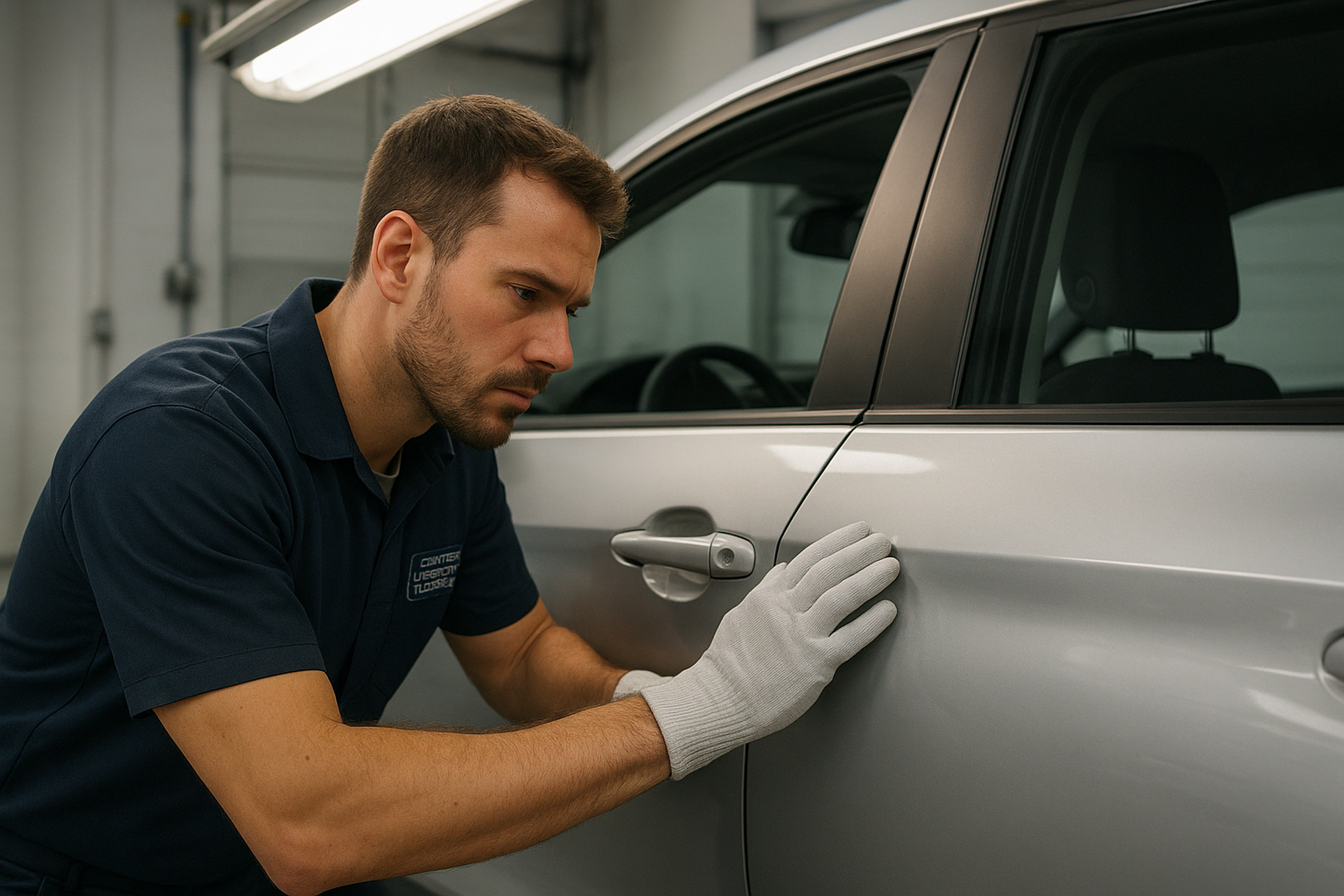
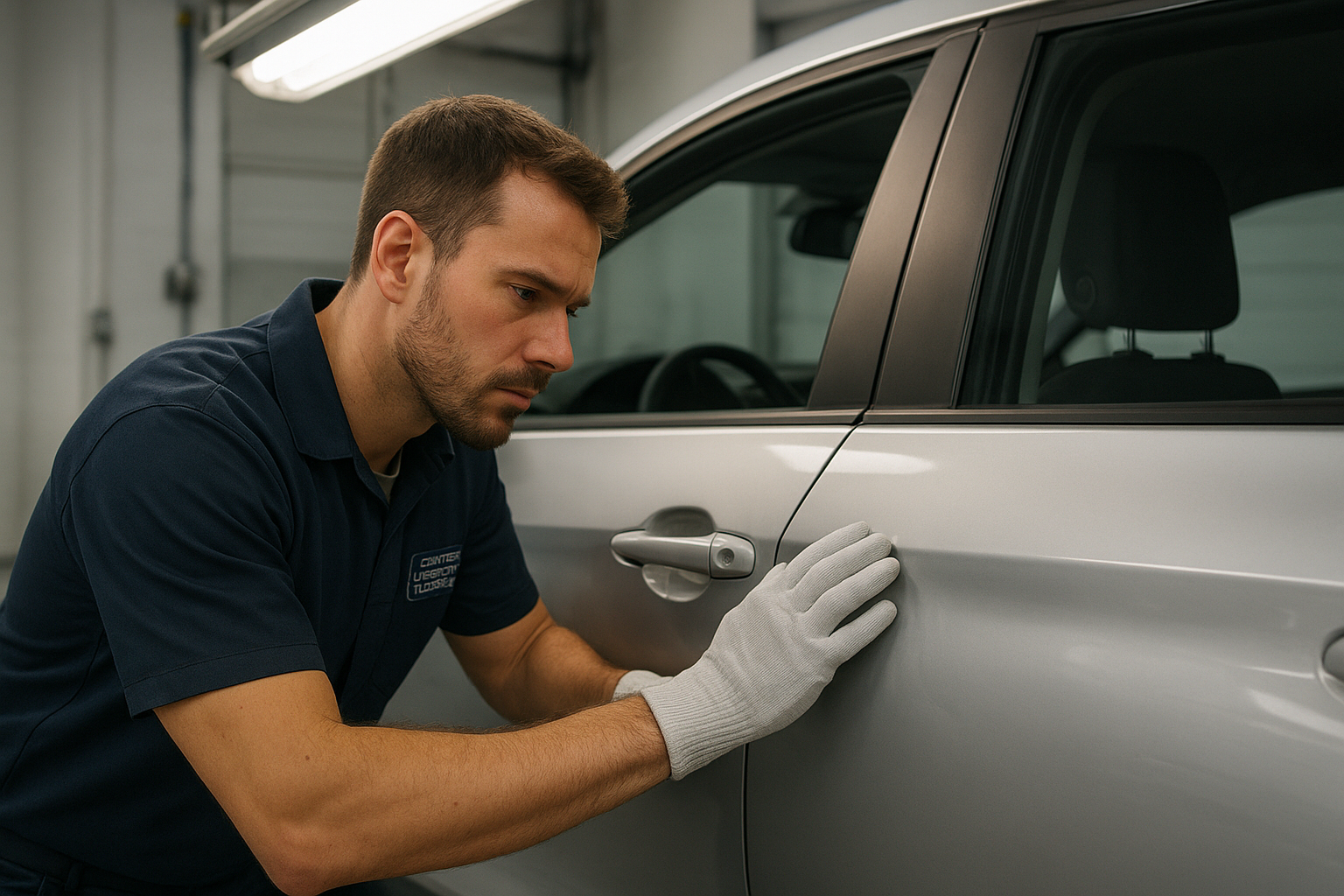
Careful panel inspection is one of the first steps in professional auto body services.
What Is Professional Auto Body Services?
Professional auto body services is the umbrella term for collision repair, structural realignment, dent correction, and refinishing work carried out by trained technicians following manufacturer and industry procedures. Unlike a quick fix at a general repair garage, these services rely on calibrated equipment, factory repair data, and quality-tested materials.
In practice, this means a shop diagnoses the full extent of damage first, rather than only addressing what is visible. For example, a bent bumper can hide misaligned brackets or sensor damage that affects safety systems like automatic braking. Consequently, a professional approach protects both appearance and function.
Why Certification Separates Skilled Shops From the Rest
Certification is one of the clearest signals of a certified auto body repair provider. Two credentials matter most: I-CAR training, which focuses on modern vehicle repair procedures, and ASE certification, which tests individual technician competency across specialties like painting and structural repair.
Shops that invest in ongoing training tend to keep pace with new vehicle materials, such as aluminum panels and advanced driver-assist sensors. As a result, certified technicians are better equipped to handle both older domestic vehicles and newer foreign models with complex electronics. If you’re comparing local options, the team profile at this overview of specialized body shop work shows how certification translates into specific repair capabilities.
How to Evaluate a Quality Collision Repair Shop
Evaluating a shop does not need to be complicated, but it does require asking the right questions in the right order. Use the steps below as a practical checklist before authorizing any repair work.
- Verify certifications and credentials. Confirm current I-CAR or ASE status rather than relying on outdated signage.
- Request a detailed written estimate. Line-item pricing prevents surprise charges later in the process.
- Ask about warranty coverage. A confident shop backs its workmanship in writing.
- Confirm OEM parts and paint-matching process. This affects both fit and long-term appearance.
- Review communication and timeline expectations. Clear updates reduce stress during longer repairs.
Notably, shops that welcome these questions typically demonstrate more transparency overall. For a closer look at how a local Orange County provider structures its process, the full service grid outlines each repair category from start to finish.
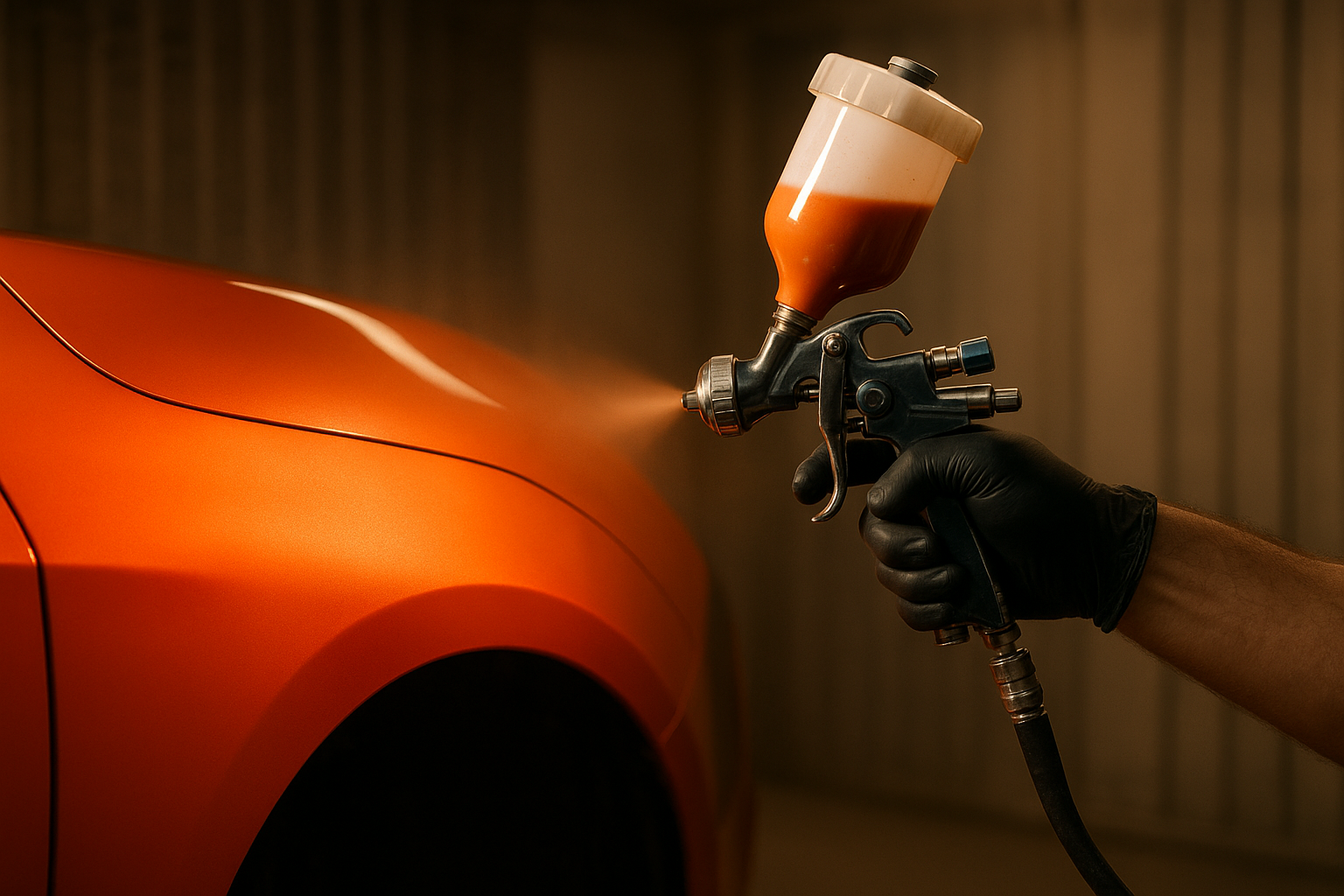
Precise color matching is a hallmark of professional auto body services.
Working With Insurance Claims and Adjusters
Insurance involvement adds another layer to the repair process, and understanding your rights helps you avoid pressure to use a specific shop. According to guidance from the Federal Trade Commission, drivers generally have the right to choose their own repair facility, even when an insurer suggests a preferred network.
That said, working closely with the shop’s estimator can speed up claim approval. Many facilities that serve insurance clients directly communicate with adjusters to submit supplemental estimates when hidden damage appears mid-repair. Therefore, choosing a shop experienced with insurance paperwork, such as the process detailed on this Brea auto body service page, can reduce delays significantly.
What Drives Auto Body Repair Costs?
Repair costs depend on damage severity, parts availability, and labor complexity. Industry tracking from major claims-data providers indicates that average collision repair claims in the United States have climbed past $4,000 in recent years, driven largely by sensor recalibration and lightweight materials that require specialized tools.
In contrast, minor cosmetic work like small dents or scuffed bumpers often costs a few hundred dollars. Above all, a trustworthy shop breaks down these cost drivers clearly instead of presenting a single vague number. Getting a written estimate, as mentioned earlier, remains the best defense against unexpected charges.
Red Flags to Watch For When Selecting a Repair Shop
Certain warning signs suggest a shop may cut corners. Watch for shops that refuse to provide a written estimate, pressure you to skip insurance documentation, or cannot explain their paint-matching process clearly.
Similarly, be cautious of unusually low quotes that seem disconnected from the visible damage. Specifically, a quote far below competitors’ estimates often means aftermarket parts or reduced labor time, which can affect long-term durability. Reading recent customer feedback, such as the experiences shared on this shop’s customer service overview, can reveal how a facility handles communication under pressure.
Domestic and Foreign Vehicle Repair Expertise
Not every shop handles domestic and foreign vehicles with the same level of skill. Foreign vehicles, in particular, may require brand-specific paint codes, proprietary parts, and manufacturer-specific structural repair procedures that differ from domestic models.
For this reason, it’s worth confirming a shop’s experience with your specific make before booking an appointment. Facilities that detail their capabilities, like the answer provided on whether foreign auto body repairs are supported, give drivers a clearer picture of what to expect. The National Highway Traffic Safety Administration also publishes general guidance on structural repair standards that apply regardless of vehicle origin.
Finding Professional Auto Body Services in Brea, California
For drivers throughout Orange County, choosing a local facility with certified technicians and transparent pricing simplifies the entire repair experience. Brea Auto Body, reachable at breaautobody.com, serves individual owners, insurance clients, and fleet customers with collision repair, precision dent removal, and advanced paint matching for both domestic and foreign vehicles.
Ultimately, the combination of certified staff, clear communication, and quality materials is what separates a dependable repair experience from a frustrating one. Whether the damage is minor or structural, asking the right questions upfront leads to a smoother outcome.
Frequently Asked Questions About Professional Auto Body Services
What are professional auto body services?
Professional auto body services are collision repair, dent removal, frame straightening, and paint-matching work performed by trained technicians to restore a vehicle’s structure and appearance after damage. These services follow manufacturer procedures and industry safety standards rather than shortcuts.
How do I know if an auto body shop is certified?
Ask to see current I-CAR Gold Class or ASE certification documents, usually displayed in the shop’s office or listed on its website. You can also verify credentials directly through the certifying organization’s online locator tool.
Why does paint matching matter after a collision repair?
Paint matching ensures the repaired panel blends seamlessly with the rest of the vehicle instead of showing a visible color difference. A poor match lowers resale value and signals rushed work.
How long does a typical auto body repair take?
Minor cosmetic repairs often take one to three days, while structural or frame damage can take one to three weeks. Parts availability and insurance approval timelines also affect the schedule.
What is the average cost of professional auto body services?
Costs vary by damage severity, but industry data shows many collision repair claims now average well over $4,000. Minor panel repairs can cost several hundred dollars, while structural work runs into the thousands.
Can I choose my own repair shop instead of the insurer’s recommendation?
Yes, in nearly every state you have the legal right to select the repair facility of your choice, regardless of which shop your insurer recommends. Insurers may suggest a preferred network, but the final decision belongs to the vehicle owner.
What is the difference between OEM and aftermarket parts?
OEM parts are made by the vehicle’s original manufacturer and match factory specifications exactly, while aftermarket parts come from third parties and can vary in fit. Reputable shops explain which type they plan to use before starting work.
Do auto body shops repair both domestic and foreign vehicles?
Many established shops service both domestic and foreign vehicles, but technicians need brand-specific training for accurate paint codes and structural procedures. Ask directly whether the shop has experience with your specific make and model.
What common mistakes do drivers make when picking a repair shop?
Common mistakes include choosing a shop based only on price, skipping the written estimate, and not asking about warranty coverage. Drivers also sometimes skip verifying certifications, which can lead to inconsistent repair quality.
How does frame or structural damage repair differ from cosmetic repair?
Structural repair involves realigning or replacing the vehicle’s frame and safety systems using specialized equipment to restore crash-test integrity. Cosmetic repair addresses surface-level dents and paint without affecting the underlying structure.
What warranty should I expect from a reputable body shop?
Reputable shops typically offer a written warranty covering workmanship and paint for as long as you own the vehicle, or at least several years. Always get warranty terms in writing before authorizing repair work.
Is it worth repairing a vehicle after a total loss estimate?
It depends on the gap between repair cost and the vehicle’s actual cash value; if repairs cost less than the car is worth, repairing is usually the better choice. A trusted shop can provide a detailed estimate to compare against the insurer’s total loss figure.
How can I prepare my vehicle before dropping it off for repair?
Remove personal belongings, note the current mileage, and take photos of the damage and interior condition before drop-off. This documentation protects you and helps the shop plan the repair accurately.
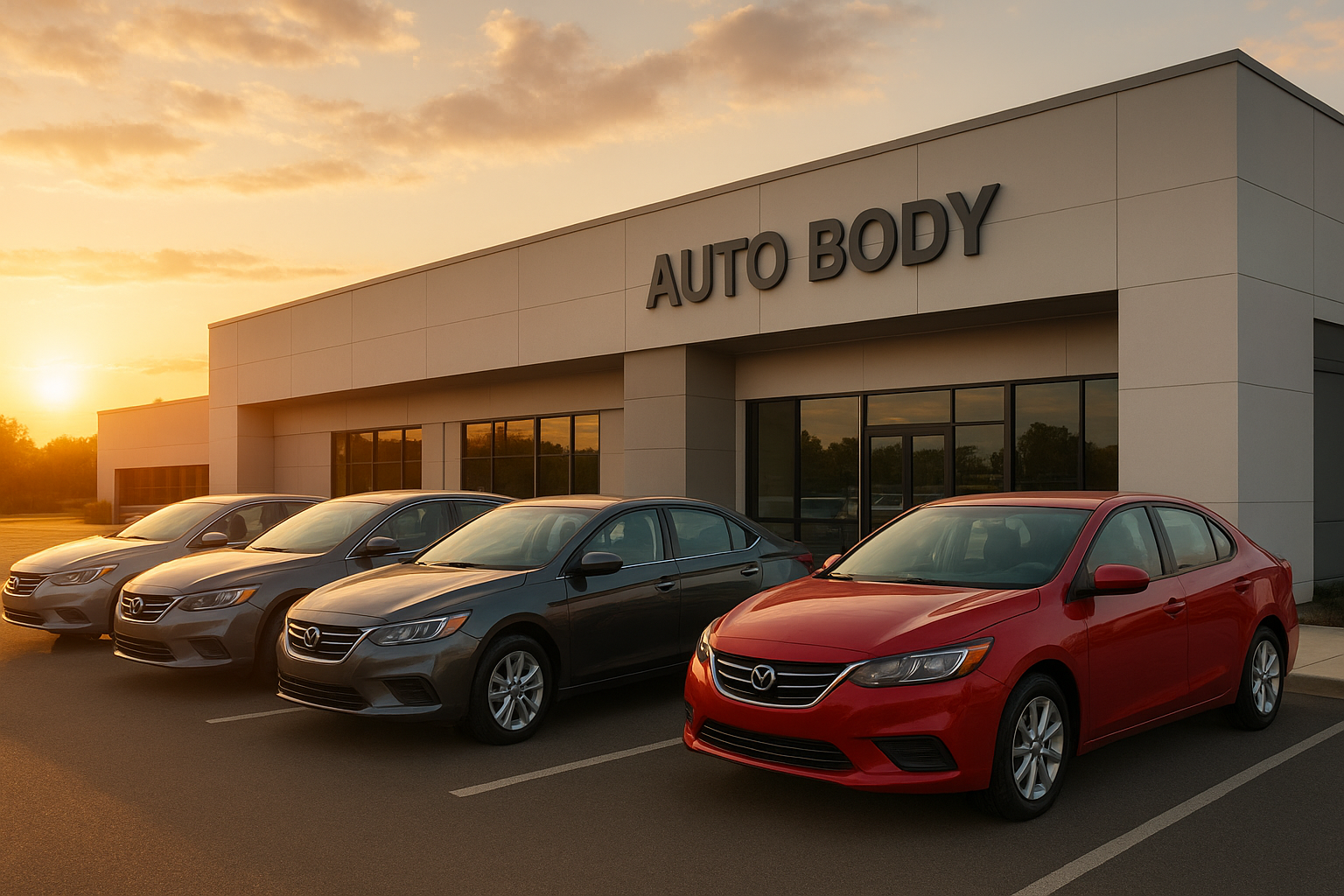
Finished repairs reflect the standards behind reliable professional auto body services.
Final Thoughts on Choosing the Right Shop
In summary, professional auto body services depend on certified technicians, transparent estimates, and a clear paint-matching and warranty process. Whether your vehicle needs minor dent repair or significant structural work, comparing shops using the checklist above helps you avoid costly mistakes. As a result, drivers throughout Orange County can move forward with confidence, knowing their vehicle is restored safely and correctly by a team that stands behind its work.

