

Expert Collision Repair: What It Really Takes to Restore Safety, Value, and Pride

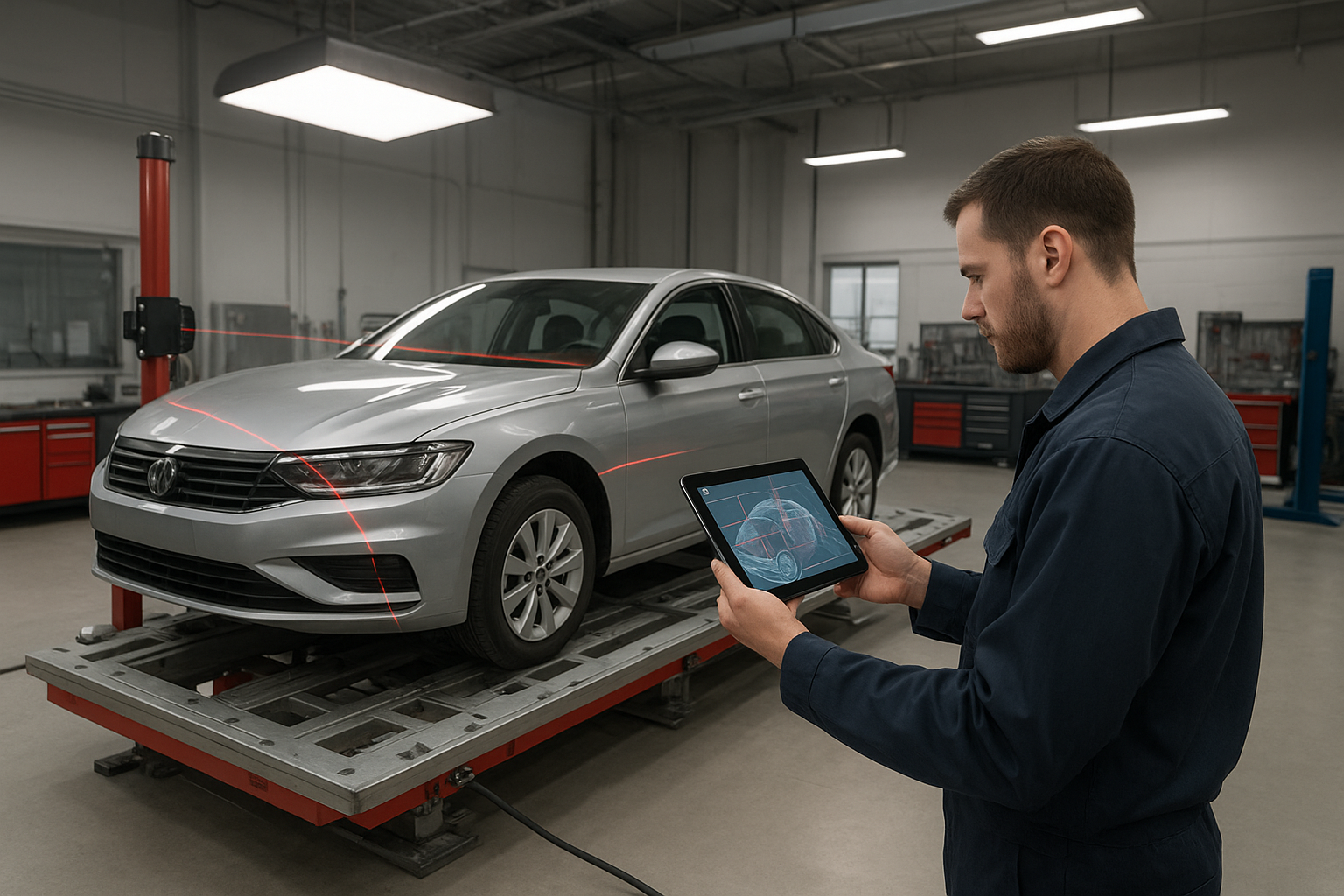
Expert collision repair takes place in a modern collision repair bay where precise measurements and digital scans guide every step.
When drivers search for expert collision repair, they’re looking for more than a quick cosmetic fix—they want their vehicle restored to pre-loss condition using OEM-approved methods, materials, and measurements. This guide breaks down what “expert” truly means in today’s repair landscape, from structural straightening and color-accurate refinishing to advanced ADAS calibrations and customer advocacy through the insurance process.
What “expert collision repair” really means in 2026
Collision repair has evolved. Modern vehicles integrate advanced high-strength steels, aluminum, carbon fiber, complex paint systems, and increasingly sophisticated safety tech. Expertise now requires:
OEM repair procedures (see Honda collision repair Brea). The gold standard is following the automaker’s model-specific playbook—fasteners, sectioning points, bonding/riveting methods, and torque specs—to ensure crashworthiness is restored. Shops that prioritize OEM procedures don’t “wing it”; they look up, verify, and document the exact steps for your VIN.
Precision measuring and structural accuracy. Calibrated frame benches and 3D or laser measuring systems confirm your unibody or body-on-frame is pulled back within tight tolerances. Without those numbers, “straight” is just a guess.
Advanced materials know-how — see BMW collision repair for a model-specific example. Aluminum, boron steel, and composites demand different cutting, welding, bonding, and corrosion control techniques. The right welders, rivet guns, adhesives, and isolation practices are non-negotiable.
Certified technicians and ongoing training. Look for a culture of continuous education (for example, I?CAR training and OEM programs) so technicians are current on the latest substrates and safety systems.

The expert collision repair workflow is a measured, documented process—never guesswork.
The end-to-end process: how professionals return your car to pre-loss condition
1) Blueprinting with scans and measurements
It starts with a thorough blueprint—a step-by-step plan informed by pre-repair scanning, disassembly, and structural measurements (see the Brea Auto Body Shop Guide). Pre-scans reveal fault codes and hidden system issues. Disassembly uncovers concealed damage to brackets, sensors, and harnesses. A complete blueprint avoids “surprise supplements” and sets a realistic timeline.
2) Structural repairs on calibrated equipment
For unibody and frame damage, technicians mount the vehicle to a bench, then use laser or 3D targets to verify factory dimensions. Pulls are made in controlled increments to prevent collateral distortion. If OEM procedures require sectioning, proper cut locations, reinforcement methods, and corrosion protection are followed precisely. The result is a straight, structurally sound platform that performs as designed in a future impact.
3) Mechanical systems and safety tech
Collisions often affect cooling systems, suspensions, steering, and exhaust components. Expert shops handle these mechanical items in-house or with specialized partners. Equally important, they verify alignment specs and ensure steering angle sensors, radar brackets, and camera mounts are intact before calibration begins.
4) Refinishing with color science
Color match is part art, part science. Spectrophotometers read your paint, blending techniques ensure seamless transitions, and UV or bake-cure systems deliver durable finishes. Clean-room discipline—proper masking, dust control, and gun maintenance—prevents nibs and texture mismatch. Finally, gloss, orange peel, and texture are compared to adjacent OEM panels for a factory-like appearance.
5) ADAS calibration and post-repair validation
Front crash sensors, radar modules, lidar, and cameras must “see” precisely. Depending on your make and model, experts perform static and/or dynamic calibrations, using target boards, precise floor leveling, and specific lighting conditions mandated by the OEM. A post-repair scan and a documented road test confirm systems are operational and fault-free before delivery.

ADAS calibration is critical to restoring automated safety features after body and structural repairs.
Safety and value: why the details matter
In a modern vehicle, even a small misalignment can ripple into safety hazards: lane-keeping cameras read road markings inaccurately, adaptive cruise control misjudges following distance, or airbag timing changes during a crash. That’s why expert collision repair emphasizes OEM documentation, verified measurements, and calibration printouts in your file. Beyond safety, precise work preserves resale value, prevents premature corrosion, and keeps paint aging uniformly across panels.
Curious about how safety systems interact? Independent resources like the National Highway Traffic Safety Administration and training organizations such as I?CAR publish educational materials that highlight why proper repair and calibration are non-negotiable.
Navigating insurance without the headaches
Quality shops help you understand your rights: you choose the repair facility, not the insurer. A seasoned advisor will review your estimate line by line, explain OEM procedure requirements, and coordinate any supplements with adjusters. The goal isn’t to “pad” costs; it’s to align the repair plan with what your specific vehicle needs to be safe and correct—nothing more, nothing less.
Expect transparent updates at critical milestones—after blueprinting, after structural completion, pre-paint, post-calibration—and clear documentation you can reference later. A professional handoff at delivery walks through panel gaps, color harmony, feature functionality, and care instructions for new finishes.
How to choose the right shop—without guesswork
Instead of scanning reviews alone, focus on evidence. Ask how the shop accesses OEM procedures for your exact VIN and how those steps appear on your estimate. Request a look at their measuring system reports and calibration printouts. Inquire about training paths for the technicians who’ll touch your vehicle and how the facility handles advanced substrates (aluminum bays, dedicated tools, and isolation to prevent galvanic corrosion). Finally, look at their delivery checklist—does it include panel alignment, feature testing, road-test documentation, and post-repair scans? The best shops will be proud to show you their process. Read our guide on how to choose a trusted body shop for practical questions to ask.
Expert collision repair in Brea: where to start
If you’re in North Orange County, a local resource worth considering is expert collision repair in Brea. Reviewing a shop’s site can help you understand their approach to blueprinting, structural measurement, refinishing, and calibrations before you ever set an appointment. Explore the process pages and customer resources at breaautobody.com to see how professionals communicate timelines, updates, and repair documentation.
FAQ: direct answers to common owner questions
Will my car ever be the same?
When the repair follows OEM procedures, verified measurements, and proper calibrations, your vehicle can be returned to its pre-loss function and appearance. The key is documented process control—blueprinting, structural reports, and calibration results you can keep.
How long will it take?
Cycle time depends on parts availability, the extent of structural and mechanical work, and calibration complexity. Shops that blueprint thoroughly up front tend to avoid mid-repair delays, leading to more predictable timelines.
What about aftermarket or recycled parts?
Many repairs blend new OEM, recycled OEM, and occasionally aftermarket components. An expert advisor will explain tradeoffs for safety, fitment, corrosion protection, and warranty, always deferring to OEM requirements when they impact crash performance or sensor alignment.
Your next step
Expert collision repair is a disciplined, data-driven craft. Whether your vehicle needs minor cosmetic work or a structural overhaul with ADAS calibration, choose a shop that proves its process—not just promises it. If you’re local, start by reviewing the approach and contact options at Brea Auto Body, then schedule a consultation to get a clear, accurate plan for restoring your car’s safety, value, and style. Last updated: 2026-06-22. Author: Brea Auto Body team.

