

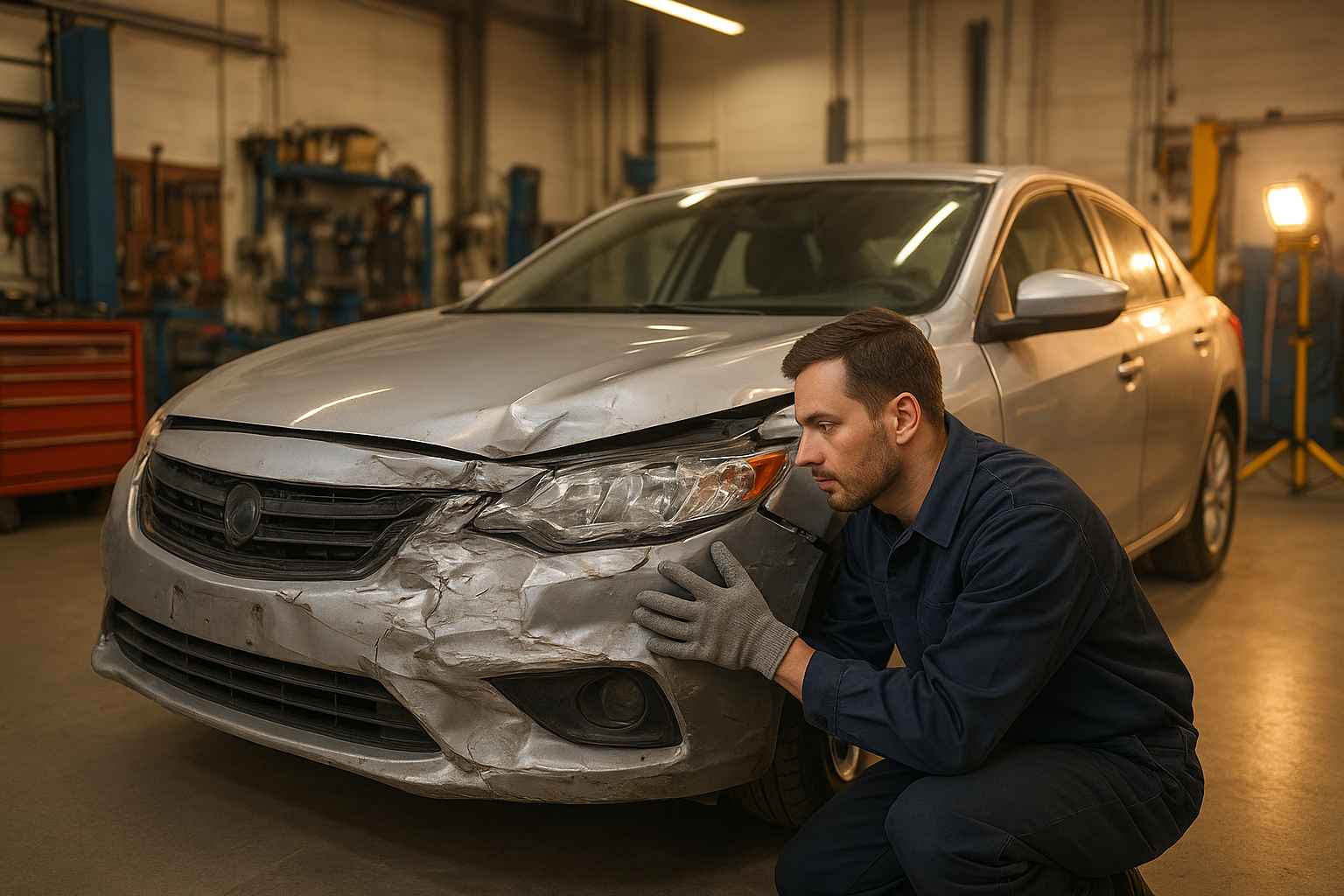
Body shop work is the professional trade of repairing, restoring, and refinishing a vehicle’s exterior panels, frame, and structural components after a collision, hailstorm, or years of cosmetic wear. Whether you just walked away from a fender bender or you’ve been staring at a scratch on your bumper for six months, understanding body shop work helps you make smarter decisions about your car, your safety, and your wallet. This guide covers everything the topic touches — repair types, real cost ranges, certifications, insurance programs, warranties, and the exact step-by-step process a vehicle goes through — so you never have to search for a second source again.
According to the Insurance Information Institute, the average auto collision claim in the United States now exceeds $4,700. That figure alone explains why body shop work is one of the most common — and most consequential — services a driver will ever pay for.
What Is Body Shop Work, Exactly?
Body shop work refers to any repair, restoration, or refinishing service performed on a vehicle’s body, frame, or exterior finish. It is distinct from mechanical repair, which handles the engine, transmission, and drivetrain. Instead, body shop specialists focus on panels, paint, glass, bumpers, and structural alignment — in short, everything that determines how a car looks and how safely its frame protects the people inside it.
Furthermore, modern body shop work increasingly relies on computerized systems for frame measurement, color matching, and sensor recalibration. As a result, today’s auto body repairs are more precise, more data-driven, and longer-lasting than the repairs of even a decade ago.
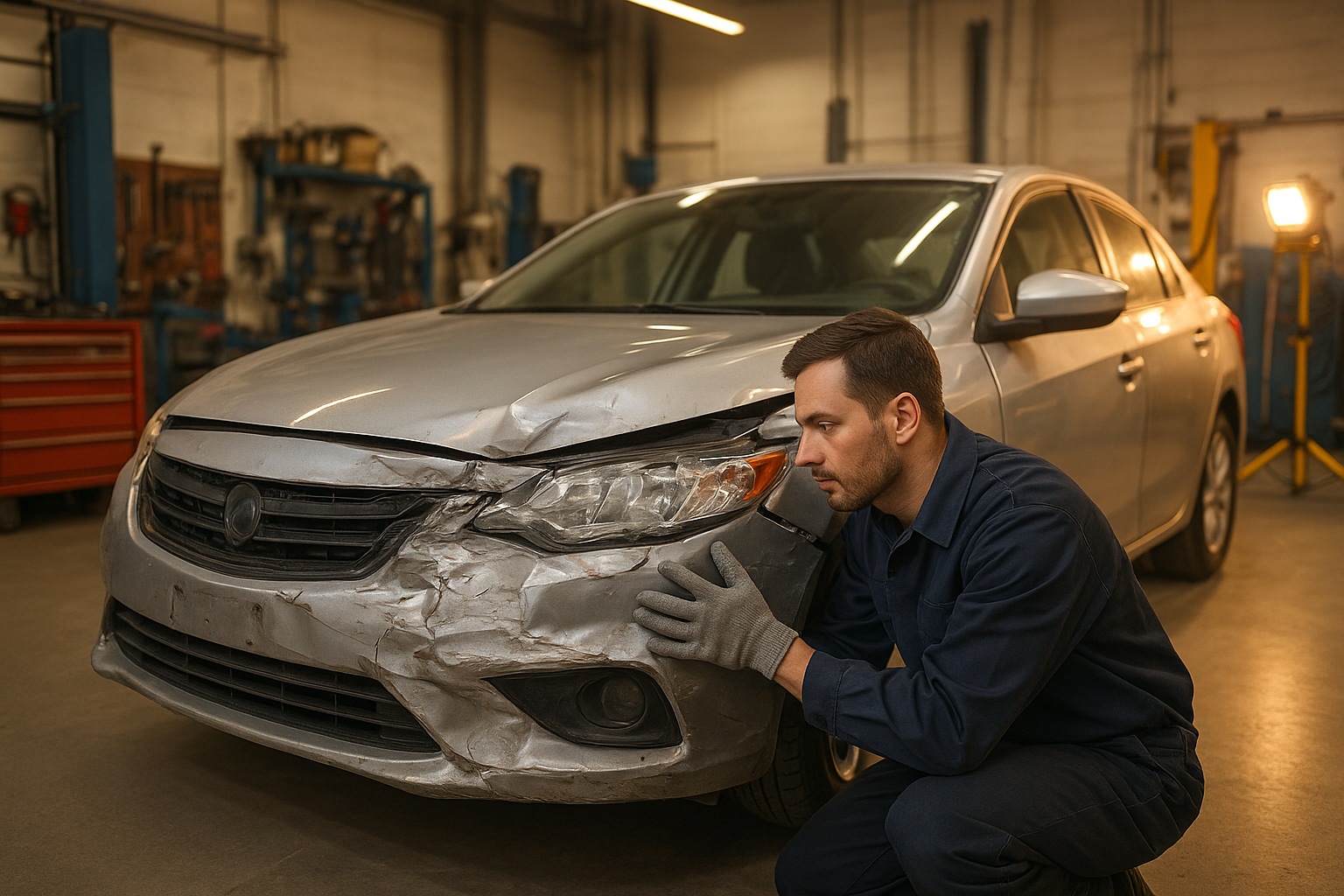
A certified technician carefully assesses vehicle damage as the first step in professional body shop work.
Body Shop Work vs. Mechanical Repair: What’s the Difference?
Many drivers use “body shop” and “mechanic” interchangeably, but the two trades solve entirely different problems. A mechanical repair shop diagnoses and fixes what makes a car run — engines, brakes, transmissions, and electronics. A body shop, in contrast, restores what makes a car whole and safe to look at after an impact.
- Body shop: panels, frames, paint, glass, bumpers, structural alignment, and refinishing.
- Mechanical shop: engine performance, transmissions, brakes, suspension, and drivetrain diagnostics.
- Overlap: after a serious collision, many vehicles need both — for example, a bent radiator support (body) paired with a damaged air conditioning condenser (mechanical).
Consequently, a full-service auto body shop will often coordinate with, or directly employ, mechanical specialists so that every affected system — visible and invisible — gets addressed under one roof.
Types of Repairs Covered by Professional Body Shop Work
Not all vehicle damage looks the same, and a capable shop must be equipped to handle a wide spectrum of repair needs. Below are the services you’re most likely to encounter.
Collision Repair and Structural Restoration
Collision repair sits at the core of body shop work. After an accident, a vehicle’s frame or unibody structure — the welded steel shell that forms the car’s skeleton, explained further below — may be bent or misaligned. Technicians use computerized frame-straightening equipment to pull the structure back to factory-specified measurements. This step matters for appearance, yes, but far more for how the car will absorb impact in a future collision.
In addition, damaged panels are either repaired or replaced depending on severity. Skilled technicians evaluate each panel individually to determine the safest, most cost-effective path forward.
Precision Dent Removal
Dent removal is one of the most requested services in any body shop. For minor dents — hail damage, shopping cart dings, small door impacts — technicians often use paintless dent removal (PDR), a technique that massages metal back into shape from behind the panel without disturbing the factory paint. This method is faster, cheaper, and preserves the original finish.
However, larger or creased dents usually need filler, sanding, and repainting. In those cases, an experienced technician blends the repair invisibly into the surrounding surface.
Advanced Paint Matching and Refinishing
Paint matching is one of the most technically demanding parts of auto body repair. Modern vehicles carry unique color codes, metallic flakes, and clear coat layers that must be replicated precisely. Reputable shops use computerized spectrophotometers — devices that read and match paint color to a fraction of a percent — to achieve a factory-quality finish.
For example, at Brea Auto Body, technicians specialize in advanced paint matching so every repaired panel blends seamlessly with the rest of the vehicle’s finish.
Bumper Repair and Replacement
Bumpers absorb a large share of low-speed impact energy, so they are among the most frequently repaired components in any shop. Depending on severity, a bumper may be fixed using plastic welding or filler, or it may need full replacement. Either way, the goal stays the same: a seamless, color-matched finish.
Scratch Repair and Paint Correction
Surface scratches that never reach the primer layer can often be polished out entirely. Deeper scratches that expose bare metal require sanding, priming, and repainting. If your vehicle has sustained this kind of damage, professional car scratch repair in Brea can restore the surface with no visible trace of the original damage.
ADAS Calibration: The Repair Step Many Shops Still Miss
Most vehicles built since roughly 2018 include Advanced Driver Assistance Systems (ADAS) — cameras, radar, and sensors behind the windshield, bumpers, and mirrors that power lane-keep assist, automatic braking, and adaptive cruise control. Because these components mount on bumpers, windshields, and body panels, any body shop work near them can knock a sensor out of alignment.
Therefore, a shop that skips post-repair ADAS calibration can hand back a car that looks perfect but reacts incorrectly in an emergency. Ask your shop directly whether ADAS calibration is included in your estimate — according to the National Highway Traffic Safety Administration, proper calibration is essential to keeping these safety systems functioning as designed.
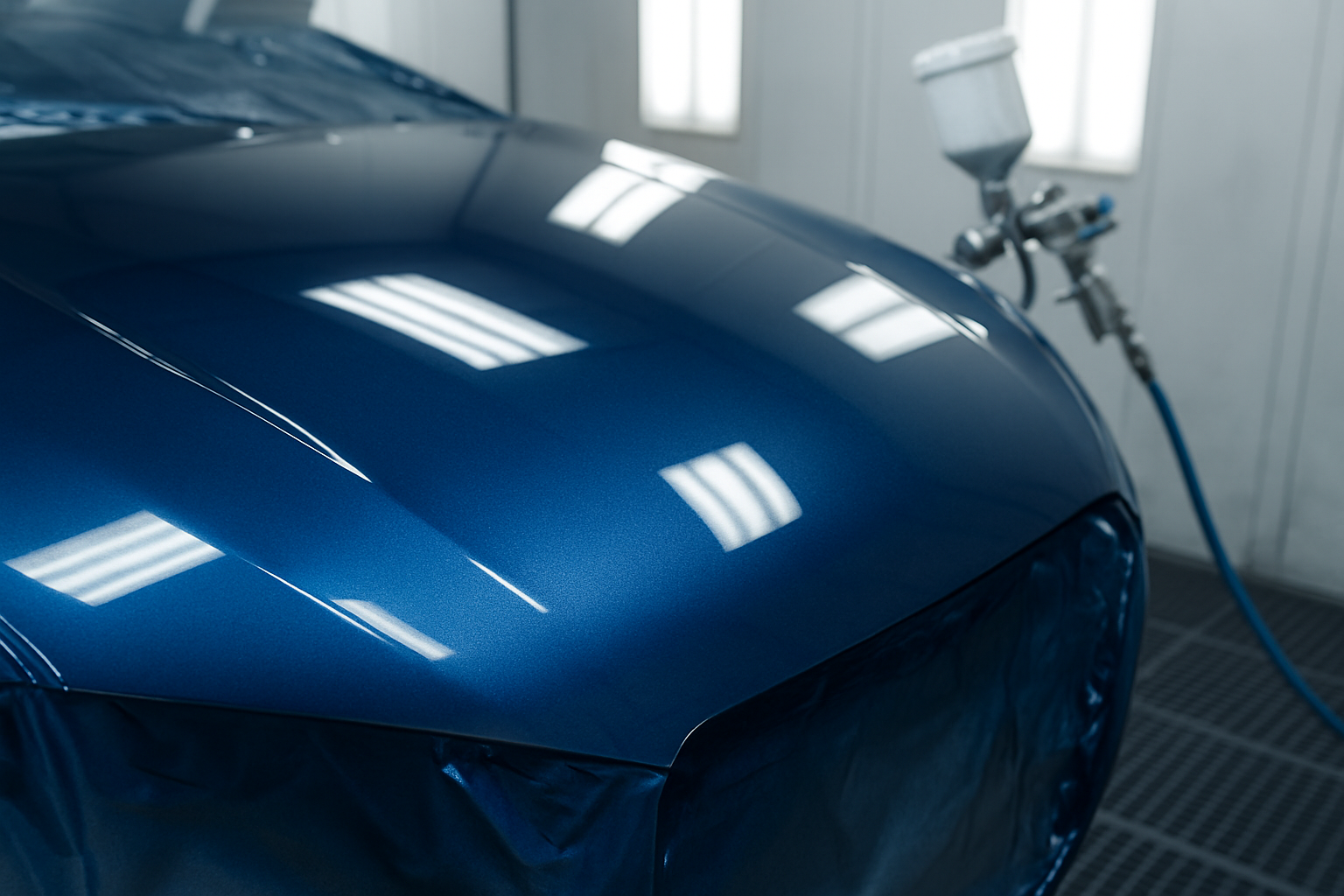
Precision paint matching is one of the most critical elements of quality body shop work, ensuring a seamless factory finish.
Unibody vs. Body-on-Frame: Why Construction Type Changes the Repair
Most passenger cars and crossovers use unibody construction — a single welded steel shell that combines the frame and body into one piece, sometimes called monocoque construction. Because the frame and body are one unit, damage in one area can transfer stress throughout the whole shell, which is why precise frame measurement matters so much in modern body shop work.
Trucks and larger SUVs, on the other hand, often use body-on-frame construction, where the body sits on top of a separate steel frame. This design is generally more forgiving to repair, since the frame can sometimes be straightened independently of the body panels. Either way, a shop’s frame-measuring equipment should match the construction type of your specific vehicle.
How Much Does Body Shop Work Cost?
Cost is the question every driver actually wants answered, yet it’s rarely addressed with real numbers. While every estimate depends on your specific vehicle and damage, the following ranges reflect typical national averages for common repairs.
- Paintless dent removal: roughly $75–$250 per dent, depending on size and panel access.
- Bumper repair: approximately $300–$800; full bumper replacement can run $500–$1,500.
- Scratch and paint correction: $150–$900 depending on depth and panel size.
- Single-panel repaint: $400–$1,200 for a factory-matched finish.
- Structural or frame repair: $1,500–$5,000+, depending on how much of the frame was affected.
- ADAS recalibration: $150–$500 per sensor system, often billed separately from bodywork.
Above all, treat these figures as planning tools, not quotes. Always request a written, itemized estimate before authorizing any body shop work, since parts pricing and labor rates vary by region and vehicle make.
How Body Shop Work Gets Done: A Step-by-Step Process
Understanding the repair workflow helps you set realistic expectations and communicate clearly with your shop. Here is how a typical repair unfolds from the moment damage occurs to the day you drive away.
- Document the damage. Photograph every visible area of damage from multiple angles immediately after the incident, since this documentation supports your insurance claim and gives the shop a clear starting point.
- Contact your insurance provider. Notify your insurer promptly to open a claim, and ask specifically about your deductible, coverage limits, and whether you have the right to choose your own repair facility.
- Get a written repair estimate. Visit a certified auto body shop and request a detailed, itemized estimate covering parts, labor, and any supplemental charges, then compare quotes from at least two shops.
- Authorize repairs and confirm the timeline. Once you approve the estimate, sign the repair authorization, confirm the expected completion date, and ask how the shop will communicate progress updates.
- Confirm ADAS calibration if applicable. Before repairs begin, ask whether your vehicle requires sensor recalibration and whether that work is already included in the written estimate.
- Inspect the vehicle before pickup. Examine every repaired area in good lighting, checking paint consistency, panel alignment, and any structural work performed, and ask questions if anything looks inconsistent.
For a deeper walkthrough of this process, the guide on what to expect from auto body repair and how to choose a shop is an excellent companion resource.
Direct Repair Programs and Insurance Partnerships
Many insurers maintain a Direct Repair Program (DRP) — a network of pre-approved body shops that meet the insurer’s standards for equipment, certification, and turnaround time. Choosing a DRP shop can speed up the estimate and payment process, since the shop and insurer already share a working relationship.
That said, being outside a DRP network does not disqualify a shop from doing excellent work. In most states, drivers have the legal right to choose any licensed facility, regardless of their insurer’s preferred list. Consequently, the smartest approach is to weigh DRP convenience against a shop’s certifications, reviews, and warranty before deciding.
Why Certifications Matter in Auto Body Repair
Not every shop delivers the same quality of body shop work. Therefore, certifications are one of the most reliable indicators of a shop’s competence. Two of the most respected credentials in the industry are:
- I-CAR (Inter-Industry Conference on Auto Collision Repair) — an industry-wide training organization that certifies technicians in collision repair procedures, materials, and safety standards.
- ASE (National Institute for Automotive Service Excellence) — a nationally recognized credential validating technician skill across repair categories, including body and paint.
Beyond these two, some shops also hold manufacturer-specific OEM certifications from brands like Honda, Ford, or Tesla, confirming they use approved repair procedures for that exact make. If you drive a newer or specialty vehicle, ask whether the shop holds an OEM certification for your brand.
Warranties: What to Expect After Body Shop Work
A reputable shop stands behind its work with a written warranty covering both parts and labor. Industry standard is a minimum of one year, though many established shops now offer a limited lifetime warranty for as long as you own the vehicle.
Specifically, ask what the warranty covers: paint peeling or fading, rust-through, panel alignment issues, and workmanship defects should all be included. In addition, confirm whether the warranty transfers if you sell the vehicle, since this detail can affect resale value.
Choosing the Right Shop for Vehicle Restoration
Selecting an auto body shop directly affects your vehicle’s safety, resale value, and appearance. Consequently, it deserves careful consideration. Here are the factors that matter most:
- Transparency: a trustworthy shop explains every repair in plain language and provides a detailed written estimate before any work begins.
- Customer reviews: online reviews on Google and Yelp provide real-world feedback on quality, communication, and timeliness.
- Insurance relationships: shops experienced with DRP networks and direct billing can streamline your claims process considerably.
- Equipment and technology: computerized frame-straightening machines, digital paint-matching systems, and ADAS calibration tools signal a shop that invests in quality outcomes.
- Warranty coverage: always confirm what warranty applies to both parts and labor, with one year as an absolute minimum.
- Digital estimate tools: some modern shops offer photo-based estimates through a smartphone app, which can save you a trip before you even step in the door.
For drivers in Orange County, understanding how to choose the right car repair shop can save both time and money while ensuring a high-quality result.
Environmentally Responsible Body Shop Practices
Increasingly, quality body shop work also means responsible body shop work. Many facilities have switched to waterborne paint systems, which release far fewer volatile organic compounds (VOCs) than older solvent-based paints. Similarly, responsible shops recycle scrap metal, properly dispose of used solvents, and reuse or recycle damaged parts whenever safely possible.
If sustainability matters to you, it’s worth asking a potential shop directly about their paint systems and waste-disposal practices before booking your repair.
Beyond Repairs: Additional Services That Complement Body Shop Work
Many body shops offer services that go well beyond structural and cosmetic repairs. For example, interior cleaning services can refresh your cabin alongside exterior restoration, making the entire vehicle feel renewed rather than merely repaired.
Similarly, some facilities coordinate rental cars, arrange towing, and bill your insurance company directly. These conveniences reduce the stress of an already difficult situation and let you focus on getting back on the road.
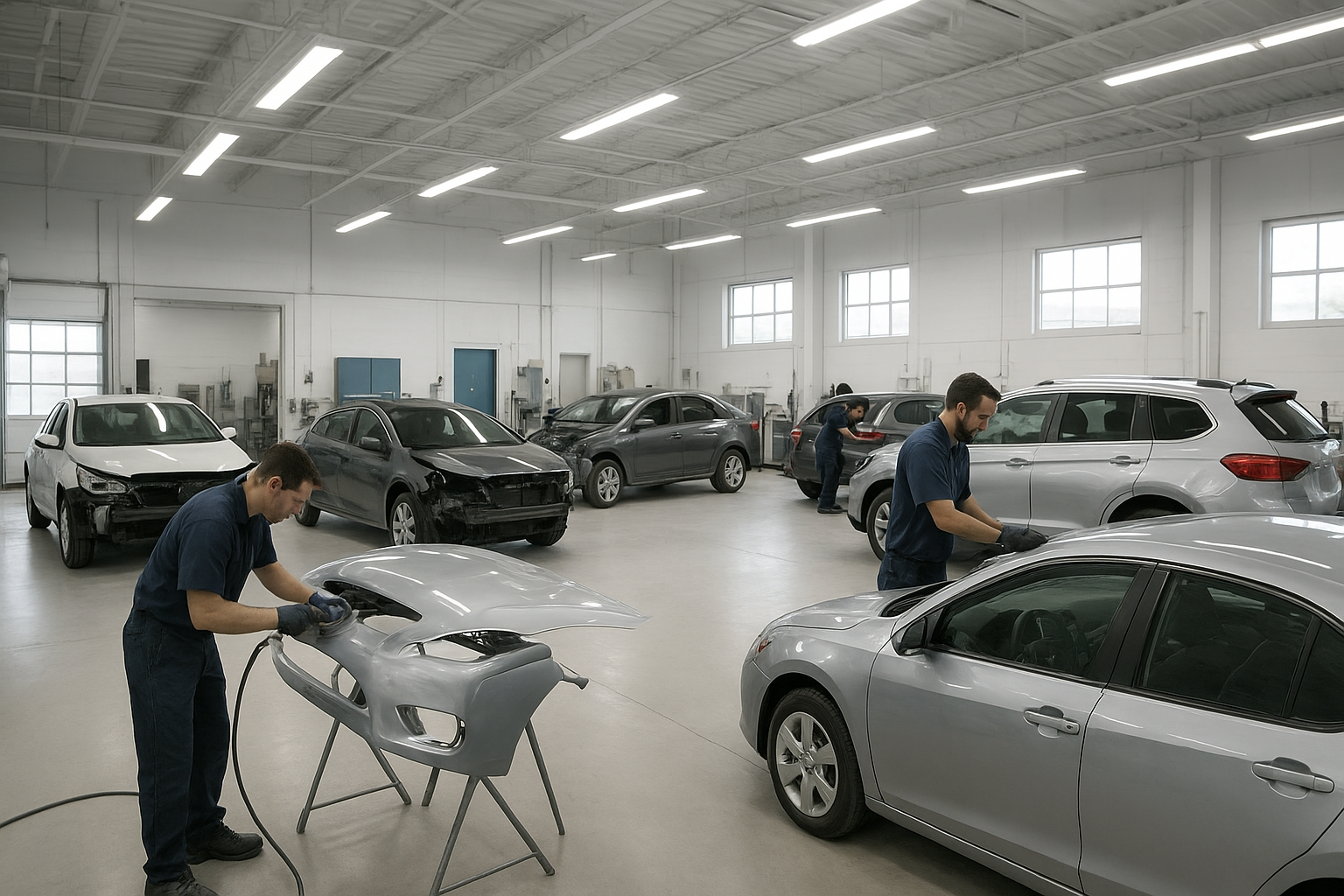
A well-equipped, organized repair facility is a strong indicator of the quality of body shop work you can expect.
Body Shop Work in Brea and Orange County
Drivers throughout Orange County have access to skilled auto body professionals who understand the specific needs of local vehicle owners. Brea Auto Body serves individual owners, insurance clients, and fleet customers with a full range of collision repair, dent removal, and paint refinishing services. Their certified technicians work on both domestic and foreign vehicles, using industry-standard techniques to restore each car to its pre-accident condition.
Moreover, the shop’s commitment to transparency means you’re never left guessing about the status or cost of your repair. From the initial estimate through final delivery, clients stay informed at every stage. Learn more about their full range of services at breaautobody.com.
Quick Answer: Body shop work refers to professional automotive services that repair, restore, and refinish a vehicle’s exterior and structural components. It includes collision repair, dent removal, paint matching, bumper repair, scratch correction, and ADAS calibration — performed by certified technicians using industry-standard tools and materials.
Glossary of Common Body Shop Terms
Body shop estimates are full of industry jargon. Here are the terms you’re most likely to see, explained in plain language.
- OEM parts: Original Equipment Manufacturer parts, made by the vehicle’s original manufacturer rather than a third party.
- Aftermarket parts: replacement parts made by a company other than the original manufacturer, typically less expensive but variable in fit and quality.
- Total loss: when repair costs exceed a set percentage of the vehicle’s actual cash value, prompting the insurer to declare the car a total loss instead of repairing it.
- Supplement: additional damage discovered once repairs begin, requiring an updated estimate beyond the original quote.
- Betterment: a cost adjustment applied when new parts improve the vehicle beyond its pre-damage condition, sometimes passed on to the owner.
Frequently Asked Questions About Body Shop Work
What does body shop work include?
Body shop work includes collision repair, dent removal, paint matching, structural realignment, bumper repair, ADAS calibration, and cosmetic restoration. It covers both minor surface damage and major structural repairs needed after an accident or weather event.
How long does body shop work typically take?
The time required depends on the extent of damage. Minor repairs like small dents or scratches may take one to two days, while major collision repairs involving structural work can take one to two weeks or longer.
How much does body shop work cost?
Costs vary widely based on damage type and extent. Minor cosmetic repairs may start around $75 to $250, while significant structural repairs can run several thousand dollars. Always get a written estimate before work begins.
Will my insurance cover body shop work?
Most comprehensive and collision insurance policies cover auto body repairs, minus your deductible. Contact your insurer immediately after an accident to understand your coverage and the claims process.
What is the difference between a body shop and a mechanical repair shop?
A body shop specializes in exterior and structural restoration, including panels, paint, and frames. A mechanical shop focuses on engine, transmission, brakes, and other internal systems. Some damage requires both types of repair.
How do I choose a reputable auto body shop?
Look for certifications such as I-CAR or ASE, check online reviews, ask about warranties on parts and labor, and request a detailed written estimate. A reputable shop will be transparent about the repair process and timeline.
What is paint matching in body shop work?
Paint matching is the process of mixing and applying paint that precisely matches a vehicle’s existing color and finish. Computerized color-matching systems ensure a seamless, factory-quality result that blends invisibly with surrounding panels.
Can body shop work restore a car to its pre-accident condition?
Yes. Skilled technicians use industry-standard techniques and quality materials to restore a vehicle to its pre-accident condition, including structural realignment, panel replacement, and precision paint matching for a seamless result.
What is paintless dent removal?
Paintless dent removal (PDR) is a technique that uses specialized tools to massage dents out from behind a panel without disturbing the original paint. It is ideal for minor dents caused by hail, door dings, or small impacts, and is typically faster and more affordable than traditional methods.
Do I need to go to the dealer for body shop work, or can I use an independent shop?
You are generally free to choose any licensed auto body shop for repairs. Independent shops often provide comparable or superior quality at more competitive prices than dealerships, especially when they hold recognized certifications like I-CAR or ASE.
What common mistakes should I avoid when getting body shop work done?
Avoid choosing a shop based solely on price, skipping a written estimate, or failing to ask about warranty coverage. Also, do not drive a damaged vehicle that may have compromised structural integrity before having it professionally assessed.
Is body shop work available for both domestic and foreign vehicles?
Yes. Most reputable auto body shops are equipped to handle both domestic and foreign vehicles. Facilities with experienced, certified technicians can source appropriate parts and apply correct repair procedures for a wide range of makes and models.
What is ADAS calibration and why does it matter after body shop work?
ADAS calibration realigns a vehicle’s cameras and sensors after collision repair so safety features like automatic braking and lane-keep assist function correctly. Skipping this step can leave a repaired car looking fine while its safety systems misread the road.
What is a Direct Repair Program (DRP) in body shop work?
A Direct Repair Program is a network of body shops pre-approved by an insurance company for meeting certification, equipment, and turnaround standards. Using a DRP shop can speed up estimates and payment, though drivers can typically still choose a non-network shop.
Conclusion: Getting the Most from Body Shop Work
Body shop work is far more than a cosmetic fix — it’s an investment in your vehicle’s safety, value, and longevity. From collision repair and structural realignment to precision paint matching, dent removal, and ADAS calibration, a skilled auto body team restores your vehicle to the condition it was in before the damage occurred. By understanding the full process, knowing what certifications and warranties to look for, and asking the right questions about cost and insurance, you can approach any repair with total confidence. For drivers in Brea and throughout Orange County, working with a certified, transparent, and experienced facility makes all the difference in the quality and durability of the final result.

