

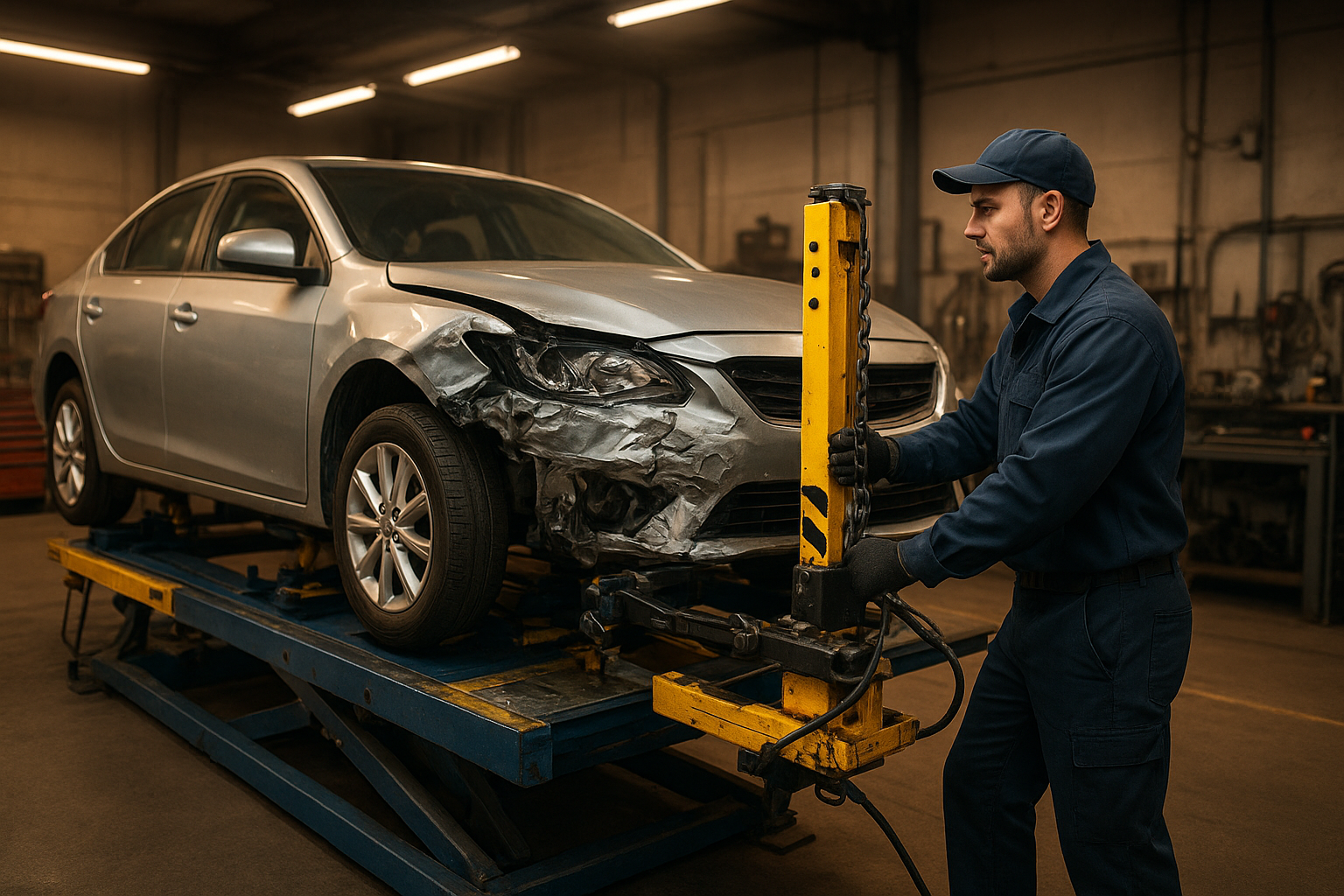
Auto body and frame repair is the single most important service to get right after a collision, because a mistake in the shop you choose can leave your car unsafe long after the dents are gone. Whether your vehicle has a crumpled fender or a bent frame rail, the shop you trust with the repair determines how your car handles, how it protects you in a future crash, and how much it’s worth when you sell it. This guide covers what auto body and frame repair actually involves, how to spot hidden structural damage, what it costs, and exactly how to choose a certified shop near you — with nothing left out.
What Does Auto Body and Frame Repair Actually Mean?
Auto body and frame repair refers to the process of restoring a vehicle’s exterior panels, structural integrity, and underlying frame components after a collision or significant impact. It spans everything from cosmetic dent removal to complex structural realignment performed with hydraulic straightening equipment and computerized measuring systems.
There are two structural designs every driver should understand. Most modern passenger cars use a unibody design, where the body and frame form one integrated structure. In contrast, trucks and larger SUVs typically rely on a body-on-frame design, where a separate chassis supports the body on top of it. Because these two systems behave differently under impact, the repair techniques — and the technician expertise required — vary considerably between them.
According to the Wikipedia overview of automobile repair, structural repairs demand specialized equipment and training that go well beyond standard mechanical work. As a result, not every general repair garage is equipped to safely handle frame damage, even if they advertise collision services.
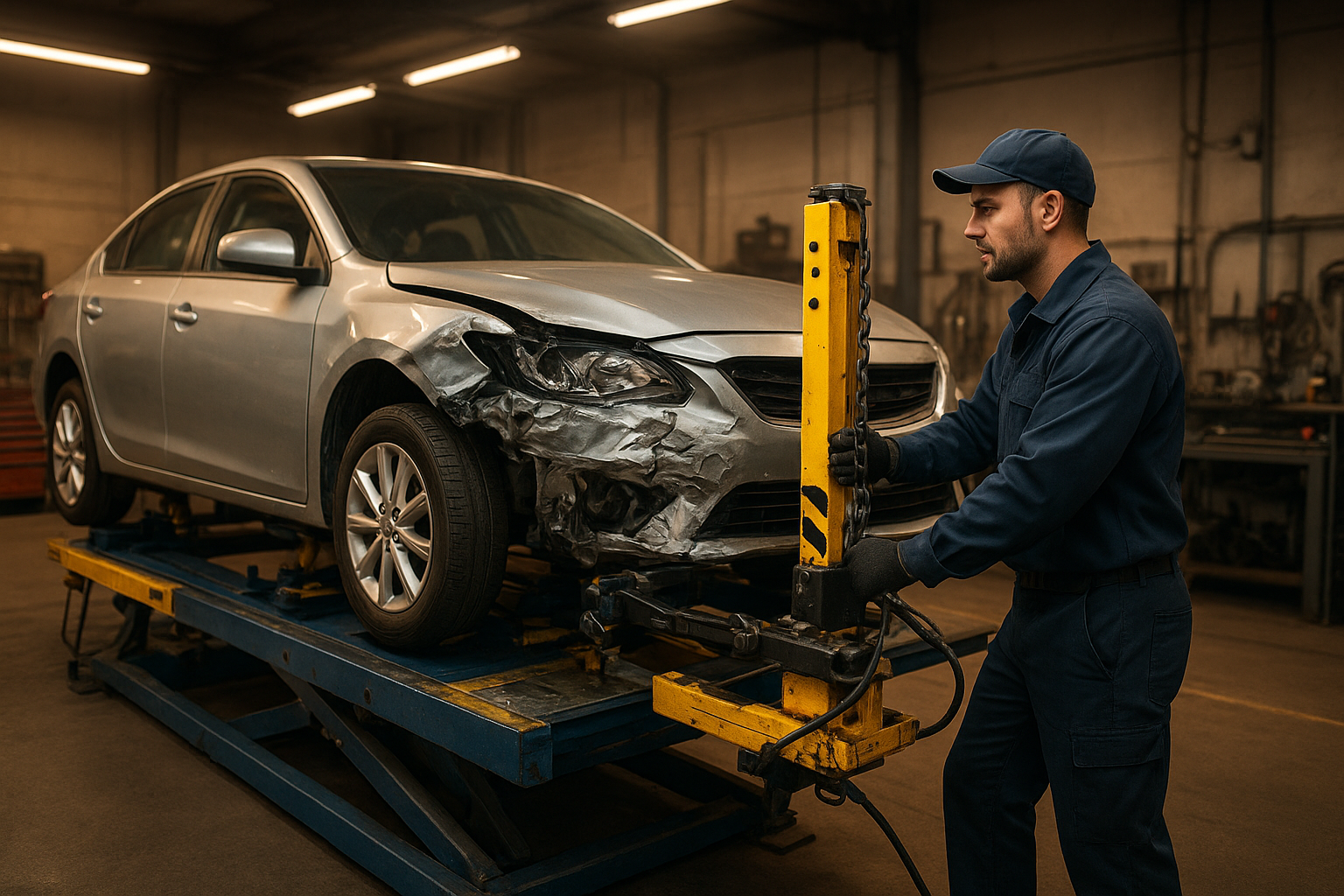
A certified technician uses hydraulic equipment to restore frame alignment — a core part of every auto body and frame repair near me search.
How to Spot Frame Damage Before You Visit a Shop
Not all frame damage announces itself. In fact, some of the most dangerous structural issues hide beneath panels that look perfectly fine on the surface. Recognizing the warning signs early helps you describe the problem clearly to a shop and avoid driving a vehicle that is no longer safe.
Watch for these indicators after any collision, no matter how minor it seemed at the time:
- Uneven gaps between body panels or doors that no longer close flush
- The vehicle pulling to one side while driving on a straight, level road
- Visible bends, creases, or rust along the frame rails underneath the car
- Unusual or uneven tire wear suggesting wheel misalignment
- Suspension or steering that feels loose, stiff, or unpredictable
- A steering wheel that sits off-center even when driving straight
If you notice any of these signs, do not delay a professional inspection. Even a seemingly minor fender-bender can transmit hidden stress deep into the frame, and that stress can compromise crash protection the next time you’re on the road.
The Complete Range of Auto Body and Frame Repair Services
Before comparing shops, it helps to understand exactly what falls under the umbrella of auto body and frame repair. A full-service shop should confidently handle every category below — not just the easy cosmetic work.
Cosmetic Dent and Panel Repair
This covers paintless dent removal, panel replacement, and precise color matching. It’s typically the fastest and least expensive category, since it doesn’t touch structural components.
Frame Straightening and Structural Realignment
When an impact bends the frame, technicians use hydraulic pulling systems and laser measurement to return every point on the frame to factory specification. For a closer look at how this process works locally, see this dedicated guide to frame straightening services in Brea, which walks through the equipment and measurement standards a quality shop should use.
Collision and Accident Repair
Full collision repair combines body, frame, mechanical, and electrical work into a single coordinated job. If you’ve just been in an accident, this overview of car accident repair explains what a complete restoration typically involves from intake to final delivery.
ADAS Sensor Calibration After Frame Repair
Here’s a detail many shops skip: modern vehicles rely on cameras, radar, and sensors — collectively known as Advanced Driver Assistance Systems (ADAS) — for features like lane-keeping and automatic braking. Because these components are mounted to the frame and bumper, even minor structural repair can throw them out of alignment. Consequently, a quality shop performs a full ADAS recalibration after frame work, not just a visual check. The Insurance Institute for Highway Safety notes that these driver-assist systems only function correctly when properly calibrated, which makes this step non-negotiable after any structural repair.
Rust Prevention and Corrosion Repair
Finally, any exposed metal from a collision needs proper sealing and corrosion protection. Otherwise, moisture can weaken the very frame sections that were just repaired, undermining the whole job over time.
Step-by-Step: Choosing the Right Local Repair Shop
Once you understand what the repair involves, the next challenge is selecting a shop you can trust. Follow these six steps to make a confident, well-informed decision.
1Document and Assess the Damage
Before contacting any shop, photograph all visible damage from multiple angles. This documentation protects you during insurance claims and gives technicians a baseline for their estimates.
2Research Certified Shops in Your Area
Search specifically for shops holding I-CAR Gold Class or ASE certifications, which confirm technicians complete ongoing training in current repair methods and safety standards. You should also ask whether the shop is a AAA Approved Auto Repair facility, since that designation involves an independent inspection of equipment and workmanship. Learn more about what AAA frame and body certification means for your repair before you decide. For example, Brea Auto Body is a locally trusted option that combines certified expertise with transparent customer service.
3Read Reviews and Ask for References
Google reviews and Yelp ratings offer real-world insight into a shop’s reliability. Meanwhile, asking directly for references from past customers with similar repairs adds extra confidence before you commit.
4Get Two to Three Written Estimates
Never accept the first estimate without comparison. Instead, gather at least two or three written quotes detailing the scope of work, parts sourcing, and labor costs. This process also reveals whether a shop is being transparent about what the repair actually requires.
5Confirm Insurance Coordination Experience
Choose a shop that regularly works with insurance companies. As a result, the claims process becomes smoother and less stressful, and some shops even handle the paperwork on your behalf to save you time.
6Confirm the Warranty Before You Sign
A reputable shop stands behind its work with a written warranty covering both parts and labor. In practice, lifetime warranties on paint and bodywork are common at top-tier shops, and they signal genuine confidence in the craftsmanship behind the repair.
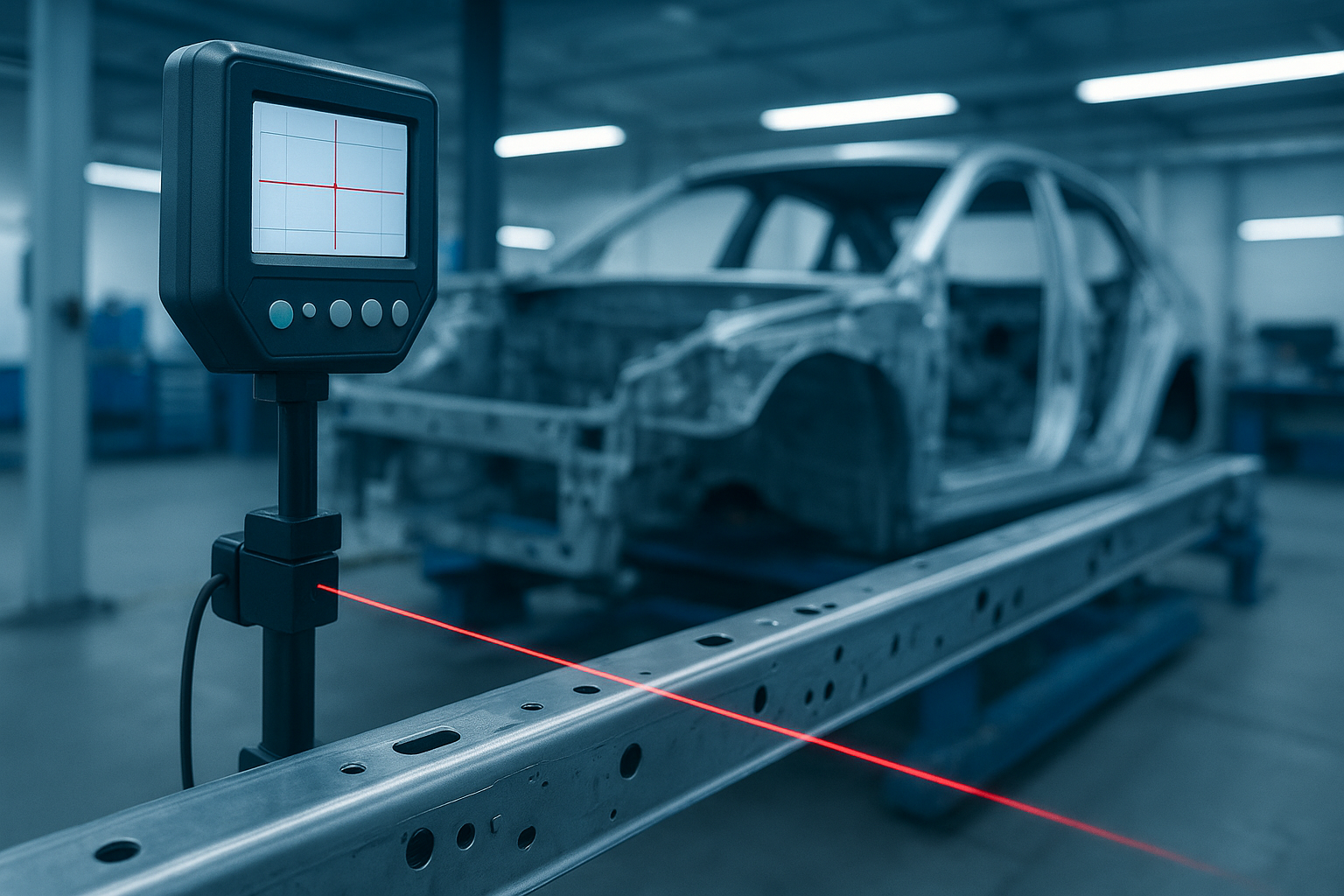
Computerized laser alignment systems ensure precise frame straightening during structural collision repair.
Understanding Repair Costs: What to Expect
Cost is naturally one of the first concerns drivers raise after an accident. However, pricing for auto body and frame repair varies enormously based on damage severity, vehicle type, and parts availability. Understanding the general ranges below helps you evaluate whether an estimate seems fair.
Typical Cost Ranges for Common Repairs
| Repair Type | Estimated Cost |
|---|---|
| Minor dent removal | $150 – $300 |
| Panel replacement and paint | $400 – $1,500 |
| Frame straightening (minor) | $600 – $1,200 |
| ADAS sensor recalibration | $150 – $500 per system |
| Severe structural/frame repair | $2,000 – $10,000+ |
Keep in mind that collision coverage through your auto insurance typically covers these costs minus your deductible. Therefore, always notify your insurer promptly after an accident to begin the claims process without unnecessary delay.
Finding Affordable Auto Body and Frame Repair Without Sacrificing Quality
Affordability matters, but the cheapest quote is not always the safest choice. Fortunately, you can control costs without cutting corners on structural safety. For a detailed breakdown of how to balance price and quality, this guide on affordable auto body near me explains practical strategies for keeping repair costs reasonable while still choosing a certified shop.
In particular, ask about direct insurance billing, payment plans, and whether the shop offers a price match on comparable written estimates. Above all, remember that a slightly higher upfront cost from a certified shop is often far cheaper than paying twice for a botched repair later.
Your Right to Choose Your Own Auto Body and Frame Repair Shop
Many drivers don’t realize that insurance companies cannot legally force you to use their “preferred” or “direct repair program” shop. In most states, you retain the legal right to choose any qualified repair shop you trust, and your insurer must still honor a fair, agreed-upon estimate for the covered damage.
That said, insurer-recommended shops are not automatically bad — many are perfectly qualified. However, you should never feel pressured into a shop you haven’t independently researched. If a preferred shop’s estimate seems rushed or incomplete, you are entitled to request a supplemental inspection or seek a second opinion elsewhere.
Red Flags to Avoid When Choosing a Shop
Unfortunately, not every shop that appears in a local search delivers quality work. Knowing the warning signs protects you from substandard repairs that could compromise your vehicle’s safety down the road.
Be cautious of shops that:
- Refuse to provide a written estimate or warranty
- Pressure you to decide immediately without time to compare
- Have no verifiable certifications or online presence
- Quote prices dramatically lower than every competitor
- Cannot explain their repair process in clear, specific terms
- Skip ADAS recalibration entirely after frame or bumper work
In contrast, a trustworthy shop welcomes your questions, shows you their equipment, and provides clear documentation at every stage of the repair.
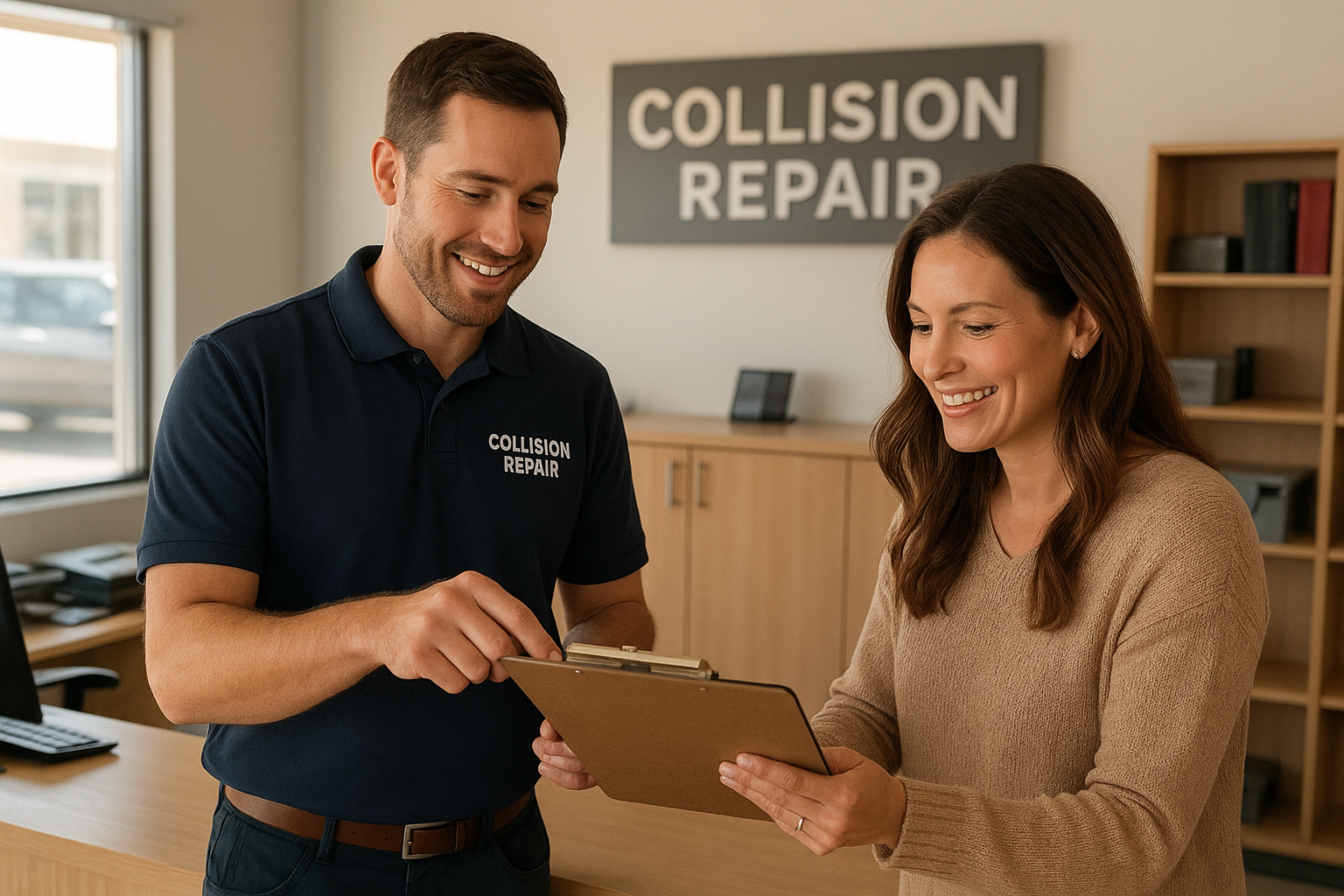
Reviewing a written estimate in detail is an essential step when choosing a local auto body repair shop. For a deeper walkthrough, see our Auto Body Repair Quotes Brea: Your Complete 2025 Guide.
OEM Parts vs. Aftermarket Parts: Why It Matters
One of the most important questions to ask any shop is whether they use OEM (Original Equipment Manufacturer) parts or aftermarket alternatives. OEM parts come from the same manufacturer as your vehicle and are engineered to fit and perform exactly as the original components did.
Aftermarket parts, on the other hand, are produced by third-party manufacturers and may vary in quality. While they can be cost-effective for minor cosmetic repairs, structural components like frame sections should always use OEM or certified-equivalent parts to preserve crash safety standards set by federal regulators. The National Highway Traffic Safety Administration maintains vehicle safety standards that structural repairs must ultimately meet, which is precisely why part quality matters so much on frame components.
Additionally, some insurance policies specify which parts are covered, so reviewing your policy before authorizing repairs helps you avoid unexpected out-of-pocket costs later.
How to Prepare Your Vehicle for a Frame Repair Appointment
A little preparation makes the entire auto body and frame repair process faster and less stressful. Before you drop off your vehicle, take these simple steps:
- Remove personal belongings and valuables from the cabin and trunk.
- Gather your insurance claim number, policy details, and photos of the damage.
- Note any pre-existing dents, scratches, or mechanical issues unrelated to the accident.
- Ask the shop for an estimated timeline and whether a rental vehicle is included in your coverage.
- Confirm how the shop will contact you with updates during the repair.
Taking these steps in advance means fewer surprises once the technicians begin work on your vehicle.
Finding the Best Auto Body and Frame Repair Near Me: Final Thoughts
When you need auto body and frame repair near me, the decision you make directly affects your vehicle’s structural safety, resale value, and your peace of mind on the road. Therefore, take the time to research certifications, compare estimates, confirm ADAS calibration, and ask the right questions before authorizing any work.
Shops like Brea Auto Body combine certified technicians with a transparent, customer-first approach — exactly the qualities that set a reliable local shop apart from the rest.
In summary, prioritize certification, transparency, and warranty coverage above all else when comparing options for auto body and frame repair. A quality repair restores not just the look of your vehicle, but the structural protection your family depends on every single time you drive.
Frequently Asked Questions
What is auto body and frame repair?
Auto body and frame repair is the restoration of a vehicle’s exterior panels, structural frame, and underlying components after a collision. It includes dent removal, panel replacement, paint matching, and frame straightening to return the car to its pre-accident condition.
How do I find reliable auto body and frame repair near me?
Search online for certified shops with strong reviews, look for I-CAR, ASE, or AAA Approved certifications, and ask your insurance company for preferred providers. Visiting the shop in person to inspect the facility and ask about the repair process is also highly recommended.
How much does auto body and frame repair cost?
Costs range widely based on damage severity. Minor dent repairs typically cost $150 to $300, while full frame straightening and structural repair can range from $600 to over $10,000 for severe collision damage.
Is frame damage always a total loss?
Not always. Many frame damage cases can be repaired using hydraulic straightening and computerized alignment. However, if the repair cost exceeds the vehicle’s market value, the insurer may declare it a total loss.
How long does frame repair typically take?
Frame repair generally takes 1 to 5 days depending on damage extent. If additional bodywork, paint, or mechanical repairs are needed, the total turnaround can extend to 1 to 3 weeks.
Will my insurance cover frame and body repair?
Collision coverage typically pays for frame and body repairs from an accident, minus your deductible. Always verify your specific coverage details with your insurer before authorizing any repairs.
What certifications should a quality auto body shop hold?
Look for I-CAR Gold Class certification and ASE-certified technicians. Some manufacturers also offer OEM certifications authorizing shops to follow original factory repair procedures for specific vehicle brands.
Is it safe to drive a car with frame damage?
No. Unrepaired frame damage compromises handling, crash protection, and wheel alignment. Always have frame damage professionally assessed before continuing to drive the vehicle.
What is the difference between unibody and body-on-frame repair?
Unibody vehicles integrate the body and frame into one structure, common in modern cars. Body-on-frame vehicles use a separate chassis, common in trucks and SUVs. Repair techniques differ significantly between the two, so choose a shop experienced with your specific vehicle type.
Should I get multiple estimates for collision repair?
Yes, collecting two to three estimates is strongly recommended. It helps you understand fair market pricing, compare shop transparency, and avoid overpaying. However, the lowest price alone should not be your deciding factor.
What questions should I ask before hiring a body shop?
Ask about certifications, repair warranties, whether they use OEM or aftermarket parts, their experience with your vehicle make, and how they handle insurance claims. A reputable shop will answer every question clearly and without pressure.
Does frame repair lower a car’s resale value?
Yes, a documented history of frame damage typically reduces resale value even after professional repair. However, a quality repair with proper documentation minimizes this impact compared to undisclosed or poorly repaired structural damage.
Can I choose my own repair shop instead of the one my insurance company recommends?
Yes. In most states, you have the legal right to choose any qualified repair shop, and your insurer must honor a fair estimate for covered damage regardless of where the work is performed.
Does auto body and frame repair include ADAS calibration?
It should. Any vehicle equipped with advanced driver-assist cameras or sensors needs recalibration after frame or bumper repair to ensure those safety systems function correctly again.

