

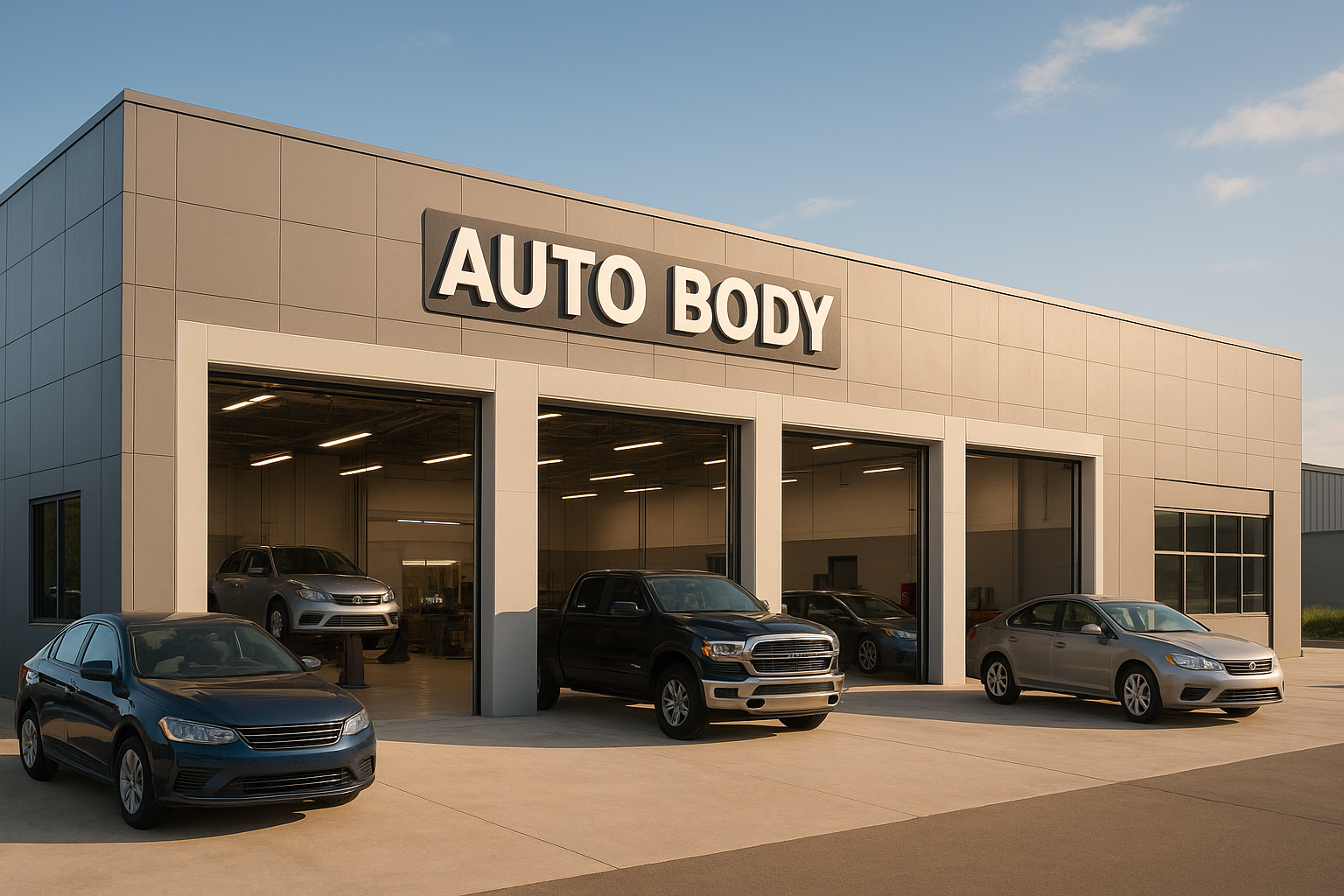
Auto body specialty is the professional discipline of restoring a vehicle’s exterior structure, finish, and alignment to factory condition after collision damage, rust, or cosmetic deterioration. Whether your car has a minor door ding or a serious frame misalignment, understanding what these services involve helps you make smarter decisions and protect your investment.
Therefore, knowing what to expect from a certified auto body specialty shop — and how to evaluate one — can mean the difference between a vehicle that looks and drives like new versus one with hidden structural problems that surface months later. In this guide, we go far beyond a basic overview: you’ll find pricing ranges, a step-by-step repair walkthrough, a glossary of technical terms, insurance guidance, and a full FAQ so you never need to search elsewhere.
What Does Auto Body Specialty Actually Cover?
Auto body specialty encompasses a wide range of services that go far beyond basic dent removal. In practice, a full-service shop handles collision repair, frame straightening, precision paint matching, bumper restoration, rust treatment, and glass replacement. Additionally, many shops now offer advanced driver-assistance system (ADAS) recalibration — a plain-language way of saying the cameras and radar sensors built into bumpers and windshields — after structural repairs, because those sensors must be realigned to function correctly.
Each of these services requires specialized equipment and trained technicians. As a result, not every general repair shop is equipped to handle complex collision work. Choosing a shop that genuinely specializes in body repair is critical to getting a safe, lasting result. In fact, according to the U.S. Bureau of Labor Statistics, automotive body and glass repairers typically complete formal training or apprenticeships specifically because of the precision this work demands.
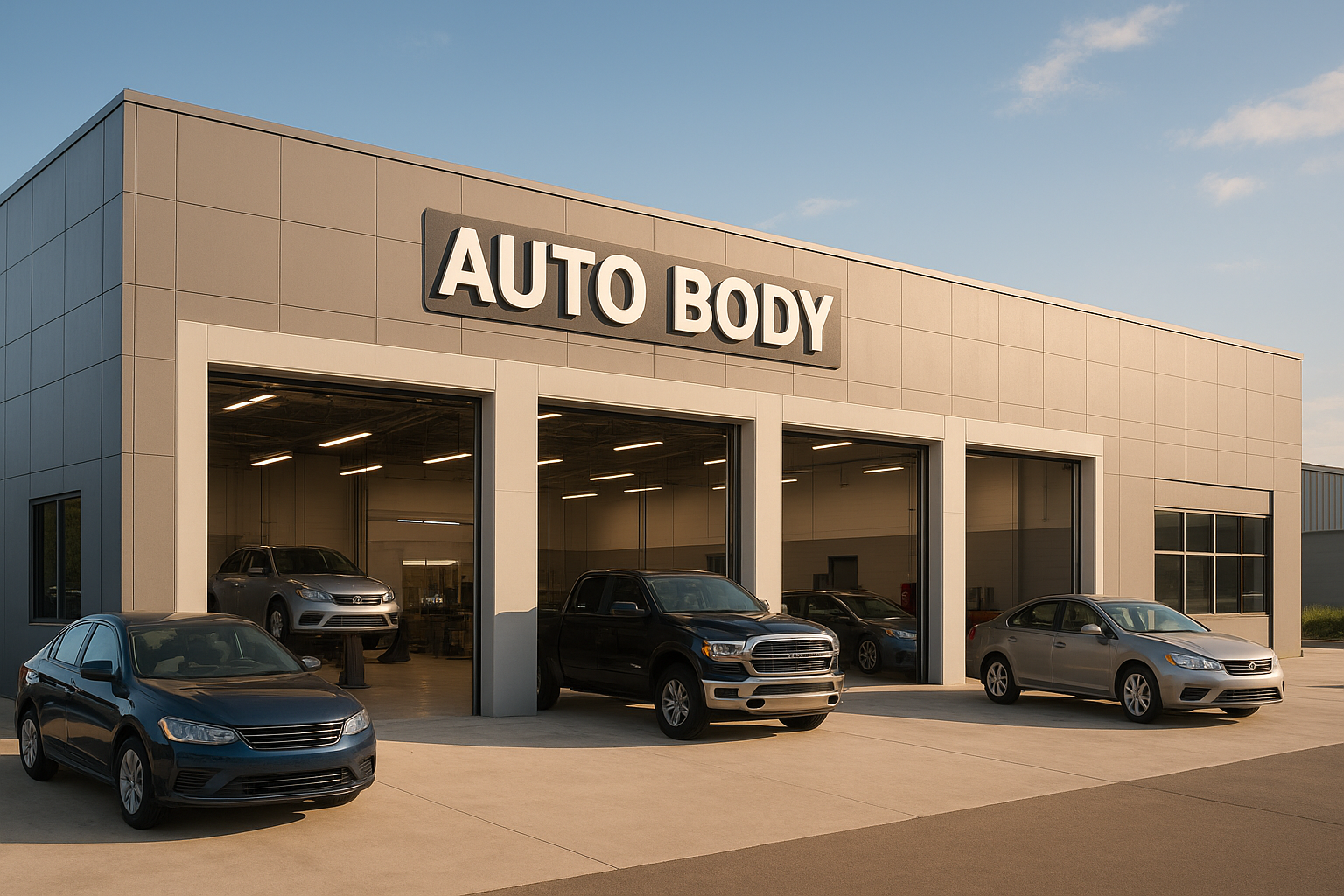
A well-equipped auto body specialty shop handles everything from minor dents to full collision restoration. For a deeper walkthrough, see our Can You Recommend an Auto Body Shop That Fixes Dents? Your Complete Guide.
Auto Body Specialty vs. General Repair Shops and Mechanics
A common point of confusion is the difference between an auto body specialty shop, a general repair garage, and a mechanic. A mechanic focuses on mechanical systems — engines, brakes, transmissions, and fluids. In contrast, an auto body specialty shop focuses on the vehicle’s structure and exterior: panels, frames, paint, and glass. Some collisions damage both, which is why the best facilities employ or coordinate with both disciplines under one roof.
General repair shops, meanwhile, often lack the frame-measuring rigs, spray booths, and spectrophotometer paint-matching tools that a true specialty shop invests in. Consequently, sending collision work to a generalist can produce panel gaps, off-color paint, or — worse — a frame that’s still out of alignment even though the car “looks fine” on the surface.
- Mechanic: engine, brakes, transmission, fluids — mechanical systems only.
- General repair shop: basic maintenance, tires, oil changes — limited collision capability.
- Auto body specialty shop: collision repair, frame straightening, paint matching, ADAS recalibration, structural safety restoration.
Core Services You Should Expect From a Specialty Shop
A reputable shop offers a defined set of core services. Below are the most important categories:
Collision and Structural Repair — Technicians use computerized measuring systems and hydraulic frame straightening equipment to restore the vehicle’s geometry to manufacturer specifications. This step is foundational because a misaligned frame affects handling, tire wear, and crash safety.
Paintless Dent Repair (PDR) — For shallow dents where the paint is intact, PDR uses specialized tools to massage the metal back into shape from behind the panel. Consequently, this method is faster and more cost-effective than traditional body filler approaches.
Paint Matching and Refinishing — Using your vehicle’s factory paint code and computerized spectrophotometers, technicians blend custom color formulas that match the original finish precisely. The result is a seamless repair that is virtually undetectable.
Bumper and Panel Replacement — Modern bumpers contain sensors, cameras, and structural foam. Therefore, replacement requires both body expertise and electronic recalibration to restore full safety functionality.
Rust Treatment and Glass Replacement — Rust left untreated spreads beneath paint and weakens metal over time, so specialty shops sand, treat, and seal affected areas before repainting. Glass replacement, similarly, often requires ADAS recalibration since many windshields house forward-facing safety cameras.
The Auto Body Specialty Repair Process, Step by Step
Knowing what happens during a repair helps you stay informed and set realistic expectations. Here is how a typical auto body repair unfolds:
- Initial Damage Assessment — A technician performs a thorough visual and structural inspection to document all damage, including hidden damage that may not be visible until disassembly begins.
- Written Estimate and Insurance Coordination — The shop prepares a detailed estimate and, if applicable, coordinates with your insurance adjuster. As a result, you have a clear picture of costs and timelines before work begins.
- Disassembly and Hidden Damage Discovery — Technicians remove damaged panels and components to expose any underlying structural or mechanical damage. Supplements to the original estimate are issued if additional damage is found.
- Frame and Structural Repair — Using computerized measuring systems, technicians restore the frame and unibody to factory dimensions. This step is critical for both safety and proper panel alignment.
- Body Panel Repair or Replacement — Dents are removed, panels are straightened or replaced, and surfaces are prepared with body filler and primer as needed.
- Paint Matching and Application — Technicians apply color-matched paint in a controlled spray booth environment, followed by clear coat and polishing to achieve a factory-quality finish.
- Reassembly and Quality Inspection — All components are reinstalled, ADAS sensors are recalibrated if needed, and a final quality inspection confirms that the vehicle meets safety and appearance standards before delivery.
How Much Does Auto Body Specialty Repair Cost?
Cost is one of the most common questions drivers ask, and it depends heavily on the extent of the damage. The table below breaks down typical price ranges so you can budget realistically before requesting a quote.
- Minor scratch or scuff repair: $150 – $400
- Paintless dent repair: $75 – $500 per panel
- Bumper repair or replacement: $350 – $1,800
- Full panel replacement and repaint: $800 – $3,500
- Major structural or frame repair: $1,500 – $10,000+
These ranges vary by region, vehicle make, and parts availability. Consequently, always request a written, itemized estimate rather than relying on a verbal quote or a rough guess based on similar jobs.
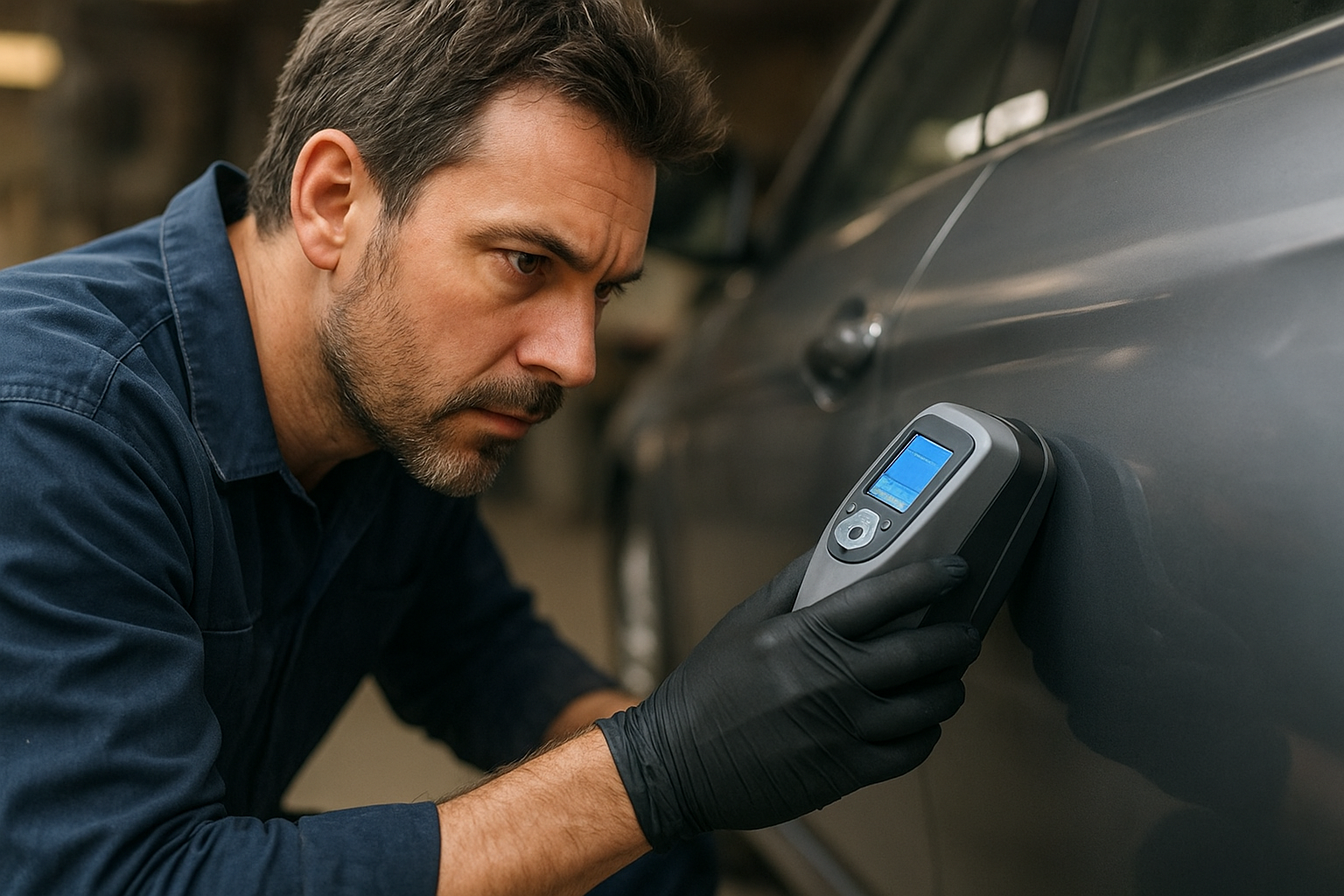
Computerized paint matching ensures a seamless finish that blends perfectly with your vehicle’s original color.
How to Evaluate an Auto Body Specialty Shop Before You Commit
Choosing the right shop is just as important as choosing the right service. First, look for industry certifications such as I-CAR Gold Class or ASE certification, which confirm that technicians complete ongoing training aligned with evolving vehicle technology. These credentials are publicly verifiable and signal a commitment to quality. If you’d like to learn more about the people behind this work, our profile on a certified auto body technician in Brea explains exactly what that training involves.
Next, request a written estimate that itemizes parts, labor, and any sublet work before authorizing repairs. A trustworthy shop will never pressure you to decide immediately. Additionally, ask about the warranty — a reputable shop typically offers a lifetime warranty on workmanship and at least a manufacturer’s warranty on parts.
Finally, read recent customer reviews on Google and Yelp, and visit the facility in person. A clean, organized shop with modern equipment is a strong indicator of professional standards. For example, shops like Brea Auto Body demonstrate these qualities through transparent communication and certified repair processes. You can also see what makes a shop stand out on a customer-first repair experience page describing the culture behind the counter.
Quick Evaluation Checklist:
- Verified I-CAR Gold Class or ASE certification
- Written, itemized estimate before work begins
- Lifetime workmanship warranty offered in writing
- Recent, verifiable Google and Yelp reviews
- Clean, modern facility with visible equipment
Common Mistakes Drivers Make After a Collision
Many drivers make avoidable errors in the aftermath of an accident. For example, some wait too long to have damage assessed, allowing moisture to penetrate exposed metal and cause rust. Others accept the first estimate without comparison shopping, which can result in overpaying or accepting substandard repairs.
Additionally, some drivers assume that cosmetic damage is purely aesthetic and skip repairs altogether. However, even minor panel damage can compromise structural integrity in a subsequent impact. According to the National Highway Traffic Safety Administration (NHTSA), vehicle structural integrity plays a direct role in occupant protection during crashes. For a broader technical overview of how collision repair fits into vehicle safety systems, this Wikipedia overview of autobody repair is a useful reference.
Furthermore, choosing a shop based solely on price rather than certification and reputation is a common mistake. In contrast, investing in a certified shop with a strong warranty protects both your safety and your vehicle’s long-term value.
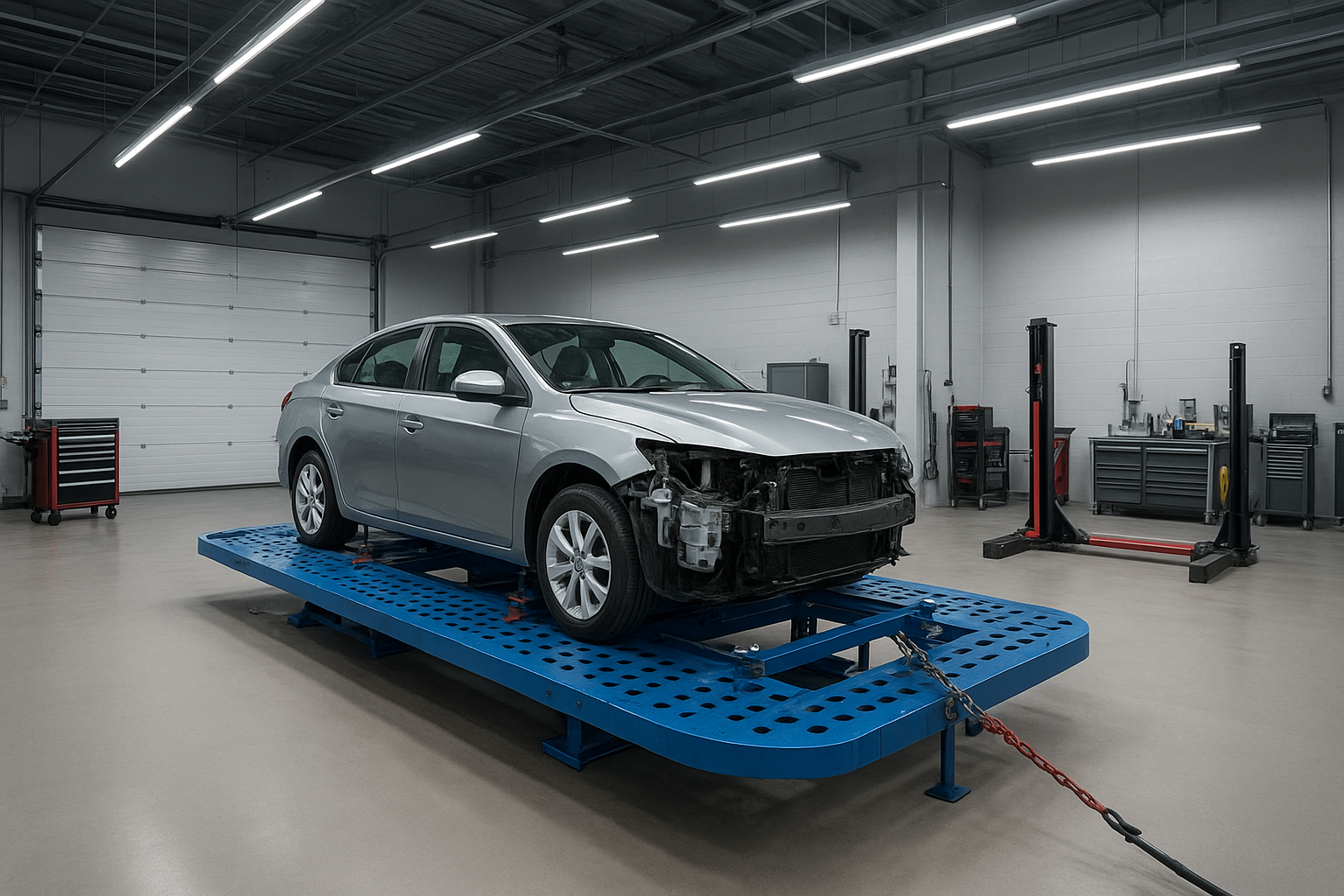
Frame straightening equipment is essential for restoring structural integrity after a serious collision.
Insurance Claims and Your Rights as a Vehicle Owner
Navigating insurance claims can feel overwhelming, but understanding your rights simplifies the process. In most states, you have the legal right to choose any licensed auto body shop — you are not obligated to use a shop recommended by your insurer. However, insurer-preferred shops often streamline the claims process because they have pre-established billing agreements.
Before authorizing repairs, document all damage thoroughly with photographs and notify your insurer promptly. Meanwhile, request a copy of the shop’s insurance claim guide and compare it with your insurer’s assessment. If there is a discrepancy, a reputable shop will negotiate directly with your insurer on your behalf — this is called a supplement process and is entirely normal.
Trusted local providers like Brea Auto Body assist customers through every step of the insurance process, making the experience far less stressful. You can review the full range of covered services on our auto body service page for Brea before your first visit.
Why Quality Auto Body Specialty Repairs Protect Long-Term Vehicle Value
A vehicle that has been poorly repaired will show its flaws over time — through misaligned panels, paint that fades unevenly, or rust that reappears within a year. Therefore, the quality of the repair directly affects how much your car is worth at trade-in or private sale.
High-quality repairs, on the other hand, preserve the vehicle’s appearance and structural soundness. Additionally, a shop that provides a lifetime warranty on workmanship gives you ongoing protection if issues arise after the repair. This warranty is a tangible signal of confidence in the quality of their work.
Auto Body Specialty Glossary: Key Terms Explained
Repair estimates can be full of jargon. Here’s a quick-reference glossary so you understand exactly what you’re paying for.
Unibody — a construction style where the frame and body are a single welded structure, common in modern cars and requiring precise measuring during repair.
Sublet work — repair tasks outsourced to another specialist, such as glass installation, and billed through the primary shop’s estimate.
Supplement — an additional cost added to the original estimate after hidden damage is discovered during disassembly.
OEM parts — Original Equipment Manufacturer parts made by the vehicle’s original maker, as opposed to aftermarket parts made by third-party suppliers.
Choosing a Local Auto Body Specialty Shop You Can Trust
Local reputation matters as much as national certifications. A shop rooted in its community depends on repeat customers and word-of-mouth referrals, which means it has a strong incentive to do the job right the first time. Before booking, browse the full list of services and locations to confirm the shop handles your specific repair type and is convenient to your schedule.
In short, a locally established auto body specialty shop combines the technical rigor of certified training with the accountability that comes from serving neighbors, not just insurance networks.
Conclusion: Choosing the Right Auto Body Specialty Provider
Finding a trusted auto body specialty provider is one of the most important decisions you can make after a collision. In summary, look for certified technicians, transparent written estimates, strong warranties, realistic cost expectations, and a track record of quality work backed by genuine customer reviews. Because your vehicle’s safety and value depend on the quality of the repair, taking time to choose carefully is always worth the effort.
Whether you are dealing with a minor parking lot scrape or significant collision damage, the right auto body specialty shop will guide you through every step of the process — from estimate to insurance to final inspection — with professionalism and precision.
Frequently Asked Questions About Auto Body Specialty
What is auto body specialty?
Auto body specialty refers to professional services that restore a vehicle’s exterior structure, finish, and alignment after collision damage, rust, or cosmetic wear. These services include dent removal, frame straightening, paint matching, and bumper repair performed by trained technicians using specialized equipment.
How long does a typical auto body repair take?
Minor dent and paint repairs may be completed in one to three days. However, major collision repairs involving frame work can take one to two weeks or longer, depending on parts availability and the extent of hidden damage discovered during disassembly.
Will my insurance cover auto body repairs?
Most comprehensive and collision insurance policies cover auto body repairs after an accident, subject to your deductible. Contact your insurer before authorizing repairs and confirm whether the shop is approved by your provider.
How do technicians match paint color exactly?
Technicians use your vehicle’s factory paint code, typically found on a sticker inside the door jamb, combined with computerized color-matching technology to blend the new paint seamlessly with the existing finish. This process ensures the repaired area is virtually undetectable.
What is paintless dent repair and when is it used?
Paintless dent repair (PDR) removes minor dents and dings without disturbing the factory paint using specialized tools. It is best suited for small, shallow dents where the paint surface remains intact, such as hail damage or door dings.
How do I know if my car’s frame is damaged after a collision?
Signs of frame damage include uneven panel gaps, doors or windows that no longer close properly, a vehicle that pulls to one side while driving, and visible bends in the undercarriage. A professional technician uses computerized measuring systems to diagnose frame damage accurately.
Can I choose any auto body shop, or must I use one my insurer recommends?
In most states, you have the legal right to choose any licensed auto body shop regardless of your insurer’s recommendations. Insurer-preferred shops may streamline the claims process, but you are not required to use them.
What certifications should a quality auto body specialty shop have?
Look for I-CAR Gold Class or ASE certification, which confirm that technicians complete ongoing training aligned with current vehicle technology. These credentials are publicly verifiable and signal a genuine commitment to repair quality.
Does repairing collision damage affect my car’s resale value?
High-quality repairs by a reputable shop can preserve or minimize the impact on resale value. Poor repairs, however, can lower value significantly. Choosing a certified shop with a workmanship warranty is therefore important for protecting long-term value.
What is the difference between a body shop and a mechanic?
A body shop specializes in repairing the exterior structure, panels, and finish of a vehicle, while a mechanic focuses on mechanical systems such as the engine, brakes, and transmission. Some collision repairs overlap both disciplines when an accident damages both body panels and mechanical components.
How much does auto body repair typically cost?
Costs vary widely based on damage severity. Minor repairs like small dents or scratches may cost between $150 and $500, while major collision repairs involving structural work can range from $1,500 to $10,000 or more. Always request a written estimate before authorizing any work.
What’s the difference between OEM and aftermarket parts?
OEM parts are made by the vehicle’s original manufacturer and match factory specifications exactly. Aftermarket parts are produced by third-party companies and can vary in fit and quality, though many are certified to meet similar standards at a lower cost.
What should I look for in a reputable auto body specialty shop?
Look for industry certifications, written warranties on parts and labor, transparent itemized estimates, positive customer reviews, and a clean organized facility. Additionally, a reputable shop will communicate clearly and proactively throughout the entire repair process.

