

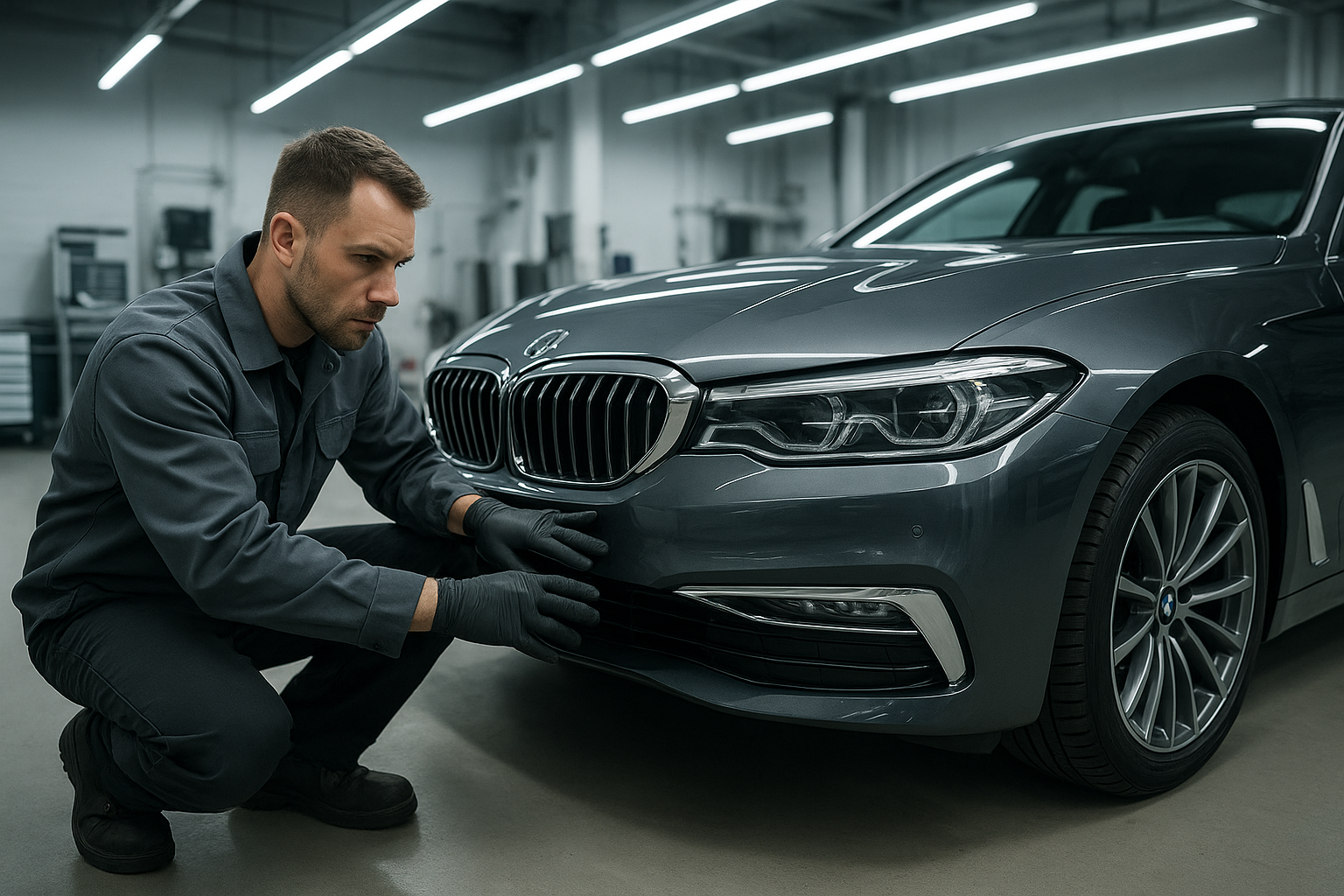
When your BMW, Toyota, or Mercedes-Benz gets dinged in a parking lot or crumpled in a collision, typing “import body shop near me” into Google is usually the first move — and it should be. Import and foreign vehicles are built with tighter panel tolerances, proprietary paint formulas, and sensor-dependent safety systems that a general collision shop is often not equipped to handle correctly.
This guide goes far beyond a simple location listing. Instead, it walks you through exactly what an import body shop does differently, how to vet one in minutes, what your repair should cost, how insurance and direct repair programs really work, and which red flags mean you should walk away. By the end, you will know precisely how to choose the right import body shop near me — and why that choice matters more than most drivers realize.
What Is an Import Body Shop Near Me, Exactly?
An import body shop near me is a collision repair facility that specializes in vehicles manufactured outside the United States — European brands such as BMW, Mercedes-Benz, Audi, Volkswagen, Volvo, and Porsche, along with Asian brands like Toyota, Honda, Lexus, Subaru, and Nissan. Unlike a general repair garage, these shops invest heavily in brand-specific training, factory-level diagnostic tools, and computerized paint-matching systems built for import color codes.
In fact, import vehicles now account for well over 45% of new car sales in the United States, according to industry data tracked by organizations such as the Inter-Industry Conference on Auto Collision Repair (I-CAR). As import volume grows, so does the gap between shops that merely accept these vehicles and shops truly qualified to repair them correctly.
Why Foreign Vehicles Demand a True Collision Specialist
Import vehicles are engineered to noticeably tighter tolerances than many domestic models. As a result, even a seemingly minor fender repair can throw off structural alignment, shift sensor placement, or compromise aerodynamic performance if it is not handled with precision.
In addition, most modern imports include ADAS (Advanced Driver Assistance Systems) — safety technology such as lane-keep assist, adaptive cruise control, and automatic emergency braking. These features depend on cameras and radar sensors embedded in the bumper, windshield, and side mirrors. Consequently, any collision repair that disturbs these components legally and mechanically requires precise recalibration, a process detailed in Wikipedia’s overview of advanced driver-assistance systems.
Put simply, taking a BMW or Lexus to a shop without genuine import expertise puts both your safety and your factory warranty at risk. The National Highway Traffic Safety Administration (NHTSA) specifically warns that improperly calibrated safety sensors can fail to activate when needed most.
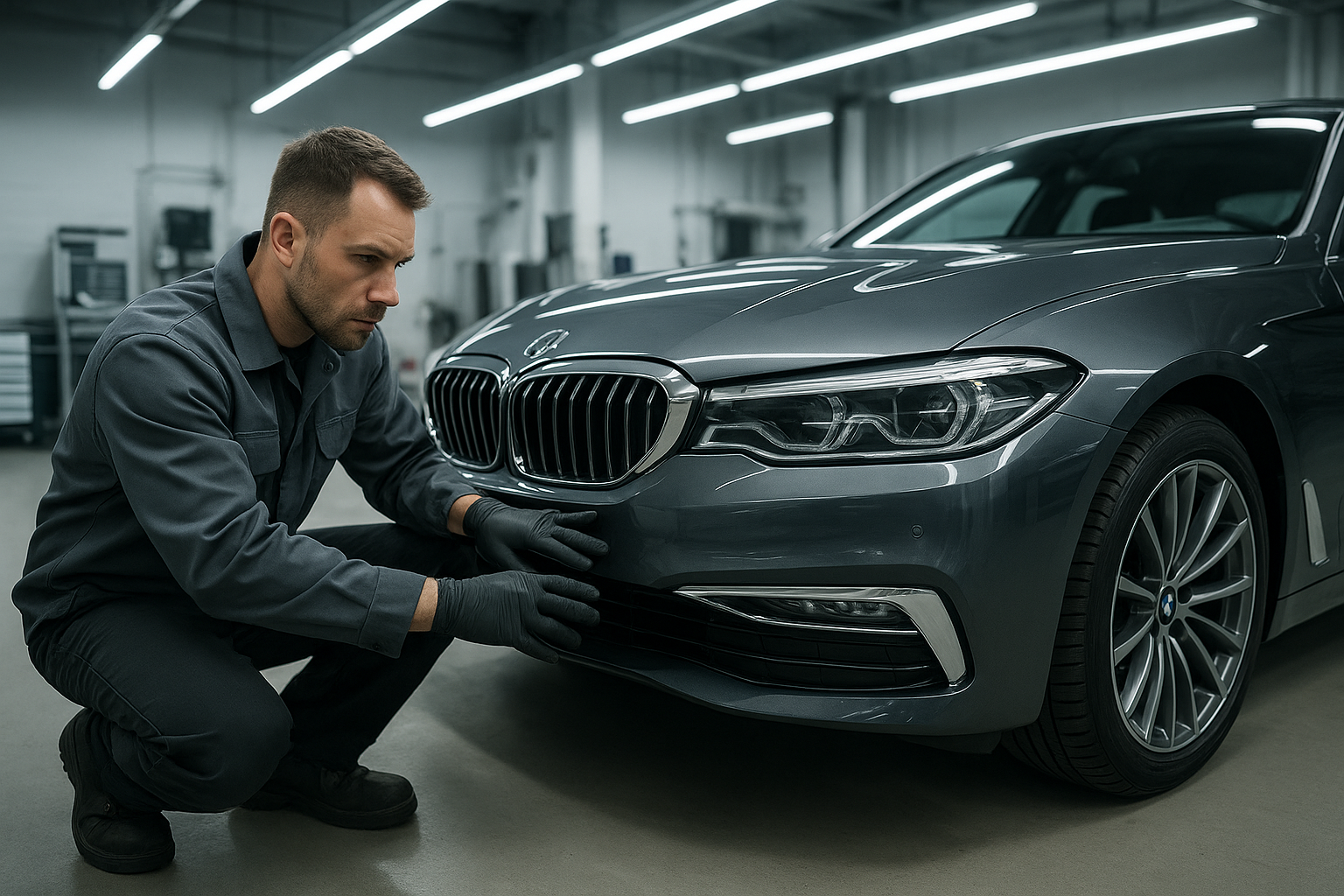
A certified technician at a local import body shop carefully assessing collision damage on a European vehicle.
ADAS Recalibration: The Repair Step Many Shops Skip
Recalibration typically requires a stationary target board, a specific measured distance, and manufacturer-issued software — equipment general shops rarely own. Therefore, one of the first questions to ask any prospective import body shop near me is whether ADAS recalibration is performed in-house or outsourced, and whether it is included in the estimate rather than billed as a surprise add-on later.
How to Vet an Import Body Shop Near Me: A 7-Step Process
Choosing the right shop involves far more than picking the first listing on a map search. Follow this proven, step-by-step vetting process before you hand over your keys.
- Search for local import specialists, not just “any” body shop. Use Google Maps or an online directory and filter by brand — search “BMW body shop near me” or “Toyota collision repair” to surface true specialists rather than general chains.
- Verify certifications before requesting an estimate. Confirm the shop holds I-CAR Gold Class certification — the industry’s leading training standard — or OEM-specific certification from your exact vehicle brand.
- Request a detailed, itemized written estimate. Ask for a line-by-line breakdown covering whether OEM or aftermarket parts are used, labor hours, paint stages, and a realistic completion date.
- Check verified reviews and past repair photos. Read Google and Yelp reviews specifically mentioning your vehicle brand, and ask to see before-and-after photos of similar import repairs completed recently.
- Ask directly about ADAS recalibration capability. Confirm whether calibration is performed on-site with OEM-approved equipment, since outsourced calibration adds days to your timeline.
- Confirm the repair warranty in writing. A reputable import specialist offers a lifetime guarantee on paint and bodywork, protecting you if problems surface months later.
- Clarify loaner car and rental coordination. Ask whether the shop provides a loaner vehicle or works directly with rental companies, since import parts can take longer to arrive than domestic ones.
OEM Parts vs. Aftermarket: What Your Import Vehicle Deserves
OEM parts (Original Equipment Manufacturer parts) are made by the vehicle’s original manufacturer and guarantee a precise fit, correct finish, and full compatibility with existing electronics. Aftermarket parts, by contrast, are produced by third-party suppliers and can vary considerably in quality and fitment accuracy.
For import vehicles — especially luxury or performance models — OEM parts are strongly preferred. Specifically, mismatched panels or off-spec bumpers can affect paint adhesion, gap alignment, and even crash-test performance during a future accident.
Always ask your chosen foreign car body shop whether they source OEM parts directly from the manufacturer or through authorized distributors. A trustworthy shop will be transparent about this from the very first phone call.
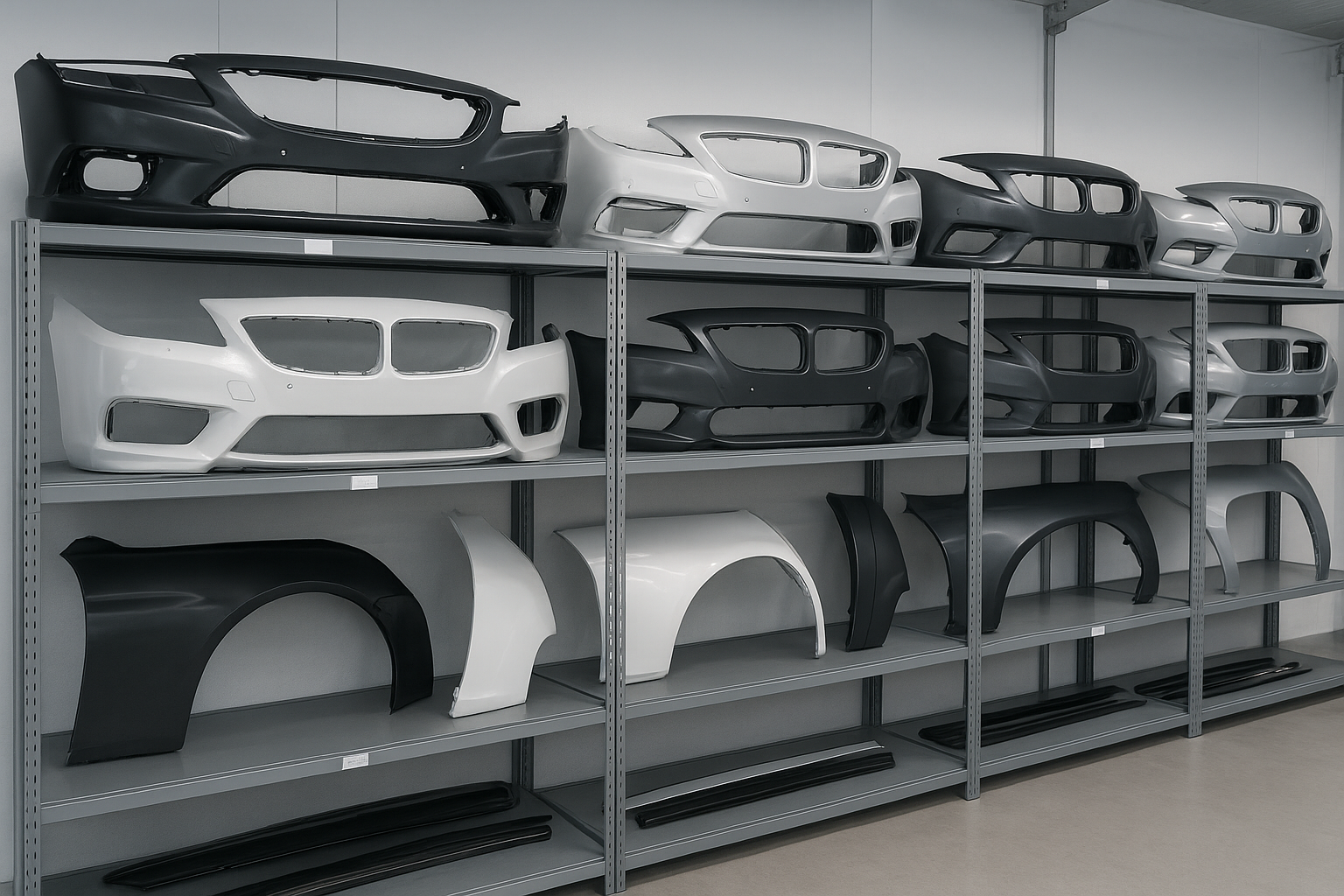
OEM parts ensure a precise fit and preserve the structural integrity of your import vehicle after a repair.
Understanding Multi-Stage Paint Matching for Imports
Paint matching is one of the most technically demanding parts of import collision repair. European manufacturers in particular use multi-stage paint systems — base coats, mid-coats, and clear coats — that require computerized spectrophotometers (devices that measure light wavelengths to identify exact color formulas) to replicate accurately.
Consequently, a shop without this equipment often produces a visible color mismatch, particularly in direct sunlight. Always confirm the shop uses computerized color-matching technology before authorizing any paintwork.
National Chain vs. Independent Import Specialist: Which Wins?
Many drivers assume a large national collision chain automatically means better quality. In reality, national chains often service every make and model at every location, which can dilute brand-specific expertise. An independent import specialist, on the other hand, typically focuses its training, tooling, and technician certifications around a narrower set of European or Asian brands.
For example, a shop that repairs everything from pickup trucks to economy sedans may only handle a handful of BMWs or Audis per month. A dedicated import specialist, in contrast, may service dozens weekly — building deeper familiarity with panel gaps, wiring harness routing, and paint codes specific to those brands.
Therefore, when comparing options, ask any shop — chain or independent — how many vehicles of your specific make they repair each month, and request references from recent import customers specifically.
How Insurance and Direct Repair Programs Work With Import Shops
Most comprehensive and collision insurance policies cover repairs at any licensed body shop, including import specialists. However, insurers frequently recommend a “preferred” shop through what is known as a Direct Repair Program (DRP) — a partnership where the shop bills the insurer directly and follows negotiated pricing guidelines.
Importantly, you are generally not required to use your insurer’s preferred shop. In most U.S. states, you retain the legal right to choose your own repair facility, including a dedicated import specialist who may not participate in every insurer’s network.
If your insurer resists paying for OEM parts, you can request a diminished value claim — a formal claim for the reduction in your vehicle’s resale value caused by the accident. As explained in Wikipedia’s entry on diminution in value, this claim type is recognized in most states and can meaningfully offset repair costs on higher-value imports.
Direct Repair Program Shop vs. Independent Specialist
A DRP shop can simplify billing since the insurer pays the shop directly. However, negotiated pricing sometimes pressures shops toward aftermarket parts to control costs. An independent import specialist without DRP constraints may have more flexibility to insist on OEM parts, though you may need to pay upfront and seek reimbursement. Weigh convenience against long-term part quality before deciding.
Cost, Timeline, and the Full Repair Process
Repair costs vary widely depending on damage severity, make and model, and local labor rates. As a general guide:
- Minor scratches or single-panel touch-up: roughly $300–$800
- Bumper replacement with sensor recalibration: roughly $900–$2,500
- Multi-panel collision repair with OEM parts: roughly $3,000–$7,000
- Structural or frame repair on a luxury import: $8,000–$10,000 or more
In terms of timeline, minor cosmetic repairs typically take 2 to 3 business days. More extensive structural repairs, however, can take 2 to 4 weeks, particularly when OEM parts must be shipped from overseas manufacturing facilities.
A reputable import repair shop keeps you updated throughout the process and revises the timeline promptly if parts are delayed. Many shops also offer loaner vehicles or coordinate directly with rental car companies to reduce your downtime.
7 Red Flags You’ve Found the Wrong Import Body Shop
- The shop cannot produce proof of I-CAR or OEM-specific certification when asked.
- Estimates are verbal only, with no itemized written breakdown provided.
- The shop pushes aftermarket parts without explaining the tradeoffs.
- There is no mention of ADAS recalibration for a repair that clearly requires it.
- Online reviews mention repeated paint mismatch complaints.
- No written warranty is offered on parts or labor.
- The quoted price is drastically lower than competing estimates with no clear explanation.
A Trusted Import Body Shop Near Me in Southern California
If you are searching for an import body shop near me in the Southern California area, Brea Auto Body is a highly regarded local option. The shop specializes in European and Asian vehicle collision repair, employs certified technicians, and uses OEM-quality parts alongside computerized paint-matching systems.
Furthermore, Brea Auto Body handles insurance claims directly, making the process far more convenient for vehicle owners already dealing with post-accident stress. Their team works with all major insurance carriers and prioritizes transparent, step-by-step communication throughout every repair — a level of detail worth requesting from any import specialist you contact.
A professional import body shop provides a welcoming environment and expert care for your foreign vehicle.
Frequently Asked Questions
What is an import body shop near me?
An import body shop near me is a local collision repair facility that specializes in European and Asian-made vehicles. These shops employ technicians trained on import-specific parts, panel tolerances, and OEM paint codes, differing from general shops through brand-specific expertise and equipment.
Why should I choose a specialist over a general auto body shop?
Import vehicles have unique panel designs, proprietary paint formulations, and advanced ADAS sensors requiring specialized calibration. A specialist shop has the right tools and training to handle these correctly, protecting both safety and resale value.
How do I find a certified import auto body shop in my area?
Search online directories, check manufacturer certification pages, and read verified customer reviews. You can also ask your dealership for a recommended collision repair partner in your region.
What certifications should an import body shop have?
Look for I-CAR Gold Class certification, OEM brand-specific certifications such as BMW, Mercedes-Benz, or Toyota, and ASE-certified technicians. These credentials confirm the shop meets current industry repair standards. Learn more about certified collision repair.
How much does import auto body repair typically cost?
Costs vary depending on damage severity, make and model, and local labor rates. Minor dent and paint repairs may start around $300, while extensive collision work on a luxury import can exceed $10,000.
Will my insurance cover repairs at an import body shop?
Most comprehensive and collision insurance policies cover repairs at any licensed body shop, including import specialists. Always confirm with your insurer before authorizing work to understand your deductible and parts coverage.
How long does import collision repair usually take?
Minor repairs may take 2 to 3 days, while complex structural work can take 2 to 4 weeks, especially if OEM parts must be ordered from overseas. Your shop should provide a written timeline estimate upfront.
What is the difference between OEM and aftermarket parts for import vehicles?
OEM parts are made by the vehicle’s manufacturer and guarantee a precise fit. Aftermarket parts are produced by third parties and can vary in quality. Import specialists typically prefer OEM parts to maintain vehicle integrity and warranty compliance.
Can an import body shop handle ADAS recalibration after a repair?
Yes. A qualified import body shop can recalibrate ADAS systems — such as lane-keep assist and automatic emergency braking — after collision repairs that affect sensors or cameras. This step is critical for driver safety.
What common mistakes should I avoid when choosing an import repair shop?
Avoid shops that cannot provide proof of certifications, refuse to use OEM parts, or offer unusually low estimates without a written breakdown. Always request a detailed repair order before work begins to avoid surprise charges.
What’s the difference between a direct repair program shop and an independent import specialist?
A direct repair program (DRP) shop bills your insurer directly under negotiated pricing, which simplifies paperwork but can pressure part choices. An independent specialist has more flexibility to insist on OEM parts, though reimbursement steps may differ.
Do import body shops offer free estimates?
Most reputable import body shops offer free, no-obligation written estimates, either in person or through photo submission online. Confirm this before scheduling a visit so you can compare multiple quotes.
What should I bring to my first appointment?
Bring your insurance information, vehicle registration, and photos of the damage if you have them. It also helps to bring your vehicle’s paint code, often found on a sticker inside the driver’s door jamb.
Does Brea Auto Body specialize in import vehicle repairs?
Yes. Brea Auto Body is a local import collision specialist serving European and Asian vehicle owners with certified technicians and OEM-quality repairs. They handle insurance claims directly and work with all major carriers.
What European and Asian car brands do import body shops typically service?
Most import specialists service BMW, Mercedes-Benz, Audi, Volkswagen, Volvo, Porsche, Land Rover, Toyota, Honda, Lexus, and Subaru, among others. Confirm brand coverage when you contact the shop, as some focus on specific manufacturers.
Conclusion: Choosing the Right Import Body Shop Near Me
Finding the right import body shop near me requires research, but the effort pays off. Choosing a certified specialist protects your vehicle’s structural integrity, preserves its resale value, and ensures every safety system is properly restored after a collision.
In summary, prioritize shops with I-CAR or OEM certifications, insist on OEM parts and in-house ADAS recalibration, and always request a written estimate and warranty before authorizing work. If you are in Southern California, Brea Auto Body is an excellent starting point for expert import collision repair.
Your import vehicle deserves specialist-level care, not guesswork. Take the time to vet your options properly, and drive away with confidence.

