

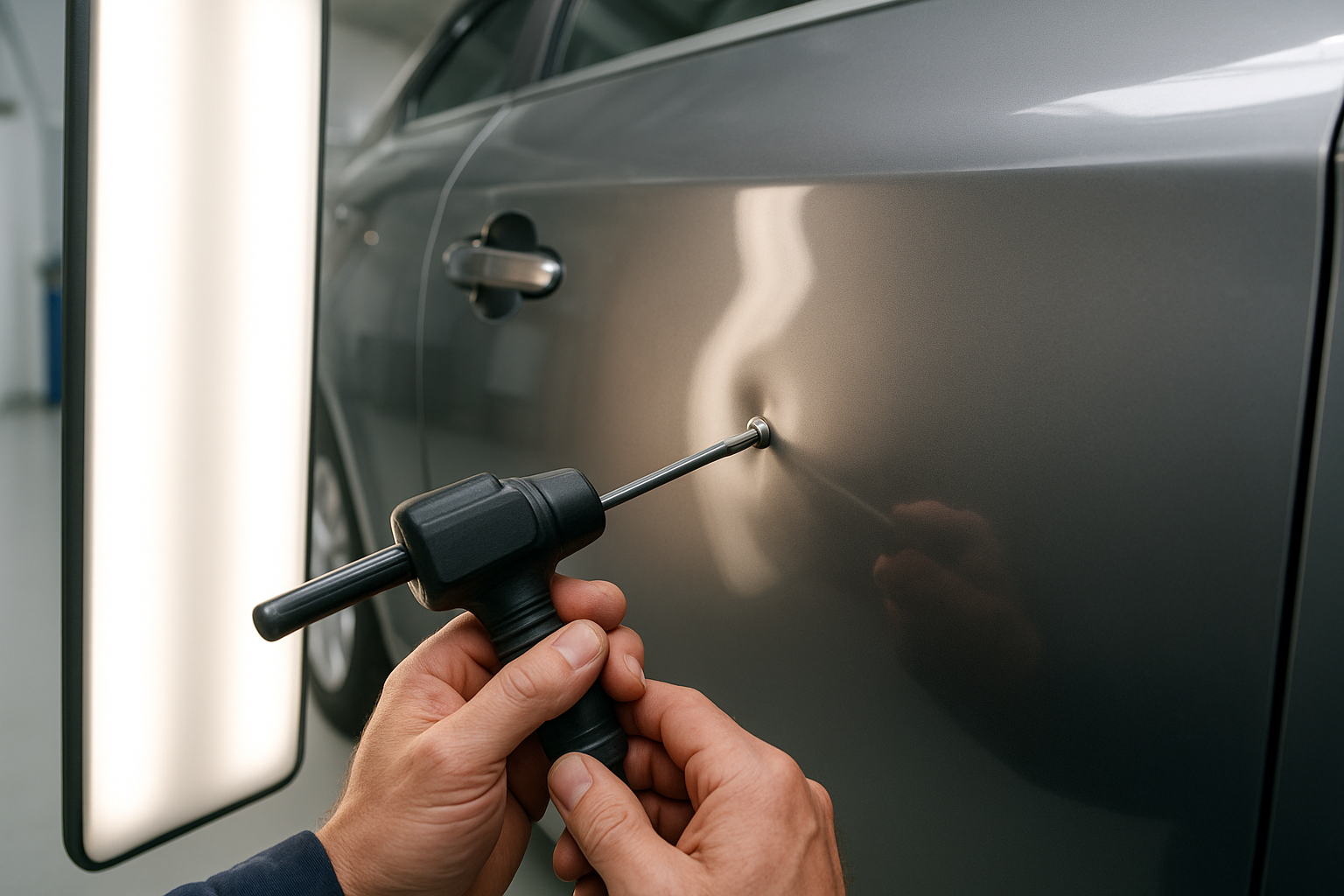
Finding minor auto body repair near me is one of the most common searches drivers make after a parking lot ding, a shopping cart scrape, or a fender bender. The good news is that most of these small repairs are fast, affordable, and easy to arrange at a trusted local shop.
However, knowing what to expect — including realistic costs, repair methods, and how to spot a quality technician — makes the entire process much smoother. This guide covers everything you need to know before dropping off your car.
What Is Minor Auto Body Repair?
Minor auto body repair is any cosmetic or surface-level fix that does not affect your vehicle’s structural frame or mechanical systems. Specifically, it covers small dents, shallow scratches, paint chips, scuffed bumpers, and cracked trim pieces. These repairs generally cost under $500 and are completed within a single business day.
In contrast, major repairs involve crumple zones, airbag deployment, or frame realignment — work that requires specialized equipment and significantly more time. Understanding this difference helps you set realistic expectations and choose the right type of shop.
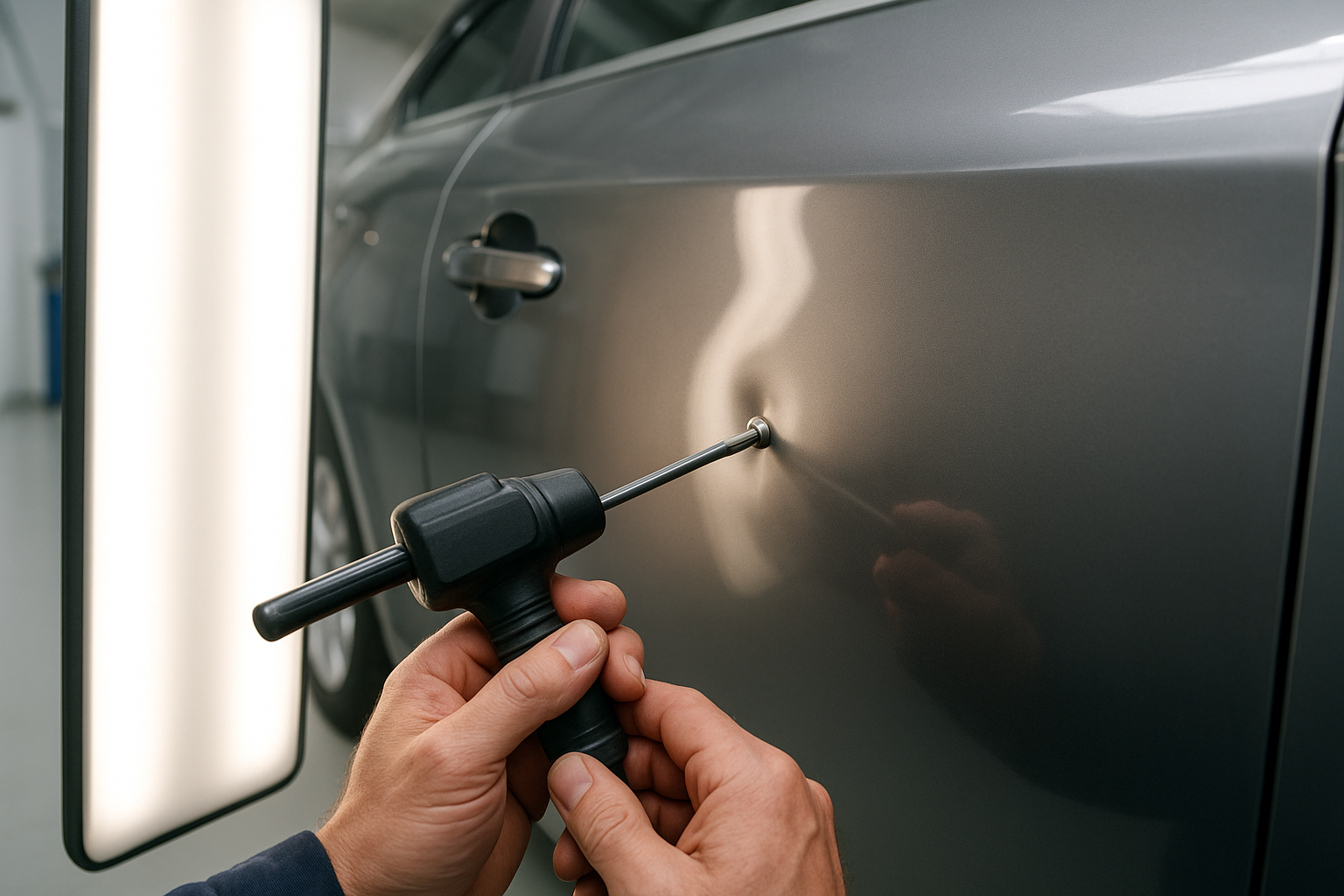
Paintless dent repair is one of the most popular methods for minor auto body repair near me — it preserves your factory finish.
Common Types of Small Vehicle Damage
Several types of damage fall squarely into the minor repair category. Knowing which type you have helps you describe the problem accurately when calling shops.
- Door dings and small dents — typically caused by other car doors or shopping carts in parking lots
- Surface scratches — key marks, brush contact, or road debris that stay above the metal layer
- Paint chips — small areas where paint has flaked away, often exposing primer or bare metal
- Scuffed or cracked bumpers — low-speed contact damage that affects only the plastic cover
- Trim and molding damage — loose, cracked, or missing decorative strips along doors and panels
Each of these issues has a dedicated repair technique. Therefore, choosing a shop familiar with all of them ensures you get the most appropriate — and cost-effective — solution.
How Much Does Local Auto Body Repair Cost?
Cost is usually the first concern drivers have. According to industry data from auto repair industry sources, minor body work in the United States averages the following:
| Repair Type | Average Cost Range | Typical Turnaround |
|---|---|---|
| Small dent (PDR) | $75 – $150 | 30 min – 2 hours |
| Surface scratch repair | $150 – $300 | Half day – 1 day |
| Paint chip touch-up | $50 – $200 | 1 – 3 hours |
| Bumper scuff repair | $100 – $250 | Half day – 1 day |
Keep in mind that prices vary by region, vehicle make, and paint color complexity. As a result, always request a written estimate before authorizing any work.
Insurance vs. Out-of-Pocket: Which Is Smarter?
For repairs that cost less than your deductible — commonly $500 to $1,000 — paying out of pocket is usually the wiser choice. Filing a claim for a $150 dent repair could trigger a premium increase that costs you far more over time. However, if the damage is extensive or involves multiple panels, your insurance coverage may be worth using.
Step-by-Step: How to Find and Use a Body Shop Near You
Following a clear process saves time and protects your wallet. Here is exactly what to do from the moment you notice damage to the moment you pick up your repaired vehicle.
- Assess the damage. Inspect your vehicle in good lighting. Note whether paint is broken, bare metal is exposed, or any trim is cracked. Take photos for reference.
- Research local shops. Search for highly rated shops nearby. Filter for Google reviews of 4 stars or higher and confirm they hold I-CAR or ASE certifications.
- Request multiple written estimates. Visit at least two shops in person. Compare labor rates, parts costs, and completion timelines side by side.
- Decide on payment method. Compare the estimate against your deductible. If the repair falls below or near your deductible, consider paying out of pocket to protect your premium.
- Authorize the repair in writing. Sign a written authorization that specifies the scope of work, parts to be used, price, and expected completion date. Always ask about the warranty on parts and labor.
Furthermore, a reputable shop will walk you through each step without pressure. If a shop refuses to provide a written estimate, treat that as a red flag.
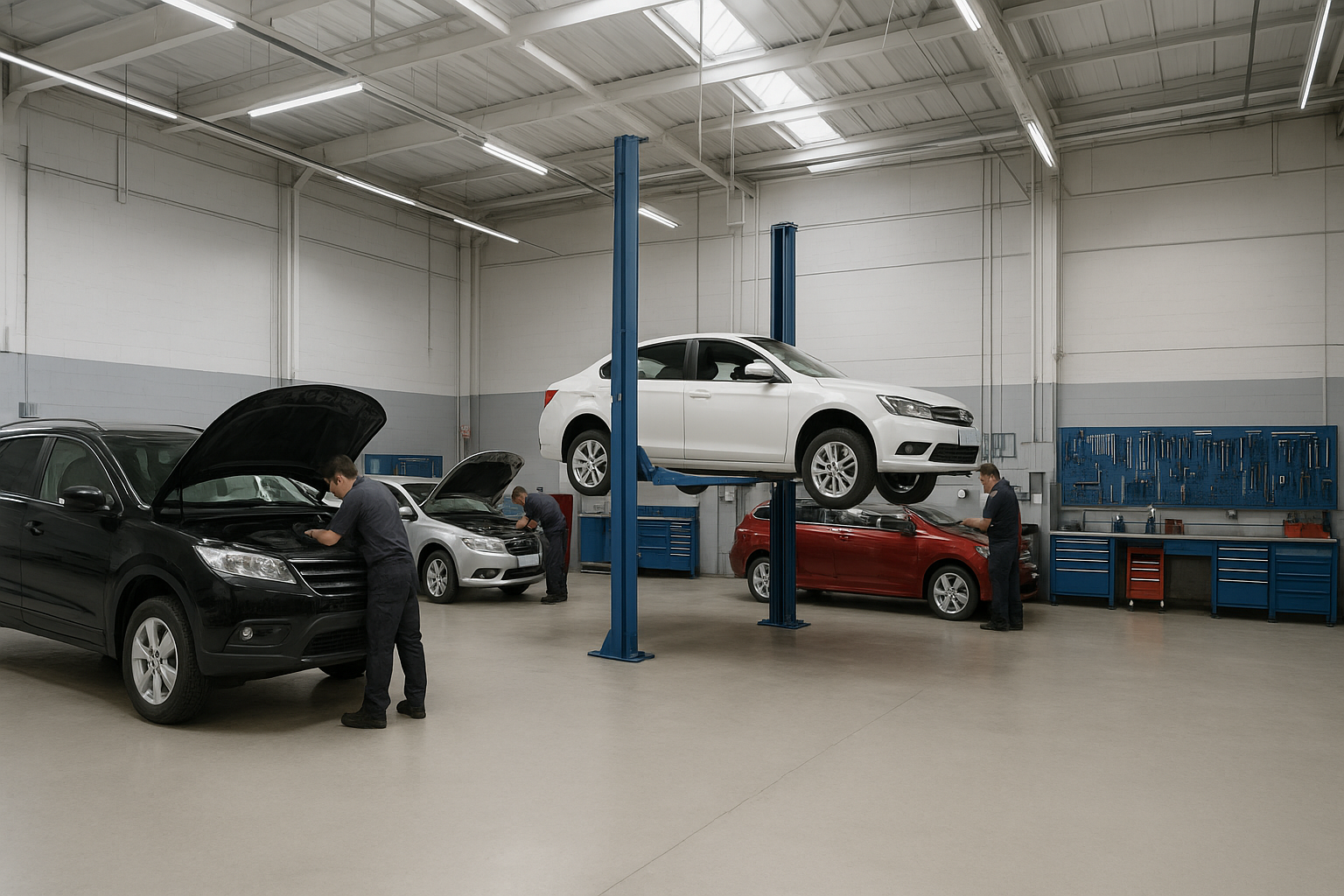
A well-organized, certified shop is a strong indicator of quality workmanship and transparent pricing.
What Is Paintless Dent Repair (PDR)?
Paintless dent repair (PDR) is a technique where trained technicians use specialized metal rods and body picks to gently massage dents out from behind the panel — without any sanding, filling, or repainting. It is widely considered the gold standard for minor dent removal because it preserves the original factory paint and costs significantly less than traditional bodywork.
PDR works best on dents where the paint surface is still intact. Specifically, it is ideal for hail damage, door dings, and minor creases. However, if a dent has sharp edges or the paint is cracked, conventional repair with body filler and paint may be required instead.
Why Preserving Factory Paint Matters
Original factory paint is applied in a highly controlled environment and is generally more durable than aftermarket refinishing. Consequently, keeping your factory finish intact through PDR helps maintain your vehicle’s resale value and prevents premature paint failure.
How to Choose the Right Auto Body Shop
Not all shops are equal. Here are the most important factors to evaluate when searching for minor auto body repair near me:
- Certifications: Look for I-CAR Gold Class or ASE-certified technicians. These credentials confirm ongoing training and technical competence.
- Reviews and reputation: Check Google, Yelp, and the Better Business Bureau. A pattern of positive reviews over several years is a strong trust signal.
- Warranty: Reputable shops offer a written warranty on their work — often lifetime warranties on paint and labor.
- Transparency: The shop should explain every line item on your estimate and answer your questions without hesitation.
- Parts quality: Ask whether OEM (original equipment manufacturer) or aftermarket parts will be used and understand the difference in cost and fit.
For example, Brea Auto Body is a local shop that exemplifies these qualities — offering transparent estimates, certified technicians, and a clear commitment to customer satisfaction. Visiting a shop’s website before calling can also tell you a lot about their professionalism and range of services.
Does Small Body Damage Affect Resale Value?
Absolutely — even minor cosmetic damage can reduce your vehicle’s trade-in or private sale price by $300 to $1,000 or more, depending on the severity and visibility. In contrast, a professional repair that costs $150 to $300 can recoup far more value at resale. Therefore, addressing small damage promptly is a smart financial decision, not just an aesthetic one.
Additionally, exposed bare metal from paint chips will begin to rust within weeks in humid climates. Rust spreads quickly and can turn a $100 paint chip repair into a $1,500 panel replacement if ignored. Acting early is always cheaper.
If you want to learn more about protecting your vehicle’s finish between shop visits, check out our guide on car paint protection tips for practical maintenance advice.
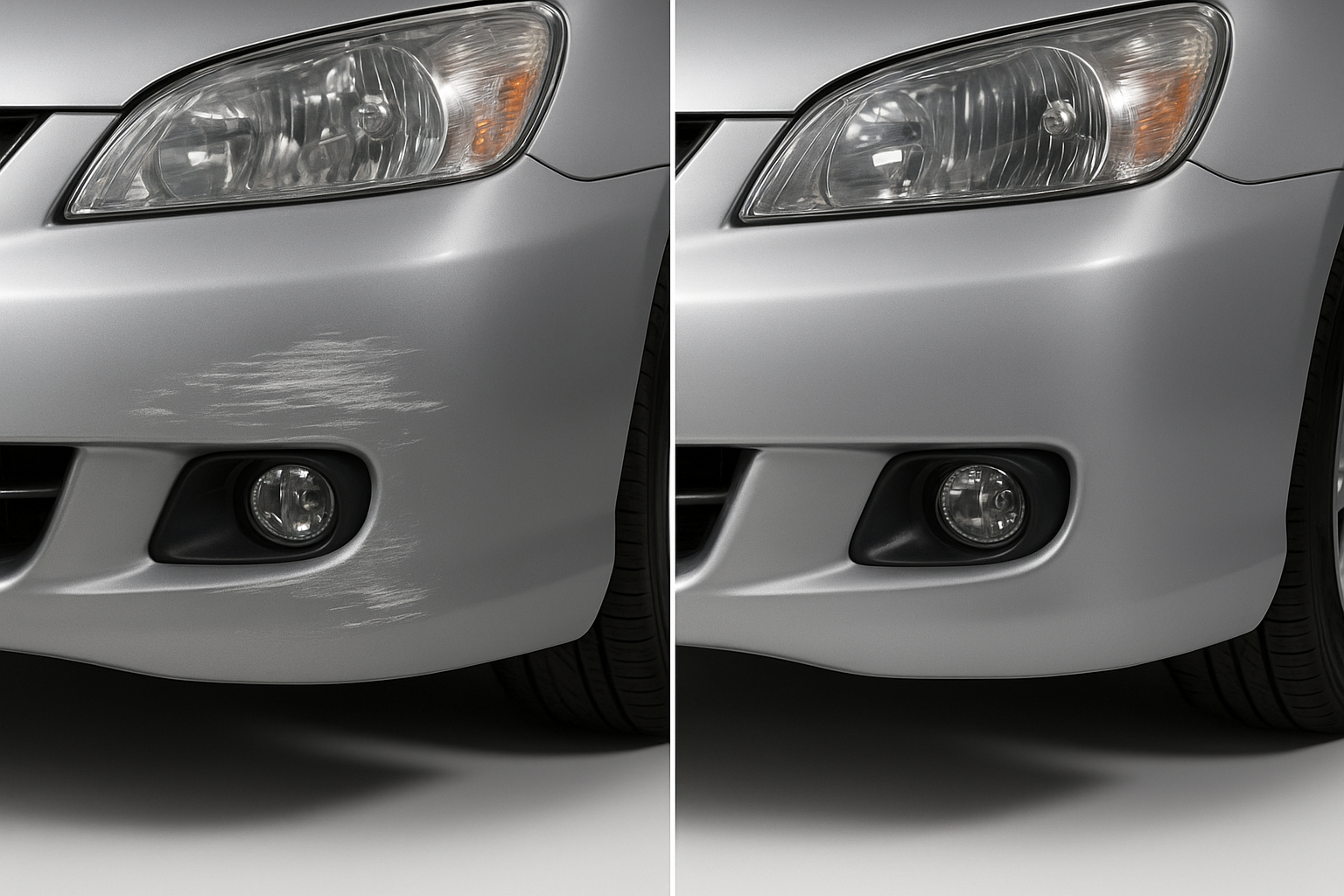
A professionally repaired bumper can look factory-new — protecting both appearance and resale value.
FAQ: Minor Auto Body Repair Near Me
Conclusion
Searching for minor auto body repair near me does not have to be stressful. By understanding the types of damage, realistic cost ranges, and what separates a trustworthy shop from a poor one, you can make a confident, informed decision. Act quickly on small damage, gather written estimates, and choose a certified shop with strong reviews. Doing so protects your vehicle’s value, prevents rust, and keeps your car looking its best for years to come. Resources like Brea Auto Body are a great starting point for finding professional, transparent local repair services.

