

Auto body shops in California repair more collision damage, hail dents, and insurance claims every year than facilities in almost any other state — which is exactly why picking the right one matters so much. Whether you were rear-ended on the 405, caught in a hailstorm in the Central Valley, or simply need a flawless paint correction, the shop you choose determines your vehicle’s safety, appearance, and resale value for years to come. This guide goes further than a simple directory listing. It shows you, step by step, how to evaluate auto body shops in California the way a trained inspector would.
California is home to tens of thousands of registered repair facilities. According to the California Bureau of Automotive Repair (BAR), the state licenses over 40,000 automotive repair dealers statewide. That volume is impressive. However, it also means quality varies significantly from one shop to the next — and a directory listing alone won’t tell you which ones deserve your trust.
What Are Auto Body Shops in California Legally Required to Do?
Every legitimate auto body shop in California must register with the Bureau of Automotive Repair. This registration is not optional — it’s a legal requirement enforced under the state’s Automotive Repair Act. Shops must post their license number visibly, and they must provide a written estimate before any work begins. In addition, they must return all replaced parts to you upon request.
These protections exist to keep consumers informed and prevent fraudulent billing. However, state licensing alone does not guarantee quality craftsmanship. Therefore, it’s essential to look beyond the license check when comparing your options — which is precisely where most directory-style comparison sites fall short.

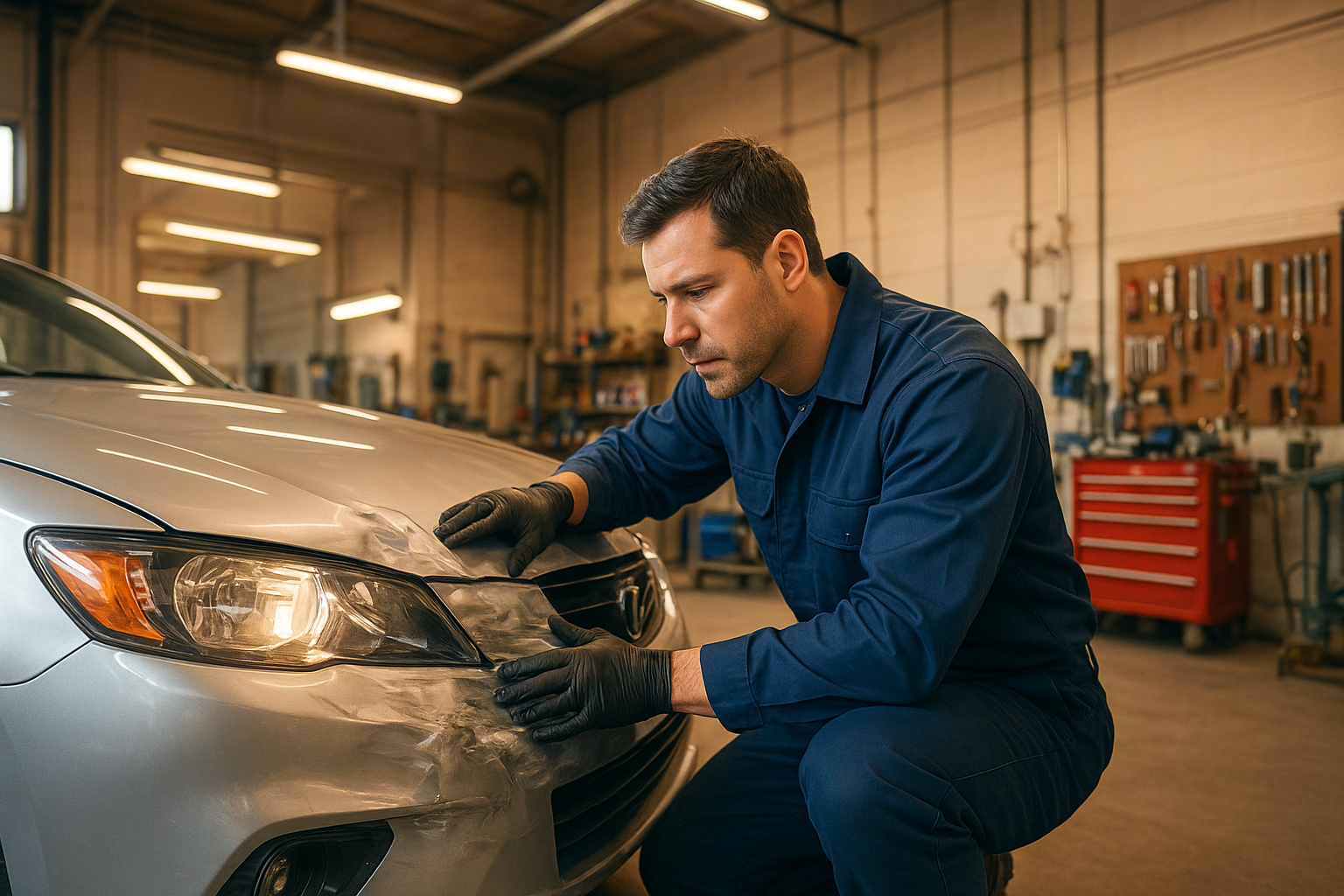
A certified technician evaluates collision damage at a California auto body shop before beginning structural repairs.
Key Certifications to Look for in a California Collision Repair Shop
Certifications are one of the clearest signals of a shop’s commitment to quality. Two organizations set the industry standard: I-CAR (Inter-Industry Conference on Auto Collision Repair) and ASE (Automotive Service Excellence).
I-CAR Gold Class is the highest training recognition available to a collision repair business. It means every technician completes ongoing, role-specific training that keeps pace with evolving vehicle technology. In contrast, shops without this credential may rely on outdated repair methods — particularly problematic with modern aluminum-intensive frames and advanced high-strength steel, both of which require specialized welding and bonding techniques.
ASE certification focuses on individual technician competency across specific repair categories, from structural analysis to non-structural refinishing. Together, these credentials help you identify shops where the team is genuinely trained — not just experienced by habit.
OEM Manufacturer Certifications: The Credential Most Drivers Overlook
Beyond I-CAR and ASE, many manufacturers now certify individual shops to repair their specific vehicles. Tesla, Honda, Ford, and several European brands require specialized tooling, proprietary repair procedures, and factory-trained staff before a shop can display their certification badge. Consequently, if you drive an electric vehicle or a late-model car with a lot of onboard sensors, an OEM-certified shop is often the safer choice — especially for structural or electrical repairs.
Ask directly whether a shop holds certification for your specific make. A shop that services “all makes and models” without any brand-specific training may still do excellent cosmetic work, but structural or electronic repairs on newer vehicles demand more specialized expertise.
Why Certifications Matter More Than Price
It’s tempting to choose the cheapest estimate, especially after a stressful accident. However, a low quote often signals aftermarket or salvaged parts, or labor shortcuts that compromise structural integrity. Specifically, improper frame alignment after a collision can affect airbag deployment and overall crash safety — risks that far outweigh any short-term savings.
How to Choose the Best Auto Body Shops in California: A Step-by-Step Guide
Following a clear, repeatable process helps you avoid costly mistakes and ensures your vehicle is repaired correctly the first time. Here is a reliable, six-step approach used by informed California drivers:
- Verify the shop’s BAR license. Visit the BAR website and confirm the shop’s registration is active and in good standing before you drop off your vehicle. To review selection tips, learn how to choose the best auto body shop.
- Confirm technician certifications. Ask directly whether staff hold I-CAR Gold Class, ASE, or manufacturer-specific OEM credentials for your vehicle’s make. A reputable shop will display these prominently and answer without hesitation.
- Request itemized written estimates from at least three shops. California law requires this, and each estimate must break out parts, labor, and materials so you can compare fairly.
- Read customer reviews and ask for references. Check Google, Yelp, and the Better Business Bureau, and additionally ask the shop for references from customers with similar repair types.
- Confirm warranty coverage in writing. A quality shop offers a documented workmanship warranty; verify the specific terms, duration, and which repairs it actually includes.
- Ask about ADAS calibration capability. Confirm whether the shop performs in-house sensor and camera recalibration after structural repairs, since this directly affects your vehicle’s safety systems.
For additional guidance on evaluating your options, the team at breaautobody.com offers practical tips for choosing an auto body shop in Brea that apply broadly to drivers across California. For a deeper walkthrough, see our Can You Recommend an Auto Body Shop That Fixes Dents? Your Complete Guide.
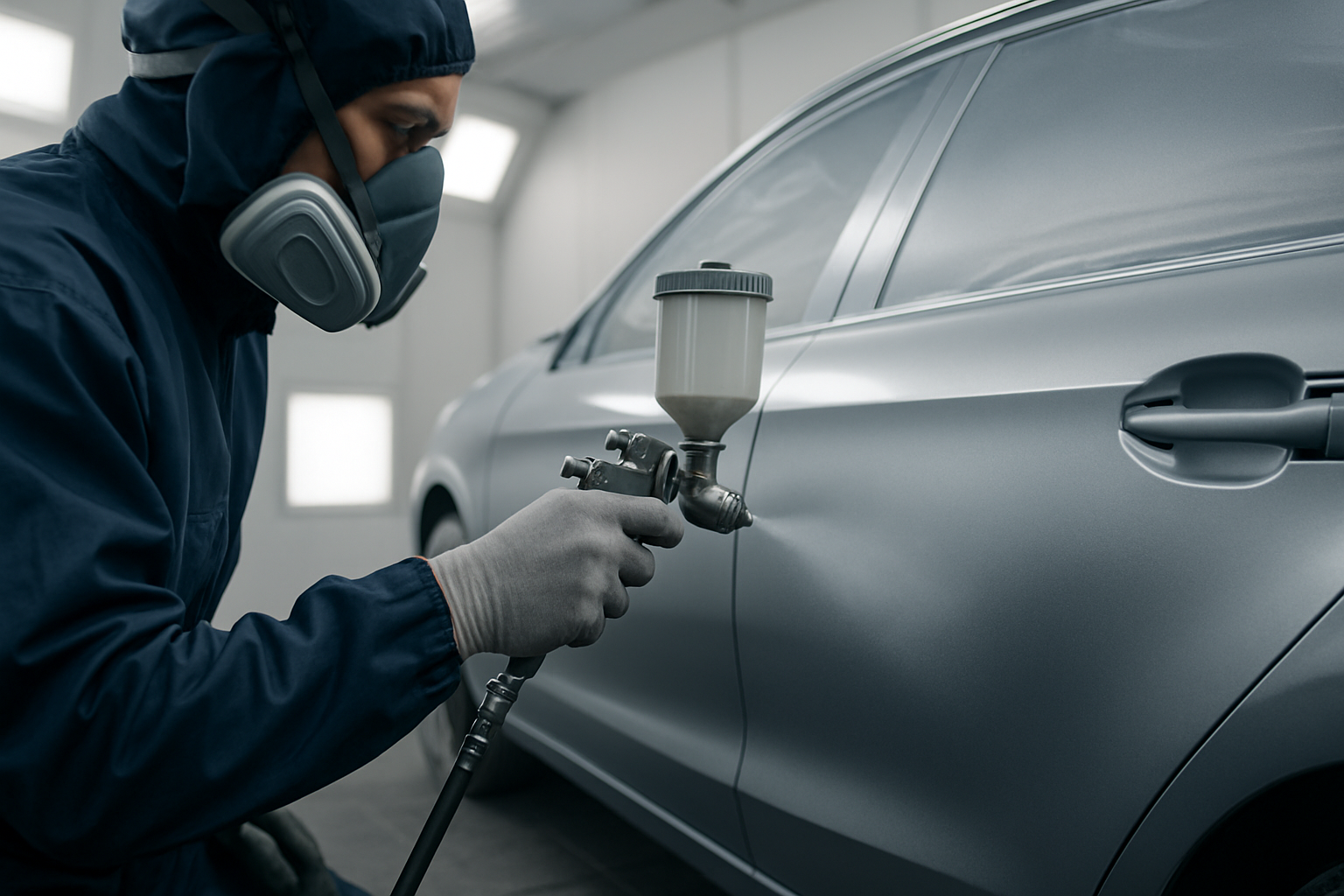
Advanced paint matching technology ensures a seamless finish that restores your vehicle’s original appearance after collision repair, see our quality inspection guide.
Understanding Insurance and Your Right to Choose Your Shop
Many drivers don’t realize that in California, you have the legal right to choose your own collision repair shop — regardless of what your insurance company recommends. Insurers may suggest preferred shops, but they cannot legally require you to use them. This distinction matters because preferred, high-volume “direct repair program” shops sometimes prioritize speed and insurer cost savings over thoroughness.
Therefore, always evaluate any recommended shop using the same criteria you’d apply to one you found independently. If your insurer’s preferred shop lacks proper certifications or can’t provide a written warranty, consider exercising your right to go elsewhere. For more on navigating accident repairs, see our detailed resource on car accident repair in Brea.
What to Expect During the Repair Process
After you drop off your vehicle, a qualified shop performs a thorough damage assessment — often more detailed than the initial estimate once panels are removed. Expect clear communication about any supplemental repairs discovered during disassembly. Transparent shops contact you before proceeding and never surprise you with unauthorized charges.
Repair timelines vary considerably. Minor cosmetic repairs, such as small dents or paint scratches, typically take one to three days. More significant structural repairs — including frame straightening and multi-panel replacement — can take one to three weeks or longer, depending on parts availability and calibration requirements.
Why ADAS Calibration Is Critical After Collision Repair
Most vehicles built since 2018 include Advanced Driver-Assistance Systems (ADAS) — cameras, radar, and sensors that power lane-keeping, automatic braking, and adaptive cruise control. According to Wikipedia’s overview of ADAS technology, these systems rely on precise sensor alignment to function safely.
Consequently, even a minor bumper repair can knock a forward-facing camera out of alignment. If a shop skips recalibration, your car’s safety systems may misread the road — a risk documented by the National Highway Traffic Safety Administration (NHTSA) in its vehicle safety research. Above all, ask whether calibration happens in-house or is outsourced, since outsourcing adds time and a second point of potential error.
National Chains vs. Independent Auto Body Shops in California
Large multi-location chains offer consistency, standardized processes, and nationwide warranty networks that travel with you if you move states. However, that scale sometimes comes at the cost of personalized attention — supplement approvals may move through corporate channels, and technicians may rotate between locations more frequently.
Independent, locally owned auto body shops in California often compete by offering faster communication, owner-level accountability, and long-standing relationships with local insurance adjusters. In particular, a smaller shop’s reputation depends entirely on referrals within its community, which tends to reinforce quality control. Neither model is automatically superior — the certifications, warranty terms, and reviews discussed throughout this guide matter far more than whether a shop is a regional chain or an independent operator.
Auto Body Shops in California by Region: What to Know Before You Search
A location list alone won’t tell you what actually differs between regions. Here’s what to keep in mind as you search for auto body shops in California near you:
- Los Angeles & Greater LA: High shop density means more competition on price, but also longer wait times at popular certified facilities — book estimates early.
- San Francisco Bay Area: Expect a higher concentration of EV and hybrid-certified shops given the region’s vehicle mix; confirm high-voltage battery repair training specifically.
- San Diego County: Coastal humidity accelerates corrosion on older repairs, so ask about rust-proofing and undercoating as part of any bodywork.
- Orange County: A strong mix of independent and certified shops; Brea Auto Body, detailed below, is a well-regarded local option.
- Sacramento & Central Valley: Parts availability can lag behind coastal metros, so ask upfront about expected turnaround for panel replacements.
- Inland Empire: Rapid population growth has increased demand; verify a shop’s current BAR standing rather than relying on outdated online listings.
Regardless of region, the fundamentals stay the same: verified licensing, real certifications, written estimates, and a documented warranty. If you’re researching your options more broadly, our guide to finding the best auto body shop in California covers additional factors worth considering before you commit to a facility.
Orange County’s Trusted Option for Vehicle Restoration
For drivers in Orange County, Brea Auto Body represents the kind of shop described throughout this guide — one that combines certified expertise, transparent communication, and quality materials. Located in Brea, California, the facility serves individual vehicle owners, insurance clients, and fleet customers with equal attention to detail.
Their certified technicians specialize in collision repair, precision dent removal, and advanced paint matching — restoring vehicles to their pre-accident condition for both domestic and foreign makes. Similarly, their commitment to industry-standard techniques means repairs are built to last, not just to look good at pickup. For a broader comparison of facilities across the state, the resource at auto body shops in California — find the best near you offers a helpful regional breakdown worth bookmarking.
What Auto Body Repair Actually Costs in California
Costs vary widely based on damage severity, parts, and labor rates in your area. As a general guide:
- Minor dent or scratch repair: $100–$500
- Paintless dent repair: $75–$300 per panel
- Bumper repair or replacement: $300–$1,500
- Panel replacement: $500–$1,500 per panel
- Frame straightening: $1,500–$5,000+
- ADAS sensor recalibration: $200–$600 per system
Always get a written, itemized estimate before authorizing work, and remember that unusually low quotes often signal shortcuts elsewhere in the repair.
Common Red Flags When Evaluating Repair Shops
Not every shop that appears professional on the surface delivers quality results. Specifically, watch for these warning signs:
- Reluctance to provide a written estimate before starting work
- No visible BAR license number posted in the shop
- Pressure to decide immediately without time to compare quotes
- Vague or verbal-only warranty promises
- Inability to name their technician certifications
- Estimates significantly lower than competitors without clear explanation
- No mention of ADAS calibration for newer vehicles
In addition, a disorganized or dirty shop environment often reflects how vehicles are handled once they’re inside. First impressions matter — a well-run facility typically maintains a clean, orderly workspace as a matter of professional pride. For a broader look at accident-related repair standards, see our guide to finding the best auto body repair in California.
Frequently Asked Questions About Auto Body Shops in California
What should I look for in auto body shops in California?
Look for verified certifications such as I-CAR Gold Class, ASE, or OEM-specific credentials, a valid BAR license, and documented customer reviews. Transparency in estimates and written warranty coverage are also strong indicators of quality among auto body shops in California.
Are auto body shops in California required to be licensed?
Yes. Every shop must register with the Bureau of Automotive Repair (BAR). You can verify a shop’s license status on the BAR website before committing to any repairs.
How much does collision repair cost at a California auto body shop?
Costs vary widely depending on damage. Minor dent removal may cost $100–$500, while major structural repair can exceed $5,000. Always get a written estimate before authorizing work.
Will my insurance cover auto body repairs in California?
Most comprehensive and collision policies cover repairs, though you may owe a deductible. Contact your insurer before choosing a shop, since some insurers maintain preferred provider networks.
What is an I-CAR Gold Class certification?
I-CAR Gold Class is the highest training recognition a collision repair business can achieve. It means the shop’s technicians completed ongoing industry training and meet current repair standards.
How long does auto body repair typically take?
Minor cosmetic repairs may take 1–3 days, while major collision repairs involving structural work can take 1–3 weeks or longer, depending on parts and calibration needs.
Can I choose any auto body shop in California, or does my insurance decide?
You have the legal right to choose your own repair shop regardless of your insurer’s recommendation. Insurers cannot legally require you to use a specific shop.
What is paint matching and why does it matter?
Paint matching blends new paint with your vehicle’s existing finish so repairs are invisible. Poor paint matching leads to visible color differences that reduce your car’s appearance and resale value.
Do auto body shops in California offer warranties on repairs?
Many reputable shops offer a lifetime warranty on workmanship. Always ask for the warranty in writing and clarify what it covers before approving repairs.
What is the difference between a body shop and a mechanical repair shop?
A body shop restores the exterior structure and appearance after damage, including panels, paint, and frame alignment. A mechanical shop handles engine, transmission, and drivetrain repairs.
How do I find the best auto body shop near me in California?
Check online reviews on Google and Yelp, verify BAR licensing, and ask for referrals from friends or your insurance agent. Visit in person to assess cleanliness and professionalism before committing.
What common mistakes should I avoid when choosing a California auto body shop?
Avoid choosing a shop based solely on price. Unusually low estimates may indicate inferior parts or shortcuts on labor. Also avoid shops that can’t provide a written estimate or verifiable credentials.
What is ADAS calibration and why do auto body shops in California need it?
ADAS calibration realigns a vehicle’s cameras and sensors after collision repair so safety features like automatic braking work correctly. Without it, driver-assistance systems may misread the road.
Should I choose a national chain or a local auto body shop in California?
Both can deliver quality repairs. Chains offer nationwide warranty networks, while independent shops often provide faster, more personalized communication. Certifications and warranty terms matter more than the business model.
Conclusion
Choosing among the many auto body shops in California requires more than a quick search or a location directory. Specifically, it demands that you verify licensing, confirm technician and OEM certifications, request written estimates, ask about ADAS calibration, and assess customer feedback before making any decision. Consequently, drivers who take these steps are far more likely to receive repairs that are safe, durable, and visually seamless. For Orange County residents, Brea Auto Body is built to meet every one of those standards — combining certified expertise with the transparency this guide recommends.

