

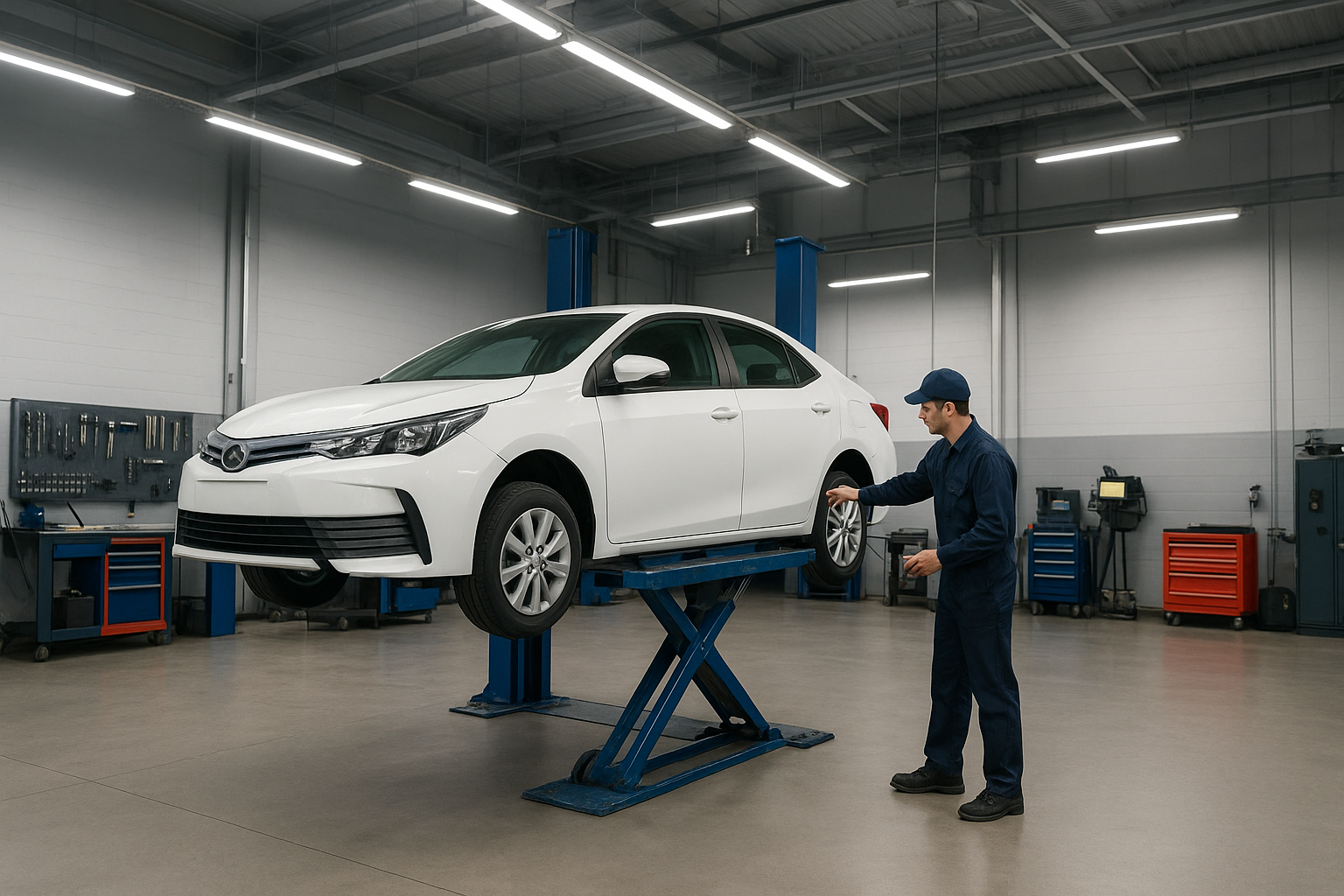
A bodyshop car repair is the process of restoring a vehicle’s exterior structure, panels, and finish after collision damage, weather events, or everyday wear — and choosing the right facility makes all the difference in the quality and safety of that restoration. Whether you’ve just been in a fender-bender or need major structural work, understanding how auto body repair works helps you make smarter decisions, protect your investment, and get back on the road with confidence.
According to the Insurance Institute for Highway Safety, millions of vehicles are involved in collisions each year in the United States alone. As a result, the demand for qualified, trustworthy auto body shops has never been higher.
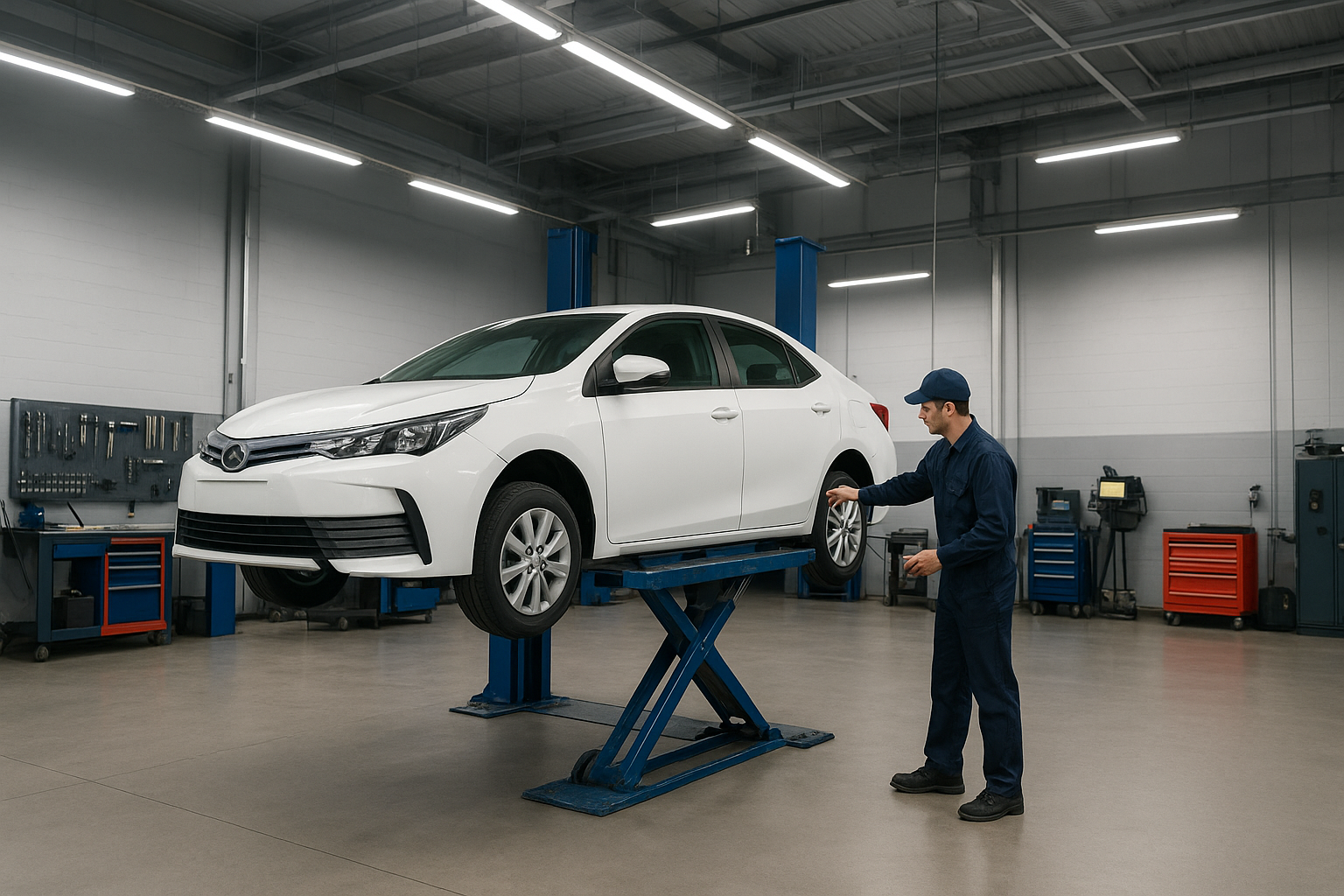
A professional bodyshop car repair facility equipped with modern tools and certified technicians.
What Is a Bodyshop Car Repair?
A bodyshop car repair is a specialized automotive service focused on restoring a vehicle’s body, frame, and paint to its pre-damage condition. This is distinct from mechanical repair, which deals with engines, transmissions, and drivetrains. Instead, body shop work addresses the structural and cosmetic aspects of a vehicle — everything you can see and touch on the outside.
Specifically, services typically include collision repair, dent removal, panel replacement, frame straightening, and precision paint matching. Furthermore, many full-service shops also handle glass repair, rust treatment, and interior restoration.
Common Types of Auto Body Damage
Not all vehicle damage is the same. Understanding the type of damage your car has sustained helps set realistic expectations for repair time and cost.
- Minor cosmetic damage: Scratches, scuffs, small dents, and paint chips that don’t affect structural integrity.
- Moderate collision damage: Crumpled panels, bumper damage, and misaligned doors or hoods.
- Structural damage: Frame or unibody misalignment caused by significant impact forces.
- Hail and weather damage: Multiple shallow dents spread across large surface areas, often treated with paintless dent repair (PDR).
How the Auto Body Repair Process Works
Most people are surprised by how methodical and detailed the repair process is. Therefore, knowing each step helps you stay informed and ask the right questions when you drop off your vehicle.
- Verify Certifications: Confirm the shop holds I-CAR Gold Class or ASE certifications, which indicate technicians are trained to current industry repair standards.
- Request a Written Estimate: Ask for a detailed written estimate that itemizes labor, parts, and materials so you can compare quotes accurately and avoid surprise charges.
- Check Reviews and Warranty: Read verified customer reviews on Google or the BBB and confirm the shop offers a written repair warranty covering both parts and workmanship.
- Confirm Parts Policy: Ask whether the shop uses OEM or aftermarket parts and understand how that choice affects your vehicle’s safety, resale value, and insurance coverage.
- Authorize Repairs and Stay Informed: Once you select a shop, sign a repair authorization form and ask for regular status updates so you remain informed about progress and any additional findings.
In addition to these steps, a quality shop will perform a final quality control inspection before returning your vehicle. This review checks panel alignment, paint finish consistency, and overall workmanship before delivery.
Choosing the Right Car Body Shop
With so many options available, selecting the right repair facility can feel overwhelming. However, a few key criteria narrow the field quickly and reliably.
Look for Industry Certifications
I-CAR Gold Class is the industry’s highest training recognition for collision repair professionals. Similarly, ASE (Automotive Service Excellence) certification signals that individual technicians have passed rigorous competency exams. These credentials confirm that the team working on your vehicle is trained to current safety and repair standards.
For guidance on evaluating your options, the OEM repairs guide at breaautobody.com offers practical advice on what to look for, including why OEM parts matter for safety-critical repairs.
Understand Paint Matching Technology
One of the most visible measures of a quality repair is how well the new paint blends with the original finish. Consequently, advanced shops use computerized spectrophotometers — devices that scan the existing paint and calculate an exact formula match. They also account for paint fade caused by years of sun exposure.
If you need a deeper look at paint restoration options, the car paint repair page explains the techniques used to achieve a seamless, factory-quality finish.
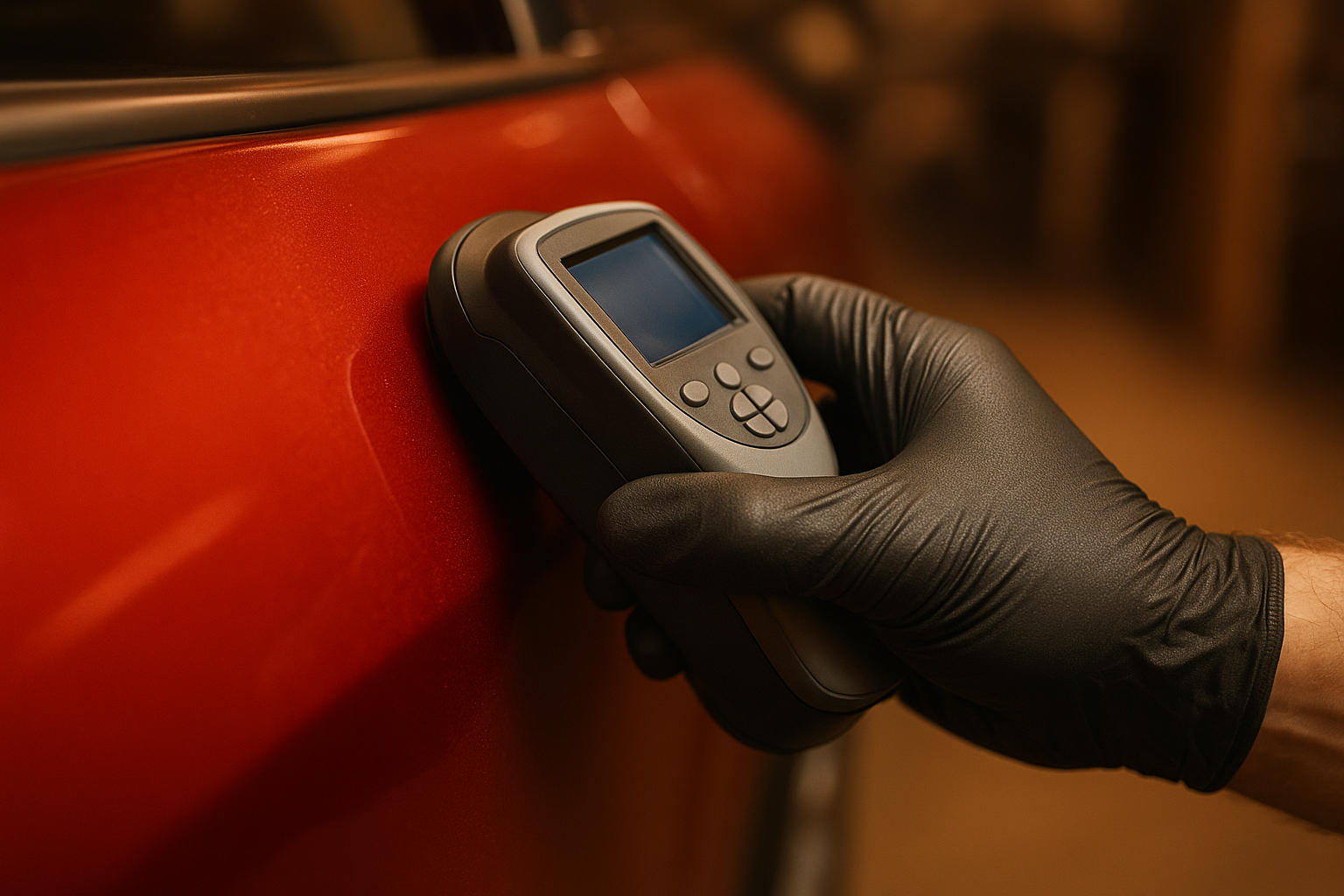
Advanced paint matching technology ensures a seamless finish during every bodyshop car repair.
Working with Insurance on Collision Repairs
Navigating insurance claims after an accident adds another layer of complexity to the repair process. Fortunately, understanding your rights makes the experience far less stressful.
In most states, including California, you have the legal right to choose your own repair facility regardless of what your insurance company recommends. Insurers may suggest preferred shops, but those recommendations are not binding. Furthermore, a shop’s status as a direct repair program (DRP) partner does not automatically make it the best choice for your vehicle.
For a detailed breakdown of how to navigate the claims process effectively, the 2026 guide to choosing the best body shop for insurance claims covers everything from documentation to supplemental estimates.
What to Document After an Accident
Before taking your vehicle to any shop, thorough documentation protects your claim and ensures accurate repair estimates.
- Photograph all damage from multiple angles in good lighting.
- Record the other driver’s insurance and contact information.
- Obtain a copy of the police report if one was filed.
- Note any warning lights or handling changes after the impact.
Vehicle Restoration Beyond Collision Damage
Many drivers don’t realize that a full-service auto body facility handles far more than accident repairs. In fact, comprehensive vehicle restoration services often include rust removal, scratch repair, bumper refinishing, and even interior detailing.
For example, interior cleaning services complement exterior bodywork by ensuring the entire vehicle looks and feels renewed — not just the panels that were repaired.
According to a 2023 report by IBISWorld, the U.S. auto body repair industry generates over $47 billion in annual revenue, reflecting how essential these services are to vehicle owners nationwide. As a result, the market supports a wide range of shop sizes and specializations — making it important to match your needs to the right provider.
Brea Auto Body: Serving Orange County Drivers
breaautobody.com is a trusted auto body repair facility in Brea, California, serving drivers throughout Orange County. Their certified technicians specialize in collision repair, precision dent removal, and advanced paint matching — restoring both domestic and foreign vehicles to pre-accident condition. The shop works directly with insurance clients, individual vehicle owners, and fleet customers, providing transparent communication and quality workmanship throughout every repair.
Whether your vehicle has sustained minor cosmetic damage or significant structural impact, their team is equipped to handle the full range of auto body work with the attention to detail that earns long-term customer trust.
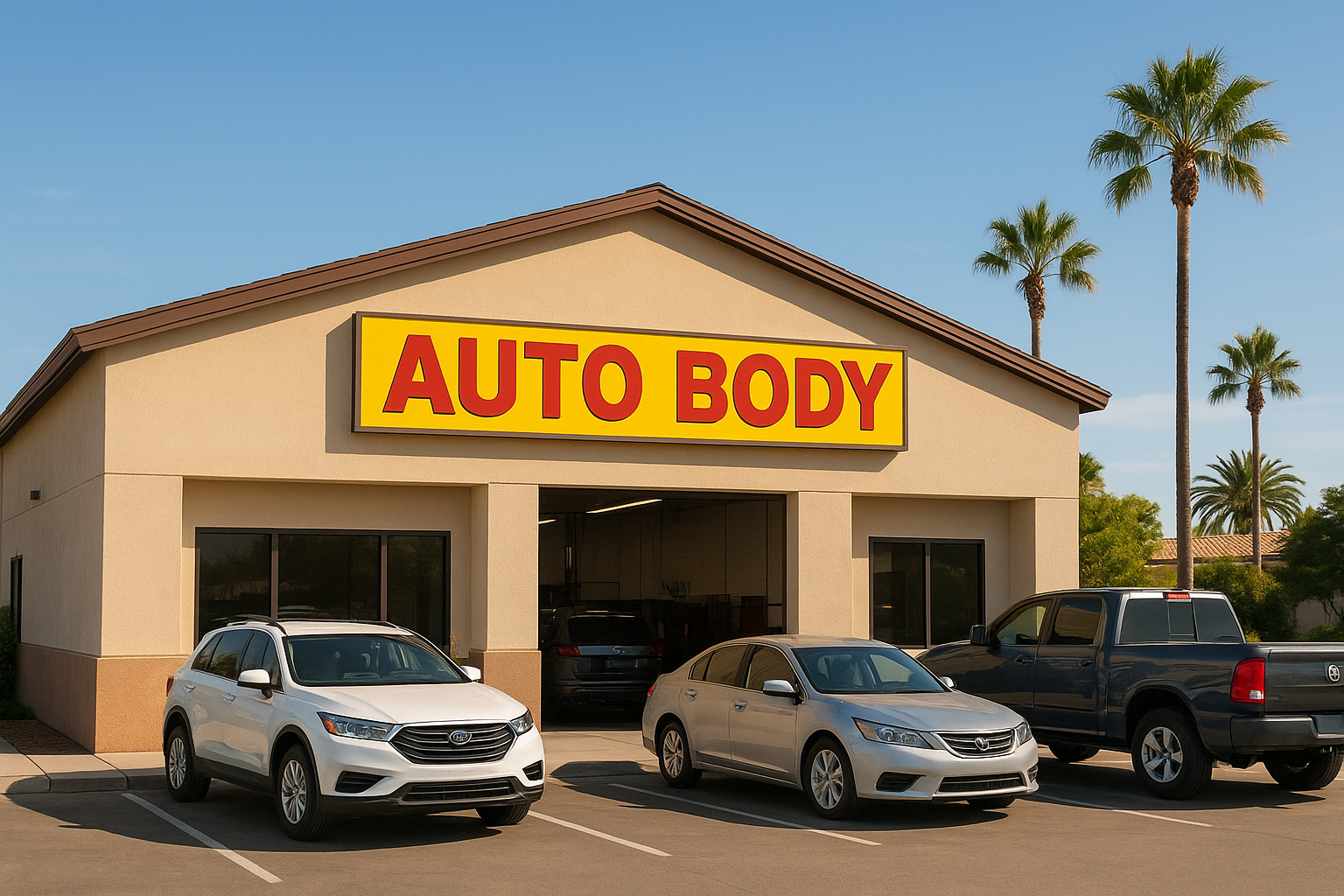
A well-established local shop provides reliable vehicle restoration services for Orange County drivers.
Frequently Asked Questions About Bodyshop Car Repairs
Conclusion: Making the Right Choice for Your Vehicle
In summary, a bodyshop car repair is far more than cosmetic work — it is a technical process that directly affects your vehicle’s safety, structural integrity, and long-term value. Therefore, choosing a certified, transparent, and experienced repair facility is one of the most important decisions you can make after any vehicle damage occurs. Look for verified credentials, ask the right questions, understand your insurance rights, and insist on a written warranty. Above all, prioritize quality over speed or price alone. When you work with a trusted local provider like breaautobody.com, you benefit from the expertise, technology, and customer-first approach that ensures your vehicle is restored properly — and that you’re back on the road with complete confidence.

