

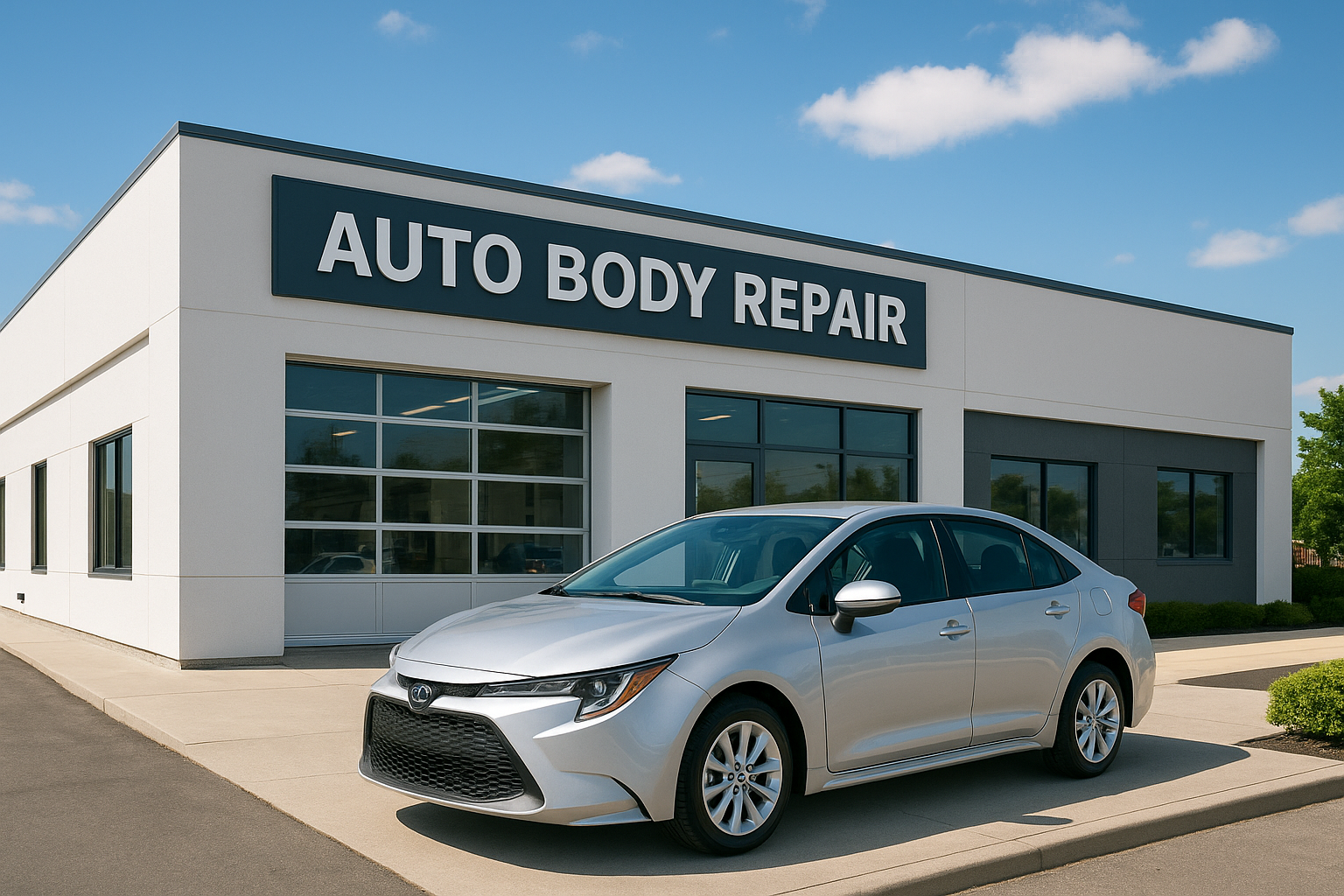
Searching for a body shop by me is one of the first things drivers do after a fender bender, hail storm, or parking lot mishap — and the shop you choose can make a significant difference in the quality and longevity of your repair. A body shop by me refers to any local auto body repair facility that handles collision damage, paint restoration, dent removal, and structural realignment close to where you live or work. However, not every nearby shop delivers the same standard of work, so knowing what to look for is essential before handing over your keys. This page should be linked from related how-to and service pages to improve discovery and internal authority. This guide was written by Fred of Brea Auto Body; add a visible author bio, credentials, and a "last updated" date on the page to strengthen trust and E‑E‑A‑T.
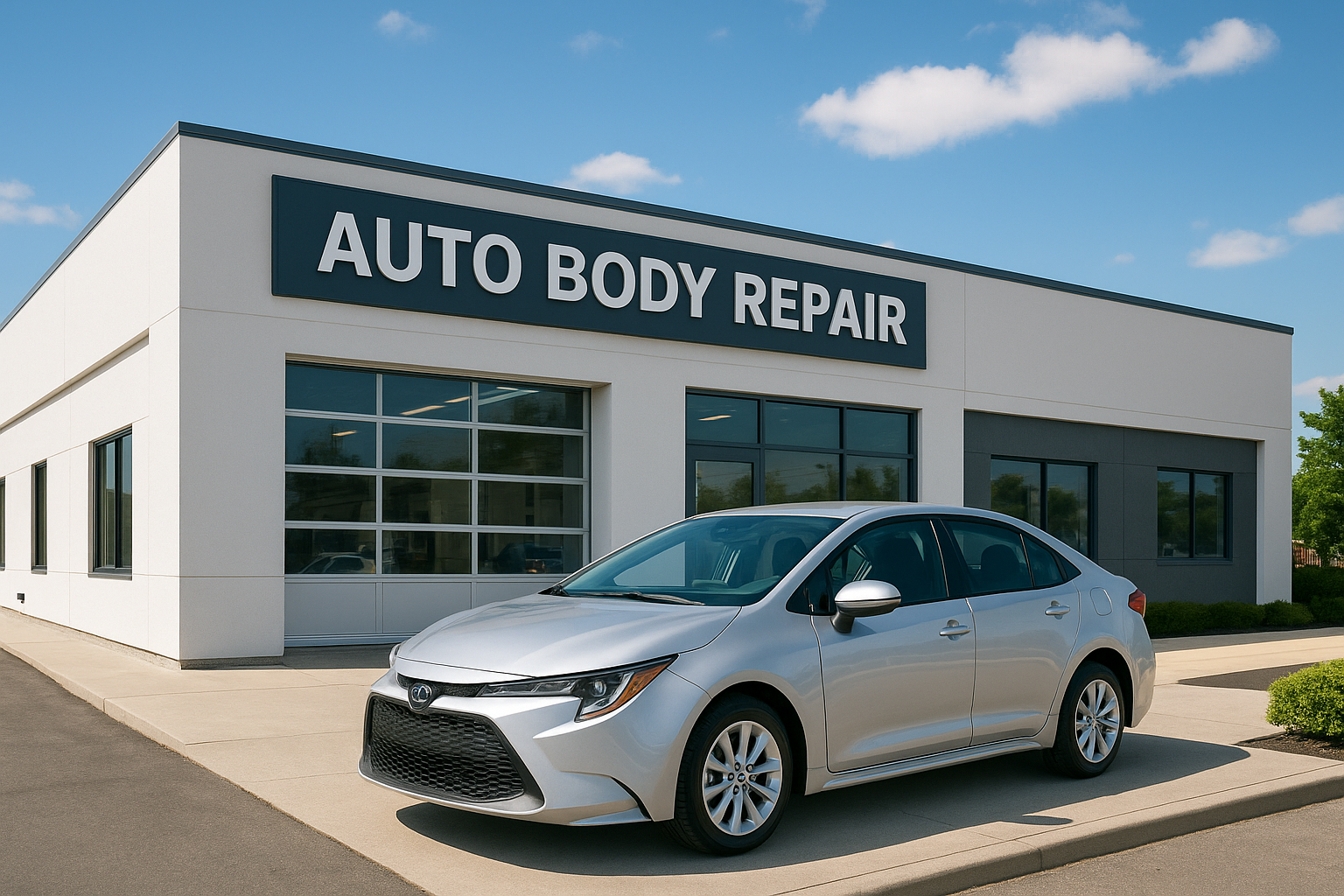
A well-maintained shop exterior is often the first sign of quality workmanship inside.
What to Look for in a Local Body Shop by Me
Not all body shops are created equal. Therefore, before you commit to a repair, it pays to evaluate a few key factors that separate trustworthy shops from unreliable ones.
First, look for industry certifications. The two most respected credentials in collision repair are I-CAR Gold Class and ASE (Automotive Service Excellence). These certifications confirm that technicians complete ongoing training and stay current with the latest repair techniques and vehicle technology. As a result, certified shops are better equipped to handle modern vehicles with advanced safety systems.
Additionally, a clean and organized facility signals attention to detail. If the waiting area and shop floor are cluttered or poorly maintained, that attitude may carry over into the quality of repairs. In contrast, a tidy, well-lit shop typically reflects a team that takes pride in their work.
Written Estimates and Warranties Matter
Always request a written estimate before authorizing any work. A reputable shop will provide a detailed, itemized quote that breaks down parts, labor, and paint costs. Furthermore, ask about the warranty on their repairs — most quality shops offer a lifetime warranty on workmanship, which gives you peace of mind long after you drive away.
Shops that hesitate to provide written documentation or pressure you to decide on the spot are worth avoiding. In practice, transparency is one of the clearest indicators of a shop’s integrity.
How to Search Effectively for Auto Body Repair Near You
Modern search engines and map applications make it straightforward to locate nearby options. When you type a location-based query into Google or Apple Maps, your device’s GPS pinpoints shops within a practical driving radius. However, the search results alone should not be your only filter.
Online reviews on platforms like Google, Yelp, and the Better Business Bureau provide real customer feedback about quality, communication, and turnaround time. Look for shops with a high volume of recent, detailed reviews rather than simply focusing on the star rating. Meanwhile, pay attention to how the shop responds to negative feedback — a professional, solution-oriented reply demonstrates accountability.
For example, a shop with 200 reviews averaging 4.7 stars is generally more reliable than one with only 10 reviews at a perfect 5.0. Volume and consistency matter more than perfection. Learn more about finding the best local shop.
Asking Your Insurance Company the Right Way
Your insurance company may suggest a list of preferred shops, but in most states you are legally entitled to choose the best auto body shop or any licensed facility you prefer. According to the U.S. government’s consumer guidance on car insurance, insurers cannot legally require you to use a specific shop. That said, using a preferred shop can sometimes speed up the claims process since the insurer and shop have an established working relationship.
Therefore, weigh the convenience of a preferred shop against the quality of a highly rated independent shop. Both options can deliver excellent results when the right questions are asked upfront.
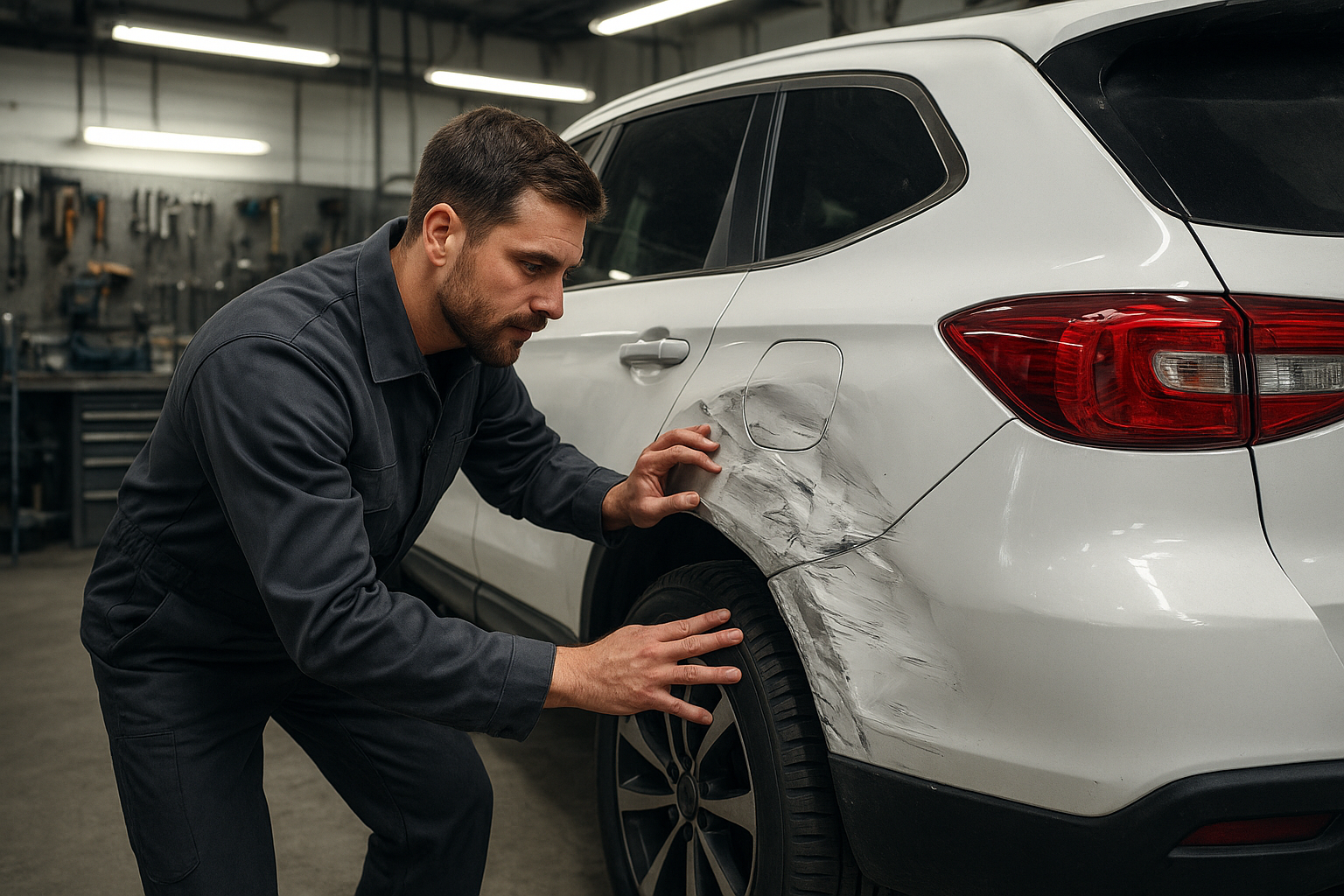
Skilled technicians carefully assess all damage before beginning any repair work.
Step-by-Step: Choosing the Right Shop Near You
Following a clear process helps you avoid costly mistakes and ensures your vehicle is repaired correctly the first time.
- Search for local shops. Use Google Maps or a similar app and search “body shop near me” or “auto body repair near me” to generate a list of options within a reasonable distance.
- Check certifications and reviews. See our questions to ask. Verify I-CAR or ASE credentials on the shop’s website or by calling directly, and read at least ten recent customer reviews.
- Get multiple written estimates. Visit at least two or three shops in person to compare pricing, scope of work, and the professionalism of the staff. Use a checklist to choose the best auto body shop.
- Confirm warranty and timeline. Ask each shop for their warranty policy and an estimated completion date before making a final decision.
- Authorize repairs and stay in contact. Sign the repair authorization, confirm communication preferences, and request regular status updates throughout the process.
Red Flags That Signal a Shop to Avoid
Even with thorough research, some warning signs are easy to miss if you do not know what to look for. First, be cautious of estimates that are dramatically lower than competitors. While everyone wants to save money, an unusually cheap quote often means the shop plans to use inferior aftermarket parts or cut corners on labor.
Additionally, watch out for shops that push you to bypass the insurance process entirely or discourage you from getting a second opinion. Reputable shops welcome comparison and are confident in the value they provide. In contrast, high-pressure tactics are a clear signal to walk away.
Finally, a shop that cannot provide proof of certification or a written warranty should be treated with caution. Because your vehicle’s structural integrity directly affects your safety, these are non-negotiable standards rather than optional extras.
Paint Matching and Modern Vehicle Technology
One area where quality shops truly stand apart is paint matching. Professional facilities use computerized spectrophotometers to read your vehicle’s exact paint code and mix a formula that blends seamlessly with the original finish. As a result, a well-executed paint repair is virtually indistinguishable from the factory color.
Modern vehicles also contain a growing number of advanced driver-assistance systems (ADAS) — including cameras, radar sensors, and lane-departure technology — that must be recalibrated after collision repairs. Therefore, choosing a shop with the diagnostic equipment and training to handle these systems is increasingly important for newer vehicles.
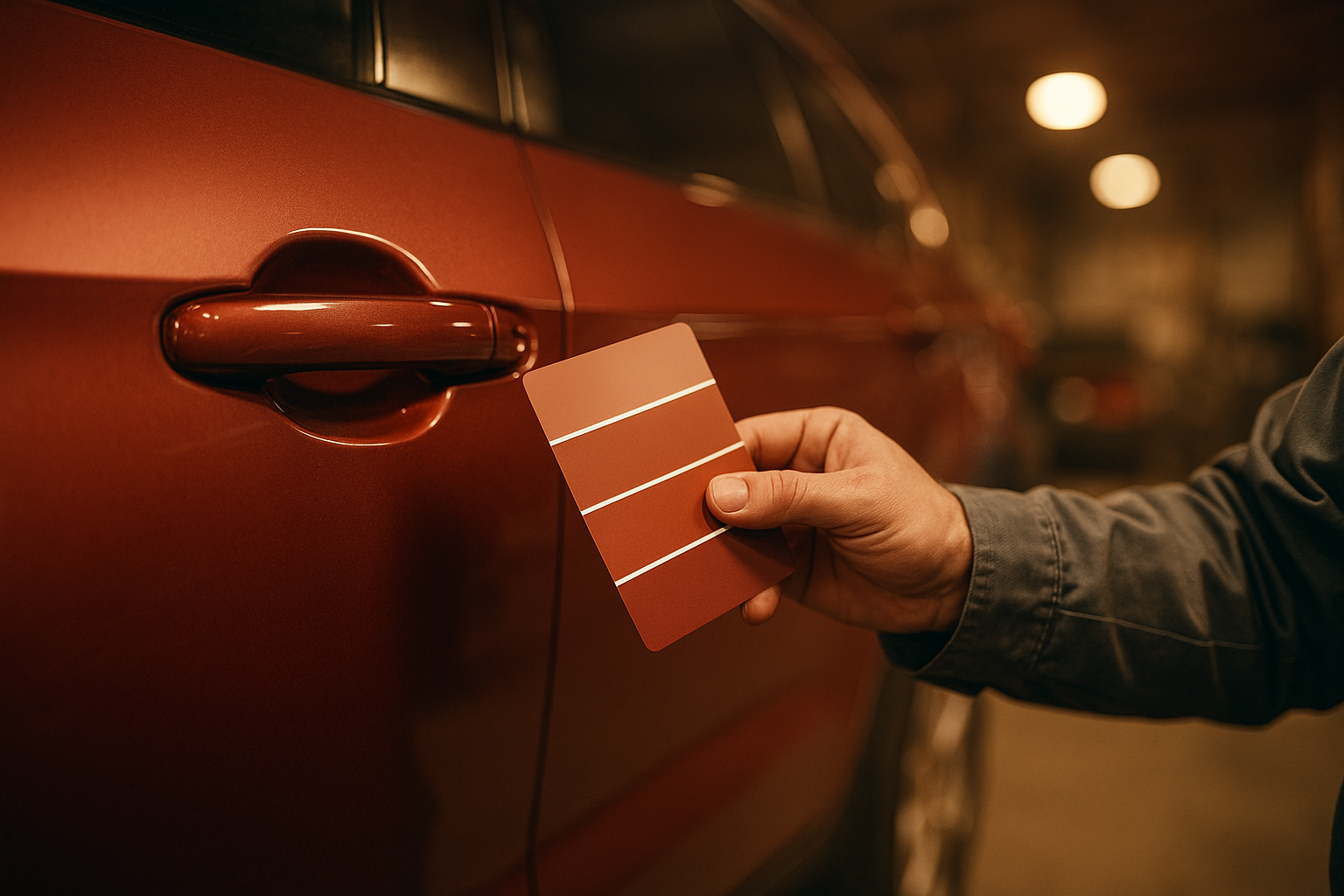
Computerized paint matching ensures a seamless finish that looks factory-original.
Why Choosing a Local Shop Has Real Advantages
Selecting a shop close to home offers practical benefits beyond simple convenience. For instance, local shops depend heavily on community reputation, which motivates them to deliver consistently high-quality results. They are also easier to revisit if a warranty issue arises after the repair is complete.
Furthermore, a locally owned shop often provides more personalized service than a large chain facility. You are more likely to speak directly with the technician working on your car and receive honest answers to your questions. Resources like Brea Auto Body demonstrate what a dedicated local shop looks like in practice — combining professional certifications with community-focused service.
Meanwhile, supporting local businesses also keeps repair dollars within your community, which has broader economic benefits. In many cases, the best body shop near you is a family-owned operation that has been serving the area for decades.
Making Your Final Decision With Confidence
Once you have gathered estimates, checked certifications, and read reviews, to learn how to compare options see choose the best shop. The final decision often comes down to trust and communication. A shop that listens carefully, answers your questions without hesitation, and provides everything in writing is almost always a safe choice.
Additionally, do not underestimate the value of a personal visit. Walking through the shop, meeting the staff, and observing how vehicles in progress are treated can tell you more than any online review. Because your vehicle is a significant investment, taking an extra hour to evaluate your options is always worthwhile.
In summary, finding the right body shop by me requires a combination of smart searching, careful vetting, and direct communication. By following the steps outlined here, you can feel confident that your vehicle will be restored to its pre-accident condition by skilled professionals who stand behind their work.
Frequently Asked Questions About Body Shop by Me
What does “body shop by me” mean when searching online?
When you search “body shop by me,” you are asking a search engine to find auto body repair shops in your immediate geographic area. The search uses your device’s location data to return the closest and most relevant results.
How do I find a reputable auto body shop near me?
Look for shops with verified online reviews, industry certifications such as I-CAR Gold Class, and a written warranty on repairs. Visiting the shop in person before committing also helps you assess cleanliness and professionalism.
What certifications should a local body shop have?
The most recognized certifications are I-CAR Gold Class and ASE (Automotive Service Excellence). These indicate that technicians have completed ongoing training and meet industry repair standards.
How much does auto body repair typically cost?
Costs vary widely depending on the extent of damage. Minor dent repair can range from $50 to $300, while major collision repairs can exceed $5,000. Always get at least two or three written estimates before deciding.
Will my insurance cover repairs at any body shop near me?
In most cases, you have the legal right to choose any licensed body shop you prefer, regardless of what your insurer recommends. However, using an insurer-preferred shop can sometimes streamline the claims process.
How long does auto body repair usually take?
Minor repairs like small dents or scratches may be completed in one to two days. More extensive collision work can take one to three weeks depending on parts availability and the shop’s workload.
What should I bring when getting an estimate at a body shop?
Bring your vehicle, insurance information, a photo ID, and any documentation related to the accident or damage. Some shops also appreciate photos of the damage taken immediately after the incident.
What is the difference between a body shop and a mechanic?
A body shop specializes in repairing the exterior structure, paint, and cosmetic components of a vehicle after collision or damage. A mechanic, on the other hand, focuses on mechanical systems such as the engine, transmission, and brakes.
Can a body shop match my car’s original paint color?
Yes, professional body shops use computerized paint-matching systems that read your vehicle’s paint code to blend new paint seamlessly with the existing finish. The result is typically indistinguishable from the factory color.
What are common red flags when choosing a body shop near me?
Red flags include unusually low estimates, pressure to skip the insurance process, no written warranty, and a disorganized or dirty shop environment. Always trust your instincts if something feels off.
Does a body shop provide a rental car while my vehicle is being repaired?
Some body shops partner with rental car companies and can arrange a vehicle for you, especially if you are filing an insurance claim. Confirm this service when you drop off your car.
How do online reviews help me choose a body shop by me?
Online reviews on platforms like Google and Yelp give you real customer feedback on quality, turnaround time, and customer service. Look for shops with a high volume of recent, detailed positive reviews rather than just a high star rating.

