

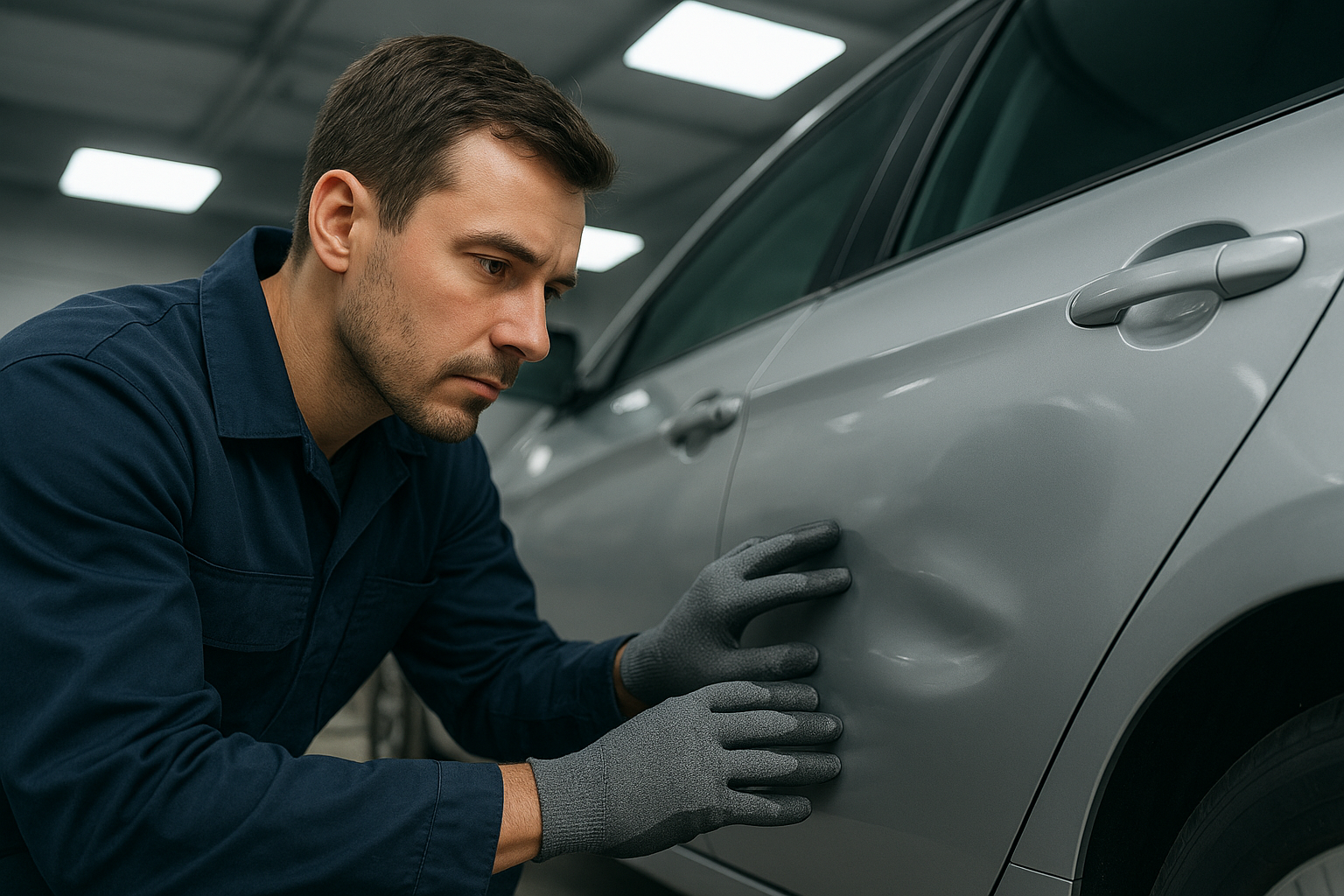
Domestic and foreign vehicle body repair is the process of restoring cars, trucks, and SUVs — regardless of where they were manufactured — back to their pre-accident condition using certified techniques, quality materials, and precise paint matching. Whether you drive a Ford, a Honda, or a BMW, the right shop can handle collision damage, dents, and structural issues with the same level of care. In Brea, California, drivers rely on experienced technicians who understand the unique requirements of both American-made and imported vehicles.
Quick Answer: Domestic and foreign vehicle body repair means fixing collision damage, dents, and paint imperfections on any vehicle make. A qualified shop uses manufacturer-specific parts, alignment tools, and paint codes to restore each vehicle to its original condition, no matter the brand.
What Is Domestic and Foreign Vehicle Body Repair?
In short, domestic and foreign vehicle body repair refers to collision, dent, and paint services performed on both U.S.-manufactured and imported vehicles. As a result, a shop offering this service must maintain a broad inventory of parts, specialized tools, and training that covers multiple manufacturers.
Consequently, technicians need familiarity with varying frame designs, panel materials, and factory paint formulations. For instance, a Toyota’s unibody structure differs from a Chevrolet’s, so repair procedures must be adapted accordingly. Similarly, imported vehicles often require parts sourced from overseas suppliers, which can affect repair timelines. According to Wikipedia’s overview of panel beating, modern auto body repair blends metalworking craftsmanship with computer-assisted measuring systems to achieve factory-accurate results.
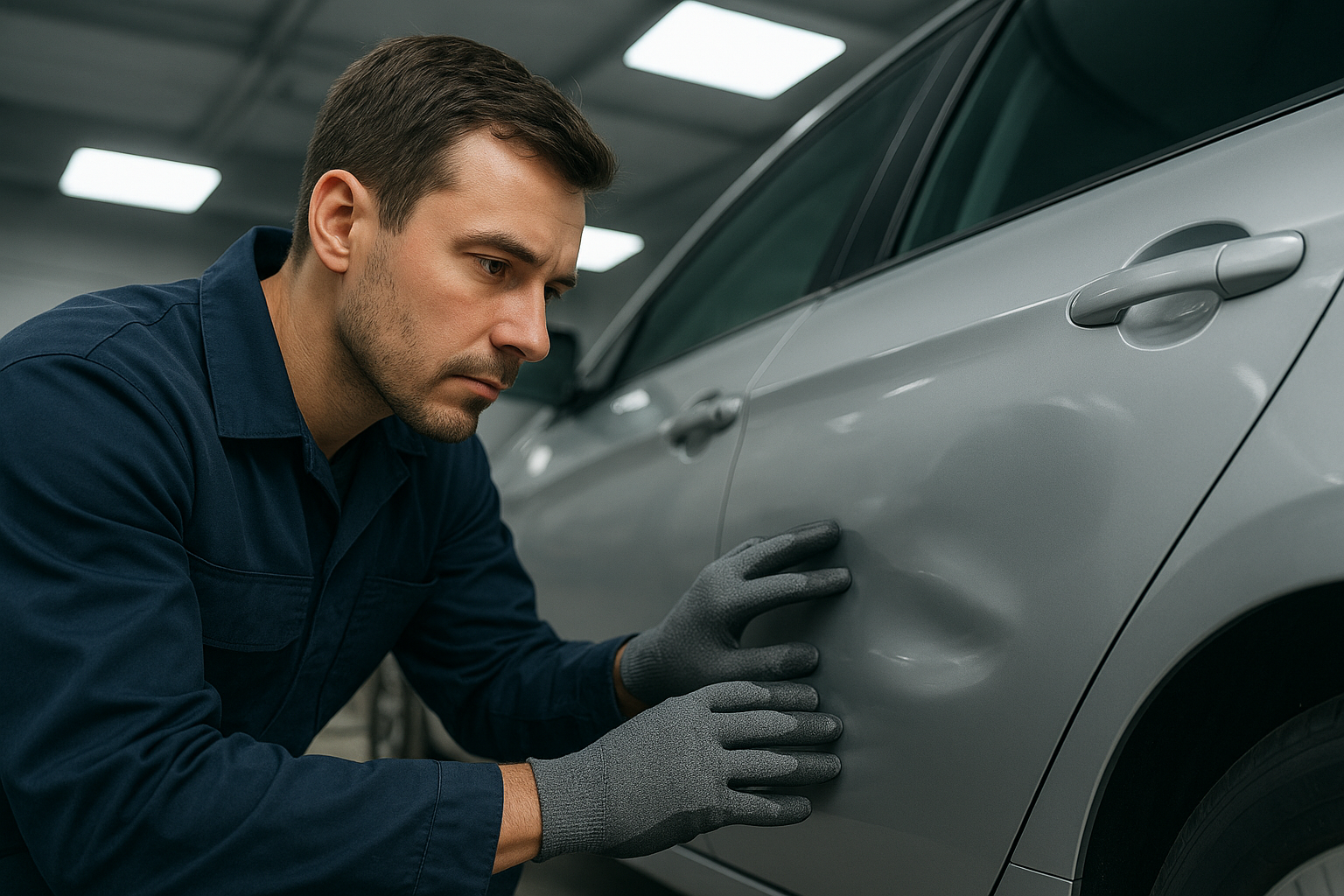
Careful inspection is the first step in effective domestic and foreign vehicle body repair.
Why Choose a Shop That Repairs Both Vehicle Types
Choosing a shop skilled in both import and domestic vehicle repair offers real advantages. For example, fleet owners with mixed vehicle brands can rely on a single trusted location instead of visiting multiple specialists. In addition, families who own both an American truck and a European sedan avoid the hassle of researching separate repair providers.
Moreover, shops that regularly service diverse vehicle brands tend to invest in broader diagnostic equipment and ongoing technician training. Therefore, this versatility often translates into more consistent quality control across every repair job. Shops with this range of experience frequently reference resources like I-CAR’s collision repair training standards to keep their certifications current across multiple vehicle platforms.
Furthermore, if you are searching specifically for import expertise, it helps to review expert foreign auto body shops near you before making a final decision, since not every general shop stocks specialty import parts.
Common Signs Your Vehicle Needs Body Repair
Recognizing damage early can prevent bigger problems down the road. Specifically, watch for these warning signs:
- Visible dents, scratches, or paint chips after a collision or weather event
- Doors, hoods, or trunks that no longer close smoothly
- Uneven panel gaps between body sections
- Rust forming around damaged or exposed metal edges
- The vehicle pulling slightly to one side while driving
In particular, that last symptom can indicate hidden frame misalignment, which is a structural issue rather than a cosmetic one. As a result, it should be evaluated by a certified technician right away. For a broader look at what restoration involves, this complete guide to restoring your car after body damage covers additional detail.
The Domestic and Foreign Vehicle Body Repair Process
Understanding the repair process helps set realistic expectations. Below is the typical sequence a certified shop follows for domestic and foreign vehicle body repair, from intake to final delivery. See Accident Help Brea for local crash steps and insurance guidance.
- Damage Assessment and Estimate: A technician inspects the vehicle thoroughly, documents all visible and hidden damage, and prepares a detailed written repair estimate for the owner.
- Insurance Coordination: The shop communicates directly with the insurance adjuster to confirm coverage, approve the estimate, and schedule the repair timeline accordingly.
- Disassembly and Structural Repair: Damaged panels are removed, the frame is measured for alignment, and structural components are straightened or replaced to restore factory specifications.
- Body Filler and Panel Alignment: Technicians apply body filler, sand surfaces smooth, and align panels precisely so gaps and contours match the manufacturer’s original design.
- Paint Matching and Refinishing: A computerized color-matching system identifies the exact factory paint code, and technicians apply base coat, color coat, and clear coat layers.
- Reassembly and Final Inspection: The vehicle is reassembled, detailed, and inspected for panel fit, paint quality, and overall safety before it is returned to the owner.
Notably, the National Highway Traffic Safety Administration (NHTSA) reports that millions of vehicle crashes occur annually across the United States, which underscores why properly trained body repair technicians play such an important safety role beyond simple cosmetics.
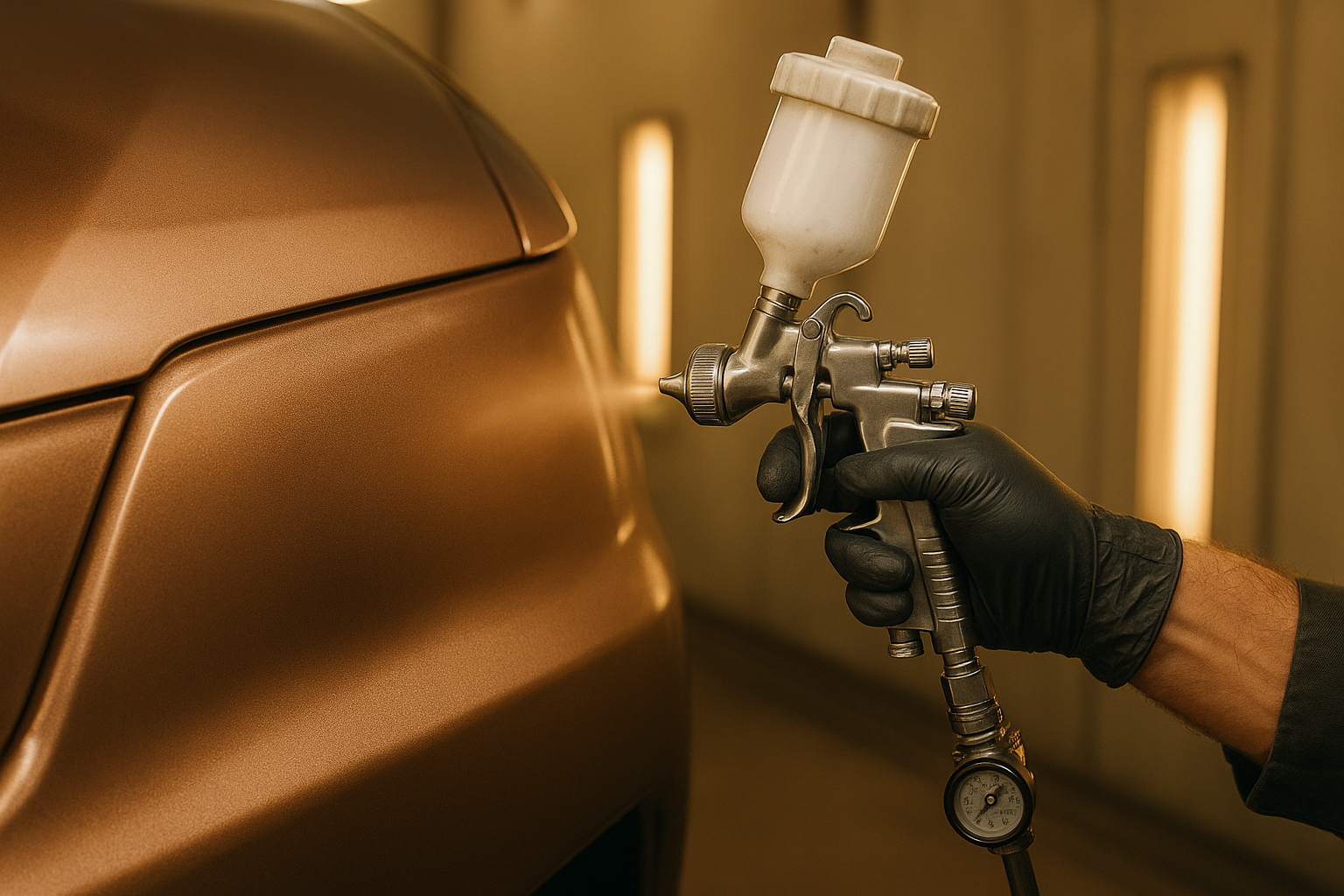
Precise paint matching is essential for a seamless finish on any vehicle brand.
How Much Does Vehicle Body Repair Cost?
Cost varies widely depending on damage severity, vehicle brand, and parts availability. For instance, minor dent removal without paint work might cost a few hundred dollars, while structural collision repair can run into the thousands.
Generally speaking, foreign vehicles sometimes carry higher part costs due to specialty sourcing. However, a shop experienced in domestic and foreign vehicle body repair can often locate parts efficiently, which helps control both cost and turnaround time. Additionally, most insurance policies cover collision-related repairs after the deductible, so it is worth requesting a written estimate before authorizing work.
If your vehicle sustained damage away from a fixed location, exploring mobile auto body repair options may also save time on minor repairs.
Choosing a Trusted Auto Body Shop in Brea, CA
Selecting the right shop ultimately determines the quality and longevity of your repair. Therefore, look for certifications, transparent communication, and a track record with both domestic and foreign vehicles.
Above all, ask whether the shop provides written estimates, works with your insurance company, and offers a warranty on completed work. In addition, reading recent customer feedback can reveal how well a shop communicates throughout the repair process. Check Top-rated Orange County shops to compare reviews and ratings. For further guidance, this resource on how to choose a trusted collision repair shop outlines specific questions to ask before booking.
Owners of imported vehicles should also confirm the shop’s access to OEM parts. This best import body shop near you guide explains what to look for specifically when your vehicle is a foreign make. Ultimately, the team at Brea Auto Body combines certified training with hands-on experience across both vehicle categories, making it easier to get a single reliable estimate.
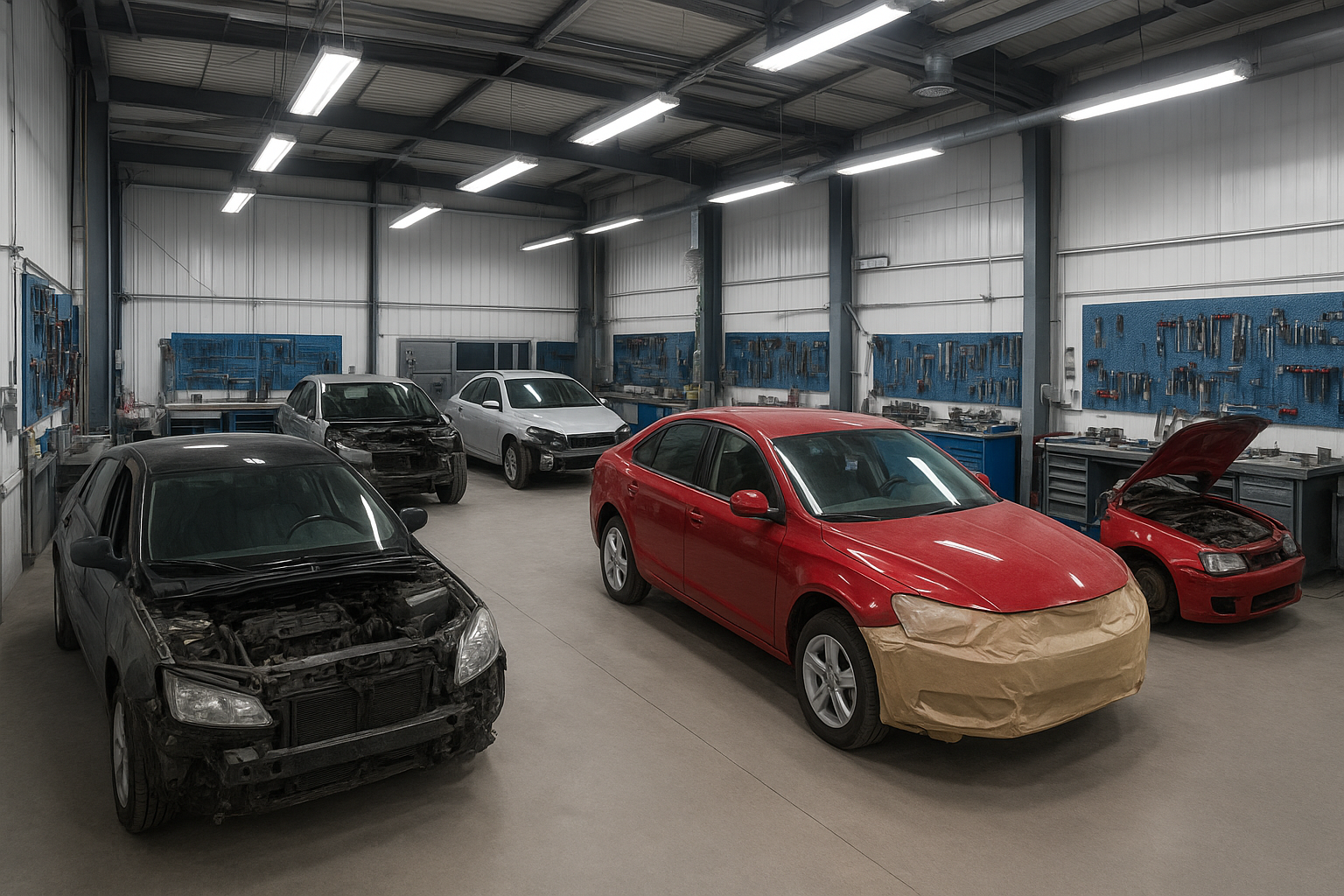
A well-equipped shop supports efficient domestic and foreign vehicle body repair for every customer.
Frequently Asked Questions About Domestic and Foreign Vehicle Body Repair
What is domestic and foreign vehicle body repair?
Domestic and foreign vehicle body repair is the process of fixing collision damage, dents, and paint issues on any vehicle make, whether it was built in the United States or overseas. Shops offering this service use manufacturer-specific techniques and equipment for both types of vehicles.
How long does auto body repair typically take?
Minor cosmetic repairs can take a day or two, while structural damage may require one to three weeks. Timelines depend on parts availability, insurance approval, and the extent of the damage.
Is it more expensive to repair a foreign vehicle than a domestic one?
Foreign vehicle repairs can sometimes cost more due to specialty parts and longer shipping times. However, a shop experienced in both domestic and foreign vehicle body repair can often source parts efficiently to control costs.
Will my insurance cover body repair costs?
Most collision-related body repairs are covered under collision or comprehensive insurance policies, minus your deductible. Reputable shops work directly with insurance adjusters to streamline claims.
Can a body shop match paint color exactly on any vehicle?
Yes, certified shops use computerized paint-matching systems calibrated to manufacturer color codes. This ensures a seamless finish on both domestic and imported vehicles.
What is the difference between collision repair and dent removal?
Collision repair addresses structural and cosmetic damage from an accident, often involving frame work and panel replacement. Dent removal is typically a smaller-scale service that fixes minor dings without repainting.
How do I choose a trusted auto body shop?
Look for certifications, transparent estimates, and positive customer reviews. A shop with experience in domestic and foreign vehicle body repair signals broader technical capability.
What common mistakes should I avoid after an accident?
Avoid delaying repairs, skipping a written estimate, or choosing a shop based on price alone. These mistakes often lead to hidden damage or poor-quality repairs later.
Do body shops repair both structural and cosmetic damage?
Yes, full-service shops handle everything from minor scratches to frame straightening. This range of services is essential for comprehensive domestic and foreign vehicle body repair.
How can I tell if my vehicle has hidden frame damage?
Signs include uneven panel gaps, doors that stick, or a vehicle that pulls to one side while driving. A technician can confirm frame issues using laser measuring equipment.
Final Thoughts
In conclusion, domestic and foreign vehicle body repair covers everything from minor dent removal to full structural restoration, regardless of your vehicle’s brand or origin. As a result, choosing a shop with broad experience, certified technicians, and transparent communication makes a meaningful difference in the outcome. Whether your vehicle needs collision repair, precision paint matching, or frame straightening, working with a knowledgeable team helps ensure lasting, safe results. Ultimately, drivers throughout Brea and the surrounding Orange County area can find peace of mind by trusting their vehicle to a shop equipped to handle both domestic and foreign vehicle body repair with consistent quality. Also see the vehicle restoration guide for deeper restoration steps. Author: Brea Auto Body. Last updated: 2026-08-14.

