

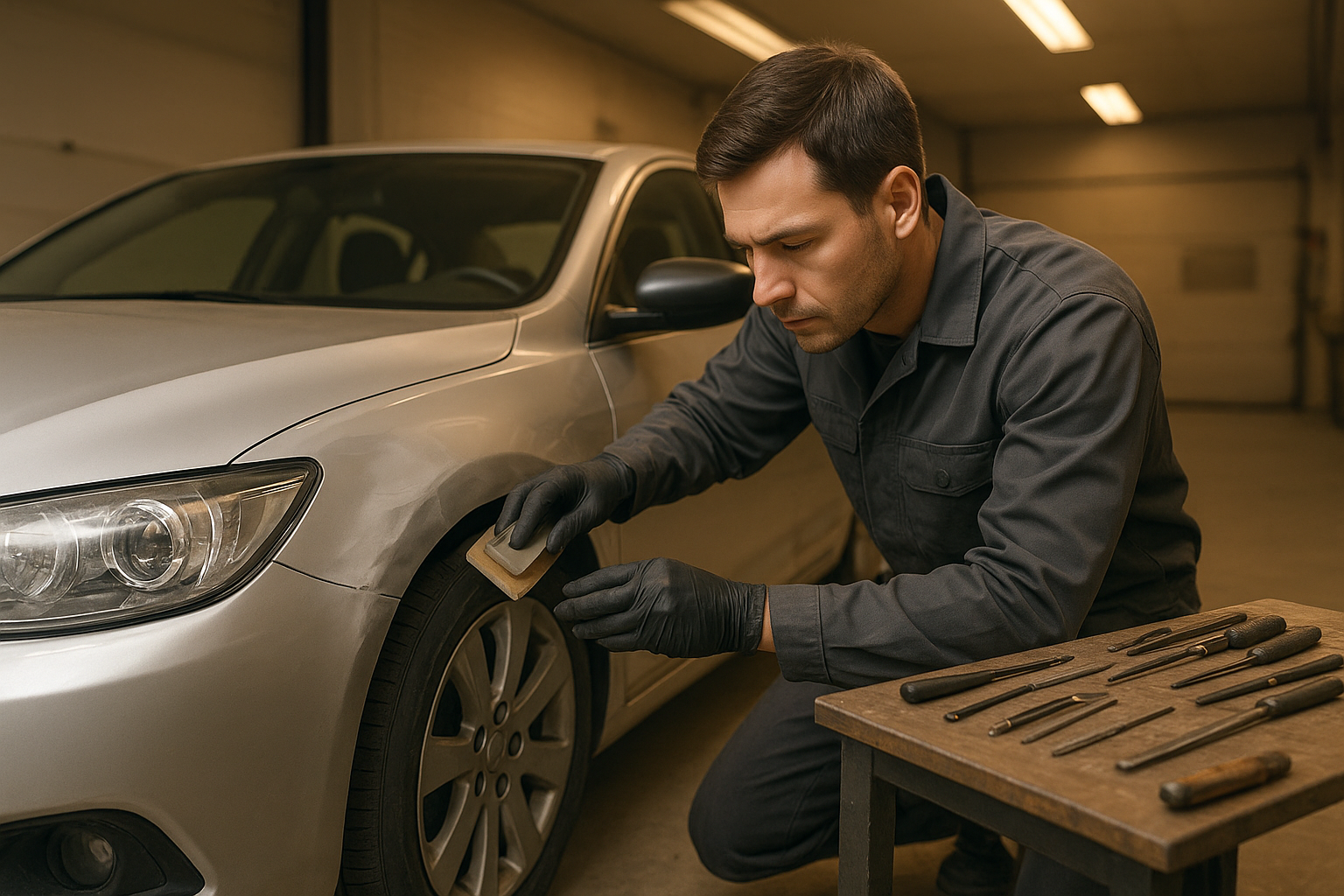
Foreign vehicle body repair is a specialized branch of collision work that restores imported cars, such as Toyota, Honda, BMW, and Mercedes-Benz models, to their original condition after a crash, dent, or paint failure. Unlike general repair work, this process demands manufacturer-specific parts, paint codes, and repair techniques. Drivers throughout Orange County who own imports often search for a shop that truly understands these differences rather than treating every vehicle the same way.
Choosing the right technician matters more than most owners realize. In particular, imports frequently use unique metal alloys, sensor placements, and factory coatings that require dedicated training. As a result, a shop’s experience with foreign brands can directly affect how a repair looks and performs for years to come.
What Is Foreign Vehicle Body Repair?
Foreign vehicle body repair is the process of restoring imported cars to pre-accident condition using manufacturer-approved parts, factory paint codes, and repair methods suited to the vehicle’s specific construction. It typically covers dent removal, panel replacement, frame straightening, and precision paint matching for non-domestic makes.
Because import brands vary widely in build quality and materials, this type of repair often requires more research and specialized equipment than standard domestic collision work. For example, some German and Japanese automakers use aluminum panels or high-strength steel that reacts differently under heat and pressure. Consequently, technicians must adjust their approach for each brand rather than applying a one-size-fits-all method.
Why Import Car Collision Repair Requires Specialized Expertise
Import car collision repair is rarely as simple as swapping a bumper or buffing out a scratch. In fact, many foreign automakers design body panels with proprietary curvature and fastening systems that differ from American models. Therefore, a technician without brand-specific training may struggle to achieve proper alignment or a factory-quality finish.
Paint matching adds another layer of complexity. Foreign manufacturers often use multi-stage coatings, pearl finishes, or metallic flakes that are difficult to replicate without the correct formula and application technique. In addition, some luxury imports require specific primers to prevent corrosion on aluminum or magnesium components.
According to the National Highway Traffic Safety Administration, improperly repaired structural components can compromise a vehicle’s crash performance in a future collision. This is precisely why certified technicians follow manufacturer repair procedures rather than shortcuts, especially on vehicles with advanced driver-assist sensors that must be recalibrated after body work.
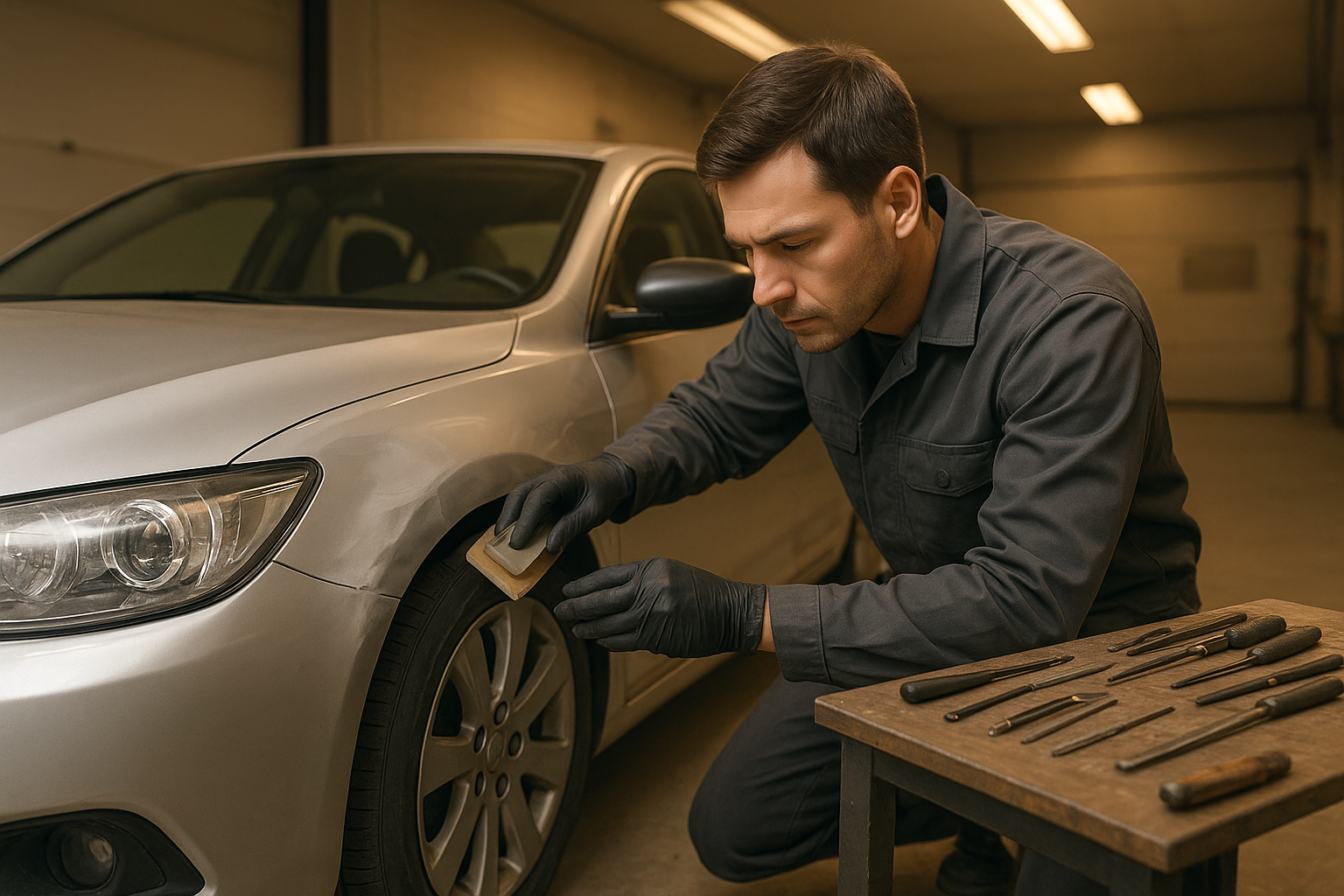
Precision panel work is central to quality foreign vehicle body repair.
Common Challenges in Repairing Foreign Vehicle Body Damage
Foreign vehicle body damage often presents challenges that domestic repairs do not. Parts availability is one of the biggest hurdles, since some OEM components must be ordered directly from overseas suppliers, which can extend repair timelines by several days or weeks.
Similarly, diagnostic and calibration equipment varies by brand. Many newer imports include cameras and radar sensors integrated into bumpers or mirrors, and these must be recalibrated after any body work near them. Skipping this step can leave safety features malfunctioning even after cosmetic repairs look perfect.
Above all, communication transparency matters. Owners deserve a clear explanation of parts sourcing, labor timelines, and cost breakdowns before work begins, particularly when insurance is involved.
The Foreign Vehicle Body Repair Process, Step by Step
Understanding the repair sequence helps owners know what to expect. Below is the typical process a certified shop follows for foreign vehicle body repair: See our auto body repair time guide for typical timelines and expectations.
- Initial damage assessment — A technician inspects the vehicle, documents damage, and identifies the exact make, model, and factory paint code.
- Parts sourcing — The shop orders OEM or approved aftermarket parts matched precisely to the vehicle’s specifications.
- Structural and panel repair — Frame machines and alloy-specific tools restore proper alignment and structural integrity.
- Paint matching and refinishing — A spectrophotometer reads the factory color code before technicians mix and apply a custom match.
- Final quality inspection — The finished repair is checked for panel fit, paint consistency, and sensor calibration before delivery.
For a broader look at how repair quality is verified across all vehicle types, this Top-rated auto body shops guide covers inspection checkpoints worth requesting from any shop.
Choosing a Trusted Shop for Foreign Auto Body Work
Selecting the right shop for foreign auto body work starts with checking credentials. Look specifically for I-CAR Gold Class recognition, a standard maintained by the Inter-Industry Conference on Auto Collision Repair, along with ASE-certified staff listed through the National Institute for Automotive Service Excellence.
Brea Auto Body serves individual owners, insurance clients, and fleet customers throughout Brea and the surrounding Orange County area. Its certified technicians specialize in collision repair, precision dent removal, and advanced paint matching for both domestic and foreign vehicles, which makes it a practical option for drivers who want direct communication and consistent craftsmanship. Readers comparing local options may also find this best body shop in Brea useful when narrowing down candidates.
Furthermore, transparency during the estimate process is a strong signal of a trustworthy shop. A shop that walks owners through parts sourcing, labor time, and insurance coordination up front, similar to the approach outlined in this collision repair shop selection guide, tends to deliver a smoother overall experience.
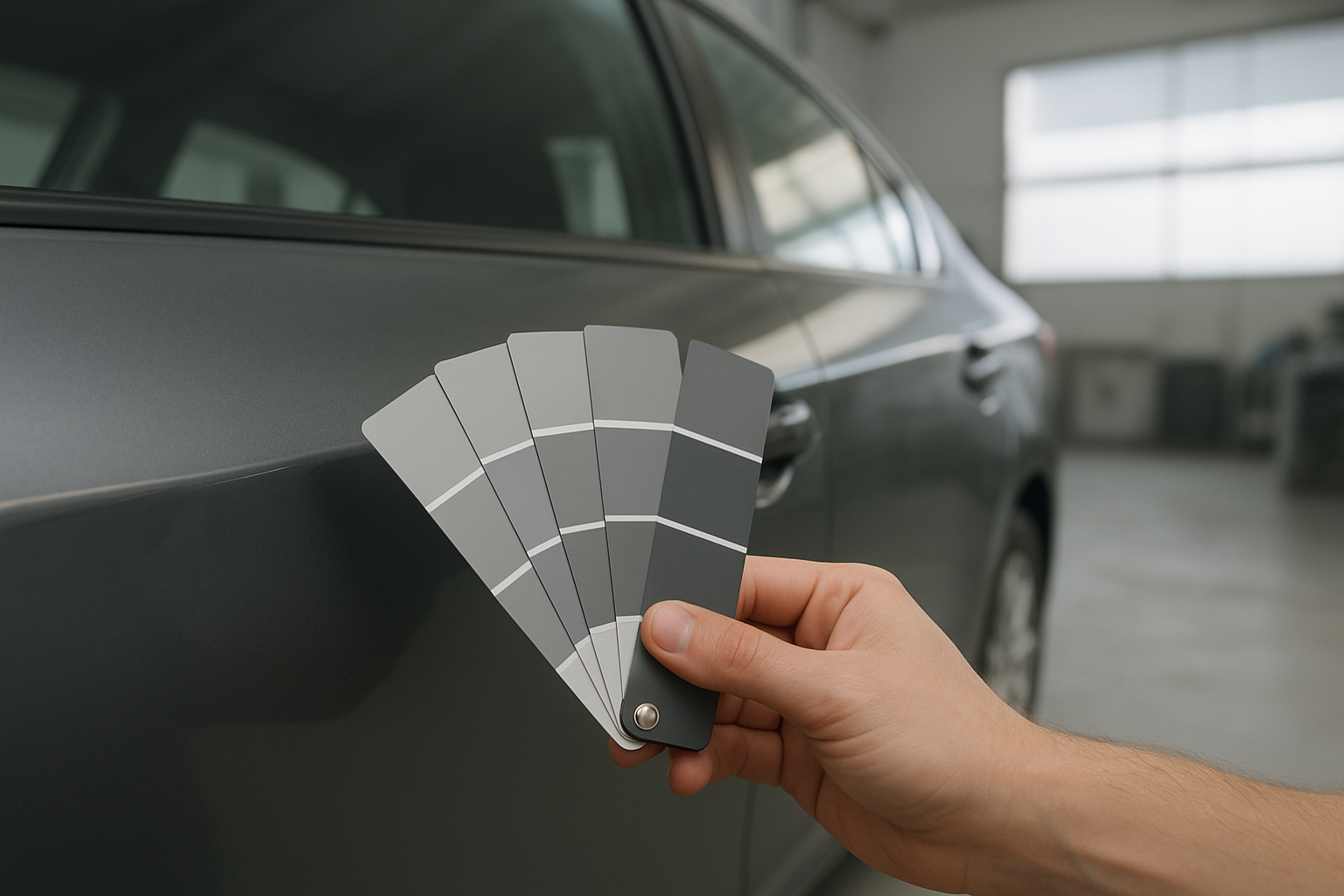
Accurate color matching is a critical step in foreign vehicle body repair.
Foreign Vehicle Body Repair vs. Domestic Repair: What’s the Difference?
Foreign vehicle body repair and domestic repair share the same basic goal, but the execution differs in meaningful ways. Import brands often use tighter panel tolerances, unique fastener types, and factory coatings that are harder to source domestically. In contrast, domestic vehicles typically have wider parts availability and more standardized repair procedures across shops.
That said, both repair types benefit from the same core principles: accurate assessment, quality parts, and thorough inspection. Owners researching general repair options can review this complete guide to restoring your car for a broader comparison of repair approaches. Similarly, for damage that happens away from home, this overview of mobile auto body repair explains when an on-site fix makes sense versus a full shop visit.
Industry data from the automobile repair shop reference on Wikipedia notes that specialization has grown steadily as vehicles become more technologically complex, reinforcing why brand-specific experience matters more today than a decade ago.
Frequently Asked Questions About Foreign Vehicle Body Repair
What is foreign vehicle body repair?
Foreign vehicle body repair is the process of restoring imported cars, such as Japanese, German, or Korean models, to their pre-accident condition using manufacturer-specific techniques, tools, and materials. It differs from domestic repair because imports often use unique metal alloys, paint codes, and fastening systems.
How long does foreign vehicle body repair take?
Most foreign vehicle body repairs take between three and ten business days, depending on the extent of damage and parts availability. Structural repairs or shops waiting on imported OEM parts may take longer.
Why does import car repair cost more than domestic repair?
Import car repair often costs more because OEM parts must be sourced from overseas manufacturers, and specialized equipment or training is required for certain alloys and coatings. However, using genuine parts helps preserve resale value and long-term durability.
Can any body shop repair foreign vehicles?
Not every shop is equipped for foreign vehicles; technicians need brand-specific training, updated equipment, and access to accurate parts catalogs. A shop without this expertise may struggle with panel alignment or paint color accuracy.
What certifications should a foreign vehicle body repair shop have?
Look for I-CAR Gold Class certification and ASE-certified technicians, since both indicate ongoing training in current repair standards. Manufacturer-specific certifications are an added bonus for luxury or performance imports.
Does insurance cover foreign vehicle body repair?
Yes, most insurance policies cover foreign vehicle body repair the same way they cover domestic vehicles, provided the damage is a covered event. Policyholders can typically choose their own repair shop rather than one assigned by the insurer.
What’s the biggest mistake people make when choosing an import repair shop?
The most common mistake is choosing a shop based on price alone without confirming it has experience with the specific make and model. This can lead to mismatched paint, improper part fitment, or voided warranties.
How does paint matching work on foreign vehicles?
Technicians use the vehicle’s factory paint code combined with a spectrophotometer, a device that measures color reflectance, to mix an exact match. Weather exposure and prior repairs can slightly shift the original color, so test panels are often sprayed first.
Are OEM parts necessary for foreign vehicle body repair?
OEM, or original equipment manufacturer, parts are strongly recommended for imports because they guarantee correct fit, safety performance, and finish quality. Aftermarket parts can sometimes work but may compromise structural integrity or resale value.
Can foreign vehicle body repair be done on aluminum body panels?
Yes, but aluminum requires dedicated tools and a separate work area to prevent cross-contamination with steel dust, which can cause corrosion. Shops must have specific aluminum welding certification to perform this safely.
How often should repairs be inspected after foreign vehicle body repair?
A follow-up inspection within 30 days is a good practice to confirm paint curing and panel alignment hold up under normal driving conditions. Annual visual checks afterward help catch any early signs of corrosion or seam separation.
How do I find a reliable shop for foreign vehicle body repair near me?
Start by checking for I-CAR or ASE certifications, reading recent customer reviews, and confirming the shop routinely services your specific make. A quick consultation or estimate visit will also reveal how transparent the shop is about timelines and costs.
Final Thoughts on Foreign Vehicle Body Repair
Foreign vehicle body repair requires more than general collision skills; it calls for brand-specific knowledge, accurate parts sourcing, and precise paint matching to restore an import to its original condition. As shown throughout this guide, the right technician can make the difference between a repair that merely looks fixed and one that performs safely for years afterward.
In summary, owners should prioritize certified expertise, transparent communication, and OEM-quality parts when selecting a shop. For drivers in Brea and the surrounding Orange County area, visiting breaautobody.com is a practical next step toward getting an accurate estimate and a repair plan tailored to a specific import model. Last updated: 2026-08-14. Author: Brea Auto Body.

