

Front Bumper Repair: 2026 Guide to Process, Safety, and Seamless Results

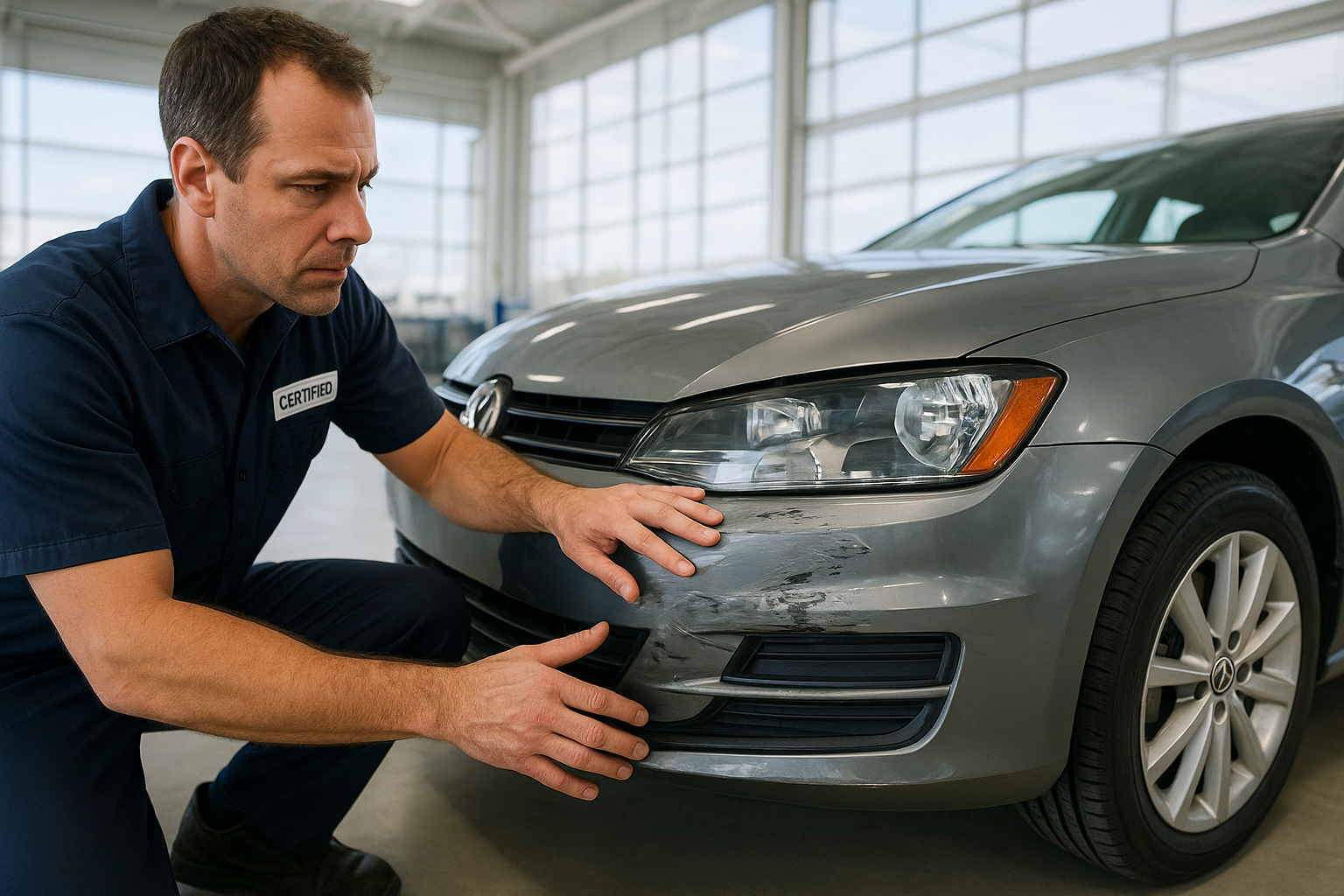
A meticulous inspection is the first step to a safe, seamless front bumper repair.
If you’ve just discovered a scuff, crack, or ripple on the nose of your vehicle, you’re likely wondering how front bumper repair really works—and how to ensure the result looks factory-fresh. This comprehensive guide walks through the decisions a professional shop makes, the methods they use, and the quality checks that separate a quick cosmetic touch-up from a safe, long?lasting repair.
Why front bumper damage matters more than it looks
Today’s front bumpers do far more than make your car look good. Beneath the painted bumper cover you’ll find energy-absorbing foam or honeycomb structures, impact reinforcements, crumple zones, wire harnesses, air temperature sensors, and increasingly, advanced driver?assistance system (ADAS) components like radar and ultrasonic sensors. Even a “minor” parking-lot tap can shift mounting points, distort the cover, or misalign sensors—issues that affect both appearance and safety.
Common damage types include:
- Cosmetic scuffs and paint transfer
- Gouges and abrasions that expose the plastic substrate
- Cracks at corners or grille openings
- Deformation or “oil-canning” where the cover pops in and out
- Broken tabs or mounting points that cause poor panel gaps
Repair vs. replacement: how a pro decides
Professionals weigh four things before recommending front bumper repair or replacement:
1) Structural integrity of the cover and mounts
If the plastic is torn through critical attachment points or the internal reinforcements/absorbers are compromised, replacement is often the safest choice. Minor cracks away from stress points can typically be plastic?welded or bonded.
2) Material and repairability
Most bumper covers are thermoplastic olefin (TPO), polypropylene (PP), or polyurethane blends. Each requires specific prep and adhesives. Shops verify the resin ID (often stamped on the backside) to select compatible repair products and procedures.
3) Finish expectations and color complexity
Metallics, pearls, and tri-coats can be perfectly matched—but may require blending adjacent panels to disguise microscopic color and flop differences. If prior refinish work was poor or too thick, stripping and refinishing may be faster and cleaner than spot repairs.
4) Economics and turn time
When quality repair time approaches the cost of an OEM cover, replacement may be more economical. Conversely, backordered parts or models with expensive sensors may favor repairing the original part to factory standards.
The professional front bumper repair process
While every shop has its workflow, the highest-quality results tend to follow a consistent sequence that balances diagnostics, craftsmanship, and quality control.

The front bumper repair process runs from diagnostics through refinishing and final calibration.
1) Intake, documentation, and electronic pre-scan
Technicians document existing damage, panel gaps, and paint thickness, then perform a pre-scan to capture any diagnostic trouble codes and map ADAS components that could be affected by bumper removal.
2) Safe removal and hidden-damage check
The bumper cover comes off along with associated trim, grilles, and fog lamps. The team inspects absorbers, reinforcements, and brackets. If reinforcements are bent or foam is crushed, those parts are replaced to maintain crash performance.
3) Plastic repair and substrate restoration
For cracks and missing material, technicians often use nitrogen plastic welding or two?part structural adhesives designed for the specific plastic. Gouges are V?grooved, reinforced, and leveled. Broken tabs are rebuilt or replaced to restore precise mounting geometry.
4) Primer, block, and texture control
After degreasing and anti-static prep, a flexible 2K primer-surfacer is applied and block-sanded to regain crisp lines and curvature. Texture (orange peel) is tuned so the bumper matches the neighboring panels under various lighting.
5) Color match, blend strategy, and refinish
Using the vehicle’s paint code as a starting point, refinishers create spray?out cards to verify hue, value, metallic size, and flop on the actual vehicle. If necessary, adjacent fenders are blended to render the repair invisible. Flexible additives are used where specified by the paint system.
6) Reassembly, torque, and post-scan
Trim, sensors, and harnesses are reinstalled to factory spec. A post?scan confirms all modules are healthy. If the vehicle uses radar or ultrasonic sensors behind the bumper, static or dynamic calibrations are completed to restore ADAS accuracy.
Paint matching and blending: the art behind the science
Even when the formula is correct, real-world lighting and viewing angles can make a perfect match challenging. The solution is a disciplined spray?out process, controlled booth conditions, and strategic blending. Skilled painters manage metallic orientation, pearl laydown, and clearcoat depth so the repaired area disappears from every angle—including in harsh noon sun and under cool LED light.

Expert paint blending and texture control make the front bumper repair visually disappear.
ADAS behind the bumper: calibrations aren’t optional
Many late?model cars position radar, ultrasonic sensors, or ambient sensors behind the bumper cover. When the bumper is removed, refinished, or replaced, sensor position and shielding can change—affecting distance measurements and automated braking. Proper post?repair scanning and, where required, static/dynamic calibrations ensure driver?assistance features work as designed.

Modern front bumpers conceal radar and ultrasonic sensors that require precise positioning and calibration.
How long does front bumper repair take?
Turn time depends on the severity of damage, parts availability, paint complexity, and calibration requirements. A simple cosmetic refinish on an otherwise healthy cover can be completed relatively quickly once scheduled. Repairs involving structural tab rebuilds, blending adjacent panels, or sensor calibrations will require additional booth time, cure intervals, and quality checks. Ask your shop for a written timeline that accounts for drying windows and any potential parts lead times.
What affects the estimate?
Reputable estimates reflect labor hours, materials (primers, basecoat, clear, additives), plastic repair supplies, potential blend panels, part replacement (absorbers, brackets, or the cover itself), scan/calibration procedures, and corrosion protection. Transparent shops explain each line item so you understand where your investment goes—and how the process protects both appearance and safety.
Working with insurance
If a claim is involved, document the incident, obtain a claim number, and schedule an estimate. Your shop will photograph damage, note OEM procedures, and submit a repair plan to the insurer. It’s reasonable to ask whether the plan follows manufacturer repair information, includes necessary scans/calibrations, and specifies quality parts. You have the right to choose your repair facility; prioritize workmanship, equipment, and process over convenience alone.
How to choose the right shop for front bumper repair
Look for a clean facility with modern plastic repair capability (including nitrogen plastic welding), dedicated refinish booths with proper filtration, digital color-matching tools, and access to OEM repair procedures. Ask about pre/post scans, ADAS calibration partners or in?house equipment, and warranty terms. Above all, evaluate transparency: a good shop will happily walk you through the repair plan and show you progress photos.
When you’re ready, consider the front bumper repair specialists at Brea Auto Body for a detailed estimate and a repair that respects both aesthetics and safety. Their team can guide you through repair vs. replacement, color?match strategy, and any ADAS calibration steps your vehicle requires.
FAQs about front bumper repair
Can a cracked bumper be repaired, or must it be replaced?
It depends on the crack location, length, and surrounding stress points. Cracks in non?critical areas of TPO/PP covers are often repairable with structural adhesives or nitrogen welding. Cracks through high?stress mounting areas or covers with widespread distortion typically warrant replacement.
Will the color match exactly?
With proper spray?outs, controlled booth conditions, and strategic blending, a professional match should be visually indistinguishable under multiple lighting conditions. On complex tri?coats or aged finishes, blending adjacent panels is the industry?accepted method to maintain an invisible transition.
What about sensors behind the bumper?
If your vehicle uses radar or ultrasonic sensors in or behind the bumper, expect pre/post scans and, when specified by the manufacturer, calibrations after reinstallation. This step is critical for correct operation of features like adaptive cruise and parking assist.
The bottom line
Front bumper repair is part science, part craftsmanship. The best results come from a process that respects the underlying structure, restores the plastic substrate correctly, and uses disciplined paint?matching and calibration steps to finish strong. If you want your car to look factory?fresh—and for its safety tech to perform as designed—choose a shop that treats the repair as a complete system, not a quick cosmetic patch.
Ready for a professional evaluation? Request a front bumper repair estimate from Brea Auto Body and drive away with confidence.

