

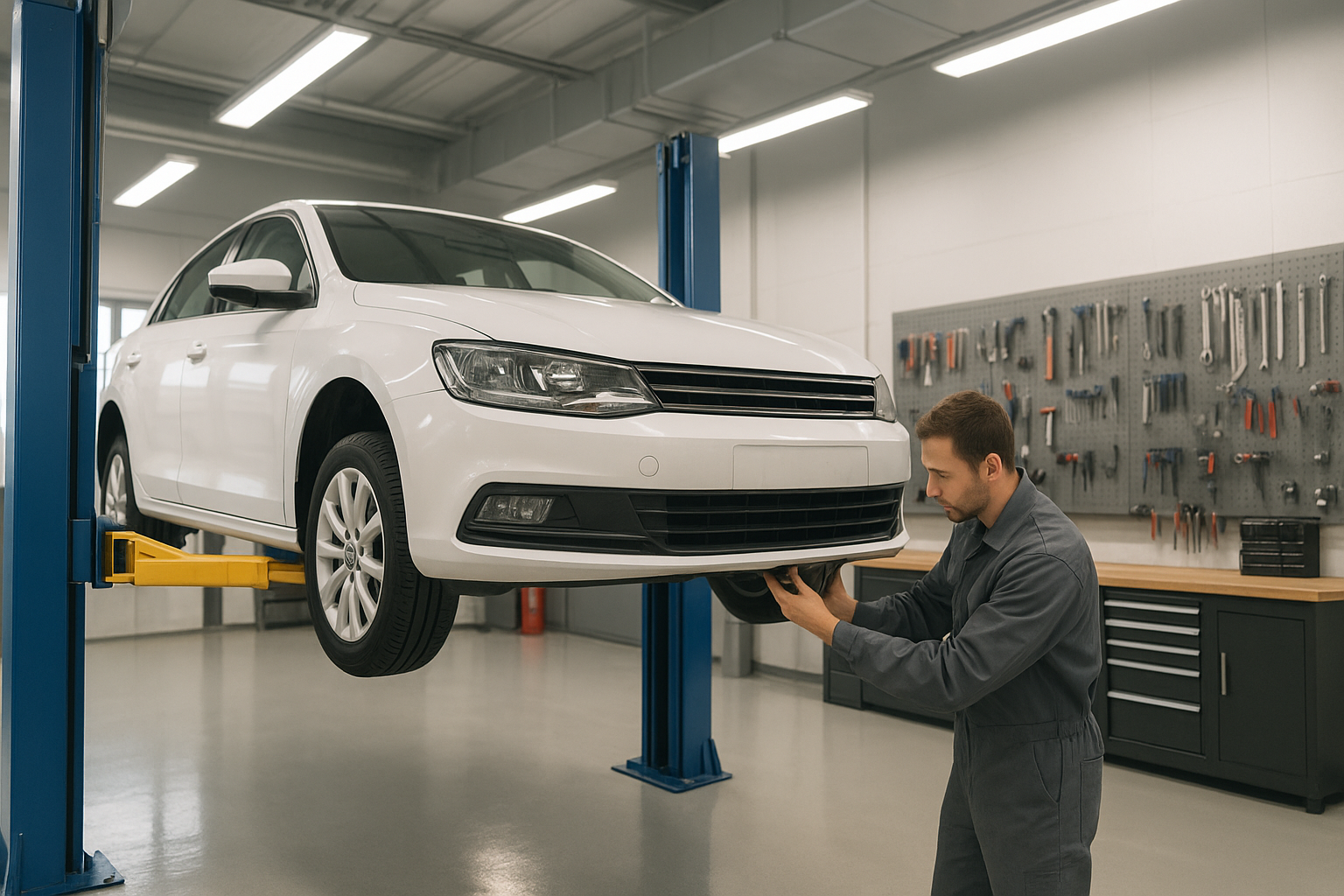
Repair and Body Shop Services are the specialized automotive facilities drivers turn to when a vehicle’s exterior panels, structural frame, or paint finish need restoring after a collision, a stray shopping cart dent, hail damage, or years of weather exposure. If you’ve just been in a fender bender in Brea or anywhere in Orange County, the shop you choose next will directly affect your car’s safety, resale value, and how long the repair actually lasts. Choosing reputable Repair and Body Shop Services ensures proper structural repairs, accurate paint matching, and documented ADAS calibration where required.
Unfortunately, not every shop that advertises collision work delivers the same level of craftsmanship. Below, you’ll find a complete, plain-English breakdown of what a modern repair and body shop actually does, how to vet one properly, what the repair timeline and pricing really look like, and how to avoid the mistakes that leave drivers stuck with subpar work.
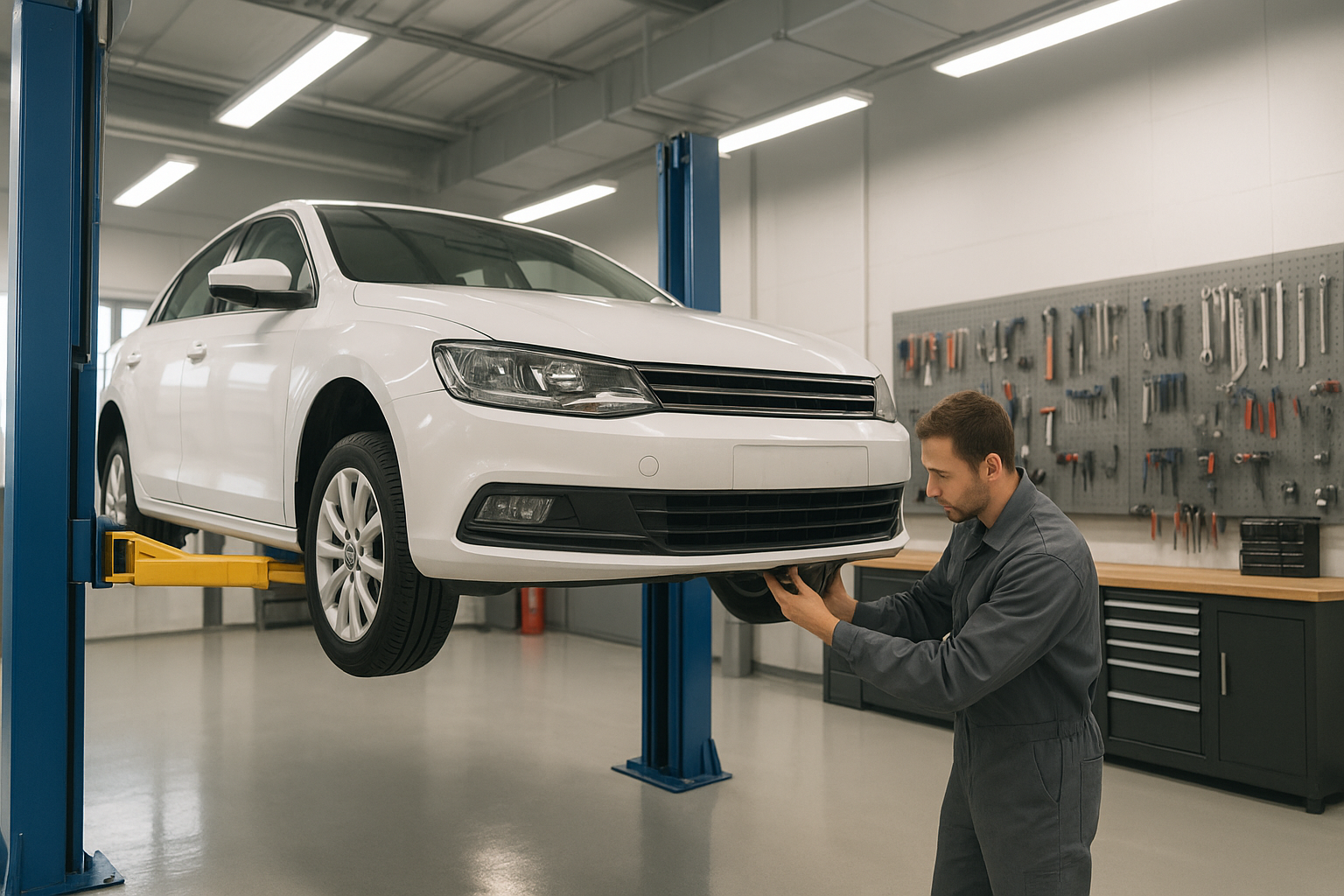
A certified technician performs a detailed inspection at a professional repair and body shop before any restoration work begins.
What Does a Repair and Body Shop Actually Do?
The scope of work inside a quality auto body facility goes far beyond hammering out a dent. In fact, modern shops handle everything from minor cosmetic touch-ups to full structural rebuilds on vehicles built with high-strength steel and aluminum. Here is what a full-service shop typically covers:
- Collision repair — rebuilding panels, bumpers, and frames after impact
- Dent removal — including paintless dent repair (PDR), a method that massages dents out from behind the panel without disturbing factory paint
- Advanced paint matching — computerized systems blend colors seamlessly, even accounting for years of sun fade
- Frame and unibody straightening — laser-guided equipment restores the exact factory measurements
- Glass replacement — windshield and window repair or full replacement
- Rust and corrosion repair — treating and sealing affected metal to stop future spread
- ADAS calibration — recalibrating advanced driver-assistance systems, or “ADAS” (the cameras and sensors behind lane-keep assist and automatic braking), after any repair that touches the windshield, bumper, or mirrors
According to the U.S. Bureau of Labor Statistics, roughly 150,000 auto body repairers work across the country — a number that reflects steady, consistent demand for professional vehicle restoration.
Repair and Body Shop vs. a Standalone Mechanic Garage
A common point of confusion is assuming any repair shop can handle collision damage. In reality, a mechanic shop focuses on the engine, transmission, and mechanical systems that keep the car running. A repair and body shop, by contrast, specializes in everything you can see and touch on the exterior — plus the hidden frame underneath it.
Some full-service facilities do offer both under one roof, which can be convenient. However, for anything involving a collision, dents, or paint, you specifically want a shop with body repair training and equipment — not just a general mechanic.
How to Choose the Right Repair and Body Shop: A Step-by-Step Process
Selecting the right shop is one of the most consequential decisions you’ll make after an accident. Rushing this step can lead to poor panel gaps, mismatched paint, voided warranties, or even safety risks down the road. Use this six-step process to make a confident, informed choice.
- Document the damage thoroughly. Photograph every angle immediately after the incident. Close-up shots of dents, scratches, and deformation support both your insurance claim and the shop’s written estimate.
- Research and shortlist certified shops. Search for I-CAR Gold Class certified facilities or manufacturer-approved repair centers near you. Check Google reviews and ask your insurer for a list of preferred providers — though remember, you are never legally required to use their recommendation.
- Request written estimates from multiple shops. Visit at least two or three locations in person. A detailed estimate should itemize labor, parts, and paint costs separately, not lump them together.
- Confirm parts quality and warranty terms. Ask whether OEM (original equipment manufacturer), OEM-equivalent, or aftermarket parts will be used. Request written warranty documentation covering both workmanship and paint.
- Authorize repairs and stay informed. Sign the repair authorization form, provide insurance details, and ask the shop to contact you immediately if supplemental damage is found during disassembly.
- Inspect the vehicle before driving away. In good daylight, check panel gaps, paint blend consistency, and every repaired area. Address any concerns before you leave the lot, not after.
For a deeper look at what certified professionals do day to day, the team at breaautobody.com put together a helpful resource on auto body mechanics and why their expertise matters.
Local Shop, Dealership, or Franchise Chain: Which Should You Pick?
Many drivers assume a dealership or a large national chain is automatically the safest choice. That’s not necessarily true. Independent local shops often provide faster turnaround, more personalized communication, and competitive pricing without sacrificing quality — and unlike a multi-location franchise, you typically deal with the same manager and technician from drop-off to pickup.
Franchise chains do offer name recognition and standardized processes across locations, which can feel reassuring. However, standardization sometimes means less flexibility on scheduling and less direct access to the technician actually working on your car. A locally owned repair and body shop, by contrast, tends to build its reputation one repair at a time — which means every job matters just as much as the last.
For a thorough side-by-side comparison, read this breakdown of dealership body shops vs. local auto body shops to see which option fits your situation.
Why Certification and Technician Training Matter
Not every shop that calls itself a collision center employs fully qualified technicians. Certifications are one of the clearest signals of quality. The most recognized credential in the industry is I-CAR Gold Class status, which requires ongoing training in the latest repair methods, materials, and vehicle technologies.
In addition, many manufacturers — including Honda, Toyota, and Ford — run their own certified repair networks. Shops inside these networks train specifically on each brand’s construction methods, which matters enormously for modern vehicles equipped with advanced driver-assistance systems.
According to Wikipedia’s overview of auto body repair, today’s vehicles increasingly use high-strength steel and aluminum alloys that demand specialized repair techniques — making ongoing technician training more critical than ever before.
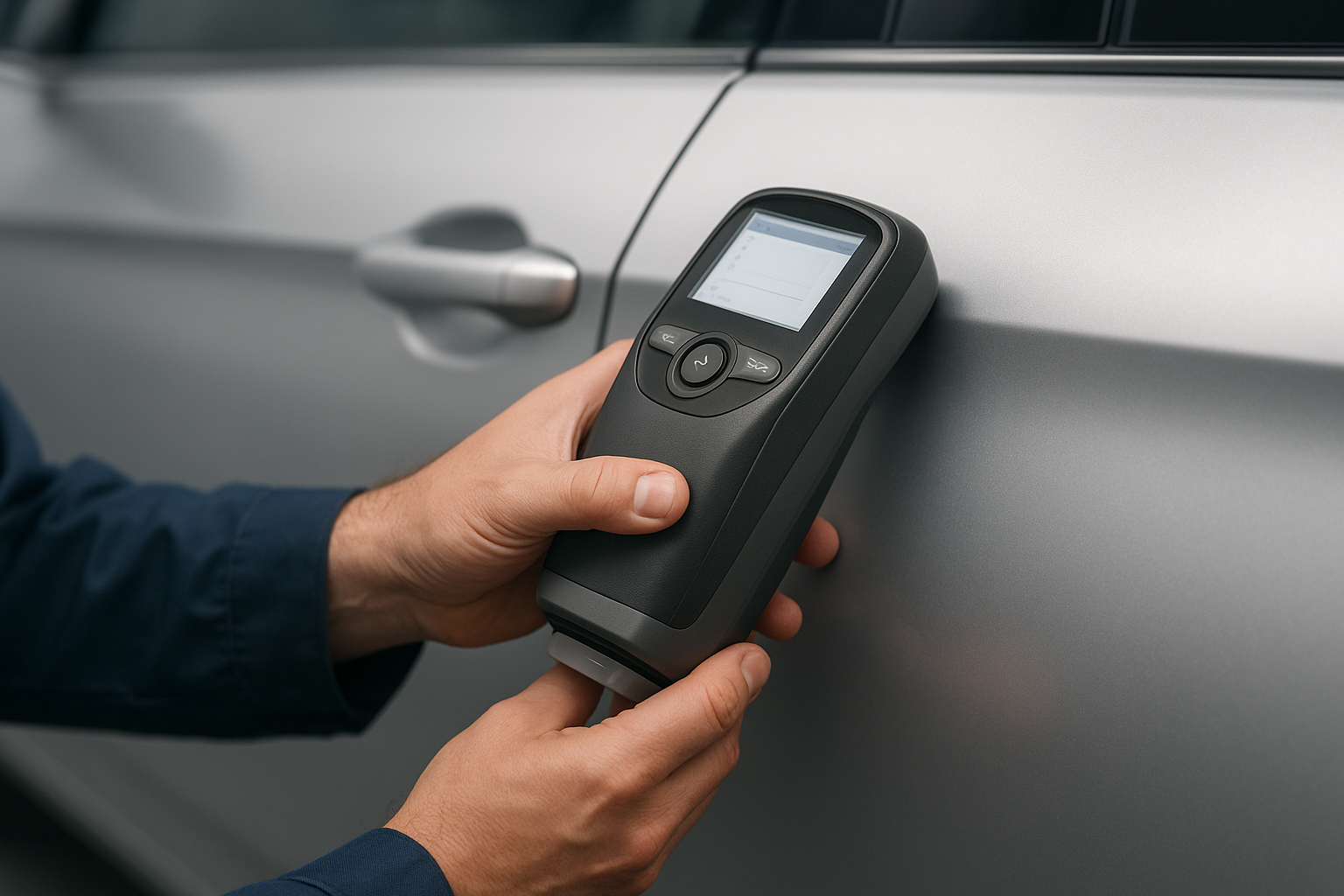
Advanced paint matching technology ensures a seamless color blend — a hallmark of a quality repair and body shop.
Understanding Paint Matching and Vehicle Restoration
Paint matching is one of the most technically demanding parts of body work. Even a slight color variation is instantly visible in direct sunlight, which is why professional shops invest in computerized color-matching systems. These tools read the vehicle’s paint code and blend a precise formula that accounts for age-related fading.
A skilled painter then applies multiple layers — primer, base coat, and clear coat — allowing proper curing time between each stage. This process ensures durability, a factory-quality gloss, and long-lasting protection against UV damage and corrosion.
ADAS Calibration: Why Modern Repairs Involve More Than Bodywork
Most vehicles built after 2018 rely on cameras and radar sensors mounted near the windshield, front bumper, and side mirrors. These systems power lane-keep assist, automatic emergency braking, and adaptive cruise control. As a result, any repair and body shop that replaces a bumper, windshield, or mirror on these vehicles must also recalibrate those sensors — otherwise, safety systems may misread the road.
This is a step many budget shops skip or overlook. Consequently, always ask directly whether ADAS calibration is included in your estimate, and request documentation proving it was performed after the repair.
What Repair and Body Shop Services Actually Cost
Pricing varies enormously based on damage severity, vehicle make, and parts availability. As a general guideline, here’s what most drivers can expect:
- Small dents or door dings (PDR): roughly $100–$300
- Single-panel scratch or scuff repair: roughly $300–$900
- Bumper replacement with paint match: roughly $600–$1,800
- Multi-panel collision repair: roughly $1,500–$4,000+
- Structural frame or unibody straightening: $3,000 and up, depending on severity
- ADAS sensor recalibration: typically $150–$500 in addition to the physical repair
These figures are estimates, not quotes. Therefore, always request a written, itemized estimate before authorizing any work — it’s the single best way to avoid surprise charges at pickup.
Fast, Affordable Fixes for Minor Damage
Not every repair requires a week-long shop visit. In many cases, minor dents, door dings, and small scratches can be addressed quickly and affordably. Paintless dent removal, for instance, typically takes just a few hours and preserves the original factory finish entirely.
If you’re dealing with smaller cosmetic issues, explore your options for minor auto body repair near you to find fast, cost-effective solutions that skip the full repair order process entirely.
Working With Insurance at a Repair and Body Shop
Navigating an insurance claim after a collision can feel overwhelming. Fortunately, most reputable shops work directly with major insurers and can guide you through the process from start to finish. Here’s what typically happens:
- The shop prepares a detailed damage estimate submitted to your insurer.
- An adjuster may inspect the vehicle in person or review submitted photos remotely.
- Once approved, the shop orders parts and schedules the repair.
- If hidden damage surfaces during disassembly, the shop files a supplemental claim on your behalf.
- You pay only your deductible at pickup; the insurer covers the remainder.
It’s worth repeating: you have the legal right to choose your own repair facility in California, and your insurer cannot force you into a specific shop. The California Department of Insurance confirms this consumer protection explicitly.
Red Flags: Warning Signs of a Body Shop to Avoid
Above all, trust your instincts if something feels off. Watch for these warning signs before you sign a repair authorization:
- The shop refuses to provide a written, itemized estimate.
- No visible certifications, I-CAR credentials, or ASE-certified technicians on staff.
- Vague or verbal-only warranty promises with nothing in writing.
- Pressure to sign an authorization before you’ve reviewed the estimate in detail.
- Unusually low quotes that seem too good to be true compared to other estimates.
In contrast, a reputable repair and body shop welcomes questions, provides documentation freely, and never rushes you into a decision.
How to Evaluate Reviews and Reputation Before You Book
Online reviews are useful, but only when read carefully. Look specifically for comments mentioning paint match quality, communication during the repair, and whether the final panel gaps looked factory-correct. A handful of five-star reviews with no detail is far less useful than a few detailed reviews describing the actual repair experience.
Similarly, pay attention to how a shop responds to negative reviews. A shop that addresses complaints professionally and offers to make things right typically signals a business that stands behind its work long after you’ve driven off the lot.
Vehicle Detailing and Interior Care After Repairs
After structural and paint work wraps up, many drivers also take advantage of interior cleaning services to return the vehicle to truly like-new condition. A repair and body shop that offers comprehensive care — inside and out — saves you the hassle of visiting multiple locations.
For drivers in Brea and the surrounding area, the interior cleaning service at breaautobody.com pairs conveniently with any collision repair or body work appointment.
Frequently Asked Questions About Repair and Body Shop Services
What is a repair and body shop?
A repair and body shop is a facility that restores a vehicle’s exterior and structural components after collision damage, dents, scratches, or weather-related harm. Technicians use specialized tools and materials to return the car to its pre-damage condition, both cosmetically and structurally.
How do I choose the best repair and body shop near me?
Look for certified technicians, verified customer reviews, transparent written estimates, and a shop that uses quality OEM or equivalent parts. Additionally, asking about warranty coverage before you commit is always a smart step.
How long does auto body repair typically take?
Minor repairs like small dents or scratches can take one to three days. Significant collision damage involving structural work or a full repaint may take one to two weeks, depending on parts availability and hidden damage discovered during disassembly.
Will my insurance cover body shop repairs?
Most comprehensive and collision policies cover auto body repairs, minus your deductible. A reputable shop will work directly with your insurance company to streamline the claims process on your behalf.
What is paintless dent removal?
Paintless dent removal (PDR) uses specialized tools to massage dents out from behind the panel without disturbing the factory paint. It’s ideal for small dings and hail damage where the paint surface is still intact.
What is the difference between a body shop and a mechanic shop?
A body shop focuses on repairing a vehicle’s exterior panels, frame, and paint finish. A mechanic shop, in contrast, handles engine, transmission, and mechanical systems. Some full-service facilities offer both under one roof.
How is paint matched at a body shop?
Technicians use computerized color-matching systems that read the vehicle’s existing paint code and blend a precise formula. This ensures the repaired area blends seamlessly with surrounding panels, even accounting for age-related fading.
Is it safe to drive my car to the body shop after a collision?
It depends on severity. If airbags deployed, the frame is bent, or a wheel is compromised, have the vehicle towed. For minor cosmetic damage, driving to the shop is generally safe.
What certifications should a quality body shop have?
Look for I-CAR Gold Class certification, manufacturer-approved repair designations, and ASE-certified technicians. These credentials confirm the shop meets industry standards for training and repair quality on modern vehicles.
How much does auto body repair cost on average?
Costs vary widely by damage severity. Minor dent repairs may run $100–$300, while major collision repairs can exceed $3,000. Always get a written estimate before authorizing any work to avoid surprises.
Do body shops offer warranties on their repairs?
Many reputable shops offer a lifetime warranty on workmanship and paint. Ask for warranty terms in writing before the repair begins so you understand exactly what’s covered and for how long.
Can a body shop repair structural frame damage?
Yes. Properly equipped shops use computerized frame-straightening machines to restore a vehicle’s unibody or frame to factory specifications. Structural repairs are critical for safety and must be completed correctly after any significant collision.
Is an independent repair and body shop better than a franchise chain?
Neither is automatically better — both can produce excellent results if properly certified. Independent shops often provide more personalized service and faster scheduling, while franchise chains offer standardized processes across multiple locations. Compare certifications and warranties directly rather than relying on the name alone.
What is ADAS calibration and why does it cost extra?
ADAS calibration recalibrates the cameras and sensors behind safety features like automatic braking and lane-keep assist. It requires specialized equipment and adds $150–$500 to a repair, but skipping it can leave critical safety systems misaligned.
Conclusion: Finding the Right Repair and Body Shop in Brea
Choosing the right repair and body shop ultimately comes down to trust, transparency, and technical skill. From paintless dent removal to full collision restoration and ADAS calibration, the quality of the work directly affects your vehicle’s safety, appearance, and resale value. Therefore, taking the time to verify certifications, request written estimates, and understand the full repair process is always worth the effort.
For drivers throughout Brea and the broader Orange County area, breaautobody.com offers certified technicians, advanced paint matching, and comprehensive collision repair for both domestic and foreign vehicles. Their team works directly with insurance companies and individual owners alike to deliver seamless, long-lasting results.
In summary, a reliable repair and body shop combines industry credentials, quality materials, and clear communication to get your vehicle safely back on the road — and now you know exactly what to check before you hand over the keys.

