


A 2A body shop is a term used to describe a collision repair facility that meets a recognized level of professional certification, equipment standards, and technician training — signaling that it is qualified to perform both structural and cosmetic vehicle repairs to a defined, reputable standard. If you have recently been in an accident or are searching for a trustworthy repair facility, understanding what this designation means can help you make a much more confident decision.
In fact, not all body shops are created equal. Therefore, knowing how to identify a qualified shop — and what questions to ask — can be the difference between a repair that lasts and one that fails prematurely.
What Is a 2A Body Shop?
A 2A body shop is a shorthand label that consumers and industry professionals use to describe an auto body facility operating at a certified, accountable level of service. Specifically, it implies the shop has met requirements related to technician training, facility equipment, and repair quality benchmarks set by industry organizations or vehicle manufacturers.
The term itself is not always tied to a single universal standard. However, it broadly aligns with certifications from organizations such as I-CAR (Inter-Industry Conference on Auto Collision Repair) or ASE (Automotive Service Excellence). According to I-CAR, shops with Gold Class recognition have demonstrated a commitment to ongoing training that keeps technicians current with evolving vehicle technology.
Furthermore, some manufacturers issue their own OEM (original equipment manufacturer) certifications to shops that meet specific repair procedure and tooling requirements. These designations give vehicle owners an added layer of assurance that repairs will not compromise factory safety engineering.
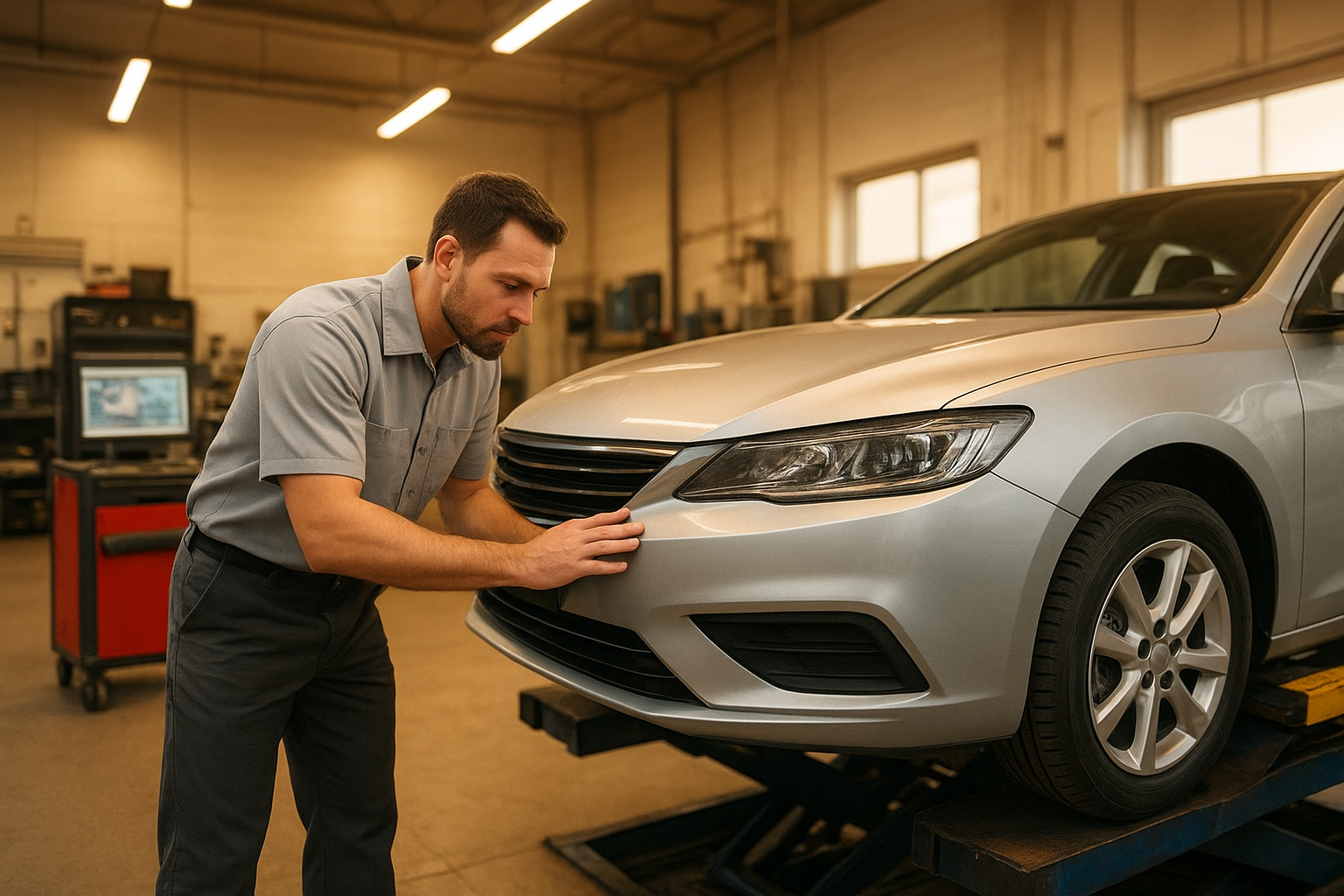
A certified body shop technician carefully evaluates vehicle damage before beginning the repair process.
Why Certification Standards Matter for Collision Repair
Modern vehicles are significantly more complex than they were even a decade ago. As a result, collision repair now requires a deeper understanding of advanced materials, sensor systems, and structural engineering. According to the National Highway Traffic Safety Administration (NHTSA), improper repairs to structural components can compromise crumple zones and airbag deployment, directly affecting occupant safety.
Consequently, choosing a shop that meets the standards associated with a 2A body shop designation is not merely about aesthetics. It is about ensuring your vehicle performs as designed if you are ever in another collision.
In addition, a properly certified shop will recalibrate advanced driver-assistance systems (ADAS) — such as lane-keeping assist and automatic emergency braking — after repairs that affect cameras or sensors. Many uncertified shops overlook this critical step entirely.
The Role of OEM Parts in Quality Repairs
OEM parts are components made by or for the original vehicle manufacturer to the exact specifications of the factory-installed parts. Using OEM parts, rather than cheaper aftermarket alternatives, helps preserve fit, finish, and the vehicle’s engineered safety performance.
For example, an aftermarket bumper may not absorb impact energy the same way a factory part does. Similarly, non-OEM body panels can affect paint adhesion and long-term rust resistance. Therefore, always ask your repair shop whether they use OEM or aftermarket parts — and why.
You can also explore our detailed guide on choosing the right body shop for safer OEM repairs to learn more about this important distinction.
How to Choose the Right 2A Body Shop: Step-by-Step
Selecting the right shop does not have to be overwhelming. Follow these steps to evaluate your options with confidence:
- Verify certifications and training credentials. Confirm the shop holds recognized credentials such as I-CAR Gold Class recognition or ASE-certified technicians before committing to any repair work.
- Ask about OEM parts and repair procedures. Ask whether the shop uses original equipment manufacturer parts and follows the vehicle maker’s approved repair procedures to protect safety and structural integrity.
- Request a written estimate and warranty details. Obtain a detailed written estimate that itemizes labor, parts, and materials, and confirm the shop offers a written warranty on all completed repairs.
- Check reviews and ask for references. Read recent customer reviews on Google or the Better Business Bureau and ask the shop for references from past clients with similar repair needs.
- Confirm insurance compatibility and communication process. Verify that the shop works with your insurance carrier and ask how they will keep you informed of repair progress throughout the job.
Additionally, our resource on what to ask before hiring an auto body shop provides a comprehensive checklist to help you ask the right questions from the start.
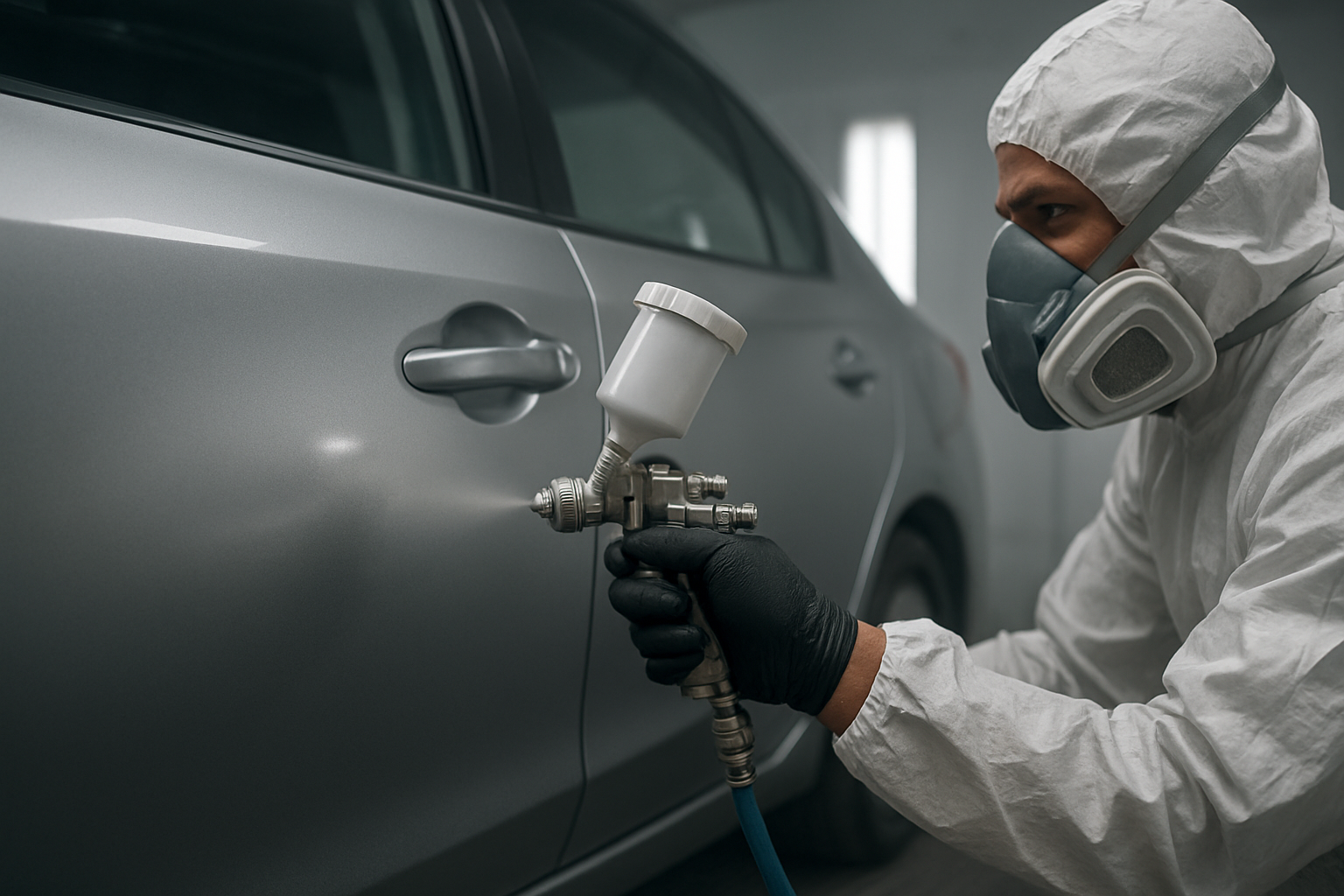
Advanced paint matching technology ensures a seamless, factory-quality finish on every repaired panel.
Signs You Are Dealing With a Qualified Repair Facility
Beyond certifications, there are several observable signs that a shop operates at the level of a trusted, professional facility. First, the shop should be clean, organized, and well-equipped with modern tools. A disorganized workspace often reflects disorganized repair practices.
Second, the staff should communicate clearly and proactively. Specifically, they should explain the repair process in plain language, provide a realistic timeline, and update you when anything changes. Transparency throughout the process is a hallmark of a reputable shop.
Third, the shop should stand behind its work with a written warranty. A facility confident in its craftsmanship will not hesitate to guarantee results in writing.
Red Flags to Watch Out For
Conversely, be cautious of shops that pressure you into quick decisions, provide vague verbal estimates, or refuse to answer questions about parts sourcing. Similarly, unusually low quotes can indicate the use of substandard materials or shortcuts in the repair process.
For more guidance on evaluating your options, read our article on how to choose the best auto body shop near you for a deeper look at what separates good shops from great ones.
Collision Repair and Paint Services in Brea and Orange County
Brea Auto Body serves drivers throughout Orange County with comprehensive vehicle restoration services that reflect the standards drivers expect from a trusted, certified repair facility. Their team of certified technicians specializes in collision repair, precision dent removal, and advanced paint matching — ensuring every vehicle is restored to its pre-accident condition.
Whether you drive a domestic or foreign vehicle, the shop is equipped to handle a wide range of automotive bodywork with attention to detail and customer transparency throughout every step. From minor cosmetic damage to significant structural repairs, clients benefit from working with professionals who use industry-standard techniques and quality materials.
In particular, their car paint repair services use advanced color-matching technology to achieve seamless, long-lasting finishes that are virtually indistinguishable from the factory original. This level of precision is exactly what drivers should expect from a shop operating at a certified level of excellence.
Frequently Asked Questions About 2A Body Shop Standards
What does 2A body shop mean?
A 2A body shop refers to a collision repair facility that meets a recognized level of certification, equipment standards, and technician training. The designation signals that the shop is qualified to perform structural and cosmetic repairs to a defined professional standard.
How is a 2A body shop different from a standard repair shop?
A 2A body shop typically holds certifications such as I-CAR Gold Class or OEM manufacturer approvals that a standard uncertified shop may lack. This means technicians have completed ongoing training and the facility uses approved equipment and repair procedures.
Why does body shop certification matter for my vehicle?
Certification ensures that repairs follow manufacturer-approved methods, which protects your vehicle’s structural integrity and safety systems. It also helps maintain your car’s resale value and supports valid warranty claims.
What certifications should a quality auto body shop have?
Look for I-CAR Gold Class recognition, ASE-certified technicians, and OEM certifications from manufacturers like Honda, Toyota, or Ford. These credentials confirm that the shop meets rigorous training and equipment standards.
How do I find a certified body shop near me in Orange County?
You can search the I-CAR locator tool, your vehicle manufacturer’s certified shop finder, or ask your insurance provider for approved shops. Brea Auto Body serves drivers throughout Orange County with certified collision repair services.
Does a certified body shop cost more than an uncertified one?
Certified shops may have slightly higher labor rates, but the quality of repairs and use of proper materials often results in better long-term value. Cutting corners on collision repair can lead to safety risks and costly re-repairs.
Will my insurance cover repairs at a certified body shop?
Most major insurance carriers accept or prefer certified shops, and many have direct repair programs with approved facilities. You generally have the right to choose your own repair shop regardless of insurer preference.
What is OEM repair and why does it matter?
OEM repair means using original equipment manufacturer parts and following the vehicle maker’s repair procedures. This preserves the vehicle’s designed safety performance and is especially important for modern cars with advanced driver-assistance systems.
How long does collision repair typically take at a certified shop?
Repair time depends on the extent of damage, parts availability, and shop workload. Minor repairs may take two to three days, while significant structural damage can require one to three weeks.
What questions should I ask before choosing a body shop?
Ask about certifications, warranty on repairs, whether OEM or aftermarket parts are used, and how they communicate repair progress. A transparent shop will answer these questions confidently and clearly.
Does Brea Auto Body qualify as a 2A body shop?
Brea Auto Body employs certified technicians and uses industry-standard techniques and quality materials for collision repair, dent removal, and paint matching throughout Orange County. Their focus on craftsmanship and customer transparency reflects the standards associated with a qualified 2A body shop.
What types of vehicles does a certified body shop typically repair?
Certified shops typically handle both domestic and foreign vehicles, including sedans, SUVs, trucks, and fleet vehicles. Brea Auto Body is equipped to restore a wide range of vehicle makes and models.
Conclusion: Choosing a 2A Body Shop You Can Trust
In summary, understanding what a 2A body shop means empowers you to make a smarter, safer choice after a collision. Certification, OEM parts, trained technicians, and transparent communication are the pillars of a repair facility that genuinely prioritizes your vehicle’s safety and your peace of mind. Furthermore, taking the time to verify credentials and ask the right questions before handing over your keys can save you significant frustration and expense down the road. For drivers in Brea and across Orange County, Brea Auto Body represents the kind of certified, detail-oriented repair experience that puts your vehicle — and your confidence — back where they belong.

