


BCR collision center is a term used to describe a certified, full-service auto body repair facility equipped to handle everything from minor cosmetic damage to complex structural collision work. Understanding what these centers offer — and how to choose the right one — can save you time, money, and stress after an accident.
According to the Insurance Institute for Highway Safety, millions of vehicles are involved in collisions each year in the United States alone. As a result, the demand for professional, reliable collision repair continues to grow. Knowing what to look for in a quality repair shop is therefore more important than ever.
What Is a BCR Collision Center?
A BCR collision center is a professional auto body facility where certified technicians restore damaged vehicles to their pre-accident condition. These shops handle a wide range of repairs, from surface-level dents and scratches to significant frame and structural damage caused by serious collisions.
Furthermore, a quality collision center goes beyond basic repairs. It combines precision craftsmanship, advanced technology, and transparent customer service to deliver results that are both safe and visually seamless. In essence, these facilities act as a full restoration partner for vehicle owners after an accident.
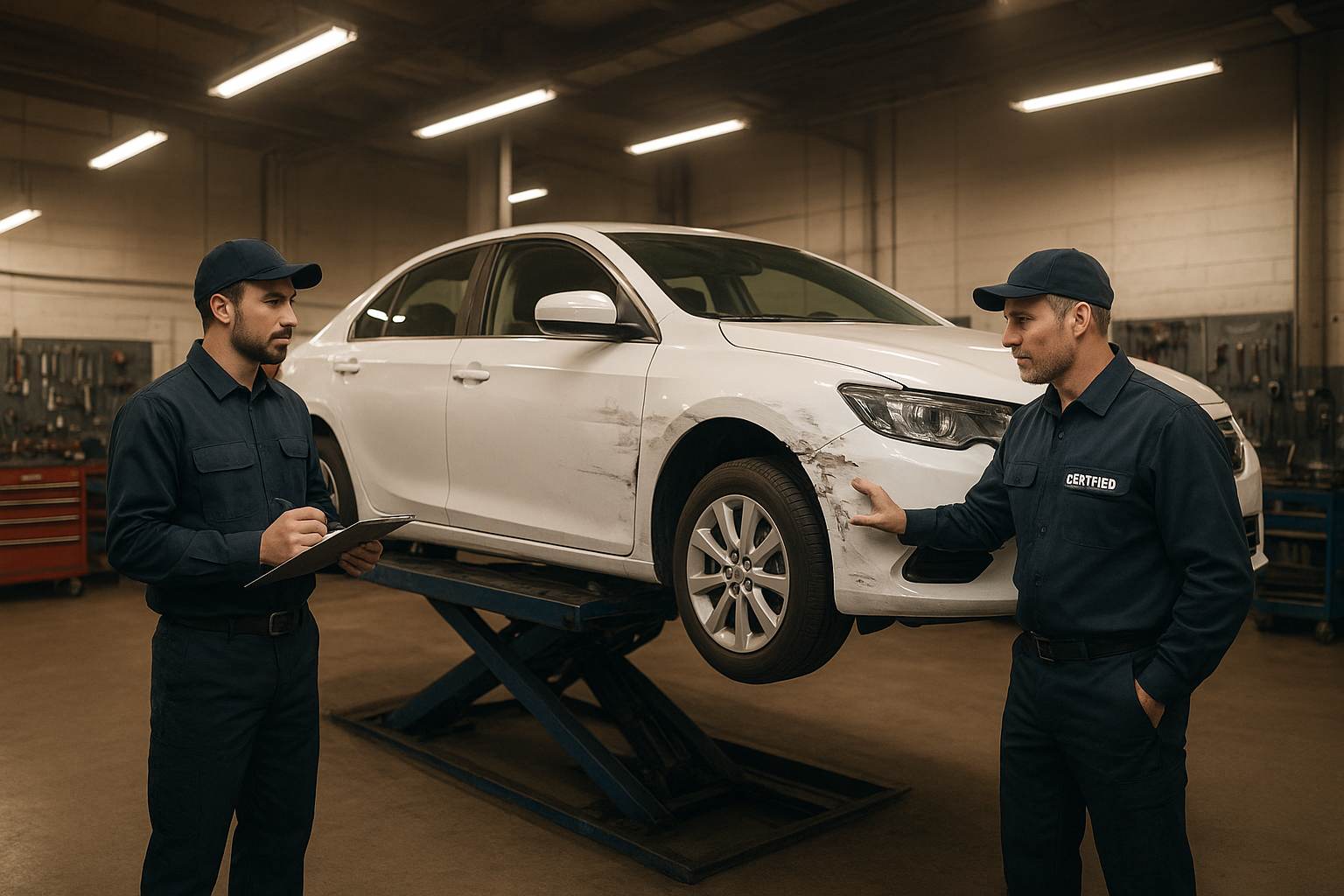
Certified technicians at a professional BCR collision center assess vehicle damage with precision and care.
Core Services Offered at a Professional Collision Repair Facility
Not all auto body shops provide the same level of service. However, a reputable collision center typically covers all of the following core repair categories.
Collision and Structural Repair
Collision repair is the cornerstone of any quality auto body center. Specifically, this involves restoring the vehicle’s frame, panels, and structural components after an accident. Technicians use computerized frame-straightening equipment to ensure the vehicle’s geometry returns to factory specifications. This step is critical for both safety and long-term performance.
For drivers in Brea and the surrounding Orange County area, expert collision repair services are available locally, saving the hassle of traveling far from home after a stressful accident.
Precision Dent Removal
Dent removal is one of the most requested services at any collision center. Technicians use a combination of traditional body work and paintless dent repair (PDR) — a technique that reshapes metal from behind the panel without disturbing the original paint. PDR is particularly effective for hail damage and parking lot dings.
Additionally, for more severe dents that compromise the paint layer, conventional body filler and refinishing methods are used. The goal in both cases is a smooth, factory-like finish that blends perfectly with the surrounding surface.
Advanced Paint Matching and Refinishing
Paint matching is one of the most technically demanding aspects of collision repair. Modern vehicles use complex, multi-stage paint systems that include a primer coat, base color coat, and clear coat. Consequently, achieving an invisible repair requires both the right equipment and experienced technicians.
Quality shops use computerized color-matching technology that reads the vehicle’s factory color code and formulates a precise blend. According to I-CAR (Inter-Industry Conference on Auto Collision Repair), proper refinishing training is essential to achieving consistent, long-lasting color matches across all vehicle types.
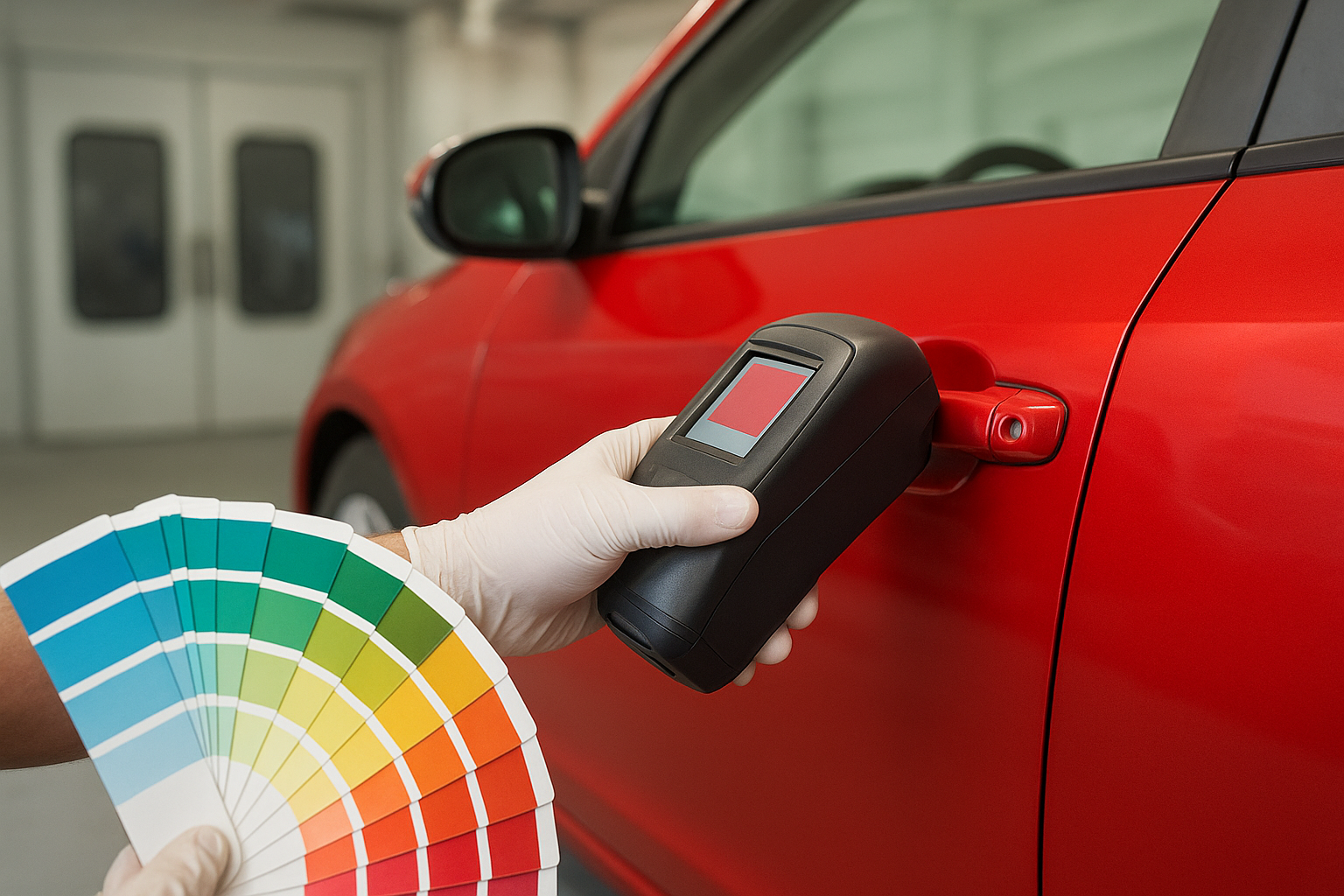
Advanced paint matching technology ensures repaired panels blend seamlessly with the original factory finish.
How to Navigate the Collision Repair Process Step by Step
Understanding the repair process from start to finish helps you stay informed and in control. Here is a clear, step-by-step breakdown of what to expect.
- Document the Damage: Photograph all visible damage from multiple angles before moving the vehicle. Note the date, time, and circumstances of the incident for your insurance records.
- Contact Your Insurance Provider: Notify your insurer promptly, provide your documentation, and ask about your coverage, deductible, and preferred repair facilities in your area.
- Get a Professional Repair Estimate: Bring your vehicle to a certified collision center for a thorough inspection and a written estimate covering all parts, labor, and refinishing work required.
- Approve the Repair Plan: Review the estimate carefully with a shop advisor, clarify the timeline and parts sourcing, then authorize the work in writing before repairs begin.
- Inspect the Completed Repairs: Before driving away, examine repaired areas in good lighting, verify paint color consistency, and confirm that all safety systems are functioning correctly.
Following these steps ensures a smoother experience and reduces the risk of disputes or surprises during the repair process. Moreover, staying involved throughout helps you advocate for quality work on your behalf.
What Certifications Should You Look For?
Certifications are a reliable indicator of a shop’s commitment to quality. In particular, look for the following credentials when evaluating a collision repair facility.
- ASE Certification: The National Institute for Automotive Service Excellence (ASE) certifies technicians who pass rigorous exams in collision repair and refinishing. ASE-certified shops demonstrate a baseline of professional competence.
- I-CAR Gold Class: This designation indicates that all technicians in the shop receive ongoing training in the latest repair methods and vehicle technologies. It is one of the highest standards in the collision repair industry.
- OEM Certifications: Some shops are certified by specific vehicle manufacturers — such as Ford, Honda, or BMW — to use approved repair procedures and genuine parts for those brands.
Consequently, asking about certifications before choosing a shop can significantly improve your repair outcome and protect your vehicle’s resale value.
Collision Repair Costs: What to Expect
Cost is often the first concern for vehicle owners after an accident. Generally, repair costs vary widely based on the severity of the damage, the type of vehicle, and the parts required.
Industry data from CarInsurance.com indicates that the average collision claim in the United States is approximately $3,500 to $4,500. However, minor dent repairs can cost as little as $150 to $300, while major structural damage may exceed $10,000 depending on the vehicle.
For this reason, getting multiple written estimates is always a good idea. In addition, working with a shop that communicates openly about pricing and parts sourcing helps avoid unexpected charges at pickup.
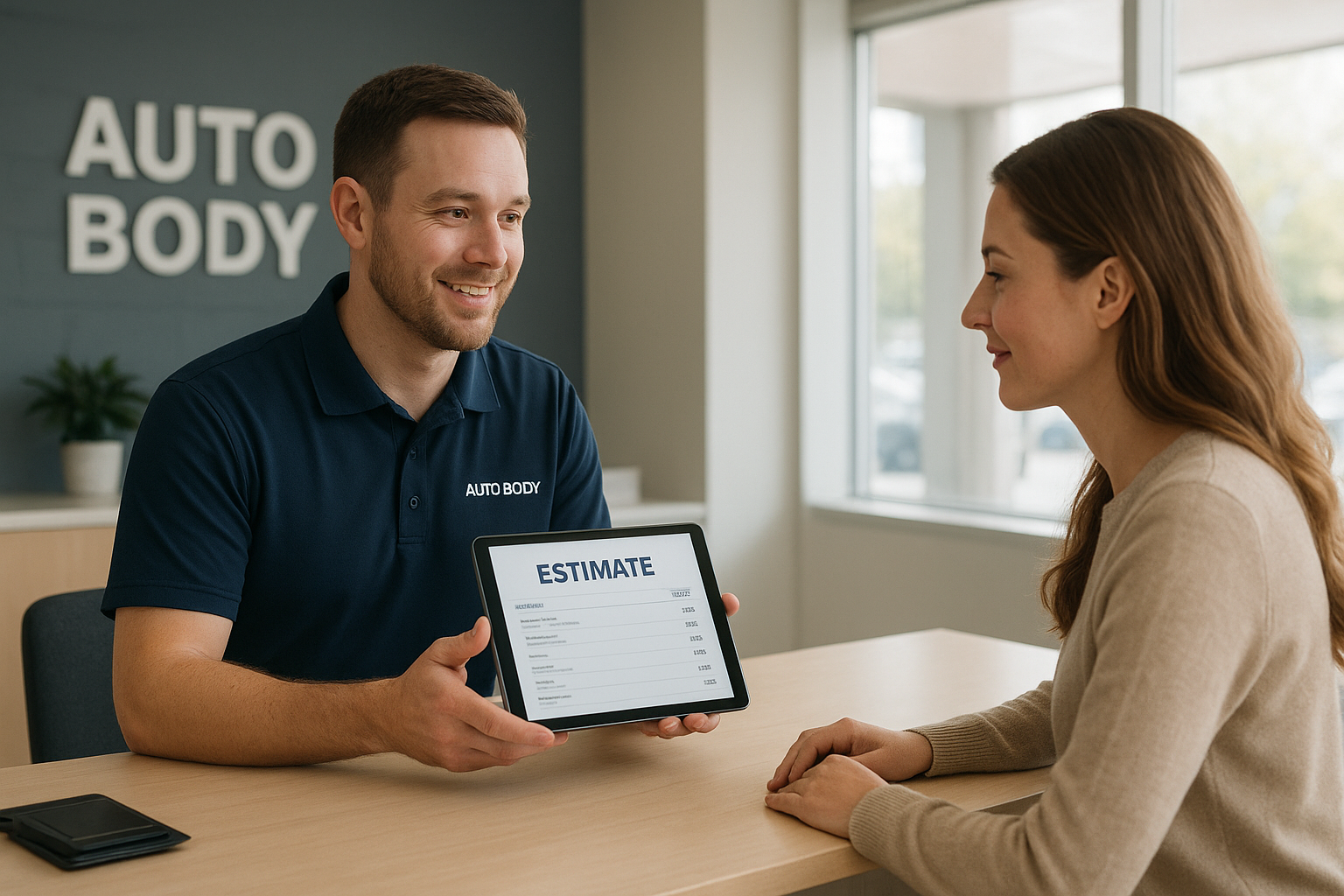
Transparent estimates and clear communication are hallmarks of a trustworthy collision repair center.
Why Choose a Local Brea Auto Body Shop Over a Chain?
Local collision repair facilities often provide a more personalized experience than large national chains. Specifically, when you work with a community-based shop, you interact directly with the technicians and owners who take personal pride in every repair.
Brea Auto Body serves drivers throughout Orange County with exactly this kind of hands-on, attentive approach. Their team of certified technicians handles everything from minor cosmetic damage to significant structural repairs for both domestic and foreign vehicles. Furthermore, they work directly with insurance clients and fleet customers, streamlining the claims process for added convenience.
For those interested in exploring the full range of available services, the comprehensive collision services overview covers everything from structural realignment to advanced paint refinishing. Similarly, details on interior cleaning services are also available for vehicles that need a full post-repair refresh.
Additional Services That Set Quality Shops Apart
Beyond collision and paint work, the best auto body facilities offer complementary services that enhance the overall repair experience. These may include rental car coordination, insurance claim assistance, and post-repair detailing. In addition, some shops provide courtesy vehicle inspections to identify any secondary damage that may not have been initially visible.
To learn more about what a full-service local facility offers, visit the Brea Auto Body homepage or explore their service elements page for a complete breakdown of available options.
Frequently Asked Questions About BCR Collision Center Services
What is a BCR collision center?
A BCR collision center is a professional auto body repair facility that handles vehicle damage from accidents, weather events, and everyday wear. These centers employ certified technicians who restore vehicles to pre-accident condition using industry-standard techniques and quality materials.
What services does a BCR collision center typically offer?
Services typically include collision repair, dent removal, paint matching, structural realignment, and interior cleaning. Many centers also assist with insurance claims and provide written estimates before any work begins.
How long does collision repair take at a professional center?
Repair time depends on the severity of the damage. Minor dent removal may take one to two days, while significant structural repairs can take one to two weeks or longer depending on parts availability.
Will my insurance cover repairs at a collision center?
Most comprehensive and collision insurance policies cover repairs at certified auto body shops. You should contact your insurer first to confirm coverage and understand your deductible before authorizing repairs.
How do collision centers match paint color so precisely?
Technicians use computerized paint-matching systems that read the vehicle’s factory color code and mix pigments to achieve an exact match. This ensures the repaired area blends seamlessly with the original finish and surrounding panels.
What certifications should a reputable collision center hold?
Look for ASE (Automotive Service Excellence) certification and I-CAR training credentials. These indicate that technicians have met rigorous industry standards for collision repair knowledge and ongoing professional development.
Is it safe to drive a car with collision damage before getting it repaired?
It depends on the type of damage. Structural damage, airbag deployment, or compromised safety systems make driving unsafe. Minor cosmetic damage may be less urgent, but a professional inspection is always recommended before continuing to drive.
How much does collision repair cost on average?
Average collision repair costs range from $300 for minor damage to over $10,000 for severe structural repairs. The final cost depends on parts, labor rates, and the extent of damage to the vehicle’s body and frame.
What is the difference between a collision center and a regular mechanic?
A collision center specializes in body, frame, and paint restoration after accidents, while a regular mechanic focuses on mechanical and engine systems. Some repairs require input from both types of professionals.
Can a collision center repair frame damage?
Yes, most professional collision centers have frame straightening equipment to restore a vehicle’s structural integrity. This process uses computerized measuring systems to ensure precise alignment that meets factory specifications.
How do I choose the best collision repair shop near me?
Look for certified technicians, transparent written estimates, strong customer reviews, and experience with your vehicle make. Shops that work directly with insurance companies can also simplify and accelerate the claims process.
Does Brea Auto Body serve customers throughout Orange County?
Yes, Brea Auto Body serves drivers throughout the Orange County area, offering BCR collision center-level services including collision repair, precision dent removal, and advanced paint matching for both domestic and foreign vehicles.
Conclusion
Choosing the right BCR collision center is one of the most important decisions you can make after a vehicle accident. In summary, the best facilities combine certified technicians, advanced technology, transparent pricing, and genuine customer care to deliver results that restore both the safety and appearance of your vehicle. Whether you are dealing with a minor dent or significant structural damage, working with a reputable local shop — like Brea Auto Body in Orange County — ensures your vehicle is returned to pre-accident condition with confidence and craftsmanship you can trust.

