

Body Shop Near Me: A Complete, Local-Friendly Guide to Collision Repair You Can Trust

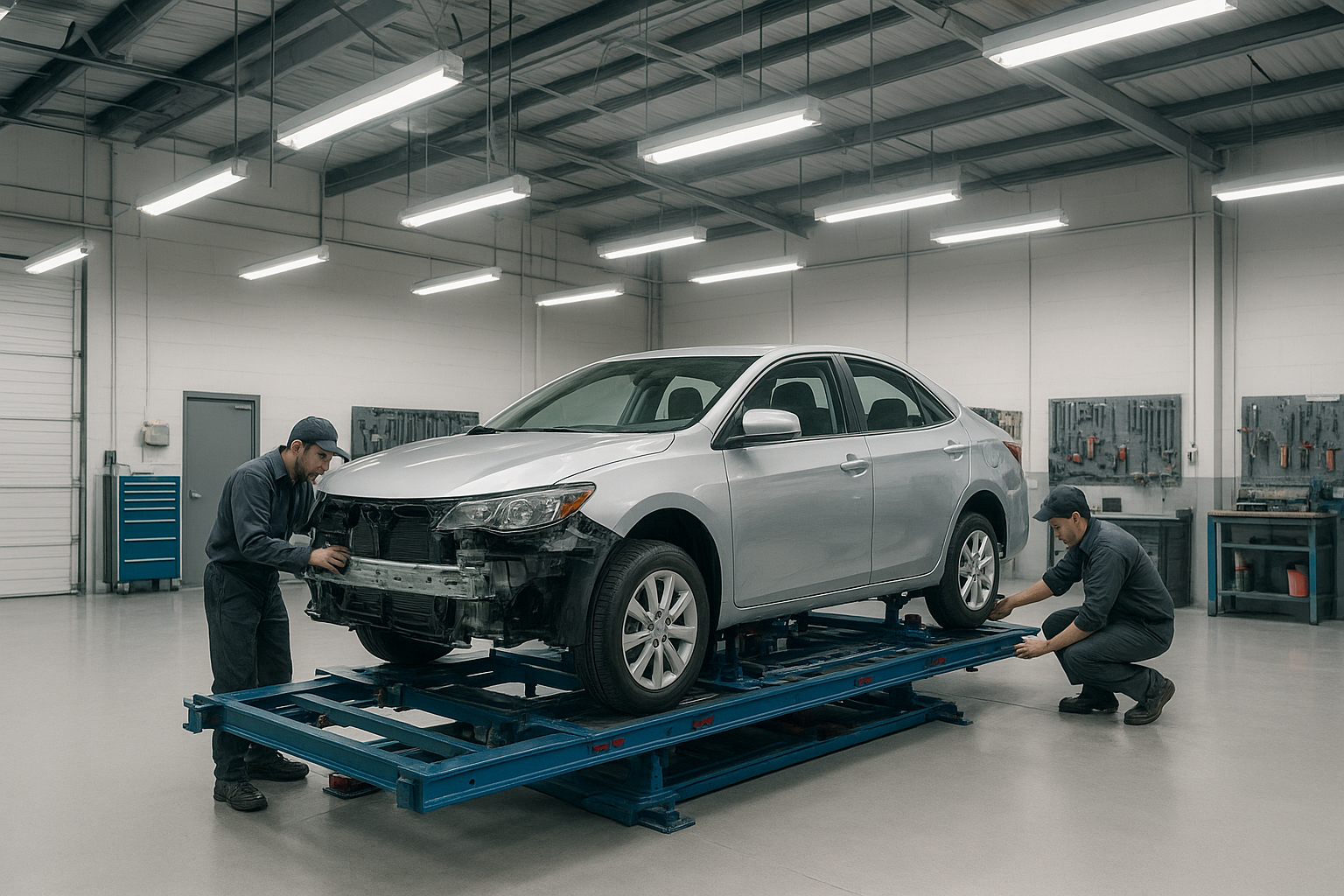
A modern collision repair facility—exactly what you expect when you search “body shop near me.”
If you just typed “body shop near me,” you’re likely juggling a lot at once: safety, timelines, insurance approvals, and keeping your vehicle’s value intact. This guide explains how local search results actually work, what separates a reputable collision center from a gamble, and how to set realistic expectations on cost and timing. We’ll also point you to a trusted local resource: Brea Auto Body, a convenient option if you live, work, or commute through Brea and North Orange County.
How “body shop near me” results work—and what that means for you
When you tap that query into your phone, local results typically weigh three things: distance, relevance, and reputation. That means a shop close to you with specific expertise (e.g., aluminum repair, ADAS calibrations) and strong reviews is more likely to surface. But your best match isn’t always the closest. Consider the kind of damage you have—bumper scrape, structural impact, hail dents, or a cracked headlamp—and prioritize a shop that proves it handles similar repairs day in and day out.
Look for signs of specialization and professionalism: a clean, well-lit facility; clear workflow explanations; photo or video updates; and willingness to walk you through OEM procedures for your vehicle. If you’re nearby, use your search results to compare a couple options and browse a local example like Brea Auto Body’s site to see what services, scheduling, and estimates look like before you book.
A transparent collision repair process: what to expect step by step
A credible “body shop near me” should outline its process. Here’s how that typically unfolds, and the questions you can ask at each step:
1) Initial estimate and digital check-in
You’ll start with an in-person assessment or a photo-based pre-estimate. Ask how they capture hidden damage and whether the estimate will change after teardown.
2) Blueprinting and insurer authorization
Once the vehicle is in-bay, the shop performs a deeper inspection (“blueprint”) to document all required operations. Your insurer reviews the file; the shop should guide you through approvals and any supplements.
3) Structural and body repairs
Technicians may use frame racks, welders, and measuring systems to return the body to factory dimensions. If your car features advanced materials (high-strength steel, aluminum, composites), ask about the shop’s training and tooling for those substrates.
4) Paint preparation, color match, and blending
Proper refinish work includes surface prep, primer, basecoat, and clearcoat. Many colors require blending adjacent panels for an invisible match—your estimate should spell this out.
5) Reassembly, ADAS calibration, and quality control
Post-repair, sensors and cameras may need static or dynamic calibration. The shop should verify warning lights, run system scans where appropriate, and provide a final multi-point inspection before delivery.

The collision repair process, from estimate to delivery, so you know what happens after “body shop near me.”
Quality signals that separate the best local body shops from the rest
Certifications and training
Ask if technicians maintain current training and whether the shop follows OEM repair procedures for your make. For late-model vehicles with driver-assistance tech, this is crucial to safety and resale value.
Materials and equipment
Look for modern measuring systems, proper aluminum isolation for aluminum cars, dust extraction, and paint booths with controlled airflow and bake cycles. These aren’t “nice to haves”—they determine finish quality and longevity.
Documentation and transparency
Top shops share repair plans, calibration records, part types used (OEM, aftermarket, recycled), and final QC checklists. A detailed invoice is your proof of work for future buyers or warranty claims.
Warranties and aftercare
Many reputable facilities back workmanship and paint for as long as you own the car. Confirm what’s covered, who administers the warranty, and whether it’s honored nationwide or locally.
Costs, insurance, and timing—setting realistic expectations
Even with a fair estimate, actual timing depends on approvals, parts availability, and the complexity of your color match or calibrations. Here’s how to think about the big variables:
- Parts strategy: OEM parts can ensure fit and compatibility; high-quality recycled parts are sometimes used for cost-effectiveness and sustainability; aftermarket parts vary in quality—ask for rationale and your options.
- Blending and color match: Metallic and tri-coat colors often require extra steps. That precision adds labor hours but prevents obvious mismatches.
- Paintless dent repair (PDR): Ideal for small dents with intact paint; it’s typically faster and more affordable than conventional methods.
- ADAS calibration: Bumper, grille, windshield, or mirror work can trigger sensor recalibration. Factor this into both cost and timeline.
- Rental and towing: Ask whether the shop coordinates rentals and tow-ins so your downtime is minimized.
If you’re local and comparing options, you can sanity-check scope and timing using a neighborhood example like Brea Auto Body, then decide whether speed, warranty, or premium OEM work is your top priority.

A precise color match and clean reassembly are the hallmarks of quality bumper repair.
If you’re near Brea: why a local specialist can be worth the extra mile
For drivers in Brea and the surrounding North Orange County communities, convenience matters—but so does specialization. A local collision center that knows common commuter routes, regional insurers, and popular makes in the area can streamline parts sourcing, approvals, and calibrations. Exploring a nearby resource like Brea Auto Body in Brea lets you review services, request an estimate, and map drive time before committing.
When you evaluate any “body shop near me,” ask how they handle:
- Photo estimates vs. in-shop tear-downs—and how supplements are communicated
- OEM procedures, restricted repairs (e.g., no sectioning where the manufacturer prohibits it), and calibration documentation
- Paint system brand and booth specs, including bake cycles and warranty coverage
- Proactive updates by text/email and a single point of contact
FAQ: Quick answers for “body shop near me” searches
Can I choose my own body shop even if my insurer suggests another?
In most U.S. states, yes—you retain the right to choose your repair facility. Always check your policy and state regulations, but don’t feel forced into a single option.
How many estimates should I get?
Two thorough estimates are usually enough. What matters is detail: operations listed, blend lines, calibration notes, and parts type. A shortcut estimate that omits steps often costs more later.
Will using a non-OEM part void my warranty?
Not necessarily. Warranty interactions depend on the part, the manufacturer, and how it affects related systems. Ask your shop to explain part choices in the context of safety and long-term value.
How long will repairs take?
Simple PDR can be same-day; conventional bumper or panel repairs might run 2–5 days; structural work with parts and calibrations can take longer. Approvals and parts availability are the biggest variables.
The bottom line: make your “body shop near me” search work for you
The best collision repair choice balances safety, appearance, documentation, and convenience—not just proximity. If you’re in or around Brea, start with a local benchmark like Brea Auto Body (breaautobody.com) to compare process transparency, scheduling, and communication style. Then pick the shop that answers your questions clearly, shows its work, and earns your trust before the first panel is removed.

