

Do I Need Collision Repair After Accident? A Practical 2026 Driver’s Guide

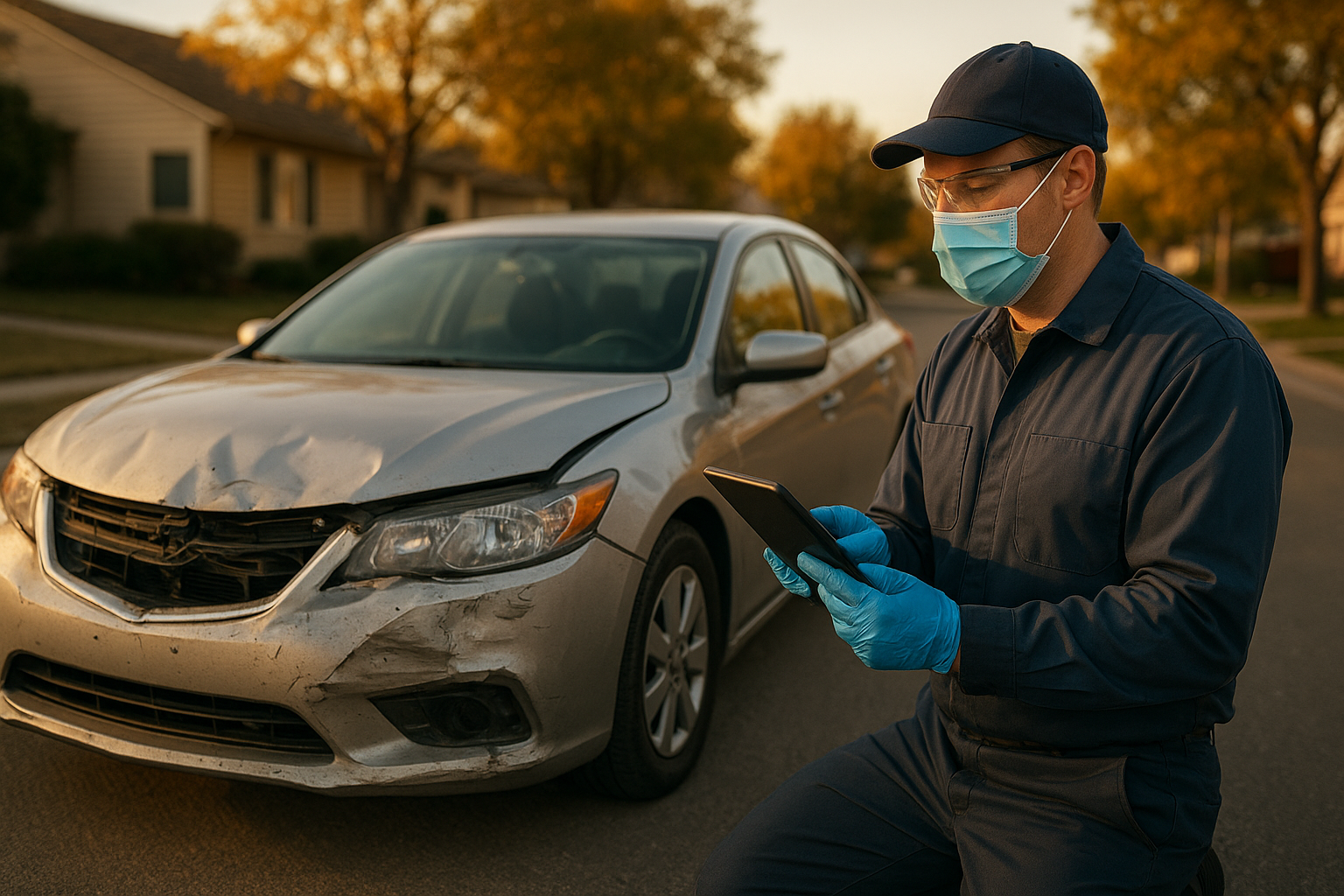
First look matters: a professional assessment can reveal hidden damage you can’t see curbside, and will show whether collision repair after accident is necessary.
If you’ve just asked yourself, “do I need collision repair after accident?”, you’re not alone. Modern vehicles hide complex safety systems behind bumpers, grilles, and glass, so what looks like a harmless scuff can affect airbags, sensors, and structure. This guide walks you through clear checks you can make at home, situations that demand professional repair, how insurance factors in, and what to expect from a proper collision assessment. By Brea Auto Body. Last updated: 2026-08-14.
First 5 minutes: quick safety and damage checks
Before debating repairs, make sure the car is safe to drive. After any impact, look and listen for problems that suggest more than cosmetic damage:
- Fluid leaks or new smells (fuel, coolant, or burnt odor) under the vehicle.
- Warning lights illuminated (airbag/SRS, ABS, lane-keep, forward-collision, tire pressure).
- Steering pull, vibration, or the wheel no longer centered—classic signs of suspension or alignment issues.
- Uneven panel gaps, headlight or bumper out of alignment, hood or doors that don’t close cleanly.
- Cracked or spidered paint—often a clue that the panel flexed or the substrate is compromised.
- Windshield chips near cameras or mirror mounts, which can affect driver-assist calibration.
If any of these appear, the safe answer to “do I need collision repair after accident?” is yes—at least for a professional inspection and estimate.

Misaligned panel gaps and uneven headlights often point to underlying bracket or structural distortion.
When “cosmetic” damage is more than skin deep
It’s true that some marks are cosmetic. Light, fingertip-level scuffs in the clear coat, small paint transfers that rub off with polish, or a hubcap scrape may not require immediate repair. However, today’s plastic bumper covers and grilles hide radar sensors, impact-absorbing foam, and crash brackets. Even a low-speed tap can:
- Crack energy absorbers behind the cover, reducing protection in a future collision.
- Shift a radar bracket by a few millimeters—enough to throw off adaptive cruise or auto braking.
- Distort headlamp or camera aim, compromising night visibility and lane detection.
Bottom line: if the bumper or grille took any hit, assume at least a scan and inspection are needed, even if the paint looks fine.
Safety tech changed the rules: calibrations you can’t skip
Advanced driver assistance systems (ADAS) use cameras, radar, and ultrasonic sensors mounted in the windshield, grille, bumpers, and mirrors. After a crash or glass replacement, these systems often require precise calibration with laser targets or road tests. Skipping calibration can lead to false alerts—or worse, systems that don’t intervene when needed.
A collision-focused shop will perform pre- and post-repair diagnostics, verify OEM procedures, and document calibration results so you retain safety and warranty coverage.

ADAS components hide behind bumpers and glass—calibration restores system accuracy after impact.
Insurance math: should you file a claim or pay out of pocket?
Three numbers drive this decision: your deductible, the estimate, and potential premium impact. As a simple framework:
- If the estimate is only a little above your deductible, paying out of pocket may save you from a rate hike.
- If structural, airbag, or ADAS repairs are involved, prioritize safety and file a claim—these repairs shouldn’t be compromised.
- Ask about rental coverage and whether OEM parts are covered in your policy.
For clarity and documentation, get a written estimate and a damage blueprint from a professional shop before making the call.

A straightforward decision tree helps weigh deductible, safety, and long-term costs.
What a professional collision assessment includes
Quality shops don’t just “eyeball” damage—they document it. Here’s what you should expect from a thorough evaluation:
1) Digital vehicle scan
Pre-repair diagnostics reveal hidden fault codes in airbag, ABS, and ADAS modules that visual checks miss. See auto body repair trends.
2) Structural measurement
Computerized frame or unibody measuring compares your car to OEM specs and identifies even millimeter-level distortion.
3) Alignment and suspension check
Impacts can bend control arms, knuckles, or subframes; a proper check prevents premature tire wear and unsafe handling.
4) OEM repair procedures
Vehicle makers specify materials, weld types, sectioning points, and calibration steps. Following them preserves crash integrity and warranties.
5) Repair plan and documentation
You should receive a line-by-line estimate, parts list (OEM vs. alternative), and a timeline that includes refinishing and blending where needed.
Ready for clarity? Book a professional collision repair inspection to get a comprehensive damage blueprint and an honest estimate.
Can I skip collision repair?
Sometimes, yes—but be selective. You might defer repair when damage is limited to:
- Light clear-coat scuffs that polish out and do not expose color or primer layers.
- Small cosmetic wheel rash that doesn’t affect tire bead or structure.
- Minor interior trim scuffs unrelated to safety systems.
Do not skip repair when you notice any of the following:
- Airbag or seatbelt warnings, or deployed airbags/pretensioners.
- Steering pull, vibration, or uneven tire wear after the incident.
- Fluid leaks, cooling fans running constantly, or overheating.
- Damaged bumper covers in areas where sensors live, even if paint looks intact.
- Doors, hood, or trunk that bind, rub, or don’t seal—water leaks and wind noise are clues.
If any of these apply, the smart move is to stop driving and schedule a professional evaluation.
Choosing the right collision shop
To protect your investment—and your safety—use a shop that:
- Performs pre- and post-repair scans and provides documentation.
- References OEM procedures for your exact year, make, and model.
- Has modern measuring systems and ADAS calibration capability (in-house or verified partner). Learn how to find the best body shop.
- Explains parts choices (OEM, OE-certified alternative, or aftermarket) and finish warranties in writing.
- Communicates timelines clearly and helps navigate your insurance claim.
Many drivers start by requesting an estimate online. You can book an estimate at breaautobody.com and upload photos for a preliminary review before an in-person blueprint.
Answering the question: do I need collision repair after accident?
If there’s any chance of hidden damage—warning lights, poor alignment, misaligned panels, or impact to areas housing sensors—the answer is yes. At minimum, get a professional scan, measurement, and written plan so you can make an informed decision. Skipping critical repairs can raise future costs, void warranties, and compromise your vehicle’s ability to protect you.
Take the next step with confidence: schedule your collision repair assessment today and get back on the road safely.

