


Brea auto paint matching is the difference between a repair that’s invisible and one that quietly announces itself every time you glance at your bumper in the sunlight. For drivers throughout Orange County, getting that finish exactly right after a collision, dent, or weather event isn’t a luxury — it’s the standard that protects both your vehicle’s appearance and its resale value. In this guide, we’ll break down how professional shops achieve a seamless blend, what factors make matching harder than it looks, and how to find a shop in Brea that gets it right the first time.
Quick Answer: Brea auto paint matching uses digital color-scanning tools, factory paint codes, and hand-blended formulas to recreate a vehicle’s exact finish after repair. Technicians then fade the new paint into surrounding panels so the transition is undetectable.
What Is Brea Auto Paint Matching?
Brea auto paint matching is the technical process of recreating a vehicle’s original paint color, tone, and finish so a repaired panel looks untouched. Because factory paint fades and oxidizes unevenly over time, a can of “stock” color rarely matches perfectly straight out of the mixing machine. Instead, technicians rely on digital scanning equipment and hand-adjusted formulas to account for the vehicle’s actual, real-world color rather than the color it left the factory wearing years ago.
This matters most after collision repair, hail damage, or dent removal, when even a small painted panel needs to disappear into the rest of the car. As a result, shops that specialize in this work invest heavily in color-matching technology and ongoing technician training.
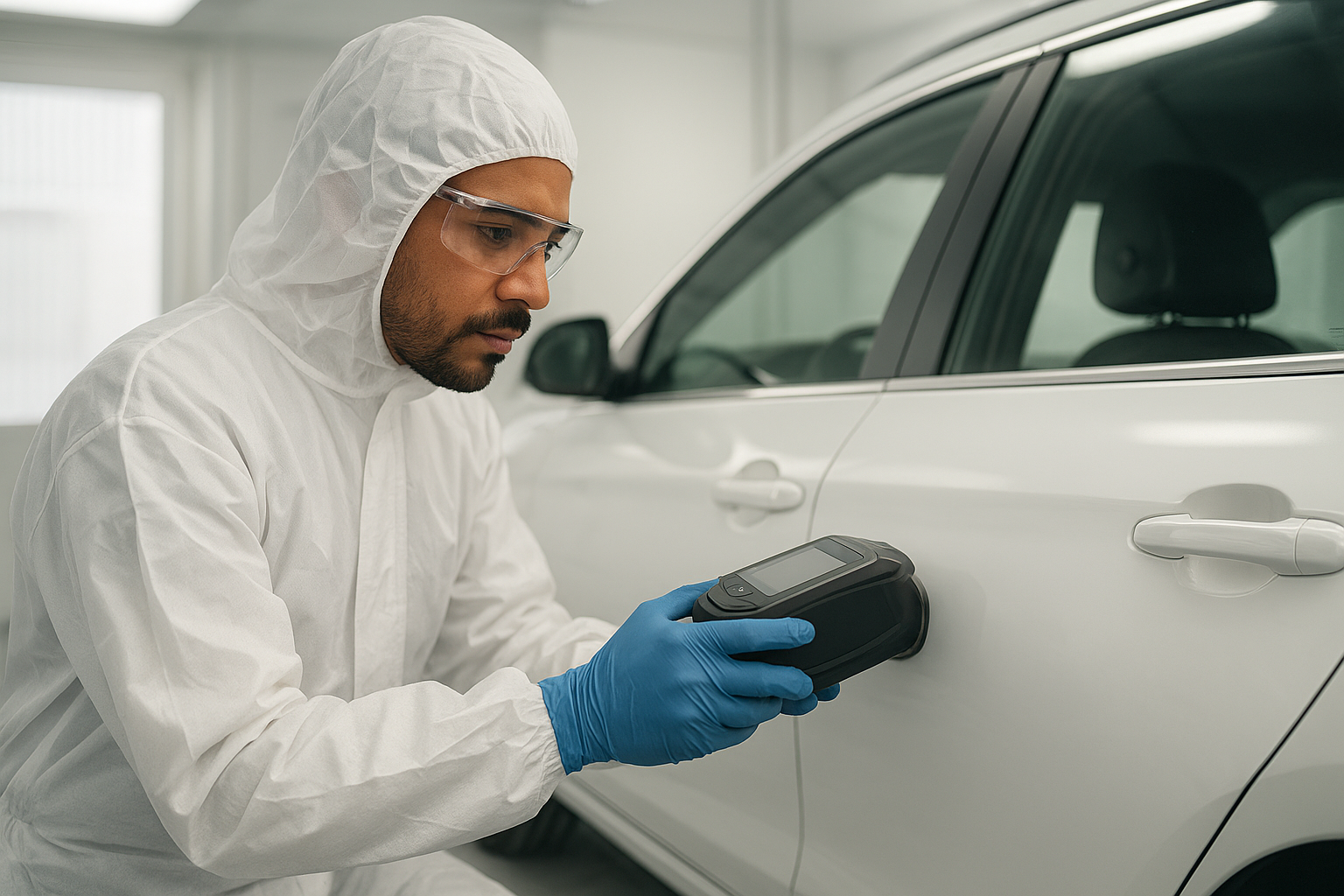
Digital color scanning is the first step in accurate Brea auto paint matching.
Why Precise Color Matching Matters After Collision Repair
A mismatched panel is one of the fastest ways to spot that a car has been repaired, and that visibility can affect resale value and buyer confidence. Furthermore, an inconsistent finish often signals rushed workmanship, which can raise questions about whether other repairs were done correctly underneath the surface.
In addition, a poor match can create uneven gloss levels that become more obvious under direct sunlight or at night under streetlights. Consequently, drivers who care about long-term vehicle condition should treat paint accuracy as seriously as structural repair quality. According to Wikipedia’s overview of automotive paint, modern factory finishes involve multiple layered coatings, which is exactly why replicating them requires specialized tools rather than guesswork.
The Step-by-Step Auto Paint Matching Process
Professional shops follow a consistent, repeatable process to achieve accurate results. Below is the typical sequence technicians use for high-quality paint blending:
- Identify the factory color code. Technicians locate the paint code on the vehicle’s door jamb or manufacturer plate as a starting reference point.
- Scan the panel with a spectrophotometer. This device reads the vehicle’s actual current color, factoring in years of sun exposure and oxidation.
- Mix and test the custom formula. The formula is sprayed onto a test card and compared to the car in natural daylight before full application.
- Apply and blend the basecoat. Paint is applied to the repaired panel and gradually faded into neighboring panels to eliminate visible edges.
- Apply clearcoat and cure fully. A protective topcoat locks in gloss and color stability, typically requiring several hours of controlled curing time.
Notably, skipping the test spray-out step is one of the most common shortcuts that leads to a visible mismatch later.
Factors That Influence Paint Match Accuracy
Several variables affect how difficult a paint match will be, and understanding them helps set realistic expectations. For instance, metallic and pearl finishes are considerably harder to match than solid colors because they reflect light differently depending on viewing angle. Similarly, older vehicles with more sun exposure often have paint that has faded unevenly across different panels, which adds complexity.
Weather conditions during application also play a role; humidity and temperature can affect how paint cures and settles. Above all, the technician’s experience with blending techniques often makes the biggest difference in the final outcome. Industry training organizations such as I-CAR emphasize that ongoing certification in refinishing techniques directly correlates with fewer comeback repairs due to color mismatches.
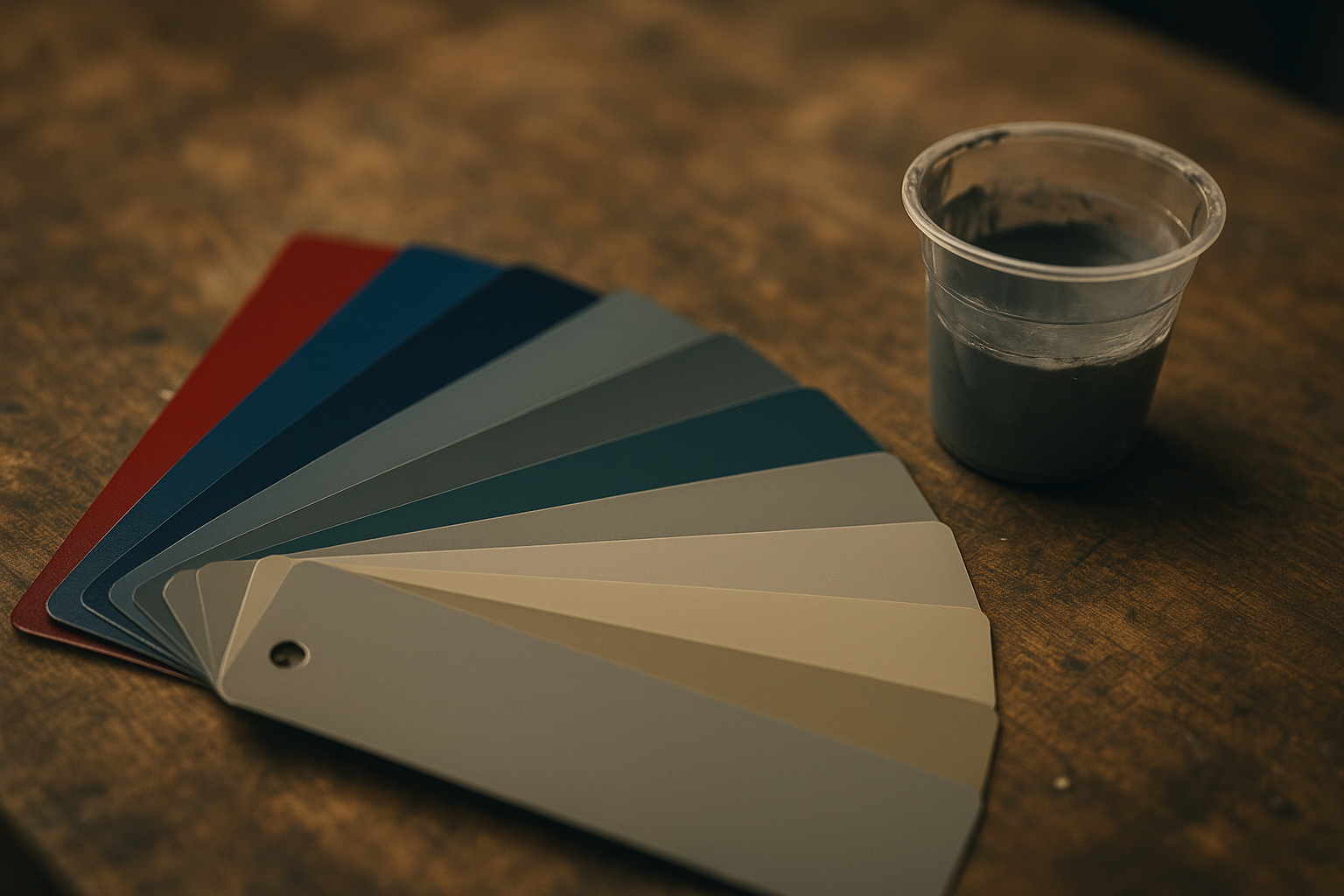
Comparing swatch cards helps technicians fine-tune the final color before application.
Finding Trusted Paint Matching Services in Brea
When searching for a shop, it helps to ask specific questions rather than relying on general reputation alone. Therefore, consider asking whether the shop uses digital spectrophotometer scanning, how they handle test spray-outs, and whether they offer a written warranty on paint work.
Local drivers frequently reference resources such as this breakdown of recommended shops for advanced paint matching or a local directory of paint matching services in Brea when comparing options. Similarly, those searching nearby often ask where to find a trusted local body shop near Brea before scheduling an estimate.
As a certified auto body facility serving Brea and the surrounding Orange County area, this shop’s technicians handle collision repair, dent removal, and advanced paint matching for both domestic and foreign vehicles. You can review examples of completed work directly at breaautobody.com before requesting an estimate. For a deeper walkthrough, see our Brea Auto Service: The Complete Guide to Collision, Body & Mechanical Repair in .
Common Paint Matching Mistakes to Avoid
Even experienced shops can run into trouble if certain steps get rushed. In particular, applying paint without a proper test spray-out often leads to a visible tone difference once the panel cures. Similarly, skipping the blending step into adjacent panels can leave a hard edge that catches the eye immediately.
Another frequent mistake involves ignoring environmental regulations during spraying, which can affect both paint quality and workplace safety. The EPA’s emission standards for auto body refinishing require enclosed spray booths partly because uncontrolled application can also introduce debris into fresh paint, creating texture problems along with color inconsistency.
How Much Does Auto Paint Color Matching Cost in Brea?
Pricing depends on panel size, paint type, and whether insurance is covering the claim. Generally, a single small panel repair costs a few hundred dollars, while multi-panel blending across a bumper and adjacent fender can run over a thousand dollars. Metallic and pearl finishes typically add cost due to the extra testing required to achieve an accurate match.
For insurance-related repairs, most policies covering collision damage will also include paint matching as part of the claim. Consequently, it’s worth confirming coverage details with your adjuster before authorizing work, since out-of-pocket costs can vary significantly between shops.
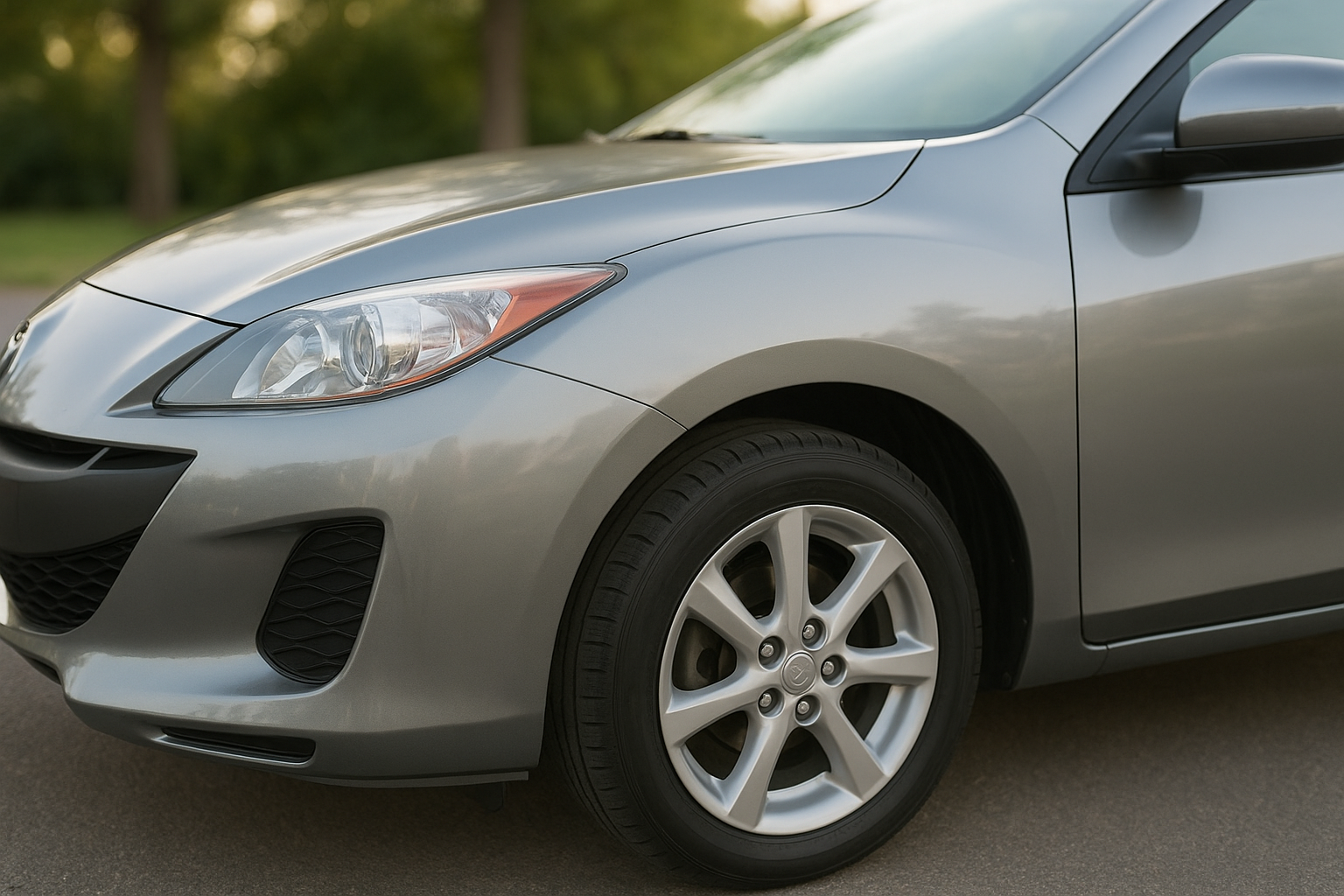
A properly executed repair leaves no visible trace of the original damage.
Frequently Asked Questions About Brea Auto Paint Matching
What is Brea auto paint matching?
Brea auto paint matching is the process of blending new paint with a vehicle’s existing factory finish so the repaired area is invisible. Technicians use color codes, digital scanning tools, and hand-mixed formulas to achieve a seamless result.
How long does a professional paint match take to complete?
Most paint matching jobs take between one and three days, depending on the size of the repair and paint curing time. Complex metallic or pearl finishes may add extra time for test spray-outs.
Why does paint color shift or fade over time?
Sunlight exposure, weather, and oxidation gradually change a vehicle’s paint tone over years of use. This is why technicians often blend new paint into adjacent panels rather than matching a single spot.
What is the difference between a paint match and a full respray?
A paint match blends new color into a specific damaged area, while a full respray recoats an entire panel or the whole vehicle. Matching is faster and more cost-effective for localized repairs.
How much does auto paint color matching typically cost?
Costs vary based on damage size, paint type, and labor, but small panel repairs often range from a few hundred dollars up to over a thousand for multi-panel blending. Insurance may cover the cost after a covered collision.
Can any body shop perform accurate paint matching?
Not every shop has the equipment or training for precise color matching. Facilities that invest in spectrophotometers and certified technicians consistently deliver more accurate, long-lasting results.
What causes a poor paint match after collision repair?
Common causes include skipping the test spray-out step, using outdated color formulas, or failing to blend into surrounding panels. Rushed prep work and low-quality paint can also create visible mismatches.
How do technicians blend paint into surrounding panels?
Technicians gradually fade new paint into adjacent factory panels using diminishing coats and clear blending techniques. This softens any subtle tone difference so the transition is undetectable to the eye.
Does the type of paint affect matching difficulty?
Yes, metallic and pearl finishes are harder to match than solid colors because they reflect light differently at various angles. These finishes usually require additional test panels before final application.
What should I look for when choosing a shop for Brea auto paint matching?
Look for certified technicians, digital color-matching technology, and a portfolio of completed repairs. A reputable shop will also offer a written warranty on paint and labor, similar to the options described at this overview of advanced paint matching services Brea drivers trust.
Will my insurance cover paint matching after an accident?
Most insurance policies cover paint matching as part of a covered collision repair claim. It is best to confirm coverage details with your adjuster before authorizing work.
How can I tell if a paint job was blended correctly?
Inspect the repaired panel under natural daylight and from multiple angles for any visible edge or tone shift. A correctly blended repair should look identical to the surrounding factory paint.
What is a spectrophotometer and why is it used in paint matching?
A spectrophotometer is a handheld device that reads the exact color, tone, and finish of a vehicle’s paint. It removes guesswork by generating a precise digital formula for the paint mixing system.
How often should paint match results be inspected before final approval?
Technicians should inspect the match at least twice: once after the test spray-out and again after the final clearcoat cures. This two-step check catches most color inconsistencies before the vehicle is returned. For more on where to schedule this kind of inspection locally, see this guide on getting advanced paint matching for your car.
Final Thoughts on Getting the Right Match
In summary, Brea auto paint matching combines careful color science with skilled hand application to make repairs disappear entirely. Whether you’re dealing with a minor scuff or a larger collision repair, choosing a shop that uses digital scanning technology, proper blending techniques, and thorough final inspections will make the biggest difference in your results. As a result, taking the time to ask the right questions before booking a repair can save both money and frustration down the road, ensuring your vehicle leaves the shop looking exactly as it should.

