

The Best Body Shop for Insurance Claims: A 2026 Guide to Stress?Free Collision Repair

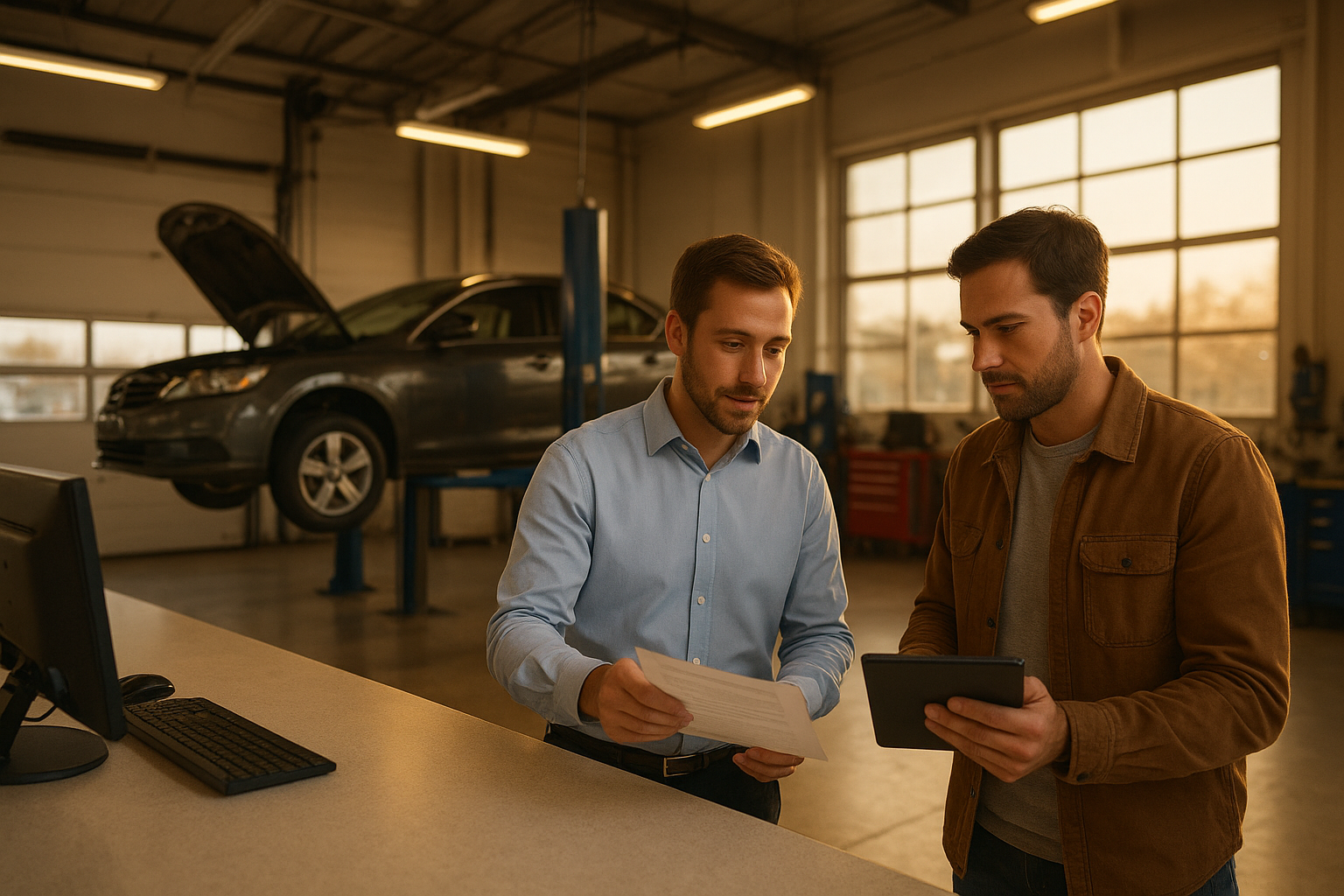
Finding the best body shop for insurance claims starts with clear communication and a transparent repair plan.
If you’ve just had a fender?bender or a major collision, your search history likely reads: “best body shop for insurance claims.” Choosing the right collision center determines how quickly your car is repaired, how well it’s restored to pre?loss condition, and how painless your claim feels from start to finish. This guide explains what “best” truly means in the context of insurance, how the claims process should work at a high?performing shop, and what to ask before you authorize repairs.
What “Best” Really Means When You’re Filing an Insurance Claim
The best body shop for insurance claims isn’t simply the cheapest estimate or the closest location. It’s the facility that blends insurance expertise with uncompromising repair quality and proactive communication. Look for these hallmarks:
1) Insurance fluency without sacrificing your rights
Top shops speak the language of adjusters—supplements, labor operations, parts pricing—yet keep you at the center of decisions. They’ll explain your options clearly, including OEM vs. aftermarket parts, and confirm you can choose the repairer you trust regardless of insurer preferences in your state.
2) Accurate, data?driven estimates
Quality estimates are built on OEM repair procedures and digital diagnostics, not guesswork. Expect pre?scans to identify hidden issues, a disassembly (teardown) before finalizing costs, and documented supplements when additional damage is found.
3) Advanced tech and calibrations
Modern vehicles rely on ADAS sensors and cameras. The right shop performs calibrations and post?scans and provides proof—before and after—to verify all systems function properly after repairs.
4) Clear timelines and proactive updates
Cycle time matters. The best facilities set expectations, update you at meaningful milestones (parts arrival, approvals, paint, reassembly), and coordinate rentals so you’re never guessing what comes next.
5) Documented quality and meaningful warranties
Look for a lifetime workmanship warranty, written repair documentation, and photos of critical steps. It’s not just about getting you back on the road; it’s about confidence that the job was done right.
How the Insurance Claim Process Works with a Quality Body Shop
When you partner with a high?performing repairer, the claim moves in a predictable, transparent sequence that minimizes surprises and delays.

An organized claim and repair workflow keeps your schedule—and your vehicle—on track.
Intake and claim setup: You bring the vehicle in (or it’s towed). The shop helps reference your claim number, reviews coverage details, and notes any liability questions.
Initial estimate and photos: The advisor captures images and creates a preliminary estimate for your insurer’s review. They’ll explain that unseen damage is common until components are removed.
Disassembly and diagnostics: After approval to proceed, the vehicle is disassembled to expose structural and mechanical areas. Pre? and post?scans identify fault codes; a refined estimate (supplement) is submitted as needed.
Parts strategy: The shop recommends OEM, aftermarket, or recycled parts per policy, safety, availability, and your preferences. The best body shop for insurance claims documents why each choice supports a safe repair.
Structural, mechanical, and paint: Technicians follow OEM procedures—welding parameters, adhesives, seam sealing, corrosion protection—then refinish in a controlled booth to meet color and gloss standards.
Calibrations and road tests: Cameras, radar, and sensors are calibrated in?house or with a trusted mobile specialist. Road tests confirm drivability and safety systems.
Quality control and delivery: Final inspections verify panel fit, electronics, and finish quality. You review the invoice, sign off, and receive warranty documentation.
DRP vs. Independent: Which Route Leads to the “Best” Result?
Many insurers maintain Direct Repair Program (DRP) networks—pre?vetted shops that can streamline estimates, approvals, and billing. DRP shops may expedite logistics thanks to established relationships and electronic workflows. Independent shops outside DRP networks can be equally excellent, especially when they prioritize OEM procedures and strong documentation. Your legal right to choose a repairer typically remains intact; the best decision is the facility demonstrating transparent estimates, proper diagnostics, and consistent communication.

DRP and independent shops can both deliver great results—the winner is the one that proves process, quality, and communication.
Regardless of network status, insist on evidence: OEM procedure printouts, scan reports, calibration sheets, and a written warranty. A shop willing to show its work is a shop you can trust.
Questions to Ask Before You Authorize Repairs
Targeted questions reveal whether a facility truly acts as your advocate during the claim:
How will you communicate supplements and approvals? You want a clear, timestamped process so nothing stalls in limbo.
Do you perform ADAS calibrations and post?scans? If not in?house, who handles them and how are results documented?
What’s your parts philosophy? Ask when they recommend OEM, recycled, or aftermarket and how they document safety?critical choices.
What’s your average cycle time for repairs like mine? Specific timelines by repair category show operational maturity.
What does your warranty cover? A lifetime workmanship warranty with clear terms is a strong signal of quality.

Digitally documented scans and calibrations are non?negotiable for safe, modern repairs.
Why Local Reputation Matters—and Where to Start
Online reviews, photo galleries of real repairs, and satisfied referrals from local dealerships or fleets can help confirm you’re choosing wisely. If you’re comparing options and want a team that emphasizes claim coordination and OEM?informed repairs, explore Brea Auto Body—a resource for drivers seeking an insurance?claim?friendly collision repair experience. Review their approach, contact the shop with specific questions, and verify their documentation standards align with your expectations.
Red Flags That Slow Claims and Inflate Costs
Avoid shops that promise “no supplements” before teardown—this often means they won’t fully inspect hidden damage. Be wary of facilities that won’t provide scan or calibration evidence, refuse to discuss OEM procedures, or can’t outline a realistic timeline. The best body shop for insurance claims is transparent when parts are delayed, communicates insurer feedback promptly, and never pressures you to skip safety?critical steps to “save time.”
Your Next Steps: Turn a Bad Day into a Smooth Repair
Accidents are stressful, but your claim doesn’t have to be. Choose a repair partner that proves its process, keeps you informed, and advocates for safe, complete repairs. Start by contacting a reputable local shop, asking the questions above, and requesting documentation samples. If you’re in the market now, you can begin your research with Brea Auto Body’s customer?first collision repair team and compare their process to other shops on your shortlist. The right decision today sets you up for a faster, safer return to the road.

