

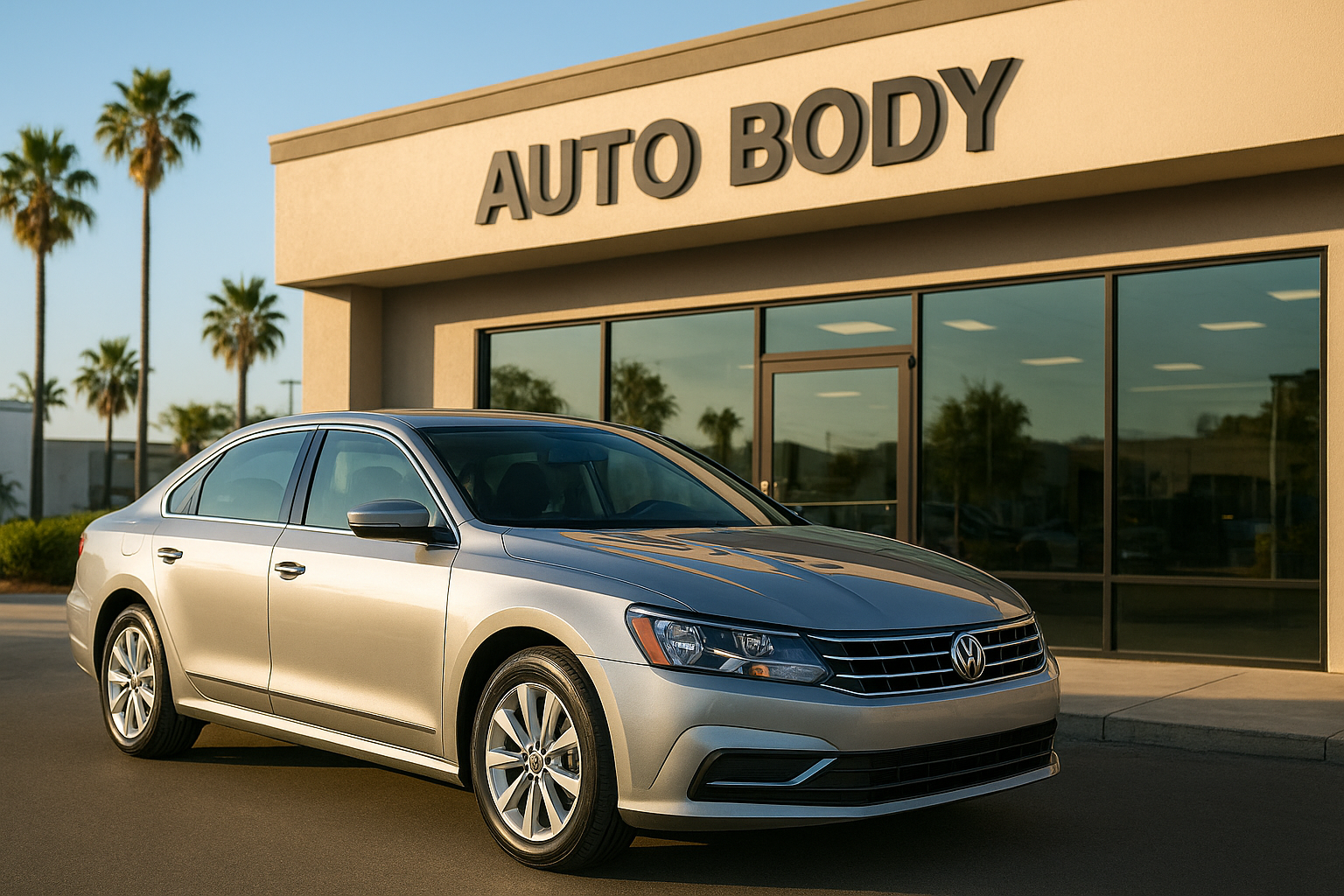
Collision Repair Warranty Orange County: essential facts every driver should know.
Collision Repair Warranty in Orange County: The Complete Driver’s Guide
“A collision repair warranty is not a bonus feature — it is your single most important protection after an accident. Know what it covers, what it excludes, and how to enforce it before you hand over your keys.”
A Car Collision Repair Orange County is a written guarantee from an auto body shop promising that its workmanship, materials, and parts will remain free of defects for a defined period. Whether your vehicle was clipped on the 405 or sustained serious frame damage in a multi-car accident, understanding exactly what your warranty covers — before repairs begin — is the most important consumer decision you can make. This guide goes deeper than any other resource available: covering what is and is not protected, how California law backs you up, what duration benchmarks mean, how insurance affects your warranty rights, how to file a claim, and how to identify shops that genuinely stand behind their work in Orange County.
Quick Answer
A collision repair warranty in Orange County guarantees the shop’s workmanship — including paint, bodywork, structural repairs, and parts — typically ranging from one year to a lifetime. Reputable shops provide this guarantee in writing, covering defects caused by the repair itself, not new damage or pre-existing conditions. California law gives you the right to choose any licensed shop and demand written documentation at every stage.
What Is a Collision Repair Warranty in Orange County?
A collision repair warranty is a formal, enforceable commitment from your auto body shop that the repairs completed on your vehicle will hold up against defects in workmanship, materials, and installed parts for a clearly stated period of time. If something fails because of how the shop did its work — not because of a new accident or misuse — the shop is obligated to correct the problem at no cost to you. See our car collision repair guide for costs and timeline details.
These warranties matter especially in Southern California, where intense UV radiation along the coast, salt air from Huntington Beach to Dana Point, temperature swings in inland areas like Brea and Anaheim Hills, and relentless freeway traffic all accelerate wear on vehicle finishes and structural repairs. A warranty that holds up under those real-world conditions is fundamentally different from a vague verbal assurance you cannot enforce. Related reading: Hail Damage Repair Orange County — weather-related repair considerations.
There are two broad types of collision repair warranties you will encounter in Orange County:
- Shop Warranty — Provided directly by the auto body shop, covering their labor, technique, and workmanship. This is the warranty that matters most and is entirely within the shop’s control to offer and honor.
- Parts Warranty — Provided by the manufacturer of replacement parts. If an OEM (Original Equipment Manufacturer) part is installed, it may carry its own separate manufacturer warranty. Aftermarket parts warranties vary widely in reliability.
Understanding the difference matters when a problem arises: workmanship defects fall on the shop, while parts defects may involve the manufacturer. A good shop will navigate this process on your behalf rather than leaving you to figure it out alone.
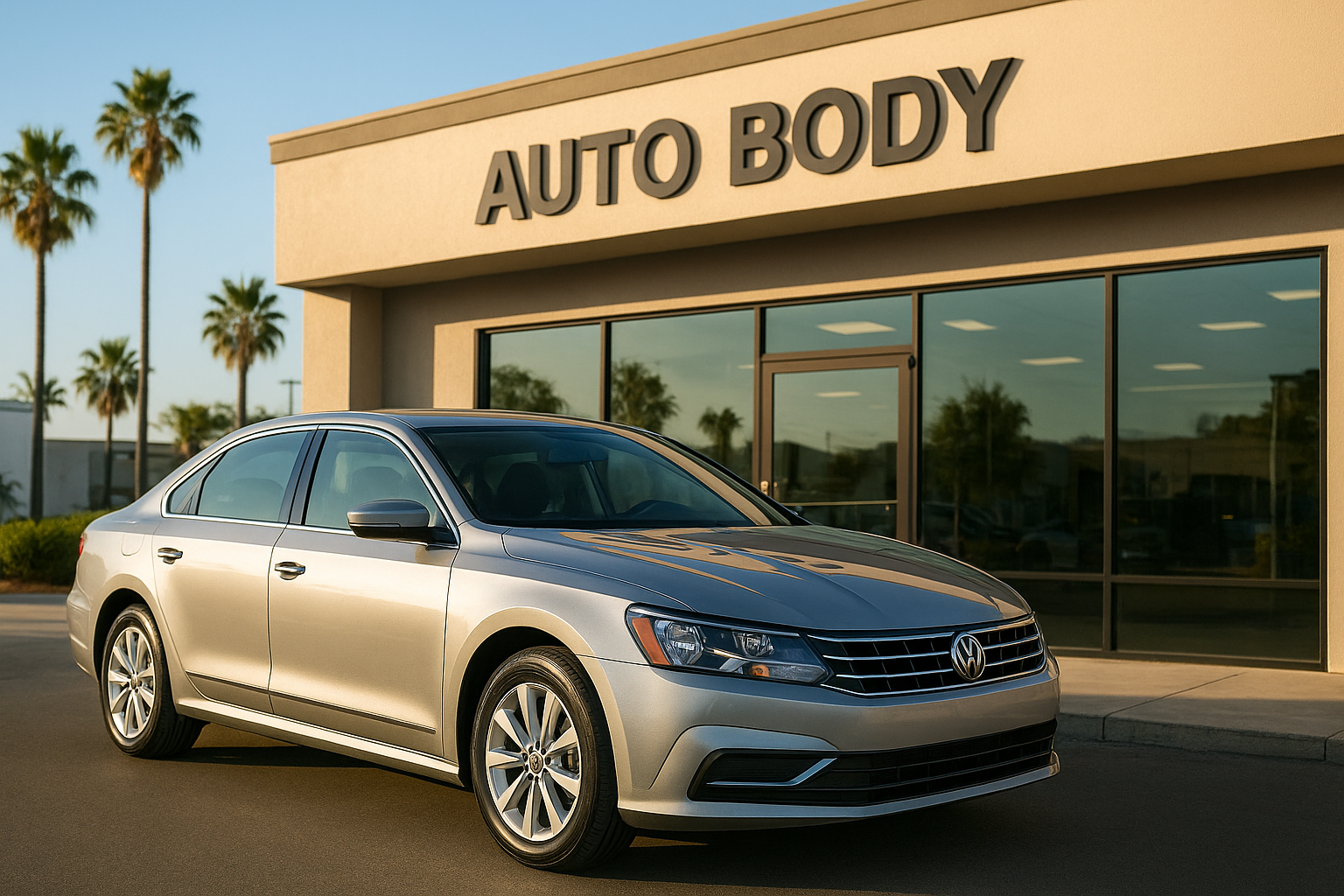
Choosing a reputable shop with a solid collision repair guide in Orange County protects your investment long after you drive away.
What Does a Collision Repair Warranty Cover?
Coverage varies by shop, but any credible auto body warranty in Orange County should explicitly protect the following categories of work:
- Paint and finish quality — Peeling clear coat, bubbling, color mismatch, uneven texture, or premature fading directly attributable to the shop’s application process or materials.
- Panel alignment and fitment — Doors, hoods, fenders, trunk lids, or bumpers that do not align to factory specification after repair — gaps, misalignment, or parts that don’t close properly.
- Structural and frame integrity — Any deviation from manufacturer specifications in frame straightening or unibody repair. Improper frame work affects vehicle safety and handling and must be corrected at no charge.
- Replacement parts — Defects in the parts installed during your repair, particularly OEM components. The shop should be responsible for making this right regardless of whether the failure is their labor or the part itself.
- Mechanical work tied to collision damage — Suspension components, steering systems, cooling systems, or other mechanical elements repaired as a result of the accident should fall under the warranty if the shop performed that work.
- Adhesives, sealants, and corrosion protection — If the shop applied anti-corrosion coatings, seam sealers, or undercoating as part of the repair, those should be warranted against premature failure.
What Is NOT Covered by a Collision Repair Warranty
Exclusions are just as important as inclusions. Standard limitations in most Orange County auto body warranties include:
- Damage from a new accident or collision occurring after the original repair
- Normal wear and tear on repaired surfaces over time
- Rust or corrosion originating from pre-existing damage or areas not addressed in the repair order
- Damage resulting from improper washing, abrasive products, chemical exposure, or owner neglect after pickup
- Repairs or modifications made by another shop after your original repair — this typically voids the original warranty
- Hail, vandalism, or environmental damage occurring after the repair is completed
- Conditions that were documented as pre-existing on your repair order and not included in the agreed scope of work
Pro Tip
Review the repair order carefully before you sign it. Any pre-existing damage that is documented and excluded from the repair scope will likely be excluded from warranty coverage as well. Make sure the scope of work matches what you were told verbally — in writing, before work begins.
How Long Should a Collision Repair Warranty Last?
Warranty duration is the clearest signal of how confident a shop is in its own craftsmanship. Here is what warranty length actually means in the Orange County collision repair market:
Under 1 Year
A red flag. Avoid any shop that offers less than a one-year warranty on bodywork and paint.
1 Year
Minimum acceptable. Common at lower-cost shops or for very minor touch-up work.
3–5 Years
Standard at mid-tier and insurance-preferred shops. Indicates quality materials and process.
Lifetime
The gold standard. Offered by top-rated independent shops with certified technicians and premium materials.
A lifetime warranty on paint and bodywork is increasingly offered by high-quality independent shops in Orange County. When a shop offers this, it reflects genuine confidence: they use premium materials, employ certified technicians, and follow documented procedures that produce repeatable results. When you see a lifetime warranty backed by written terms, it is a shop that has invested in doing the job right — because redoing a job eats directly into their margin.
Is a Lifetime Warranty Actually Enforceable?
This is a question many drivers never think to ask. A lifetime warranty is only as good as the shop that offers it. If a shop closes, changes ownership without honoring prior commitments, or operates with no verifiable track record, the warranty has no practical value. Before placing weight on a lifetime guarantee, verify:
- The shop has been in business for multiple years with consistent ownership
- The warranty is written into your repair order or a separate warranty document
- The shop is licensed by the California Bureau of Automotive Repair (BAR)
- You have a contact name and process for making a warranty claim documented on paper
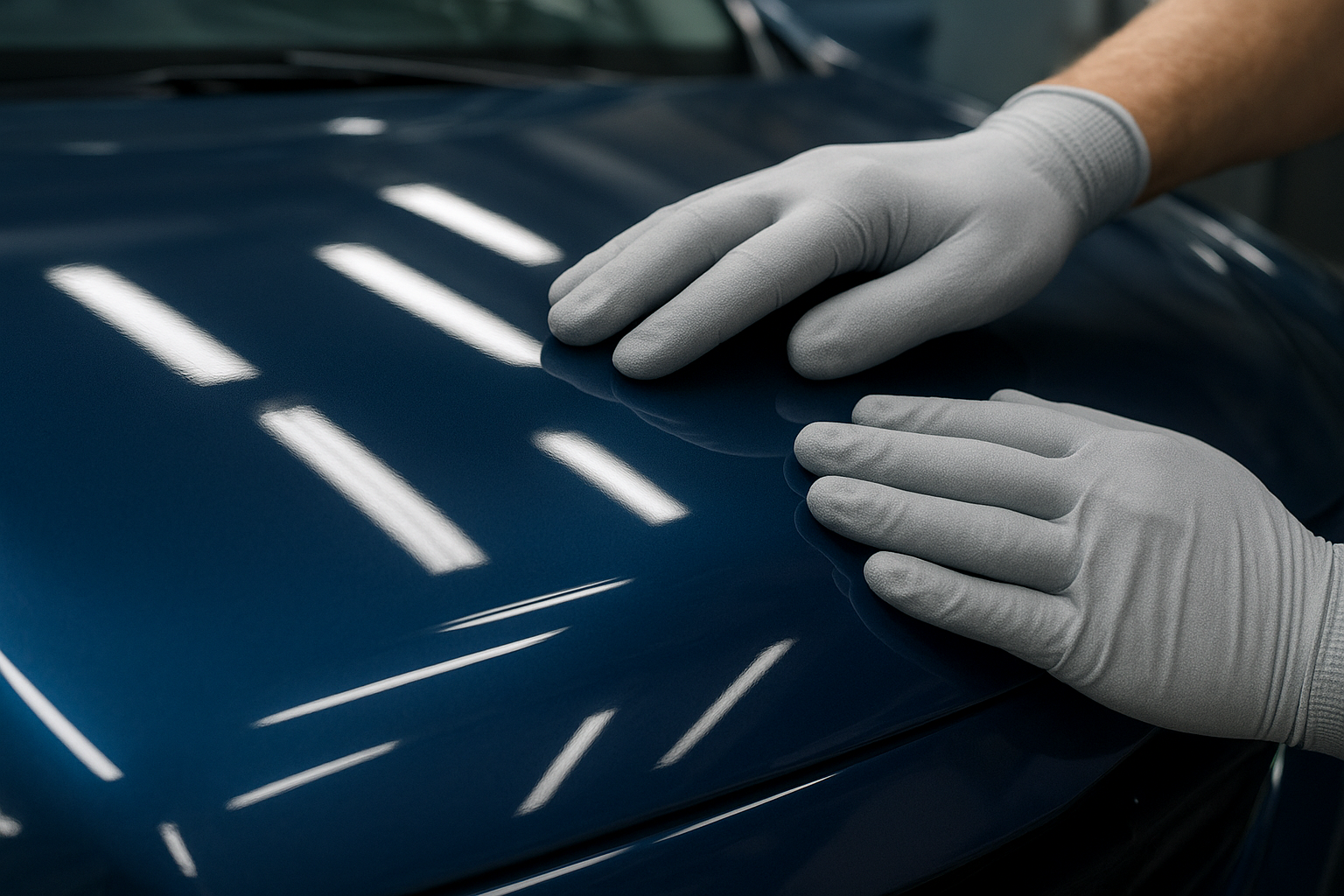
Thorough paint inspection is a hallmark of shops that confidently back their collision repair warranty with long-term guarantees.
Your Rights as a California Vehicle Owner
California has some of the strongest consumer protection laws for auto repair in the United States. These rights apply directly to every Orange County driver seeking collision repair — and knowing them gives you significant leverage in any warranty dispute.
California Business and Professions Code Section 9884
Under California Business and Professions Code Section 9884, auto repair dealers are required to:
- Provide a written estimate before beginning any repair work
- Obtain your authorization (written or documented oral) before performing repairs
- Return any replaced parts upon your request
- Provide an itemized invoice that matches the authorized estimate
- Disclose whether new, used, rebuilt, or aftermarket parts were used in the repair
Your Right to Choose Your Own Repair Shop
This is one of the most frequently misunderstood consumer rights in California. Your insurance company cannot legally force you to use their preferred or “direct repair program” shop. You have the absolute right to choose any Orange County body shop, and your insurer must work with that shop. This matters for warranty purposes because:
- Your warranty is between you and the repair shop — not your insurance company
- Some insurer-preferred shops offer supplemental warranties backed by the insurer, but these can limit your options and may not be as comprehensive as a shop’s own lifetime guarantee
- Choosing an independent shop with a strong warranty can result in better workmanship and longer-lasting protection
Parts Disclosure Rights
California law requires shops to disclose whether they are using OEM, aftermarket, recycled (used), or remanufactured parts. This disclosure matters for warranty purposes: OEM parts carry manufacturer warranties and are engineered to fit your specific vehicle precisely. Aftermarket parts vary significantly in quality, and their warranties — if any — are provided by the aftermarket manufacturer, not the shop or your vehicle’s manufacturer.
California BAR Consumer Resource
The California Bureau of Automotive Repair maintains a public license lookup, accepts consumer complaints, and can investigate shops that refuse valid warranty claims. Bookmark this resource before you need it.
OEM vs. Aftermarket Parts: How Parts Choice Affects Your Warranty
The type of parts used in your collision repair has a direct impact on the quality and enforceability of your warranty. This is a topic many shops gloss over, but it is critical to understand before authorizing any repair.
OEM Parts
- Made by your vehicle’s manufacturer to exact specifications
- Fit, finish, and durability match original vehicle quality
- Often carry separate manufacturer warranty coverage
- Preferred by most certified repair shops
- Higher cost but stronger long-term warranty support
Aftermarket Parts
- Made by third-party manufacturers — quality varies widely
- Fit and finish may not match original specifications precisely
- Warranties provided by the part manufacturer, if at all
- Lower upfront cost but potential for higher long-term issues
- Insurance companies often prefer these to reduce claim costs
If your insurance company insists on aftermarket parts and the repair fails due to a part defect, the warranty responsibility may fall on the aftermarket manufacturer — a dispute process that can take significant time. Shops that use OEM parts can stand behind their full warranty without this ambiguity.
How Insurance Affects Your Collision Repair Warranty
Understanding the relationship between your insurance claim and your repair warranty is essential — and often misrepresented by both insurers and shops. Here is how it actually works: For broader collision repair logistics see Accident Repair Orange County.
Insurance-Backed Warranties vs. Shop Warranties
Some major insurers — particularly those running Direct Repair Programs (DRP) — offer their own warranty on repairs completed through their preferred shop network. These are sometimes marketed as broader or more convenient than a shop’s own warranty. However, there are important trade-offs:
- Convenience vs. control: DRP shops are vetted by the insurer for cost efficiency — not necessarily for quality. The insurer’s warranty may not be as comprehensive as a top independent shop’s lifetime guarantee.
- Claims process: Filing a warranty claim through an insurer-backed warranty means dealing with the insurance company first, which adds steps and potential friction.
- Parts decisions: DRP shops often follow insurer guidelines on parts selection, which may default to aftermarket parts to reduce costs — affecting the long-term durability of the repair.
What Happens When the Insurance Estimate Is Too Low?
A common scenario in Orange County: an insurer issues a repair estimate that does not cover the full cost of properly restoring the vehicle to pre-accident condition. A shop that accepts low insurance payouts may cut corners — using inferior materials or skipping steps — which directly undermines the quality behind any warranty they offer. A shop that genuinely stands behind its warranty will supplement the claim with a proper estimate and negotiate with the insurer on your behalf rather than reducing repair quality to fit a low check.
What to Look for When Choosing a Shop in Orange County
Not all warranties are created equal, and not all shops are equally capable of honoring them. When evaluating collision repair shops in Orange County, use these criteria to identify shops that genuinely back their work: Learn more about Auto Body Orange County best practices.
Written Warranty Documentation
The warranty must be clearly stated on your repair order or a separate signed document. Vague verbal assurances are unenforceable. Ask for it in writing every time — a quality shop will never hesitate.
I-CAR Gold Class or ASE Certification
I-CAR Gold Class is the collision repair industry’s highest shop-level recognition. ASE certification applies to individual technicians. Both indicate ongoing training and adherence to industry repair standards — a direct foundation for warranty-quality work.
OEM or Manufacturer-Approved Parts
Shops that commit to OEM or equivalent parts can warranty their work without the ambiguity of aftermarket quality variance. Ask specifically what parts will be used before authorizing work.
Verifiable Local Reputation and Track Record
An Orange County body shop with hundreds of verified Google reviews, Yelp history, and multi-year community presence is far more likely to honor long-term warranty commitments than a new or transient operation. Check both volume and recency of reviews.
Transparent, Specific Warranty Terms
Ask directly: What is covered? What is excluded? How long does it last? Is it transferable? How do I make a claim? A shop that answers these questions clearly and confidently — without deflection — is one worth trusting.
California BAR License Verification
Every auto body shop operating in California must hold a valid Bureau of Automotive Repair license. Verify the shop’s license status at the BAR website before authorizing any work. An unlicensed shop offers you no warranty protection and no regulatory recourse.
Questions to Ask Before Signing Any Repair Authorization
Before you authorize any collision repair in Orange County, use these specific questions to qualify the shop’s warranty and protect your rights:
- “Can I see your warranty in writing before I sign?” — Any reputable shop will provide this without hesitation. If they resist, walk away.
- “Does your warranty cover paint, bodywork, and structural repairs separately or together?” — Some shops have different durations for different repair types. Know what applies to your specific repair.
- “Are you using OEM, aftermarket, or recycled parts — and which parts carry their own warranty?” — California law requires disclosure, but asking directly ensures you have a clear answer on record.
- “Is this warranty transferable if I sell the vehicle?” — A transferable warranty adds resale value to your car and should be documented in writing.
- “What is the process for making a warranty claim?” — Understanding the claim process upfront tells you whether the shop treats warranty work as a genuine commitment or an afterthought.
- “Are your technicians I-CAR Gold Class or ASE certified?” — Certified technicians are trained to manufacturer repair standards, which directly supports the durability of warranted work.
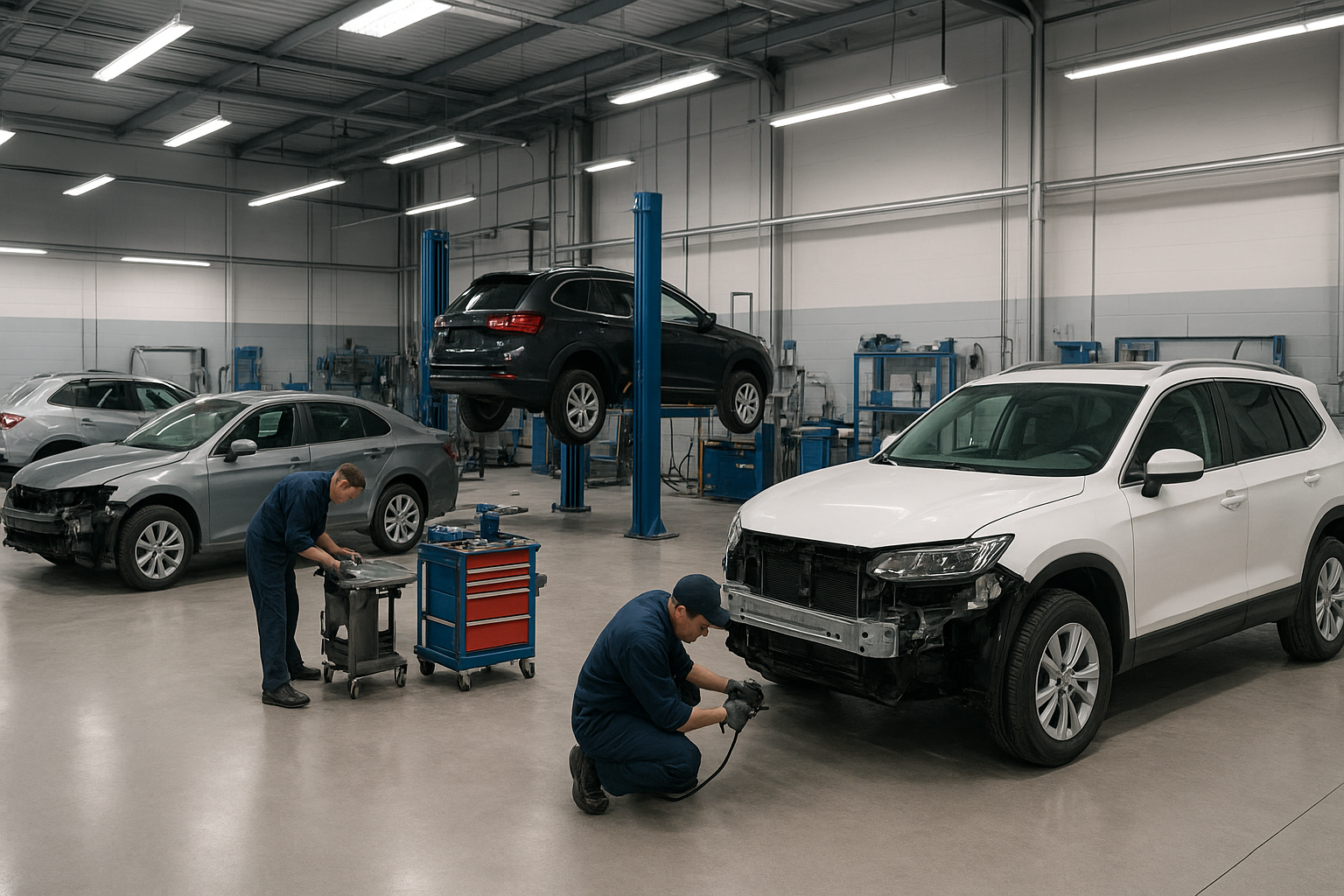
A well-equipped, organized shop with certified technicians is the strongest indicator that your collision repair warranty will be honored.
How to Make a Warranty Claim: Step-by-Step
If you believe a repair issue falls under your collision repair warranty, find a free estimate and follow the exact process most Orange County shops follow — and what you should do at each stage:
- Document the issue thoroughly. Take high-resolution photographs of the problem area in natural daylight from multiple angles. Note the exact date you first observed the issue and whether it appeared gradually or suddenly. Written documentation is your strongest tool if any dispute arises.
- Locate your repair order and warranty documentation. Your original repair order is legal proof of the work performed, the parts used, and the warranty terms agreed upon. If a separate warranty document was provided, locate both.
- Contact the shop directly and calmly. Call or visit the shop during business hours, explain the issue clearly, and reference your repair order by number. Ask to speak with the shop manager or service writer, not just the front desk. Most reputable shops will schedule an inspection within days.
- Get the inspection and corrective plan in writing. Once the shop agrees to inspect the issue, ask them to document their findings and the proposed corrective action in writing. This protects you if the repair takes time or requires follow-up.
- Confirm the warranty repair in writing before authorizing it. Just as with your original repair, get a written authorization for the warranty work. Confirm that you will not be charged for covered warranty repairs and note the expected timeline.
- Escalate if the shop refuses a legitimate claim. If the shop denies a valid warranty claim without clear justification, you have formal options: file a consumer complaint with the California Bureau of Automotive Repair (BAR), contact your state insurance commissioner if the claim involves insurer interference, seek third-party mediation, or pursue the matter in small claims court if the repair value qualifies.
Important Note
Never allow another shop to perform repairs on the same areas covered by your original warranty without first consulting the warranting shop. Work performed by a third party on warranted areas almost always voids the original warranty, regardless of the reason the secondary repair was needed.
What Happens to Your Warranty if You Sell Your Vehicle?
Warranty transferability is a feature that adds real monetary value to your vehicle at the time of resale, yet it is almost never discussed proactively by shops or insurance companies. Here is what you need to know:
- Transferable warranties move with the vehicle to a new owner, providing documented evidence of professional repair history. This is a genuine selling point that can justify a higher asking price and accelerate the sale.
- Non-transferable warranties expire when you sell the vehicle. The new owner receives no coverage for prior repairs, even if issues arise from the original shop’s workmanship.
- Transfer process: If your warranty is transferable, ask the shop for written confirmation of the transfer terms — whether it requires notification, documentation, or a fee. This should be handled at the time of vehicle sale, not after the fact.
Always ask about transferability before you choose a shop — not after you have already signed the repair authorization.
Frequently Asked Questions: Collision Repair Warranties in Orange County
Common Warranty Red Flags to Avoid
Knowing what a strong warranty looks like also means recognizing the warning signs of a shop that will not back its work. Watch for these red flags when evaluating collision repair shops in Orange County:
- Verbal-only warranty with no written documentation — Unenforceable and a sign that the shop has something to hide or does not take its commitment seriously.
- Warranty that applies only “if you return within 30 days” — Many defects take months to manifest. A 30-day warranty is not a real guarantee; it is a liability shield.
- No mention of what is excluded — A warranty with no stated exclusions is either deceptive or unprepared. Legitimate warranties spell out what they do not cover precisely so disputes can be resolved fairly.
- Reluctance to answer warranty questions before you sign — If a shop becomes evasive or dismissive when you ask about their warranty before authorizing work, that is a clear signal to look elsewhere.
- Shop with no verifiable licensing or certification — An unlicensed shop offers no regulatory recourse if a warranty dispute arises. Always verify the California BAR license before agreeing to any repairs.
Find a Trusted Collision Repair Shop in Orange County
If you are looking for an Orange County auto body shop that provides written warranty documentation, uses certified technicians, and stands behind its collision repair work with genuine accountability, Brea Auto Body serves drivers throughout Orange County with I-CAR trained staff, OEM-quality parts, and a repair warranty you can read, verify, and enforce. Their team answers every warranty question clearly — before you sign anything.
Conclusion: Your Collision Repair Warranty Is a Legal Right, Not a Courtesy
A strong collision repair warranty in Orange County is not an optional extra — it is the baseline standard every driver should demand before authorizing any repair. The best shops in Orange County are proud to offer written, long-term warranties because their work genuinely holds up under California’s UV exposure, coastal climate, and demanding road conditions. The shops that hesitate are the ones telling you something important about the quality you can expect.
Ask for the warranty in writing. Understand what is covered and what is not. Confirm the parts being used. Verify the shop’s license and certifications. Know your California consumer rights. And choose a shop that treats its warranty as a genuine promise rather than a marketing afterthought — because that promise is the only thing standing between you and an expensive repeat repair you should never have to pay for twice.
For Orange County drivers who want certified repairs backed by real accountability and a warranty they can actually enforce, Brea Auto Body offers the technical expertise, quality materials, and transparent warranty terms that give you genuine peace of mind from the moment you drive away. Author: Brea Auto Body Team. Last updated: 2026-06-22.
Orange County Collision Repair — Bottom Line
Always request your warranty in writing before authorizing repairs. Ask about parts, certification, and what voids coverage. A shop confident in its craftsmanship will never hesitate to put every guarantee on paper.

