

Female Owned Auto Body Shop: What to Expect from a Customer?First Collision Repair Experience

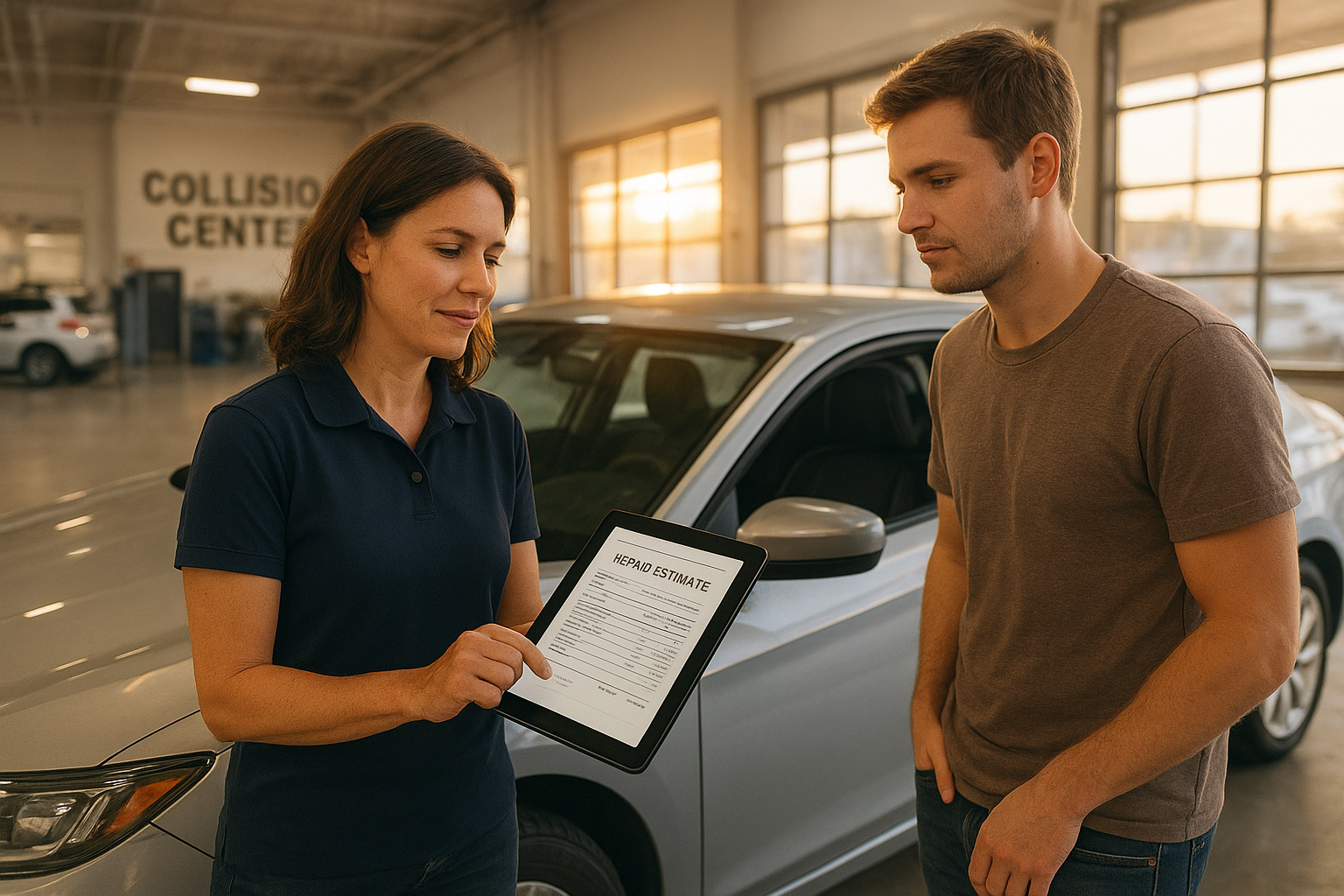
A welcoming, customer-first experience is often the hallmark of a female owned auto body shop.
More and more drivers are searching for a female owned auto body shop because they value clear communication, rigorous safety standards, and a service culture that makes the repair process easier from the first estimate to final delivery. This guide explains what genuinely sets women-led collision centers apart, how to evaluate any shop with confidence, and how to start your search today.
Why drivers seek a female owned auto body shop
Women-owned and women-led shops are often built around the everyday realities of customers who don’t live and breathe automotive jargon. That shows up as:
Clarity over complexity. Estimates are written in plain language. Advisors explain the “why” behind each line, from structural repair to refinishing materials, so you understand both cost and safety implications.
Safety as the North Star. Modern vehicles require ADAS calibrations, pre- and post-diagnostic scans, and OEM repair procedures. Female owned operations frequently emphasize these steps as non?negotiable, not “add?ons.”
Respectful advocacy. When an insurer’s recommended shortcuts conflict with safe repair procedures, customer-first teams take the time to advocate for you—and document why the correct method matters.
Inside the experience: what great shops actually do
Beyond friendly service, the best female owned auto body shop experiences are built on disciplined processes that protect vehicle integrity and resale value.

A clear, documented workflow—intake, blueprinting, OEM procedures, refinishing, calibration, and QC—keeps repairs predictable and safe; see our family-owned body shop tips.
1) Blueprinting rooted in OEM procedures
After teardown, a thorough blueprint identifies all structural and cosmetic damage. A quality shop aligns every step to the vehicle manufacturer’s repair procedures to preserve crashworthiness and advanced driver assistance systems.
2) Structural accuracy and corrosion protection
Proper sectioning points, weld counts, and corrosion protection are critical. Shortcuts here can affect airbag timing and crash energy paths; customer-first teams treat “invisible” steps with the same seriousness as visible cosmetics.
3) Refinishing that lasts
Expect computerized color matching, proper substrate prep, and curing in a controlled environment. Ask about paint warranties and whether the shop uses manufacturer-approved refinish systems.
4) Scans and ADAS calibrations
Modern vehicles require documented pre- and post-repair scans, plus static or dynamic ADAS calibrations after events like bumper, windshield, or mirror replacement. These steps are essential to restore lane?keeping, collision avoidance, and parking sensors.

Consistent updates and clear documentation build trust throughout the collision repair process.
5) Proactive communication
From parts ETAs to calibration appointments, you should receive concise updates with photos or short videos that show progress. It’s not just polite—it reduces delays and surprises.
How to evaluate a collision center (checklist you can use)
Use these specific questions to separate marketing from mastery when choosing a family owned auto body shop—or any shop committed to your safety.
Training and credentials. Ask whether the technicians hold ASE certifications and if the facility maintains advanced training such as I?CAR Gold Class. These programs indicate a sustained commitment to safe, up?to?date repairs. For reference, see ASE certification and I?CAR Gold Class. Learn more: choose a collision repair shop.
OEM access. Confirm the shop subscribes to OEM repair information for your make. Generic databases can miss crucial model-year details that affect structural integrity and ADAS behavior; learn how to choose a trusted shop.
Scanning and calibration capability. Verify pre/post scans and the ability to perform (or manage) calibrations with the targets and floor conditions your OEM requires.
Documentation. Look for photo?rich documentation of damage, measurements, weld tests, and parts invoices. Thorough records help with insurance approvals and future resale.
Fit and finish standards. Inspect panel gaps, texture consistency, and color match across lighting conditions—daylight, shade, and fluorescent. A demonstration light or spectrophotometer use is a good sign.
Customer care details. Ask about child?friendly waiting areas, clean loaners, rideshare credits, or after?hours drop?off. These details reflect a service culture that thinks ahead about your day.
Insurance claims, communication, and your rights
Insurers often recommend “preferred” shops. You’re free to choose any collision center that will repair your car to OEM specifications. A great insurance approved body shop will:
Explain the estimate in plain English. You’ll see what’s cosmetic, what’s safety?critical, and why a certain procedure is required.
Advocate for OEM procedures. The shop should document everything—with repair manual pages, measurements, and photos—so your claim handler can approve a safe plan, not just a cheap one.
Keep timelines realistic. Proactive parts sourcing and calibration scheduling reduce surprises. When delays do occur, you’ll hear about them early with a revised ETA.
A practical example of online transparency
When you research candidates, look for websites that show their process, training, and service philosophy—not just before/after photos. For instance, reviewing how a team like female owned auto body shop guide presents repair transparency and customer resources can help you benchmark what “good” looks like. Use that standard as you compare options and ask questions during your estimate.
Quick FAQ
Do all shops follow OEM procedures?
No. Some rely on habit or generic guides. Ask to see the exact OEM documentation for your VIN and repair area.
How do I know calibrations were done correctly?
Request final scan reports, calibration printouts, and a road test summary. These should be part of your delivery packet.
Will a rigorous repair cost more?
Sometimes. However, the cost of cutting corners—unsafe systems, diminished value, or repeat repairs—can be far greater.
Next steps
If you’re ready to experience the difference a customer?first, detail?driven team can make, start your shortlist now and bring this guide to your estimates. As you compare options, review how shops communicate, document, and advocate on your behalf. To see what that commitment looks like in practice, explore the resources from family owned body shop in Brea and use their approach as a benchmark.
Bottom line: Whether you ultimately choose a female owned auto body shop or another values?aligned collision center, prioritize transparent communication, OEM procedures, and documented safety checks. Your car—and your peace of mind—are worth it.

