

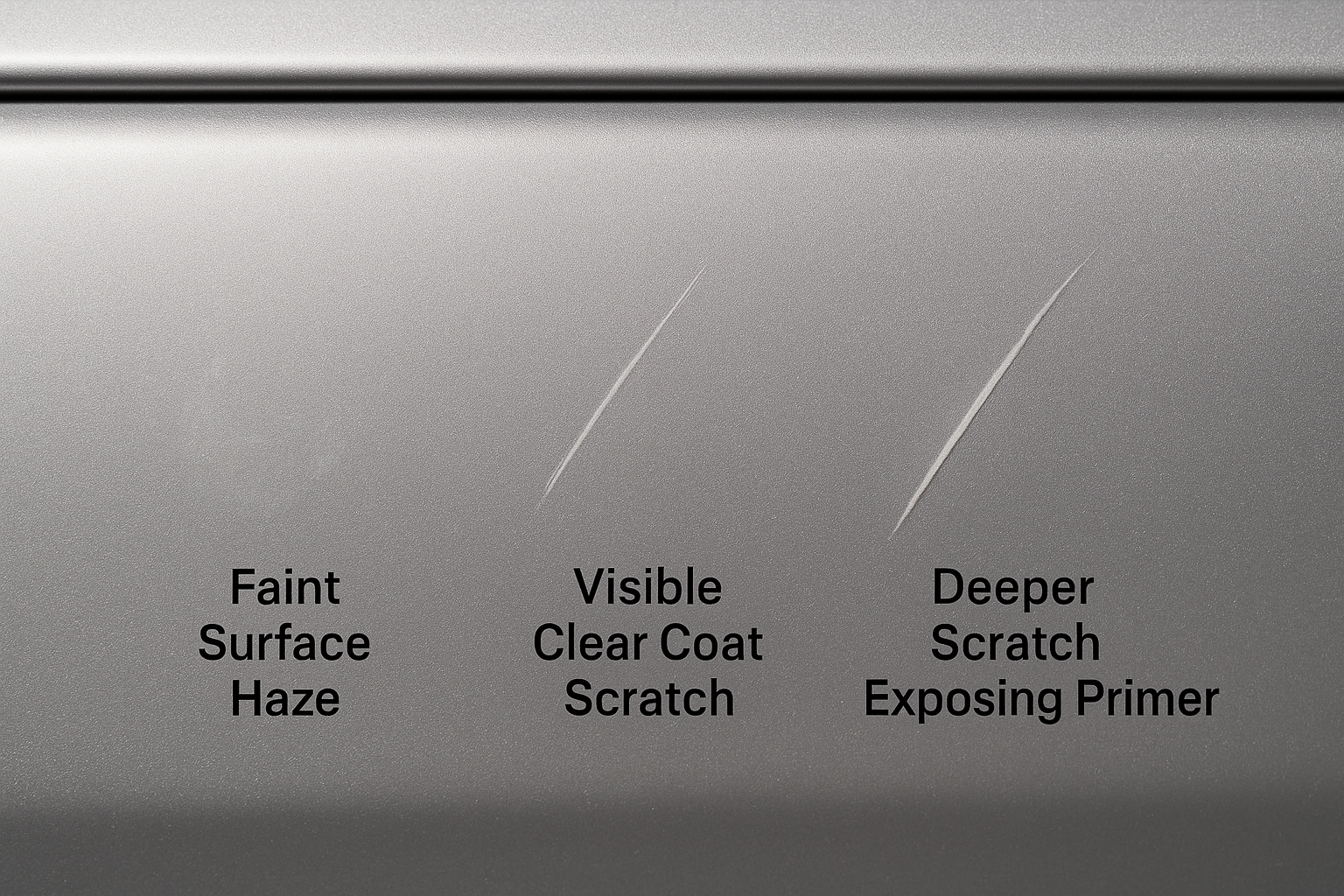
Most drivers want to know what scratches can be buffed out before they spend a single dollar on repairs — and that one question can save hundreds. The short answer is simple: any scratch confined to the clear coat, the transparent top layer of your car’s paint, can typically be buffed out. However, a scratch that cuts through to the base coat, primer, or bare metal cannot be fixed by buffing alone, no matter how much elbow grease you apply. This guide breaks down exactly how to tell the difference, test scratch depth in minutes, avoid common buffing mistakes, and decide between a DIY fix and a trip to a professional body shop.
According to industry data, auto body repair shops in the U.S. generate over $47 billion in annual revenue, with scratch and paint damage among the most common repair requests. As a result, learning which scratches respond to a simple buff — and which ones demand professional-grade correction — is one of the most valuable things any vehicle owner can know.
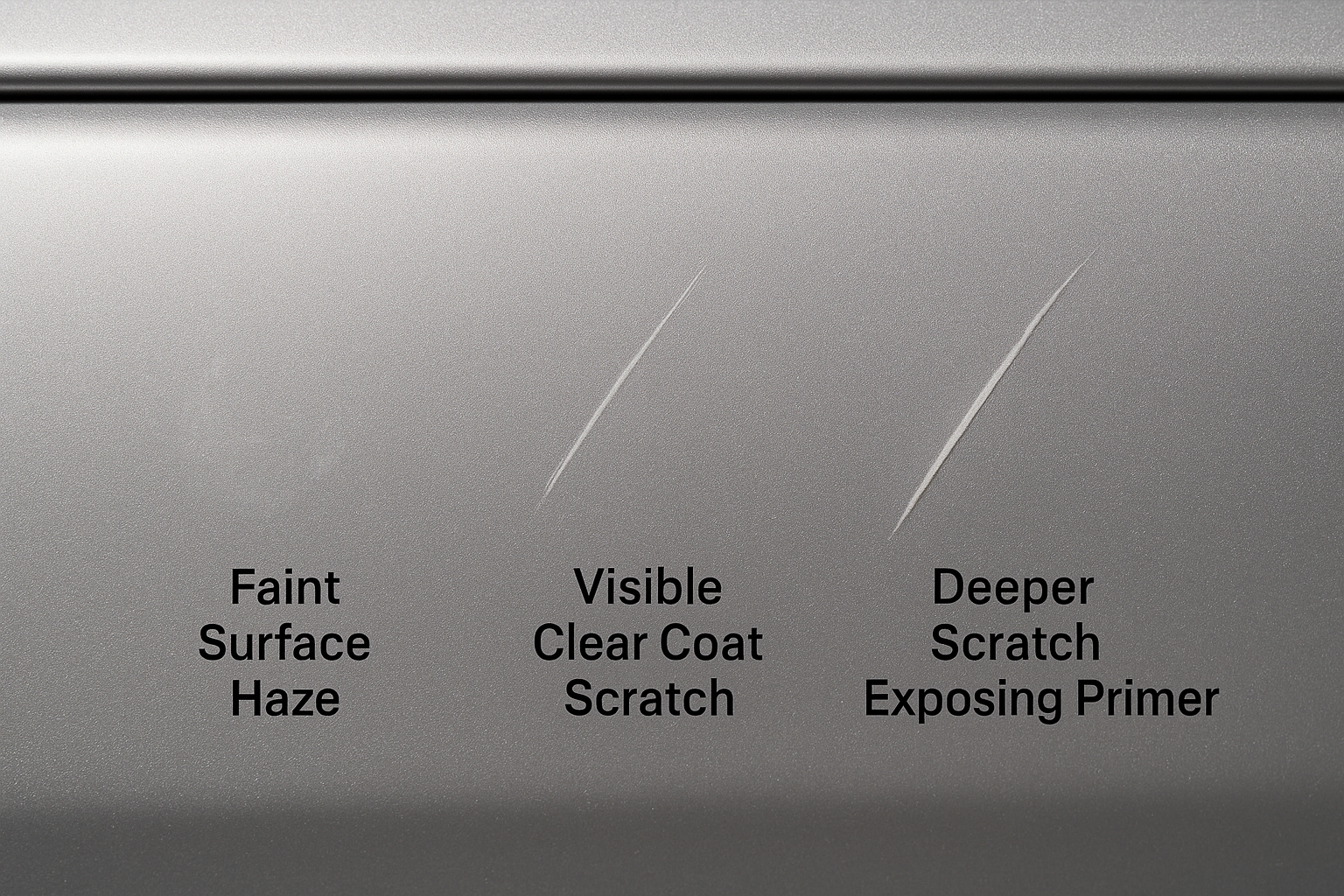
Scratch depth determines everything — this single factor decides whether buffing will work or whether you need paint repair.
What Scratches Can Be Buffed Out? The Definitive Answer
Scratches that affect only the clear coat layer can be buffed out. This includes swirl marks, light surface scratches, paint transfer, and minor water spot etching. In contrast, scratches reaching the base coat, primer, or bare metal cannot be corrected through buffing alone and require additional paint repair.
Buffing works because a mildly abrasive compound levels the microscopic peaks and valleys around the scratch until light reflects evenly across the surface again. Specifically, the compound removes a few microns of clear coat rather than “filling in” the damage. Therefore, buffing only ever succeeds when there is enough healthy clear coat left on either side of the scratch to level out.
Above all, remember this rule of thumb: if the scratch is a single color throughout and only affects gloss, buffing will likely fix it. If the scratch shows a different color inside the groove, buffing cannot restore what’s missing. For a deeper technical breakdown, see this guide on how deep a scratch can be buffed out.
Understanding the Four Layers of Automotive Paint
To truly understand which scratches respond to buffing, it helps to know how automotive paint is structured. Each layer plays a distinct role in protection and appearance, and each behaves differently under an abrasive compound.
- Clear coat: A transparent layer roughly 1.5 to 2 mils (about 40 to 50 microns) thick that provides gloss and UV protection. Nearly all successful buffing happens here.
- Base coat: The pigmented layer that gives your car its visible color. Once a scratch reaches this layer, buffing cannot restore the lost pigment.
- Primer: A bonding and corrosion-resistant layer applied directly to the metal. Scratches reaching primer typically look gray, beige, or chalky.
- Bare metal: Exposed metal is vulnerable to rust within days, particularly in humid climates, and requires immediate professional attention.
Consequently, the shallower the layer affected, the more likely buffing will solve the problem completely. Professional detailers often use a paint thickness gauge — a small handheld tool that measures clear coat depth in mils — to confirm exactly how much material is safe to remove before they begin.
How to Test Scratch Depth Before You Buff
Before reaching for a polishing compound, it pays to run a quick depth assessment. In particular, these three tests take less than ten minutes combined and give you a clear picture of what you’re working with.
The Fingernail Test
Run your fingernail across the scratch at a 90-degree angle. If it glides over smoothly, the scratch is likely clear coat only. If your nail catches or drags, the damage is deeper and buffing alone will not solve it.
The Raking Light Test
Hold a flashlight at a low, raking angle across the scratch in a dark garage, or inspect the panel in direct sunlight. Shallow clear coat scratches appear as fine hairlines with no color change. In contrast, deeper scratches cast a visible shadow line and often reveal a different color inside the groove.
The Water Test
Spray a small amount of water directly on the scratch. If the scratch appears to vanish while wet but reappears once dry, it is almost always a shallow clear coat scratch — an excellent candidate for buffing. Meanwhile, scratches that remain visible even when wet usually indicate deeper damage.
Types of Scratches That Can Be Buffed Out
Several common scratch types fall squarely within the buffable range. Knowing each one helps you make a smarter decision before spending money on repairs that may not be necessary.
1. Swirl Marks
Swirl marks are fine, circular scratches caused by improper washing, rough towels, or automated car washes with abrasive brushes. They sit entirely within the clear coat. As a result, they respond very well to machine polishing with a light cutting compound, making them one of the easiest types of damage to eliminate.
2. Light Surface Scratches
Light surface scratches from fingernails, keys lightly grazing the surface, or brush contact typically stay within the clear coat. These appear white or hazy at an angle, yet the color underneath remains intact. Consequently, they are ideal candidates for buffing with a dual-action polisher and a medium-cut compound.
3. Paint Transfer Marks
Paint transfer happens when another vehicle or object leaves its paint on your car’s surface. In many cases, the transferred paint sits on top of the clear coat rather than scratching through it. A clay bar treatment followed by light buffing can remove the foreign paint and restore the finish. However, if the impact also abraded your clear coat, polishing will be needed as a follow-up step.
4. Water Spot Etching
Hard water spots leave mineral deposits that can etch lightly into clear coat over time. When caught early, these polish out easily using a paint-safe water spot remover combined with a light polish. Left untreated, however, deeper etching may require wet sanding before polishing.
5. Oxidation Haze
Sun-baked clear coat can develop a dull, chalky haze that looks similar to widespread fine scratching. Similarly to swirl marks, this oxidized layer sits on the surface and typically buffs out well, restoring gloss and depth to older or neglected paint.
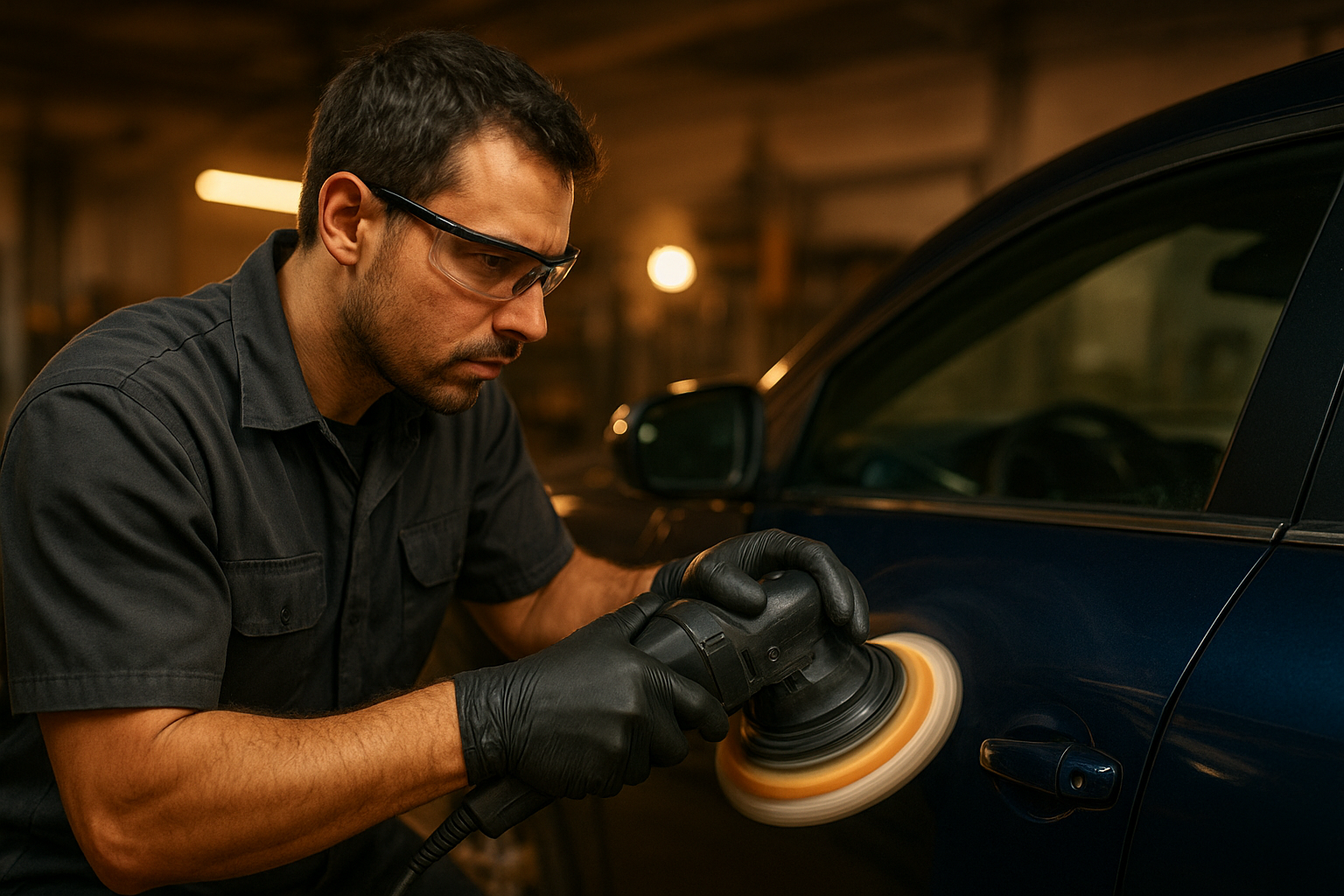
Machine polishers let technicians remove clear coat scratches evenly without burning through edges or high points.
Scratches That Cannot Be Buffed Out
Equally important is recognizing scratches that buffing simply cannot fix. Attempting to buff damage that is too deep wastes time, strips away protective clear coat, and delays proper repair.
Base coat scratches cut through the clear coat into the color layer and appear as a distinct color change — for example, a white line on a red car. Buffing will not restore the missing color. Similarly, primer-deep scratches expose the gray or beige primer layer and require sanding, priming, and repainting. Furthermore, scratches reaching bare metal are the most serious, since exposed metal begins to oxidize and rust within days. These always require professional intervention.
In addition, deep gouges and stone chips that remove material rather than simply scratching the surface cannot be leveled by buffing, no matter how long you work at them. These need filler, primer, and paint to rebuild the missing surface. For a broader look at professional scratch repair, this expert guide to car scratch repair covers when paint correction is the better path forward.
Step-by-Step: How to Buff Out a Car Scratch at Home
Once you’ve confirmed a scratch is clear-coat-only, follow this sequence carefully. Each step matters, and skipping one increases the risk of damaging surrounding paint.
- Wash and clean the scratched panel. Wash the affected panel thoroughly with car soap and water to remove dirt, grit, and road grime that could scratch the paint further during buffing or hide the true extent of the damage.
- Dry and inspect under direct light. Dry the panel with a clean microfiber towel, then inspect the scratch under direct sunlight or a bright flashlight held at an angle to see exactly how deep and long the damage really runs.
- Perform the fingernail test. Drag a fingernail gently across the scratch at a 90-degree angle; if your nail glides over smoothly the damage sits in the clear coat, but if it catches, the scratch likely reaches deeper layers.
- Apply a test amount of compound. Dab a pea-sized amount of a medium-cut polishing compound onto a clean foam applicator pad and work it into roughly a two-inch section of the scratch using firm, circular motions for about 60 seconds.
- Buff with a dual-action polisher. Switch to a dual-action polisher on its lowest speed setting, apply light pressure, and move the pad steadily across the test area for 30 to 45 seconds without lingering in one spot too long.
- Wipe and evaluate the result. Wipe away the residue with a clean microfiber towel and check whether the scratch has faded or disappeared; if color loss or a groove remains, stop and consult a professional instead of buffing further.
- Finish with polish and wax. Once the scratch is gone, apply a finishing polish to restore gloss and follow up with a quality wax or sealant to protect the freshly buffed clear coat from future damage.
Additionally, you can learn more about whether buffing removes scratches and what realistic results to expect before you begin.
Common Buffing Mistakes That Ruin Clear Coat
Even light clear coat scratches can turn into expensive repairs when buffing is done incorrectly. Therefore, watch out for these frequent mistakes.
- Using too aggressive a compound: A heavy-cut compound on a light scratch removes far more clear coat than necessary.
- Buffing in direct sunlight: Heat causes compound to dry too fast, which can create haze or swirl marks of its own.
- Skipping the wash and clay step: Trapped grit under the pad can scratch the panel further during buffing.
- Working one spot too long: Prolonged buffing generates heat that can burn through clear coat, especially near edges and body lines.
- Using a rotary buffer without experience: High-speed rotary polishers correct faster but forgive mistakes far less than dual-action tools.
- Ignoring panel edges and trim: Clear coat is naturally thinner near edges, so extra caution is needed there.
According to Popular Mechanics, beginners should always start with the lowest speed setting and the lightest compound before working up to more aggressive correction. In contrast, professional technicians bring calibrated equipment and experience with dozens of paint systems, allowing them to blend repairs seamlessly into surrounding panels.
DIY Buffing vs. Professional Scratch Repair
For very light swirl marks and minor surface hazing, DIY buffing with a quality dual-action polisher is a reasonable approach. However, there are limitations worth remembering. Overworking the clear coat — especially on dark-colored vehicles where imperfections show clearly — can create buffer trails, thin the clear coat unevenly, or cause burn-through in corners and edges.
For bumper-specific damage, the bumper scratch repair cost and process guide offers a helpful breakdown of when DIY is realistic versus when professional help delivers better long-term value.
How Much Does It Cost to Buff Out a Scratch?
Cost depends heavily on how deep the scratch is and how much surface area needs correction. Specifically, here’s what most drivers can expect to pay:
| Damage Type | Typical Cost |
|---|---|
| Swirl marks / light hazing (per panel) | $50 – $100 |
| Single clear coat scratch (per panel) | $75 – $150 |
| Full vehicle paint correction | $200 – $600 |
| Base coat / primer touch-up repair | $300 – $1,500+ |
| Full panel respray | $500 – $1,000+ |
Above all, remember that a $75 buff is far cheaper than a $1,500 base coat repair — which is exactly why testing scratch depth first matters so much.
How to Prevent Future Scratches
Naturally, avoiding scratches in the first place beats buffing them out later. Consider these simple habits:
- Use the two-bucket wash method with a quality microfiber wash mitt instead of automated brush car washes.
- Dry with a clean, soft microfiber towel rather than shop rags or paper towels.
- Apply a ceramic coating or paint sealant every three to six months to add a sacrificial protective layer.
- Install paint protection film on high-risk areas like the front bumper, mirrors, and door edges.
- Park away from shopping carts, hedges, and tight spaces whenever possible.
As Consumer Reports notes, routine maintenance like regular washing and waxing is one of the most cost-effective ways to protect a vehicle’s paint and resale value over time.
When to Visit a Professional Auto Body Shop
Certain situations clearly call for professional expertise. Specifically, visit a certified shop when the scratch has removed color, when bare metal is visible, when damage covers a large area, or when DIY buffing hasn’t improved the finish.
Drivers throughout Orange County rely on Brea Auto Body for exactly this kind of assessment. Their certified technicians evaluate scratch depth accurately, recommend the correct repair path — whether polishing, paint touch-up, or full panel refinishing — and deliver results matching the vehicle’s original finish. The shop handles both domestic and foreign vehicles, serving individual owners, insurance clients, and fleet customers alike.
Furthermore, professional repair protects resale value. A poorly buffed panel or an untreated deep scratch can reduce a car’s market value significantly, particularly on newer or higher-end vehicles. For bumper scuffs specifically, the bumper scuff removal guide explains the repair process in full detail.
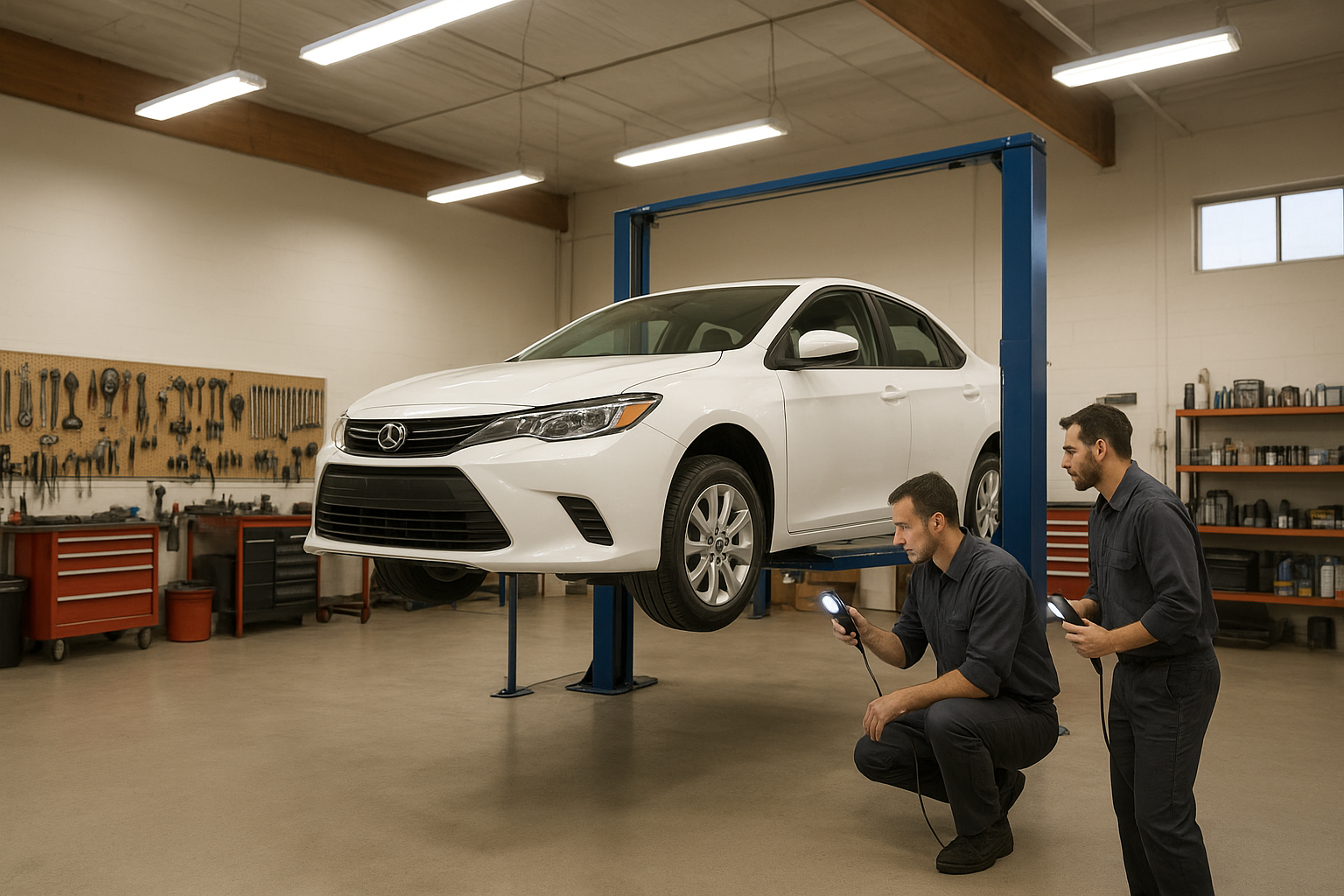
A professional auto body shop can accurately assess what scratches can be buffed out and recommend the right repair approach.
Frequently Asked Questions About What Scratches Can Be Buffed Out
What scratches can be buffed out at home?
Light surface scratches that affect only the clear coat layer can typically be buffed out at home using a polishing compound and a foam applicator pad. Scratches that have not reached the base paint layer are the best candidates for DIY buffing.
How do I know if a scratch is too deep to buff out?
Run your fingernail across the scratch. If it catches in the groove, the scratch likely extends into the base coat or primer and cannot be fully removed by buffing alone. A professional assessment can confirm the depth and recommend the right repair method.
Can deep scratches that reach bare metal be buffed out?
No. Scratches that reach bare metal require paint touch-up, primer, and professional refinishing before any buffing is performed. Buffing alone cannot restore color or protect exposed metal from rust.
What is the difference between buffing and polishing a car scratch?
Buffing uses a mildly abrasive compound to remove a thin layer of clear coat, leveling the surface around the scratch. Polishing is a finer step that restores gloss and smoothness after buffing. Both steps are often used together for the best result.
Will buffing remove paint transfer scratches?
Yes, in many cases. Paint transfer often sits on top of your clear coat and can be removed with a clay bar followed by buffing. However, if the impact also scratched your clear coat, additional polishing will be needed.
How many times can a car be buffed before the clear coat wears out?
Most vehicles can withstand three to five professional buffing sessions before the clear coat becomes too thin to safely buff again. Each session removes a small amount of clear coat, so overuse can cause more harm than good.
Does buffing fix scratches permanently?
Buffing removes the scratch by leveling the surrounding clear coat, so the result is permanent for that specific scratch. However, it does not make the surface more resistant to future scratches. Applying a quality wax or sealant afterward helps protect the finish.
Can swirl marks be buffed out?
Yes. Swirl marks are very fine scratches in the clear coat caused by improper washing or drying techniques. They respond well to machine polishing with a light cutting compound and are among the easiest types of surface damage to remove.
What tools do I need to buff out a scratch?
For light scratches, you need a polishing compound, a foam applicator pad or microfiber cloth, and a dual-action polisher or manual effort. For deeper clear coat scratches, a machine polisher with appropriate pads and a finishing polish will deliver better results.
Is it worth paying a professional to buff out scratches?
For anything beyond very light surface marks, professional buffing is worth the investment. Certified technicians accurately assess scratch depth, use correct compounds, and avoid removing too much clear coat — protecting your vehicle’s long-term finish.
How much does professional scratch buffing cost?
Professional buffing for light surface scratches typically costs between $50 and $150 per panel, depending on severity and location. More extensive damage requiring paint correction or touch-up can cost significantly more.
Can scratches on a bumper be buffed out?
Light scratches and scuffs on a bumper can often be buffed out if they are limited to the clear coat. Deeper scratches or cracks in the bumper material typically require filler, primer, and repainting for a seamless result.
Does a ceramic coating prevent scratches from needing buffing?
Ceramic coatings add a sacrificial hard layer that resists light swirl marks and minor scuffs, reducing how often you need to buff. However, they do not make paint scratch-proof, and a hard enough impact can still reach the clear coat underneath.
Can scratches on matte-finish paint be buffed out?
No, not with standard buffing. Matte paint has no clear coat gloss layer to level, so traditional buffing compounds will create shiny patches. Matte finish scratches require specialized matte-safe products or professional refinishing instead.
Conclusion: Knowing What Can Be Buffed Out Saves Time and Money
In summary, understanding what scratches can be buffed out comes down to one key factor: how deep the damage goes. Clear coat scratches — including swirl marks, light surface scratches, paint transfer, water spot etching, and oxidation haze — are all excellent candidates for buffing. In contrast, scratches reaching the base coat, primer, or bare metal require professional paint repair that goes well beyond what a polishing compound can accomplish.
Furthermore, the fingernail test, raking light test, and water test are your three most reliable tools for making this call before committing to any repair approach. When in doubt, a professional evaluation is always the safer choice — particularly for newer vehicles, darker paint colors, or damage near panel edges where clear coat runs thinnest.
Drivers in Brea and throughout Orange County can count on the certified team at Brea Auto Body for honest assessments, precision scratch repair, and paint matching that restores vehicles to their pre-damage condition. Whether your car needs a simple buff or a full panel refinish, working with experienced professionals ensures the job gets done right the first time.

