

Honda Collision Repair Brea: Your 2026 Guide to OEM-Grade Safety, Accuracy, and Value

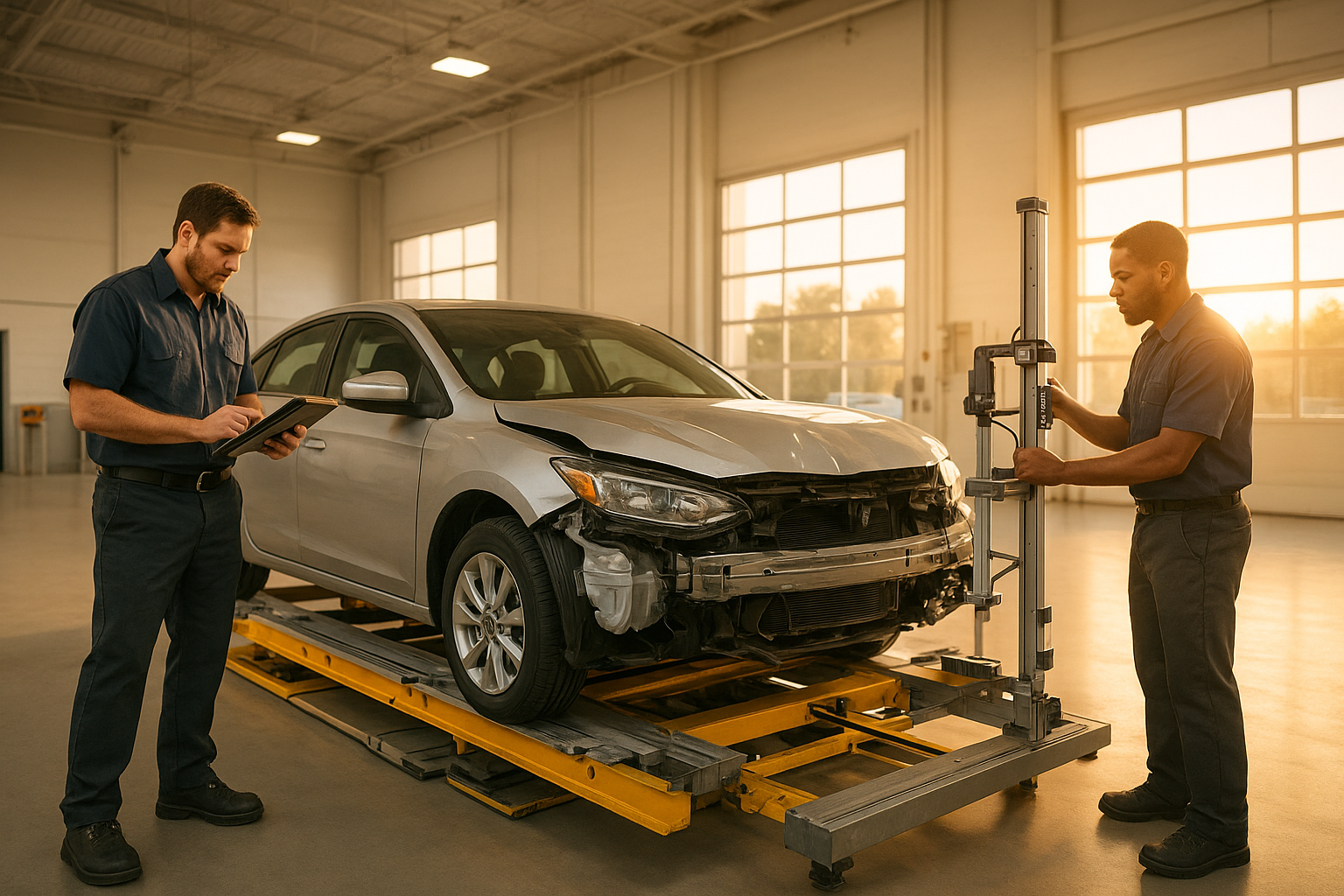
Honda collision repair in Brea done in a clean, well-equipped shop helps restore safety and value.
Searching for “Honda collision repair Brea” usually means you want two things: a safe, factory-accurate repair and a hassle-free experience with insurance and timelines. This guide explains what truly matters for late?model Hondas in 2026—from OEM procedures and parts choices to ADAS calibration—so you can choose a body shop with confidence and know exactly what to expect.
Why Honda-specific know?how is essential
Modern Hondas rely on mixed?material construction, advanced airbag and restraint systems, and camera/radar?based driver assistance. Repairing these vehicles correctly isn’t just about making panels look straight; it’s about restoring critical safety systems to Honda’s specifications. That means using exact measurement points, correct weld types, adhesives, seam sealers, and corrosion protection—plus electronic scanning before and after repairs to catch hidden diagnostic trouble codes.
In practical terms, the difference between a cosmetic fix and an OEM?grade repair can affect crash performance, brake assist behavior, and lane?keeping precision. When you select a shop in Brea, ask how they access Honda service information, whether they document every step, and how they handle post?repair validation.
What an OEM?grade Honda collision repair includes
While every repair plan is unique, a best?practice workflow follows a repeatable blueprint designed to protect the vehicle’s structural integrity and technology features.

OEM?grade Honda collision repair follows a defined blueprint—from pre?scan to final quality control.
1) Pre?repair documentation and scanning
A thorough intake includes photos, damage mapping, and a pre?scan. The pre?scan reveals modules affected by the impact, even when warning lights are off. Capturing this data early helps the estimator write an accurate blueprint and prevents “surprise” supplements later.
2) Structural measurement and repair methods
Your Honda’s body structure is engineered to manage crash energy in specific ways. A shop should use a computerized measuring system to verify the chassis against factory dimensions and then follow model?specific procedures for straightening, sectioning, and weld types. This is not the place for guesswork—precision here directly affects safety.
3) Paint, color match, and corrosion protection
Modern paint systems require exact prep, primers, sealers, and clearcoat to maintain durability and gloss. Blending adjacent panels is often necessary for invisible color transitions. Just as important: seam sealer and cavity wax must be reapplied to prevent future corrosion, especially in structural or rocker panel areas.
4) ADAS calibration and a validated road test
Most late?model Hondas depend on camera and radar alignment for features like collision mitigation and lane keeping. After structural or glass work—and often after bumper, mirror, or grille replacement—calibration is required. Expect both static (target?board) and dynamic (on?road) checks, plus a post?scan to ensure all modules report healthy status.

Proper ADAS calibration is a crucial step in Honda collision repair Brea drivers can’t afford to skip.
Parts strategy: OEM, aftermarket, or recycled?
Parts selection impacts fit, finish, and crash management. OEM parts are engineered for the vehicle and typically integrate best with sensors and brackets. Quality aftermarket components can be acceptable for certain cosmetic areas, but tolerances may vary. Recycled OEM parts are sometimes a cost?effective choice that maintains factory geometry while conserving resources.
What matters most is that parts support the repair method in Honda’s procedures. For sensor housings, bumper covers with integrated radar windows, or structural reinforcements, OEM is often the safest path. Discuss options, availability, and insurer guidelines with your estimator—and request documentation for any deviations from the original plan.
The repair journey in Brea: timelines, insurance, and communication
Two things drive cycle time: accurate blueprinting up front and parts availability. After your vehicle is disassembled and measured, the shop should update you with a final plan and timeline. If your claim involves a rental car, ask the shop to coordinate start dates with your insurer so you don’t run out of coverage mid?repair.
For local context, Brea’s commuting patterns and 57 Freeway traffic can affect road?test windows and delivery timing. Weather is rarely a big factor, but calibration drives may be scheduled to avoid peak congestion so dynamic checks can be performed safely and efficiently.
How to choose a Honda body shop in Brea—without guesswork
Start with process clarity. A great shop can explain how they’ll measure the structure, when they’ll calibrate ADAS, and how they’ll verify results. Ask to see sample repair plans (with personal data removed) and post?repair reports. Inquire about technician training and the equipment used for welding, measuring, and electronic scanning. Finally, review photo documentation—before, during, and after—to confirm that critical steps such as corrosion protection and torque markings were completed.
Local support also matters. You’ll want responsive updates and an easy handoff on delivery day that includes a walkthrough of what was repaired, paint care instructions, scan and calibration logs, and a written warranty. If you’re ready to take the next step, you can contact Brea Auto Body for Honda collision repair in Brea to discuss your vehicle, insurance claim, and scheduling options.
Cost, safety, and resale: understanding the value equation
A proper repair protects more than safety; it impacts long?term ownership costs and resale value. Accurate structural alignment reduces tire and suspension wear, correct corrosion protection prevents costly rust issues, and high?quality refinish work keeps the vehicle presentable for trade?in or private sale. For newer Hondas, maintaining OEM repair standards can help preserve advanced driver?assistance performance—something discerning buyers and appraisers increasingly consider.
Frequently asked questions from Brea Honda owners
How long does Honda collision repair usually take?
Simple bumper and cosmetic repairs can be finished in several days once parts arrive. Structural repairs, calibrations, and paint blending typically extend the timeline to multiple weeks. The most reliable estimates come after disassembly and measuring—when the shop can see hidden damage.
Will my ADAS features work the same after repairs?
They should—if the shop follows OEM procedures, uses appropriate parts, completes required calibrations, and validates with a post?scan and road test. Ask for the calibration printouts when you pick up the vehicle.
Do I have to use the insurance company’s suggested shop?
You have the right to choose your repair facility. A cooperative shop can still work smoothly with your insurer while prioritizing OEM repair methods that protect your safety and investment.
Ready to move forward?
The safest way to restore a late?model Honda is to insist on OEM?based procedures, verified measurements, and documented scans and calibrations. If you’re weighing options for “Honda collision repair Brea,” start a conversation with a local team that can show you their process and paperwork. To explore availability and get an informed estimate, visit BreaAutoBody.com and ask how they would blueprint and calibrate your specific Honda model.
Bottom line: A careful, documented approach to Honda collision repair—right here in Brea—delivers safer results, fewer surprises, and better long?term value.

