

Fire Damage Auto Repair: What Really Happens After a Vehicle Fire

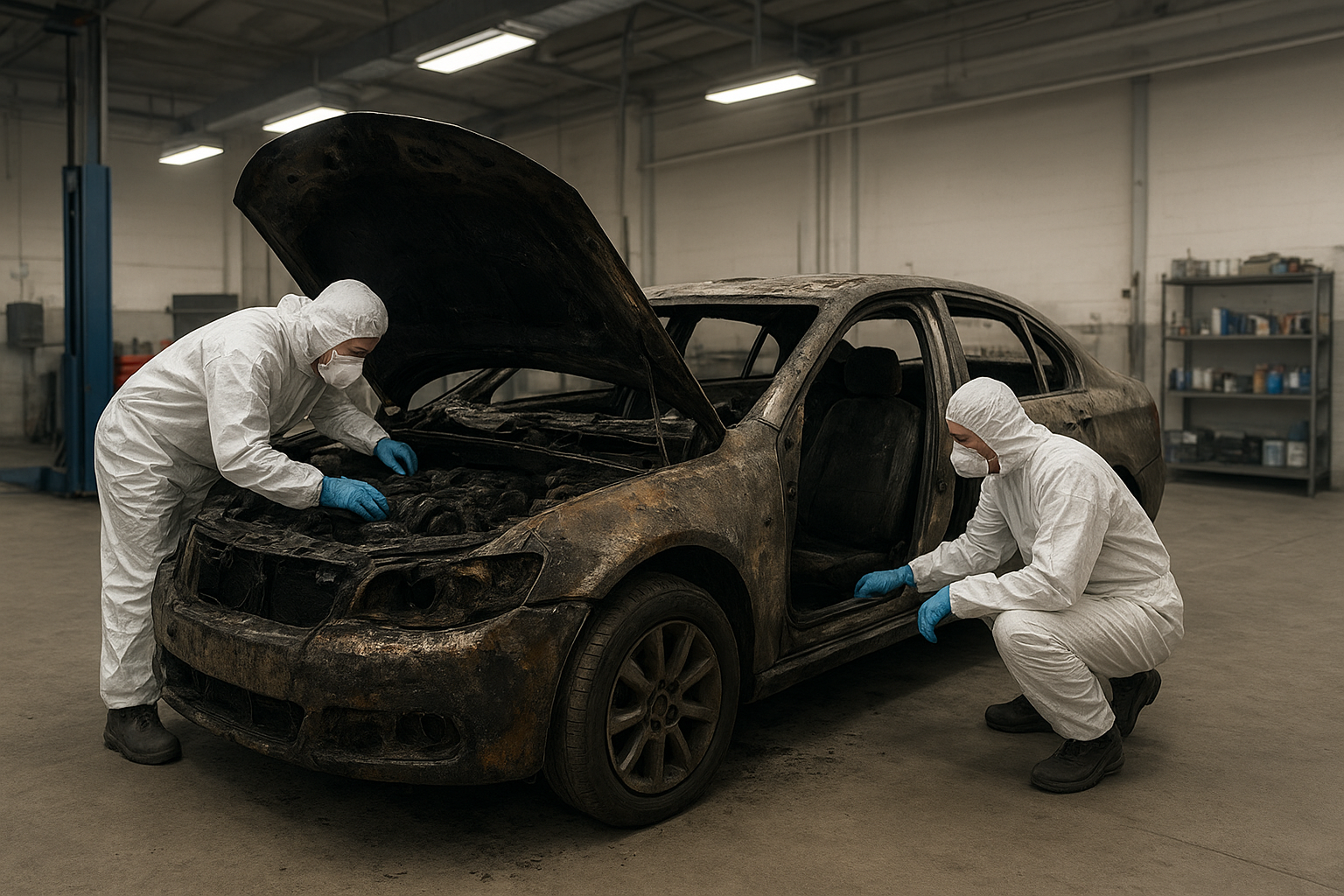
Technicians begin fire damage auto repair with a structured inspection.
Vehicle fires leave behind more than charred parts—they introduce smoke, soot, corrosive residues, and heat-stressed materials that can quietly erode safety and reliability. If you’re researching fire damage auto repair today, this guide explains how qualified shops triage, diagnose, decontaminate, repair, and verify your vehicle so it’s safe, clean, and ready for the road again.
Below, we break down the full workflow, highlight decisions that determine repair vs. total loss, outline typical costs and timelines in 2026, and show you what to look for in a shop. If you’re near North Orange County, you can start by consulting a local specialist; for example, see fire damage auto repair in Brea to arrange an inspection and discuss your case.
The First 72 Hours: Stabilization and Triage
Immediately after a fire, the goal isn’t “repair” yet—it’s stabilization. Pros prevent additional damage from moisture, corrosive firefighting agents, and lingering acids formed when smoke combines with humidity. Triage usually includes:
Containment and documentation: The vehicle is isolated, photographed, and inventoried. Surface residues are sampled so decontamination is targeted, not guesswork.
Power-down and safety checks: Battery disconnection and high-voltage isolation (on hybrids/EVs) protect technicians and preserve electronic evidence for diagnostics.
Drying and neutralization: Any wet areas or extinguisher residue are addressed early to stop corrosion creep in wiring, connectors, and hidden cavities.
What a Certified Team Evaluates During Fire Damage Auto Repair
Fire affects every system differently. A thorough evaluation separates cosmetic damage from safety-critical defects:
1) Heat-Affected Structure and Panels
Technicians inspect inner reinforcements, rails, aprons, and body seams for heat signatures and metallurgical changes. Panels with blistered e-coat or warped hem flanges often require replacement. Media blasting helps reveal micro-warping and provides a clean substrate for corrosion protection.
2) Electrical Integrity and Wiring Harnesses
Wire insulation can carbonize before it visibly melts. That creates microscopic leakage paths that cause intermittent faults later. Rather than splicing, reputable shops replace affected harness segments and terminals, then verify with continuity, resistance, and insulation testing. Modules exposed to heat or corrosive soot are tested, reflashed if appropriate, or replaced.

Electrical integrity is critical after heat and smoke exposure.
3) Interior Decontamination and Odor Removal
Soot particles carry corrosive compounds and persistent odors. Professionals use HEPA extraction, alkaline neutralization, targeted surface chemistry (not overuse of masking fragrances), HVAC duct treatment, and cabin filter replacement. Severe cases require headliner and carpet removal, foam replacement, and controlled ozone or hydroxyl treatments after source removal.
4) Powertrain and Underhood Systems
Underhood fires can damage composite intake components, hoses, seals, coolant reservoirs, and plastic timing covers. The team pressure-tests cooling systems, inspects fuel lines, and checks sensor networks. If the fire originated near the battery or alternator, charging system load testing is essential.
5) ADAS, Sensors, and Calibrations
Modern vehicles rely on radar, cameras, and lidar housed behind bumpers and windshields. Heat or smoke can distort camera optics and radar brackets. After structural and cosmetic repairs, precise aiming and static/dynamic calibrations restore lane-keeping, adaptive cruise, and automatic braking functions.

The complete fire damage auto repair workflow, step by step.
Repair vs. Total Loss: How Pros Decide
Insurers and repairers use evidence-based thresholds, not just “looks bad.” Key decision factors include:
Extent of heat penetration: If temperatures compromised structural temper or safety-critical materials (e.g., A-pillars, roof rails), replacement may be impractical.
System contamination: Chloride testing, pH measurements, and borescope inspections determine whether wiring, HVAC, and foam padding can be salvaged.
Parts availability and calibration complexity: If multiple ADAS components, composite panels, and interior modules face long backorders, projected downtime can tip the scale.
Prognosis for long-term reliability: Even when outward damage seems limited, latent corrosion risk in connectors can justify more extensive replacement—or a total loss call—depending on value vs. risk.
Costs and Timelines You Can Expect in 2026
No two fires are alike, but ballpark expectations help planning:
Minor compartment fire with smoke intrusion: Often involves localized panel replacement, wiring pigtails, HVAC cleaning, and refinish. Typical timelines run 2–4 weeks depending on parts and calibration slots.
Moderate underhood and interior impact: Harness sections, multiple modules, interior materials, and ADAS components push repairs to 4–8 weeks. Costs reflect labor-intensive decontamination and calibration time.
Severe heat-affected structure or extensive electronics: The estimate may exceed the vehicle’s actual cash value, moving the vehicle toward total loss. Your shop will document findings and provide supplements as hidden damage is uncovered.
Remember, accurate estimates usually require a teardown authorization. That’s not “extra”—it’s how the shop exposes hidden damage so your insurer can approve necessary work up front rather than in piecemeal fashion.
Inside the Insurance Process (and How to Keep It Moving)
Fire claims add steps because cause-of-loss, contamination scope, and electronics testing drive many supplements. A smooth claim usually includes:
Prompt notification and tow to your chosen shop: You control where your vehicle is repaired. Choose a facility with documented experience in fire damage auto repair.
Teardown authorization: This allows the shop and adjuster to see beyond surface damage and build a defensible estimate with parts availability factored in.
Clear documentation: Good shops provide photo sets, part numbers, scan reports, and calibration requirements that accelerate approvals.
Transparent supplements: Expect a couple of supplements as hidden issues surface. Each should be documented with new evidence, not guesswork.

Understanding the claim timeline helps set realistic expectations.
As you coordinate with your adjuster, ask your shop to share scan reports and calibration sheets with you as well; they’re part of the vehicle’s long-term documentation trail and can help at resale.
Techniques That Restore Safety, Cleanliness, and Value
Leading facilities go beyond “replace and repaint.” Expect to see:
Surface chemistry testing: Chloride and pH checks guide the neutralization strategy so corrosion doesn’t return months later.
Thermal and borescope inspections: These locate heat signatures and hidden soot trails in pillars, crossmembers, and HVAC boxes without invasive damage.
Targeted media blasting and corrosion protection: Once bare metal is cleaned, epoxy primers and cavity waxes seal repaired sections against future moisture.
OEM service information and calibrations: From radar bracket tolerances to camera aiming targets, technicians follow brand-specific specs for repeatable results.
For high-voltage vehicles, trained personnel follow lockout/tagout procedures, battery temperature monitoring, and post-repair insulation resistance tests before road testing.
How to Choose the Right Fire Damage Auto Repair Partner
Look for a shop that can show you a documented workflow for fire cases, not just collision repairs. Ask about diagnostic scan capabilities, access to OEM repair procedures, ADAS calibration equipment (in-house or validated partners), and a transparent decontamination plan. Request examples of completed fire repairs with before/after documentation.
If you’re in Orange County, consider reaching out to a local expert. You can learn more or schedule an evaluation through Brea Auto Body, where a specialist can review photos, discuss next steps, and coordinate an inspection. For broader safety information, consult resources like the NHTSA and NFPA.
Bottom Line
Effective fire damage auto repair is a measured, evidence-based process: stabilize, diagnose, decontaminate, repair, calibrate, and verify. The right shop will explain each step, document findings for your insurer, and deliver a vehicle that’s clean, safe, and free from lingering electrical or odor issues. If you need help evaluating your options, start a conversation today with a reputable local team—begin with an inspection request at Brea Auto Body and get your recovery underway.

