

Bumper Repair: The Complete Guide to Fixing Modern Bumpers

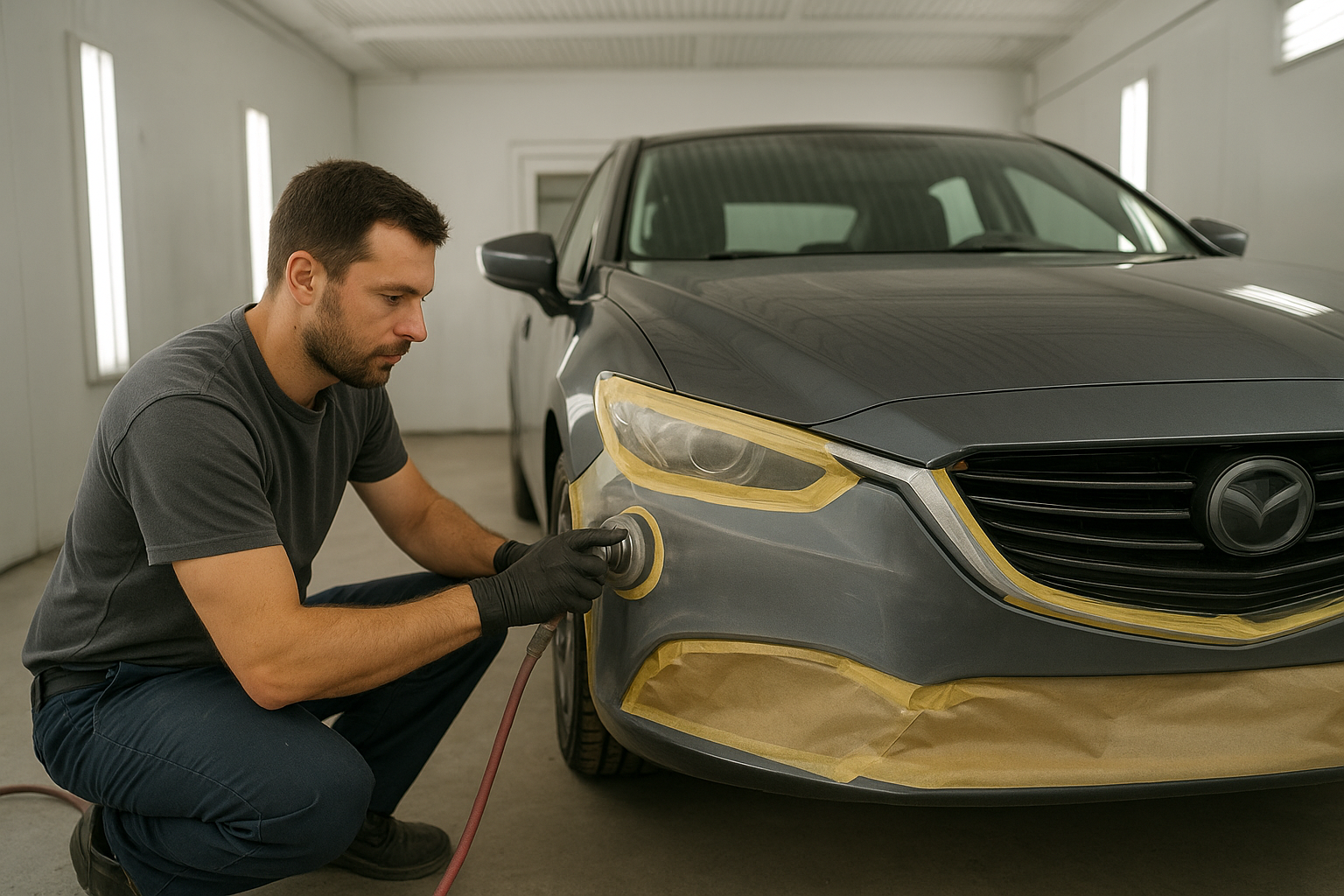
Professional bumper repair begins with careful prep and assessment.
If you’re searching for bumper repair, you’re likely weighing two big questions: can it be repaired, and will it look factory-new when it’s done? This guide breaks down how modern bumpers are constructed, when repair beats replacement, what a quality repair actually includes, and how to choose a shop that gets the color match and safety systems right the first time.
How Modern Bumpers Are Built (and Why It Matters)
Today’s “bumper” is a system, not just a painted cover. It typically includes:
- Fascia/cover: Usually thermoplastic polyolefin (TPO) or polypropylene (PP), flexible and paintable.
- Energy absorber: Foam or honeycomb plastic designed to manage low?speed impacts.
- Reinforcement beam: The structural piece behind the cover.
- Sensors and support tech: Parking ultrasonics, radar, cameras, and wiring harnesses for ADAS features.
Because the cover is plastic and the underlying tech is sensitive, bumper repair isn’t just “sand and paint.” Shops must confirm substrate type, follow OEM procedures, and protect or recalibrate sensors to maintain safety features like parking assist and automatic braking.
Bumper Repair vs. Replacement: A Practical Decision Framework
Not all damage is equal. Light scuffs and shallow gouges in the painted surface are excellent candidates for refinishing. Dented plastic can often be reshaped with controlled heat. Cracks can be repaired with plastic welding or two-part adhesives if the repair area remains stable, edges align, and no large sections are missing. However, deep tears at mounting points, distorted sensor brackets, or heavy creasing often point to replacement. A professional will also inspect the absorber and beam—if they’ve crumpled or cracked, parts need replacement regardless of the cosmetic condition of the cover.

Decision flowchart for bumper repair vs. replacement based on damage type and sensor integrity.
What a Quality Bumper Repair Includes
1) Digital assessment and pre-scan
Before any tools touch the car, a technician photographs damage, notes paint code and options (e.g., tri-coat pearl), and performs a diagnostic scan to capture fault codes affecting ADAS or parking sensors.
2) Disassembly and protection
The bumper cover is removed to inspect absorber and reinforcement. Wiring, brackets, and sensors are labeled and safely stored. Adjacent panels and lenses are masked to prevent overspray or polishing haze.
3) Plastic repair and reshaping
For cracks, techs often V?groove the backside, plastic?weld or bond with substrate?specific adhesive, then reinforce with mesh where OEMs allow. Dents are carefully heat?reflowed and reshaped to restore contour without over-thinning the material.
4) Refinishing for invisible color match
The surface is feathered, primed with adhesion promoter suitable for TPO/PP, blocked for contour, and sealed. Basecoat is matched to the vehicle build and blended into adjacent panels when required. A high?solids clearcoat delivers gloss and UV protection.
5) Reassembly, post-scan, and calibration
All components are torqued to spec. A post?repair scan confirms system health, and if sensors or brackets were disturbed, the shop performs static or dynamic calibration per OEM guidance. Finally, a road test checks parking, alerts, and lane features.

Six-step professional process to ensure appearance and safety after bumper repair.
How Much Does Bumper Repair Cost?
There’s no one-price-fits-all, because several variables drive the estimate:
- Extent and location of damage: Small scuffs differ from cracks near mounting points.
- Paint complexity: Metallics and tri-coat pearls require more labor and materials.
- Blending needs: To guarantee a seamless match, adjacent panels may be blended.
- Sensors and calibration: Vehicles with parking sensors, radar, or cameras add diagnostics and calibration time.
- Parts strategy: Repairing the cover vs. replacing it (OEM or aftermarket) changes cost and timeline.
- Labor rates and materials: Vary by region and shop capabilities.
A transparent estimate itemizes labor hours, materials, any replacement parts, and calibration operations. Ask your shop to explain each line so you understand the value behind the number.
How Long Does Bumper Repair Take?
Minor scuffs that only need refinishing can sometimes be turned around rapidly once the vehicle is in the booth schedule. Complex plastic repairs, color matching for pearls, or jobs that require parts and sensor calibration extend the timeline. Good shops set expectations up front, confirm parts availability, and communicate milestones (disassembly, paint, reassembly, delivery) so you’re never guessing.
Choosing a Shop for Bumper Repair
Look for these capabilities when selecting a provider:
- Material expertise: TPO/PP plastic identification and repair methods approved for your vehicle.
- Color science: Access to OEM formulations, blend strategies, and spray?out cards for verification.
- ADAS know?how: Pre/post scans and in?house or verified calibration procedures.
- Quality controls: Documented checklists, torque specs, and final road test.
- Clear warranty and communication: Written warranty terms and proactive updates.
Ready for a professional estimate? Explore Brea Auto Body’s bumper repair services to book an assessment and get clear next steps tailored to your vehicle.

Before-and-after comparison demonstrates the finish quality possible with expert bumper repair.
Insurance, Safety, and OEM Procedures
Whether you’re paying out of pocket or filing a claim, insist that the shop follows OEM repair procedures for your make and model. This protects fit, finish, and the performance of safety systems. Keep documentation of scans, calibrations, and parts used; it’s valuable for your records and future resale.
Bumper Repair FAQ
Can a cracked bumper be repaired?
Often yes. If the crack is in a stable area and material is intact, plastic welding or structural adhesive repair can be durable. Tears at mounts, missing chunks, or severe distortion usually warrant replacement.
Will the paint match?
A quality shop uses your paint code, variant libraries, and test panels to achieve a match, then blends where necessary. Lighting angles and bumper flex can make color appear different; blending minimizes that effect.
Is paintless dent repair (PDR) viable on bumpers?
Traditional PDR tools are designed for metal panels. Some minor plastic dents can be reshaped with heat and contour tools, but most bumper dents require refinishing.
What about my parking sensors or radar?
They must be protected during refinishing, reinstalled correctly, and calibrated if disturbed. Always ask for pre/post scan reports.
The Bottom Line
Bumper repair done right restores the look of your vehicle and preserves the performance of its safety tech. Choose a shop that treats the job as both a cosmetic and a technical repair, communicates clearly, and stands behind the work. When you’re ready, request a bumper repair estimate from Brea Auto Body and get back on the road with confidence.

