

Brea Auto Body Shop: Your 2026 Guide to Reliable Collision Repair in Brea, CA

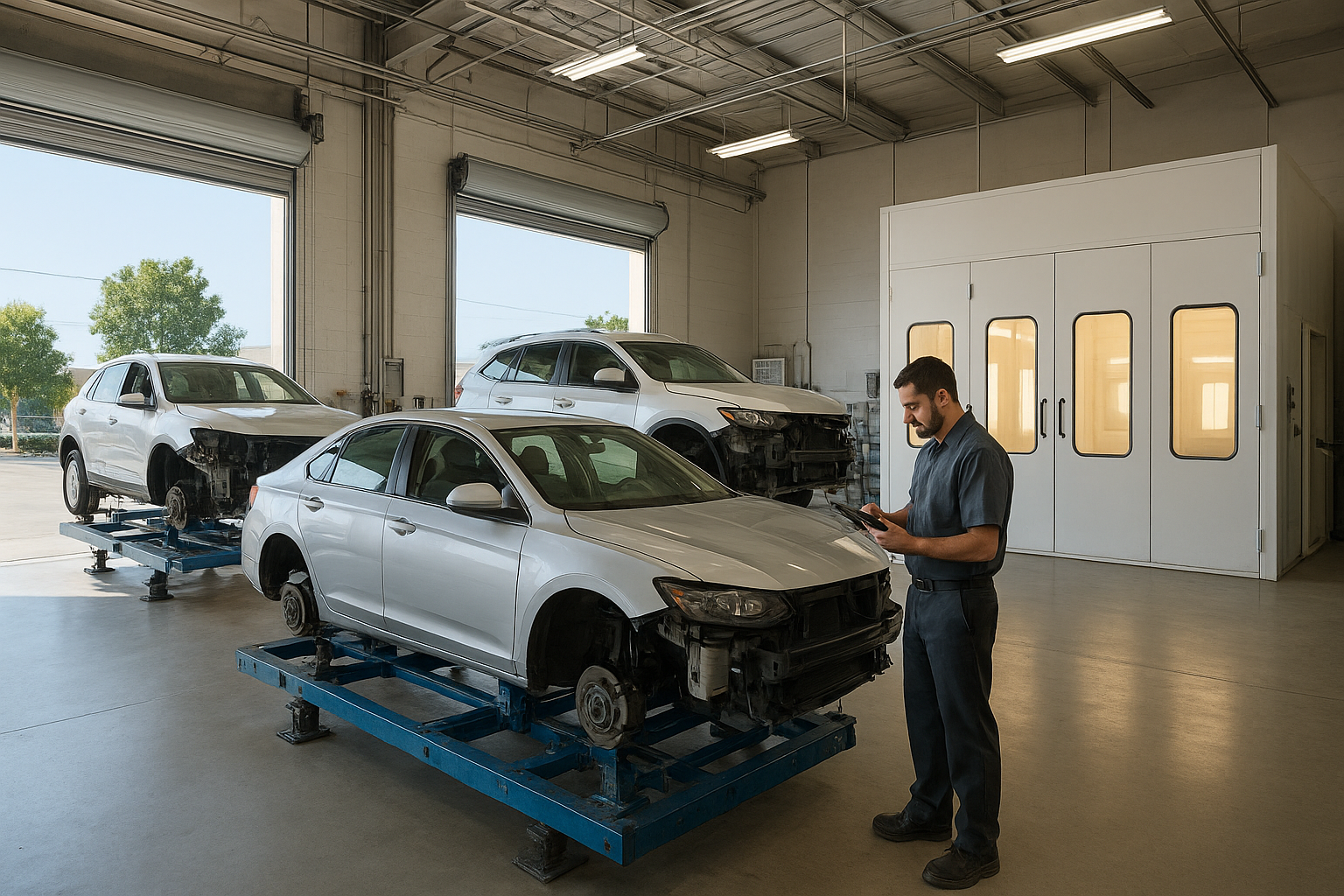
Finding a Brea auto body shop you can trust starts with seeing how modern repairs are done.
If you’ve recently had a fender-bender or a more serious collision, you’re likely searching for the best “Brea auto body shop.” This guide explains what quality collision repair looks like in 2026—so you can compare estimates, evaluate certifications, and make a confident decision that protects your safety, your warranty, and your wallet.
We’ll cover advanced technologies like ADAS calibration, OEM procedures, parts choices, and how to navigate insurance without sacrificing craftsmanship. Along the way, we’ll point to helpful resources, including scheduling with a local specialist at Brea Auto Body.
What “quality” means in auto body repair today
Modern vehicles are rolling computers with high-strength materials, sensors, and sophisticated coatings. As a result, “quality” isn’t just a shiny finish—it’s a repair that returns your vehicle’s safety systems, structural integrity, and corrosion protection to pre-loss condition. A top-tier Brea auto body shop will:
- Follow OEM repair procedures for your exact year, make, and model.
- Use repair equipment that protects advanced metals (boron, ultra-high-strength steel, aluminum).
- Document the process with photos, measurements, and scan reports you can review.
- Coordinate calibrations and post-repair test drives to verify safety systems.
Reading and comparing collision repair estimates the smart way
Two estimates can look similar in price yet differ dramatically in what’s included. When comparing quotes for Brea auto body repair, focus on clarity and completeness:

Understand what your estimate includes—labor, parts, calibrations, and warranty—before you approve repairs.
Key elements to verify
- Pre- and post-repair scans: Are electronic diagnostics included?
- Calibration line items: If your vehicle has ADAS, does the estimate list specific calibrations?
- Structural measuring: Does the shop verify frame/unibody dimensions before and after?
- Corrosion materials: Are seam sealers, cavity wax, and undercoats specified?
- Paint products: Look for a recognized paint system and a documented color-matching process.
- Parts type and notes: Clearly labeled OEM, aftermarket, reman, or recycled, with reasons.
Tip: Ask for a walk-through of your estimate—on the vehicle. A reputable technician will show you the damage, explain repair vs. replace decisions, and discuss timing and costs in plain language. You can request an in-person or online estimate with a local pro at BreaAutoBody.com.
Certifications, training, and OEM procedures
Collision repair is evolving quickly. Look for evidence of continuous training (e.g., I-CAR, ASE) and, where relevant, OEM certifications for your brand. While certifications aren’t the only indicator of excellence, they show a shop invests in the correct tools, data, and skills to repair today’s materials and safety systems.
Why OEM procedures matter
Every manufacturer has model-specific structural, welding, bonding, and refinishing procedures. Following those steps protects crumple zones, sensor alignment, and warranty coverage. Ask your Brea auto body shop if they will reference and document OEM procedures for your exact VIN.
Structural repair, ADAS calibration, and safety checks
Advanced Driver Assistance Systems—like forward collision warning, adaptive cruise, blind-spot monitoring, and lane keeping—depend on precisely positioned sensors and cameras. Even a minor bumper tap or windshield replacement can require recalibration.

Proper ADAS calibration ensures features like lane-keep assist and blind-spot monitoring work as intended after repairs.
What a safe post-repair process includes
- Structural measuring: Before straightening, during pulls, and after—documented with printouts.
- System scans: Pre-scan to establish codes, post-scan to confirm a clean bill of health.
- Static/dynamic calibrations: Per OEM requirements using targets or road procedures.
- Road test and quality checks: Verifying alignment, noise, wind intrusion, and sensor performance.
Paint systems, color match, and corrosion protection
A lasting finish comes from meticulous prep and materials—not just color. Expect your Brea auto body shop to handle substrate cleaning, feather-edge sanding, priming, sealing, and blending adjacent panels when needed for an invisible match. Ask what paint line they use and how they achieve color match (e.g., spectrophotometer readings and spray-out cards).

Quality refinishing combines precise prep, a controlled booth, and a proven paint system for a seamless match.
Don’t skip rust and moisture defenses
Factory corrosion protection is engineered into seams, welds, and internal cavities. After collision repair, these barriers must be restored with seam sealers, cavity wax, and undercoatings so your vehicle resists rust for years to come.
OEM vs aftermarket parts: making an informed choice
Parts decisions affect fit, finish, safety, and resale value. OEM parts are engineered to original specs; quality aftermarket or recycled options can be appropriate in certain cases, especially for non-structural cosmetic areas. If your insurer recommends alternatives, ask the shop to explain any impact on safety systems, crash performance, or warranties—and make sure it’s documented on your estimate and final invoice.
Cycle time, communication, and delivery
Repairs move fastest when the estimate is complete the first time and parts are pre-ordered. Clarify how your shop will update you—text, phone, or portal—at key milestones: teardown results, parts ETA, in-paint, reassembly, calibration, detailing, and delivery. Before you drive away, review the final paperwork together: repair line items, scan reports, calibrations, color match notes, and warranty coverage.
Choosing a Brea auto body shop with local expertise
Local knowledge matters—whether it’s understanding common bumper and wheel damage from stop-and-go along SR-57 or navigating insurer requirements efficiently. A shop that’s deeply rooted in Brea will be familiar with supplier networks for faster parts sourcing and can coordinate calibrations or sublet operations without delay.
If you’re ready to take the next step, request an estimate or consultation with a reputable Brea auto body shop. Use the link to share photos of the damage or schedule a time to stop by for an in-person assessment.
Quick checklist to compare your top two shops
- Clear, itemized estimate with scans, calibrations, and corrosion materials listed.
- Evidence of training and adherence to OEM procedures for your vehicle.
- Documented structural measurements and post-repair verification.
- Recognized paint system and a proven color-matching process.
- Transparent parts choices with reasons and warranty implications.
- Consistent communication plan and written workmanship warranty.

