

Bumper Repair Cost: 2026 Guide to Prices, Parts, and Smart Decisions

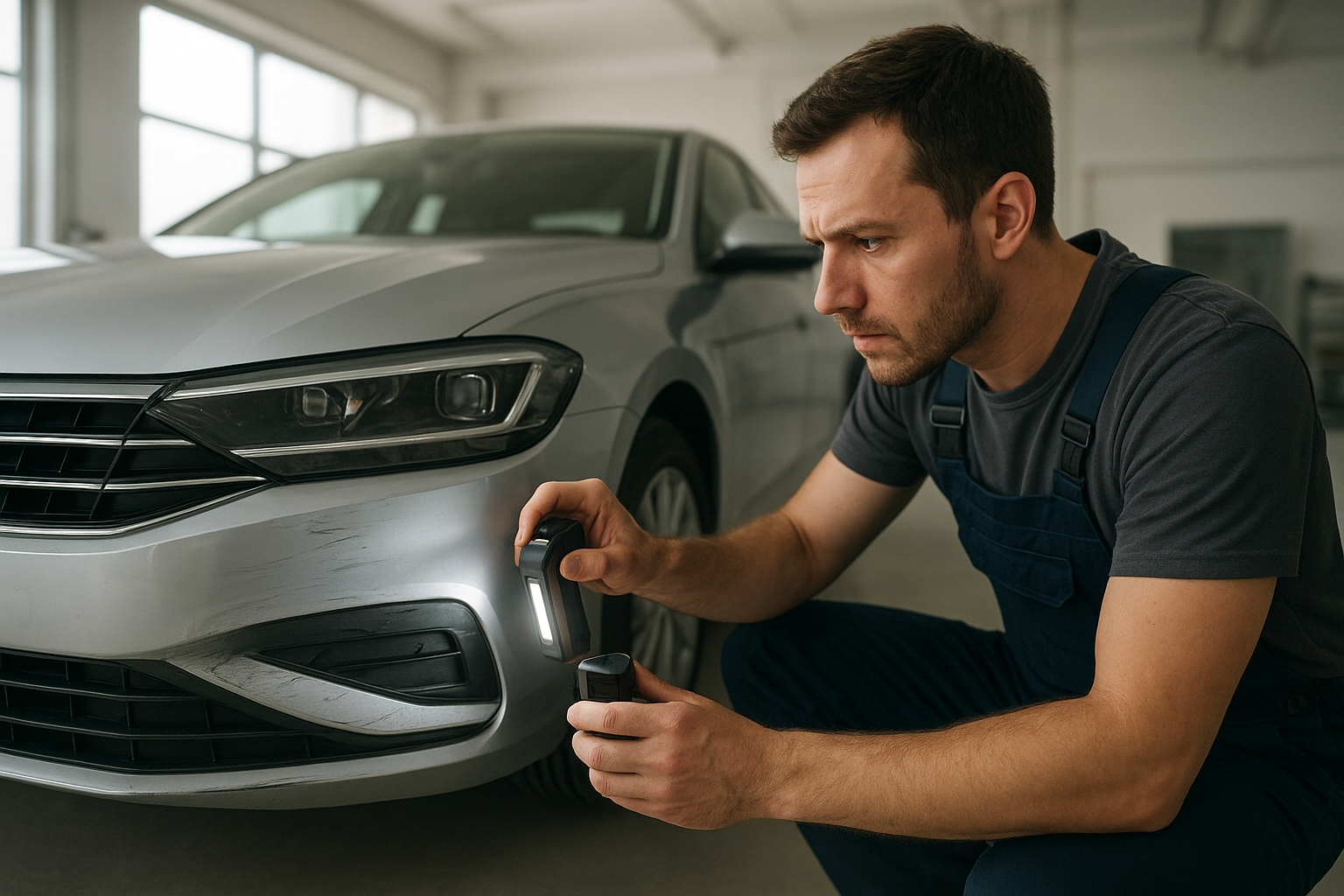
Professional inspection is the first step to an accurate bumper repair cost.
If you’ve been tapped at a light or discovered a parking-lot scrape, your first question is probably the same as everyone else’s: what is the bumper repair cost going to be? Below we break down realistic price ranges as of January 2026, explain the parts and processes that drive the estimate, and show how insurance and modern driver-assistance sensors can affect the final bill.
What’s actually in a “bumper,” and why it affects your final cost
Most late-model cars use a plastic bumper cover over an energy absorber (foam or honeycomb) and a metal reinforcement bar tied to the crash structure. Many front and rear bumpers also house ADAS components such as ultrasonic parking sensors, radar modules, and cameras. Your bumper repair cost depends on which of these pieces are damaged and whether they require paint, replacement, or electronic calibration.
- Bumper cover (plastic): Cosmetic surface that gets painted. Damage here ranges from scuffs and chips to dents, gouges, or cracks.
- Energy absorber and reinforcement bar: Hidden parts that protect the vehicle. If they’re bent or crushed, replacement may be required even when the cover looks fine.
- Hardware and trim: Grilles, bezels, clips, brackets, and sensor mounts that add parts/labor time.
- ADAS sensors: Parking sensors, radar, and cameras may need recalibration after repairs or replacement, adding time and specialized procedures.
How shops build an estimate for bumper repair cost
A professional estimate is more than “parts + paint.” Body shops follow a step-by-step process to document damage, price parts, and calculate labor and materials. See related accident repair costs and timelines to understand overall incident pricing. Here’s what usually goes into the number you see:
1) Disassembly and damage mapping
Estimators remove the cover to check for hidden damage to brackets, absorbers, reinforcements, wiring, and sensors. Hidden issues are a common reason the final bumper repair cost differs from a quick drive-by quote.
2) Repair vs. replace decision
Small gouges and cracks can often be plastic-welded and skimmed, then refinished. Deep tears near mounting points are more likely to be replaced to ensure fit and durability. Shops weigh parts price and repair hours; whichever is lower and safer usually wins.
3) Refinish and color matching
Bumper covers are painted off the car, often with flexible additives. Metallics and pearls may require blending color into adjacent panels for an invisible match. Materials (primer, base, clear) and booth time factor heavily in cost.
4) ADAS sensor handling and calibration
Any time sensors are unplugged, removed, or their mounting surfaces change, ADAS calibration guidance may be required. Static/dynamic calibrations add labor and may involve specialized targets and test drives.

Key components that influence bumper repair cost: parts, labor, refinish, blending, and potential ADAS calibration.
Real-world bumper repair cost ranges in 2026
These ranges reflect typical U.S. body-shop rates as of January 2026 and can vary by vehicle, paint color, and regional labor rates. Luxury models and vehicles with extensive sensors trend higher.
- Light scuffs and paint-only refinish (no cracks, no sensors disturbed): approximately $300–$900.
- Plastic repair for dents/gouges with refinishing: approximately $450–$1,400, depending on damage size and color complexity.
- Replace bumper cover (painted), reuse existing sensors/trim: approximately $800–$2,500 (OEM parts generally higher than aftermarket; luxury or specialty finishes can exceed $3,000).
- Reinforcement bar or absorber replacement add-on: typically +$250–$900 combined parts and labor.
- ADAS calibration: approximately $150–$300 per parking sensor, $300–$600 for radar, and $200–$400 for cameras; total add-on can range from $250–$1,200+ depending on the system.
Front vs. rear bumper considerations
Front bumpers often involve radar modules and active grilles, raising costs. Rear bumpers more commonly include multiple ultrasonic sensors and backup cameras. Either end may require calibration after repair or replacement, which is a key driver of total bumper repair cost.
Repair or replace: which is cheaper—and smarter?
As a rule of thumb, small to moderate cosmetic damage on an undisturbed cover repairs well and keeps costs down. Replacement becomes the better choice when:
- Cracks radiate from mounting points or edges, threatening long-term stability.
- There’s extensive warping that risks poor fit/finish after repair.
- The plastic substrate is thin or brittle and unlikely to hold refinished repairs.
- Part prices are low relative to the labor hours needed for quality repair.
Shops may also suggest a used OEM cover (reconditioned and repainted) to balance cost with factory fit. This approach can save money without the fitment challenges that sometimes accompany non-OEM parts.
Insurance, deductibles, and when to file a claim
If your estimated bumper repair cost is close to or under your deductible, paying out of pocket can avoid a claim. For higher-dollar repairs—especially those involving sensors, reinforcements, or blending multiple panels—comprehensive or collision may be worth using. Keep in mind:
- Insurers and many shops follow OEM procedures; ADAS calibration isn’t optional when required by the manufacturer.
- Choose a repair facility you trust. Direct Repair Program (DRP) shops are convenient, but you can legally select any licensed shop.
- Ask about rental coverage and timelines; calibration or back-ordered parts can extend repair time.
Ways to reduce cost without cutting corners
Instead of asking for the cheapest fix, ask for the safest, most cost-effective plan. Specific, high-impact options to discuss with your estimator include:
- Repairability test: Can localized plastic welding/reshaping meet cosmetic standards and durability, or is a new cover more efficient?
- Used OEM vs. new: A quality used OEM cover (inspected for prior repairs) can pair factory fit with meaningful savings.
- Blend strategy: On non-metallic colors, a shop may achieve an excellent match without blending adjacent panels; on tri-coats and pearls, blending is often essential.
- In-house calibration: Shops with certified calibration equipment can reduce cycle time and additional sublet markups.
- Scheduling: Aligning repair with parts arrival minimizes rental days—an indirect but real portion of total incident cost.

Modern sensors and calibrations can add time and cost to bumper repairs.
Timeline: what to expect from drop-off to delivery
- Check-in and pre-repair scan: Confirms fault codes and documents pre-existing issues.
- Disassembly and revised estimate: Hidden damage is identified; you’ll be contacted for approval if costs change.
- Repair or replacement: Plastic work or part sourcing; fitment is test-assembled before paint.
- Refinish: Color match, base/clear, and curing in a downdraft booth.
- Reassembly and calibrations: Electrical connections verified; sensors calibrated per OEM specs.
- Quality control and post-repair scan: Ensures systems are fault-free before delivery.
Total time ranges from 1–3 days for paint-only scuffs to 5–10+ days when parts, blending, or calibration is required and parts availability is tight.
Sample scenarios to benchmark your bumper repair cost
- Parking scuff on plastic cover, no sensors disturbed: $300–$700; 1–2 days.
- Quarter-sized gouge with plastic repair and repaint: $600–$1,200; 2–3 days.
- Cover replacement on a mainstream sedan, reuse sensors: $1,000–$1,900; 3–5 days.
- Luxury SUV with pearl tri-coat paint, radar module, and blending: $2,000–$4,500+; 5–10 days.
These examples assume no structural damage. If the reinforcement bar or crash components are compromised, expect additional parts and safety inspections.
Get a precise bumper repair cost estimate in Brea/Orange County
Online calculators can’t see your paint code, substrate condition, or sensor suite. For an accurate number—and a repair plan that balances safety, appearance, and cost—book an in-person estimate. If you’re local to North Orange County, you can get a bumper repair estimate in Brea and have a specialist explain options like repair vs. replacement, used OEM availability, and on-site calibration. Clear photos and your VIN (for paint code and options) will speed up the process.
Prefer to talk first? Reach out to the team at breaautobody.com to discuss timing, parts availability, and whether an insurance claim makes sense for your situation. Last updated July 7, 2026. Author: Brea Auto Body.
Bottom line
Your bumper repair cost in 2026 hinges on four things: the extent and location of damage, paint complexity and blending, underlying structural condition, and whether ADAS sensors need calibration. For small scuffs, expect a few hundred dollars; for replacement and calibration on sensor-heavy vehicles, a few thousand isn’t unusual. Get a professional inspection, ask about repairability versus replacement, and choose a shop that follows OEM procedures—your wallet and your safety both benefit. Learn about our Collision repair and ADAS services for sensor-equipped vehicles and calibration options.

