

Body Shop Downtown Brea: The Complete Local Guide to Collision Repair, Estimates, and Getting Back on the Road

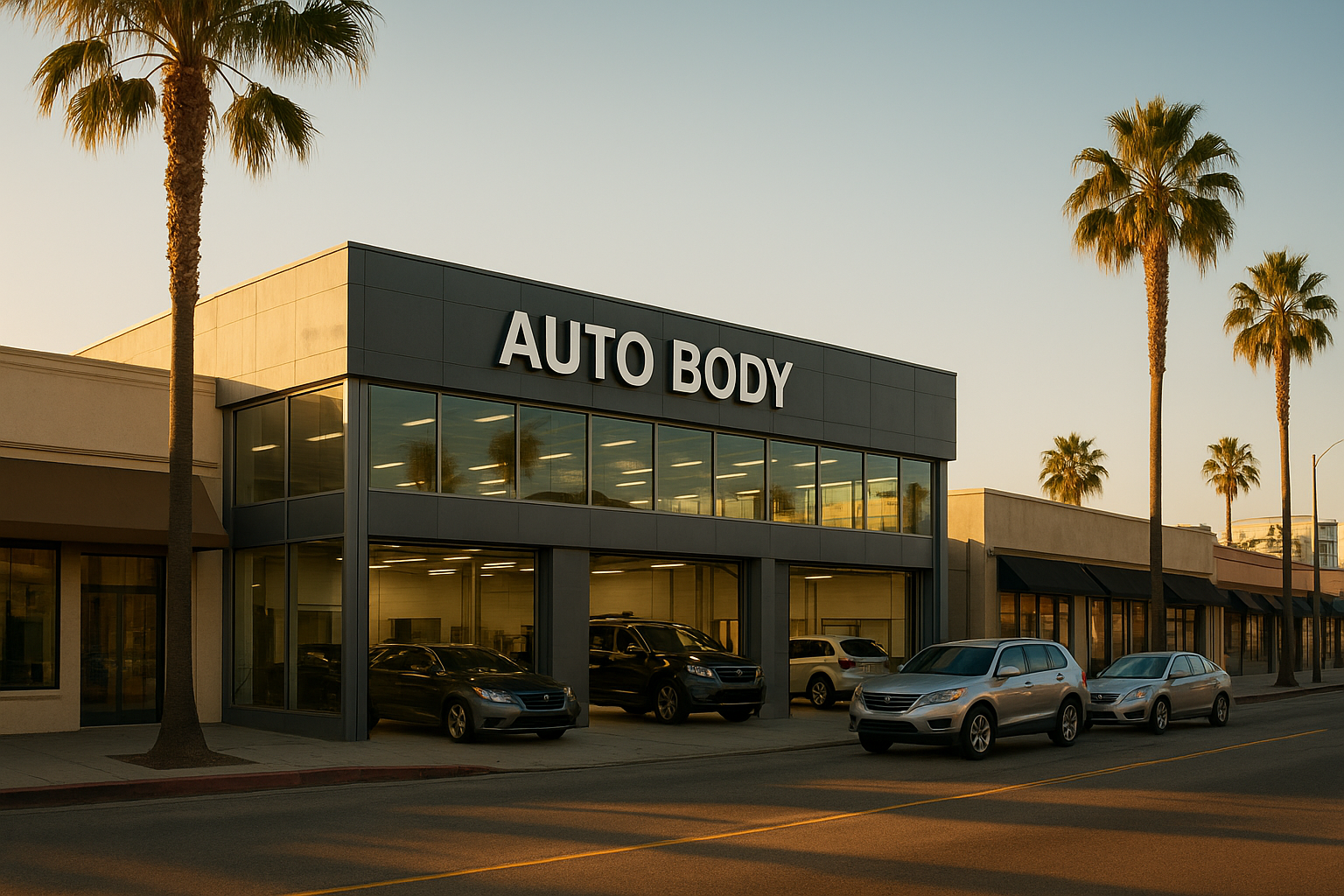
A welcoming, modern body shop in downtown Brea — where precision collision repair meets everyday convenience.
If you’re searching for a body shop downtown Brea, this guide answers every question you have — from how collision repair actually works and what a fair estimate looks like, to which certifications matter, how to handle insurance, and what separates a shop worth trusting from one you’ll regret. No filler, no runaround — just what you need to make a confident decision.
Why Location Matters: Choosing a Body Shop in Downtown Brea
Downtown Brea is one of Orange County’s most walkable and accessible urban cores, and that accessibility is a genuine advantage when your car is in the shop. Choosing a body shop in downtown Brea means you can drop off your vehicle and walk to a café, catch a rideshare to work, or browse the Brea Mall while your estimate is written — instead of sitting in a waiting room miles from anywhere useful.
But convenience is just the starting point. Local shops in the downtown Brea area build a practical knowledge base about the specific collision patterns, road conditions, and parking-lot situations Brea drivers encounter daily. They understand that Southern California’s intense UV exposure degrades clearcoat, that certain intersections along Imperial Highway and Brea Boulevard generate predictable scrape and fender-bender patterns, and that many Brea residents drive newer vehicles with aluminum panels, advanced safety systems, and complex paint formulas that require specialized handling.
Proximity also eliminates frustration throughout the repair. When a supplement is needed — that is, when teardown reveals hidden damage — a local shop can reach you quickly and keep the job moving. If a sensor calibration requires a test drive after reassembly, you’re nearby to pick up same day. And if you have a concern about a panel gap or paint transition after delivery, stopping by for a five-minute look is effortless when the shop is downtown.
Local insight: Downtown Brea sits near the 57 Freeway, Carbon Canyon Road, and Lambert Road — three corridors where multi-vehicle incidents and debris strikes are common. A shop that regularly services vehicles from these routes knows the typical damage profiles and has the parts relationships to back it up.
What Full-Service Collision Repair Actually Includes
“Full service” is a phrase that gets thrown around loosely — but at a reputable downtown Brea body shop, it represents a coordinated sequence of distinct disciplines, each of which can compromise your vehicle’s safety or resale value if skipped or done wrong. Here’s what that sequence looks like from the inside.
1. Intake, documentation, and disassembly
A professional shop begins with a thorough photo documentation of all visible and pre-existing damage. Before any work starts, the affected area is disassembled to expose hidden structure. This disassembly inspection is what separates a real estimate from a guess — and it’s the step most shops that underbid will skip or rush.
2. Structural repair and frame alignment
Modern vehicles use unibody and space-frame construction — meaning the body itself is the structure. Any deviation from factory geometry affects how crash energy travels, how airbags deploy, and how the vehicle handles. A qualified Brea collision shop uses computerized frame measuring systems (such as Chief or Car-O-Liner equipment) to verify and restore dimensional accuracy to OEM tolerances. Repairs are documented so there’s a verifiable record that structural work met spec.
Metal work — whether MIG welding, squeeze-type resistance spot welding (STRSW), or structural adhesive bonding — must match the repair procedures published by your vehicle’s manufacturer for that specific substrate. Using the wrong technique on high-strength steel or aluminum can introduce brittleness or void factory repair standards.
3. Panel replacement and metal finishing
Damaged panels are replaced or repaired to restore factory fit and finish. Panel gaps — the spaces between doors, fenders, hoods, and bumpers — should be uniform and consistent with the vehicle’s factory specifications. Misaligned panels are a visible sign of shoddy repair and can create wind noise, water intrusion, and long-term rust issues.
4. Paint and refinish calibrated for SoCal light

Precision color matching via spectrophotometer ensures repaired panels are indistinguishable in bright California sunlight.
Color accuracy is non-negotiable in Southern California, where bright, consistent sunlight exposes even small variations in tint, metallic flake orientation, or gloss level. Quality shops in downtown Brea use spectrophotometers to read your car’s exact color variant — not just the paint code, which can represent dozens of slightly different formulas produced over a model year’s production run.
Refinishing happens inside a controlled spray booth with filtered air, precise temperature, and proper curing. Adjacent panels are blended when necessary to produce an invisible transition — not just sprayed to the edge and hoped for. Waterborne basecoat systems used by modern shops meet California’s strict VOC regulations while producing exceptional color match results.
After paint, a proper clear coat application and machine polish produce a uniform gloss. Texture matching — ensuring the orange-peel surface texture of the new paint matches the surrounding panels — is a detail that distinguishes thorough workmanship from a quick spray job.
5. Corrosion protection
Wherever metal is cut, welded, or bonded, factory corrosion protection is disrupted. Reputable shops restore it: applying weld-through primer, seam sealer, cavity wax, and undercoating as needed to match or exceed factory specifications. Skipping this step leads to rust that may not surface for a year or two — long after a short warranty expires.
6. Mechanical systems and suspension
Collisions don’t respect boundaries between body and mechanical systems. Impacts that damage bumpers and fenders frequently also stress tie rods, control arms, struts, steering racks, and radiator supports. A full-service body shop in Brea will flag mechanical damage during teardown and either address it in-house or coordinate with a trusted mechanical partner — with a documented repair order so you know exactly what was done.
7. Electronics, sensors, and ADAS systems
See the dedicated ADAS section below — this is one of the most consequential and most commonly under-addressed aspects of modern collision repair.
8. Quality control inspection and delivery detailing
Before your vehicle is returned, a quality shop conducts a structured inspection: panel gap measurements, paint thickness readings, scan tool verification that no DTCs (diagnostic trouble codes) are stored, and a road test to confirm mechanical and handling behavior. Final detailing removes overspray residue and shop dust, giving you a clean surface to inspect paint lines, transitions, and texture yourself during the walk-around at delivery.
Certifications, Training, and Why They Matter for Your Car
Not all body shops in the Brea area operate at the same technical level. Certifications are one of the most reliable ways to evaluate whether a shop has invested in the training, tooling, and procedures required to repair modern vehicles correctly. Here’s what to look for — and what each one means.
I-CAR Gold Class®
I-CAR (Inter-Industry Conference on Auto Collision Repair) sets the training standard for the collision repair industry. A shop that holds I-CAR Gold Class® designation has demonstrated that all roles — from estimator to painter to structural technician — meet ongoing training requirements. Gold Class is not a one-time award; it requires continuous recertification as vehicles and repair technologies evolve. This designation is widely regarded as the baseline for quality shops.
OEM Certifications
Many automakers — including Ford, GM, Honda, Toyota, BMW, Mercedes-Benz, Tesla, and others — operate certified collision repair programs that require shops to meet specific equipment, tooling, and training standards to be listed as authorized repairers. If you drive a vehicle from one of these brands, choosing an OEM-certified shop means your car is repaired to the manufacturer’s exact documented procedures. This matters especially for aluminum-intensive vehicles, EVs and hybrids with high-voltage systems, and vehicles with complex ADAS configurations.
ASE Certifications
ASE (Automotive Service Excellence) certifications are individual credentials that technicians earn by passing knowledge exams and demonstrating hands-on experience. ASE-certified painters, body technicians, and estimators represent verifiable competence. When you ask a shop about their technicians’ credentials, ASE certifications are a meaningful answer.
PPG, Axalta, or Manufacturer Paint System Certifications
Premium refinish suppliers — including PPG and Axalta — certify shops that use their complete paint systems and meet their application standards. This is relevant because color match accuracy is closely tied to using a complete, compatible system rather than mixing components from different brands.
What to ask any body shop in downtown Brea: “Are you I-CAR Gold Class? Are you certified for my vehicle make? What certifications do your individual technicians hold?” A quality shop will answer these questions directly — and be proud to.
Estimates, Supplements, and Navigating Insurance

The collision repair journey — from intake to delivery — made transparent and predictable at a downtown Brea body shop.
What an estimate actually is (and isn’t)
An estimate is an educated snapshot of visible damage taken before teardown. It is not a final price. This is important to understand: until parts are removed and structure is exposed, no shop can guarantee that the written estimate captures the full scope of damage. Honest shops explain this clearly upfront — shops that don’t may be setting you up for unpleasant surprises or, worse, cutting corners to stay within a low initial figure.
Supplements: the normal part of collision repair
A supplement is the additional work order written when teardown reveals damage not visible in the initial estimate. Supplements are not a sign of dishonesty — they’re a sign that the shop disassembled the vehicle properly and documented what they found. A shop that never writes supplements is almost certainly not looking carefully enough.
When a supplement is written, a professional downtown Brea body shop will communicate it to you directly and, if insurance is involved, submit it to the carrier for approval. You should receive a written update before any additional work begins.
Your rights when an insurer is involved
In California, you have the right to choose your own body shop regardless of which insurer is paying. An insurance company can recommend a shop on their Direct Repair Program (DRP), but they cannot legally require you to use it. DRP shops have agreed to pricing that may benefit the insurer — which isn’t automatically bad, but means you should independently verify quality credentials before defaulting to an insurer’s recommendation.
If your insurer writes a low estimate and your chosen downtown Brea shop finds the repair requires more, the shop can and should negotiate directly with the adjuster on your behalf. You should not have to act as the intermediary for that conversation.
Deductibles, rental cars, and out-of-pocket clarity
A full-service body shop in Brea will walk you through what your policy covers, what you’ll pay out of pocket, and whether your rental coverage is sufficient for the estimated repair duration. If it isn’t, knowing that on day one lets you plan transportation — not scramble when the rental runs out on day eight.
Practical tip for downtown Brea drivers: Drop-off is genuinely convenient downtown. If your vehicle isn’t drivable, ask the shop about tow-in coordination and secure after-hours drop-off. Many reputable shops can arrange direct billing with major carriers and have loaner vehicles or rental referral relationships.
How to Compare Two Estimates the Right Way
When comparing estimates from two body shops in Brea or the surrounding area, the total price is the least informative number on the page. Two estimates can be $500 apart for reasons that have nothing to do with quality — and sometimes the lower estimate represents the greater long-term cost.
Here’s how to compare them meaningfully:
- Repair procedures match OEM documentation. Does the estimate reference the vehicle maker’s documented repair method for your specific VIN and build? Procedures vary by model year, trim level, and body type. A shop repairing a 2022 Honda CR-V should be referencing Honda’s published repair procedures — not applying generic practices.
- Scans and calibrations are line-itemed. If your vehicle has parking sensors, a backup camera, lane-keep assist, automatic emergency braking, or any other ADAS feature, those systems require pre- and post-repair electronic scans. If an estimate doesn’t include them, ask why — and be wary of the answer.
- Corrosion protection is specified. Wherever panels are welded or bonded, corrosion protection must be restored. If an estimate doesn’t mention weld-through primer, seam sealer, or cavity wax, ask whether it’s included — and in what form.
- Blend refinishing is noted where needed. An invisible color match often requires blending (feathering the new paint into adjacent panels). If an estimate shows only the damaged panel being painted and neighboring panels are visually mismatched paint, you’ll see it every day in your driveway.
- Parts quality is clearly stated. See the next section for a full breakdown — but at minimum, you should know whether the estimate calls for OEM parts, certified aftermarket, or LKQ (like-kind-and-quality used) parts, and why.
- Timeline includes milestones, not just a day count. A vague “7–10 business days” tells you little. A shop with good communication gives you expected parts arrival dates, paint start, and estimated completion — so you can plan.
- Warranty terms are in writing. Ask: what’s covered (paint, parts, labor), for how long, and how warranty claims are handled. A shop confident in its workmanship backs it in writing.
OEM vs. Aftermarket vs. LKQ Parts: What to Choose
Parts selection is one of the most consequential decisions in collision repair — and one most drivers don’t know they can influence. Here’s a plain-English breakdown of the three main categories:
OEM (Original Equipment Manufacturer) Parts
OEM parts are manufactured by or for your vehicle’s automaker and are identical to what was installed at the factory. They are designed to fit, function, and finish exactly as intended — including correct mounting points, sensor integration, and corrosion coatings. OEM parts typically cost more, but they eliminate fitment uncertainty and ensure sensors and safety systems integrate correctly. If your vehicle is under manufacturer warranty, using OEM parts protects that warranty.
CAPA-Certified Aftermarket Parts
Not all aftermarket parts are created equal. CAPA (Certified Automotive Parts Association)-certified aftermarket parts have been independently tested for fit, finish, and material conformance. CAPA certification is a meaningful quality floor for non-structural parts. Un-certified aftermarket parts vary widely in quality — some fit and finish well, others introduce gaps, paint adhesion problems, and sensor mount misalignment.
LKQ (Like-Kind-and-Quality) Recycled Parts
LKQ parts are used components pulled from salvage vehicles and graded for condition. For certain parts — sheet metal, glass, trim pieces — LKQ can be a cost-effective and environmentally sensible choice, particularly on older vehicles where OEM parts are discontinued. The risk is variability: without a physical inspection, “good condition” means different things to different suppliers. Reputable Brea shops vet their LKQ sources and inspect parts before installation.
Your say in parts selection: California law requires shops to disclose what type of parts they plan to use in a repair. You have the right to request OEM parts even if your insurer initially specifies aftermarket — though you may be responsible for the price difference. A good body shop downtown Brea will explain this clearly and advocate for the right parts on your behalf.
Real Repair Timelines and How to Stay Informed

Downtown Brea’s central location makes drop-offs, check-ins, and pick-ups easy on any schedule.
Two questions drive every repair timeline: how quickly can parts be sourced, and how complex is the structural or electronic work? Understanding both helps you set realistic expectations and plan transportation accordingly.
Typical repair time ranges
- Minor cosmetic repairs (door ding, small dent, single panel paint): 1–3 business days
- Moderate damage (bumper replacement, fender repair, paint blend): 3–5 business days
- Significant collision damage (multiple panels, structural work, ADAS calibration): 1–3 weeks
- Severe structural damage or rare parts procurement: 3–6 weeks or more
These ranges assume parts availability is normal. Post-pandemic supply chain disruptions continue to affect OEM parts lead times — particularly for specialty trim, sensors, and certain imported components. A transparent shop in downtown Brea will tell you upfront if a critical part is on backorder and give you a realistic revised timeline rather than optimistic estimates that shift daily.
Milestone-based communication
A shop worth trusting communicates by milestone, not just by day count. Ask at intake for updates at these stages:
- Disassembly complete and supplement written — you know the full scope and final cost
- Parts arrived — bodywork can proceed
- Structural work complete — frame measurements documented
- Paint booth scheduled — refinish timeline is fixed
- Reassembly complete and scans run — vehicle going to detail
- Ready for pick-up — walk-around scheduled
ADAS Calibration: The Most Consequential Step Most People Don’t Know About
Advanced Driver Assistance Systems (ADAS) are present on virtually every vehicle manufactured in the last eight years. These include forward collision warning and automatic emergency braking, lane departure warning and lane-keep assist, adaptive cruise control, blind-spot monitoring, rear cross-traffic alert, and 360-degree camera systems. Every one of these features depends on cameras, radar sensors, and ultrasonic sensors that are calibrated to precise geometric positions relative to the vehicle’s structure.
When a collision displaces a bumper cover, a fender, a windshield, or a mirror — even by a small amount — those calibrations are thrown off. A forward-facing camera that’s aimed even slightly off-axis may fail to detect a pedestrian or trigger a braking event too late. A radar sensor behind a replaced bumper cover may report false positives or miss a vehicle in an adjacent lane entirely.
Static vs. dynamic calibration
Static calibration is performed in the shop using a precisely positioned target board at a specified distance from the vehicle. It requires a level floor, controlled lighting, and the correct target dimensions for your specific vehicle. Dynamic calibration is performed on the road at a specified speed, with the system self-calibrating through defined driving patterns. Many vehicles require both. A body shop downtown Brea that performs proper ADAS calibration will use OEM-specified procedures or manufacturer-approved equipment — not generic tools that estimate calibration parameters.
Pre- and post-repair scanning
A scan before repair establishes a baseline — documenting any pre-existing fault codes separate from collision-related damage. A scan after repair confirms that all systems are functioning correctly and no new codes have been introduced during reassembly. Both scans should be documented and provided to you. If a shop doesn’t routinely perform both, it’s a red flag for your vehicle’s safety systems and potentially for your insurance claim validity.
? Important: Driving a vehicle with uncalibrated ADAS systems is a genuine safety risk — not just a quality concern. Always confirm that your body shop downtown Brea has performed and documented all required calibrations before you accept delivery of your repaired vehicle.
Warranties: What’s Covered, What to Ask, and What to Watch Out For
A written warranty from your body shop is not a formality — it’s a commitment that tells you how much the shop trusts its own work. Here’s how to evaluate what you’re offered.
What a strong collision repair warranty covers
- Paint and finish: Peeling, cracking, fading, or loss of adhesion that originates from the repair — not from post-repair abuse. A serious shop offers a lifetime warranty on paint and workmanship.
- Parts labor: If a replaced part fails due to defective installation or a faulty component, the shop stands behind reinstallation at no charge.
- Structural repairs: Frame and structural work should be warranted against defects in workmanship for a defined period.
Questions to ask before you sign
- Is the warranty transferable if I sell the vehicle?
- Does the warranty apply only at this location, or across multiple locations if the shop is part of a network?
- What voids the warranty — and is that in writing?
- How quickly can warranty claims be processed, and do I need to make an appointment?
Living near downtown Brea makes warranty service genuinely convenient. If you notice a paint bubble or a trim piece that isn’t sitting flush, stopping by for a quick evaluation costs you little. Choose a shop that welcomes that kind of follow-up rather than one that makes you feel like a nuisance for asking.
FAQ: Your Top Questions About Body Shops in Downtown Brea
How to Choose the Right Body Shop in Downtown Brea
With everything covered in this guide, here’s a practical checklist you can use to evaluate any body shop in downtown Brea or the surrounding area before you commit:
- Verifiable certifications: I-CAR Gold Class® at minimum. OEM certifications for your vehicle make if available. Ask for documentation — not just claims.
- Clear communication from the first contact: A shop that answers your questions directly, explains the process unprompted, and doesn’t rush you to a signature is a shop that treats customers as partners.
- Written documentation at every stage: Initial estimate, supplement (if issued), parts order confirmation, scan reports, and warranty — all in writing.
- ADAS capability confirmed: Ask directly: “Do you perform pre- and post-repair electronic scanning, and do you do static and dynamic ADAS calibration on-site?” The answer reveals a lot about technical investment.
- Controlled spray booth and spectrophotometer: Non-negotiable for quality paint results in SoCal light conditions.
- Honest timeline with milestone updates: Optimistic timelines that keep slipping are a sign of poor production management. Ask how they communicate updates and what triggers each notification.
- Lifetime warranty on workmanship in writing: A shop confident in its repairs backs them indefinitely. Verify what “lifetime” means — some shops qualify it by ownership period.
- Transparent parts policy: The shop should proactively disclose what type of parts they’re using and explain why — especially for structural components and sensor-integrated bumper assemblies.
When you’re ready to move forward, a well-reviewed local option right in the heart of the city is Brea Auto Body in downtown Brea — where you can request an estimate, ask about ADAS calibration, confirm parts policy, and schedule a drop-off that fits your calendar.
Your car is how you move through work, family, and the city you live in. The body shop you choose should understand that — and return it to you in better shape than you expected, with the documentation to prove every step was done right.

