

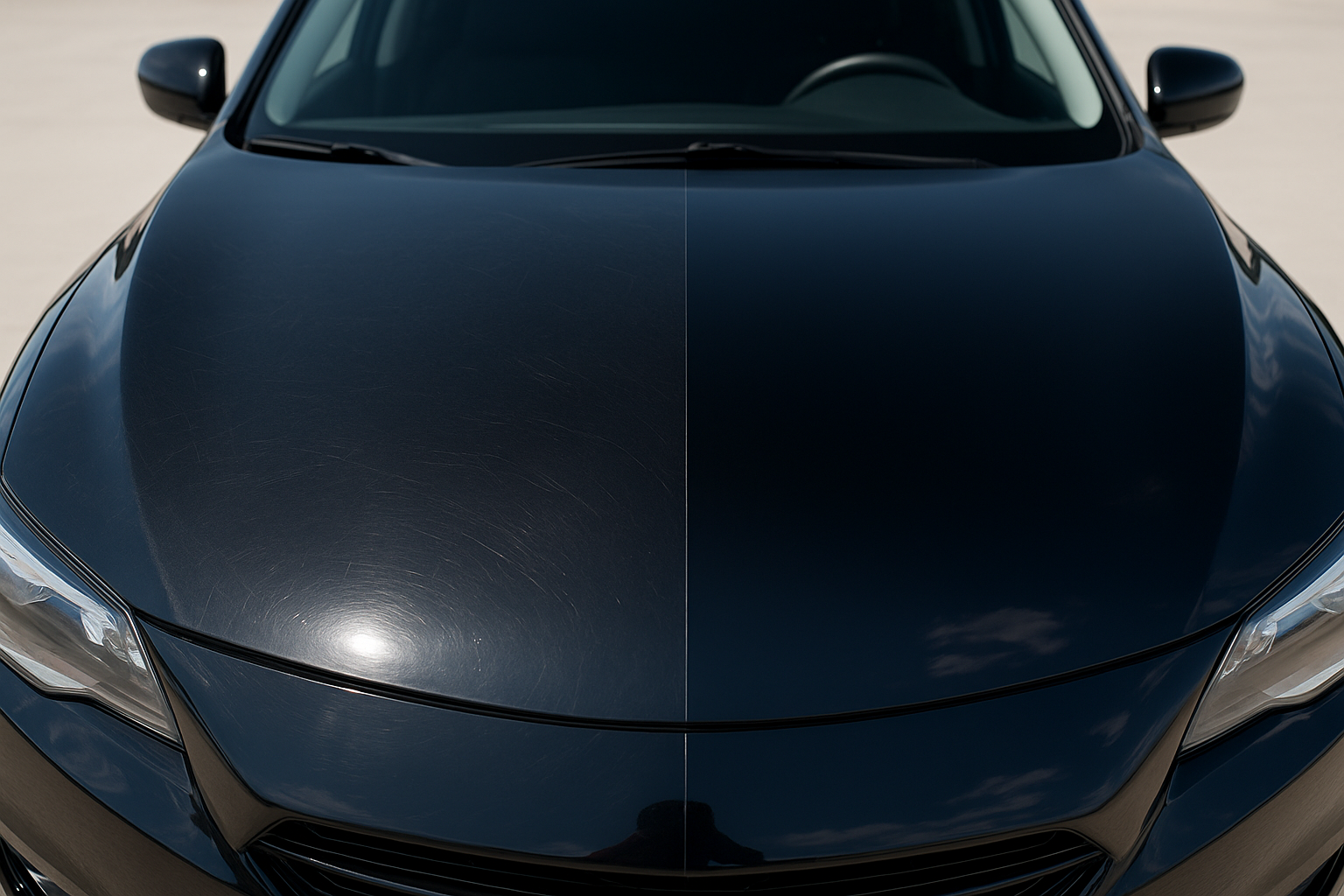
Clear Coat Scratch Repair: Diagnose, Fix, and Protect Your Paint the Right Way

Clear coat scratch repair can restore mirror-like gloss when performed correctly. For a deeper walkthrough, see our Chrome Repair: The Complete 2026 Guide to Restoring Bumpers, Wheels, and Trim.
If you’ve noticed spider-webbing in the sun or a single scuff that catches your eye every time you walk up to the car, you’re a perfect candidate for clear coat scratch repair. In this guide, you’ll learn how to identify whether a mark lives solely in the clear coat, which techniques actually remove it (not just hide it), when it’s smarter to call a professional, and how to protect your finish so the fix lasts. Author: Brea Auto Body technicians (ASE-certified). Last updated: 2026-08-14.
What the Clear Coat Does—and Why Scratch Depth Matters
Modern factory finishes are a layered system: substrate and primer for adhesion, a pigmented basecoat for color, and a transparent clear coat that provides gloss, depth, and UV protection. Most light scratches and swirls mar only the top portion of the clear coat. The good news: if color isn’t disturbed and the mark isn’t deep, you can often correct it by leveling the surrounding clear slightly and refining to a high gloss.
However, if the scratch reaches the color layer or even primer, you’ll need more than polishing. The strategy changes from correction to repair and refinishing, typically best handled by a body shop.

Understanding paint layers helps you choose the right clear coat scratch repair method.
Diagnose the Scratch: Three Quick Tests
1) The Fingernail Glide
Gently drag a clean fingernail across the scratch at a right angle. If your nail doesn’t catch, it’s likely superficial and polishable. A slight catch suggests a deeper mark—still often fixable with careful sanding and compounding. A firm “click” usually indicates penetration into basecoat or primer.
2) The Water Disappearing Act
Mist clean water over the area. If the scratch visually disappears when wet and returns as the water evaporates, it’s probably in the top clear only. If it remains obvious even when wet, it could be through the clear into color or primer.
3) The Light and Angle Check
Use a bright LED at a shallow angle. Rotational swirls radiate around a light source; linear marks from keys or brush contact typically run straight. The pattern tells you whether you need broad-area correction (swirls) or a tiny, targeted repair (single line).
DIY Clear Coat Scratch Repair for Light to Moderate Marks
For defects that live in the clear only, a controlled, step-by-step approach yields pro-level results without thinning your clear coat excessively. Work on a cool surface, out of direct sun, and start with the least aggressive method that can achieve your goal.
Tools and Materials
- pH-neutral car wash, microfiber wash mitt, and plush drying towels
- Decontamination: clay bar or synthetic clay mitt with lubricant
- Painter’s tape for edges and trim
- Compound and finishing polish matched to your paint hardness
- Dual-action polisher (DA) with foam or microfiber pads
- Optional for deeper marks: 3000–5000 grit foam-backed finishing discs and a rubber interface pad
- Isopropyl alcohol (diluted) for inspection wipes; quality paint-safe panel wipe
- Paint protection for aftercare: sealant, ceramic coating, or wax
Step 1: Deep Clean and Decontaminate
Wash thoroughly, then clay the isolated area to remove embedded contaminants that can mar the surface during polishing. Dry with clean microfiber towels.
Step 2: Mask High-Risk Edges
Edges and body lines have less clear. Mask badges, textured plastics, and sharp creases. Respect heat and pressure here.
Step 3: Test Spot with a Finishing Polish
Always begin with the least aggressive approach. Prime a soft foam pad with a finishing polish. Set your DA to a low-to-medium speed. Make 2–3 slow cross-hatch passes with minimal pressure. Wipe, inspect under a bright light, and gauge progress. If improvement is inadequate, step up to a light compound and a more corrective pad.

Machine polishing levels micro-defects in the clear coat to restore clarity and depth.
Step 4: For Stubborn Scratches, Finish-Sand First
If a mark remains visible after compounding, consider very light wet sanding with 3000–5000 grit foam-backed discs. Can buffing remove scratches Keep the area small, use plenty of lubrication, and make a few even strokes. Your goal is to reduce the ridge of the scratch, not to erase it entirely at the expense of clear thickness. Follow with compound, then refine with finishing polish.
Step 5: Inspect Between Each Stage
After each set, wipe with a panel wipe and inspect under strong lighting from multiple angles. Stop as soon as the defect is gone or accept a partial improvement if the remaining depth would risk over-thinning the clear.
Step 6: Protect the Result
Seal your work. A high-quality sealant or ceramic coating increases gloss, adds slickness, and slows future micro-marring. Re-inspect the finish after the first wash to ensure the correction holds without filler effects.
When to Choose Professional Clear Coat Scratch Repair
Some damage crosses the threshold where DIY becomes risky or ineffective. If you see color transfer, exposed primer, crow’s-foot cracking around the scratch, or damage on edges and tight curves, find a reliable body shop is wise. Professionals can measure remaining clear, blend repaired areas invisibly, and match texture and orange peel so the panel looks factory again.
If you’re in Orange County, consider professional clear coat scratch repair at Brea Auto Body. Their team can assess whether precision polishing, localized clear reflow, or a controlled spot repair and blend will deliver the cleanest result with the least disruption to surrounding paint.

A professional assessment determines whether polishing, spot refinishing, or blending is the best path.
Professional Advantages
- Accurate diagnosis of scratch depth and risk areas
- Access to professional compounds, pads, and spray equipment
- Color and texture matching for invisible blends
- Dust control, curing, and lighting that ensure consistency
- Warranty support and documentation—valuable for leased or newer vehicles
Spot Repair vs. Full Panel Refinish: Cost and Time Factors
Costs vary by vehicle, color, and location, but here’s how shops typically decide: If the defect is fully in the clear and confined, correction and spot re-clear may suffice. If the scratch touches basecoat or spans a large area, a full panel refinish and blend into adjacent panels may be recommended to maintain color uniformity. Labor time is driven by prep, masking, curing, and polishing the newly painted area. For an accurate estimate, schedule an in-person inspection and lighting check.
Aftercare: Make Your Repair Last
First 48 Hours
Avoid washing or applying protection immediately after refinishing or heavy correction. Let solvents outgas and any new clear harden as instructed by your shop.
Weeks 1–4
Stick to touchless rinses or gentle hand washes with a pH-neutral shampoo and plush mitt. Skip automatic brushes. Inspect towels; anything rough can reintroduce marring.
Long-Term Protection
Establish a maintenance cycle with a durable sealant or ceramic coating, and refresh it as recommended. Use proper two-bucket wash methods and clean, quality microfibers. Parking under cover and keeping the surface contaminant-free slows down micro-scratching and oxidation.
Troubleshooting Common Pitfalls
Haze After Polishing
Likely micro-marring from an aggressive pad/compound combo or too much heat. Step down to a finishing polish on a softer pad and reduce pressure. Work smaller sections and clean pads frequently.
Scratch Returns After a Few Washes
Some products fill defects temporarily. Reinspect after an alcohol wipe. If the scratch reappears, you need additional correction—or the mark is too deep for safe removal and should be minimized, then protected.
Edges Turning Dull
You’ve overworked a thin area. Stop and reassess. Mask edges early and keep machine pressure light near body lines.
Why Choose a Trusted Local Shop
The difference between “good from three feet” and “where did the scratch go?” is technique, lighting, and product choice. Experienced technicians also know when to say “no” to over-correction that risks long-term durability. For transparent guidance and workmanship you can stand behind, book an estimate with Brea Auto Body. If you’re researching standards and training, organizations like I-CAR offer insights into collision repair best practices.
The Bottom Line
Clear coat scratch repair is part science, part artistry. Diagnose depth first, start with the least aggressive method, and protect the surface once you’ve restored clarity. When the mark is too deep or located in a high-risk area, partnering with a Collision repair in Brea ensures the finish looks right today and ages well tomorrow. Ready to bring back the gloss? Schedule your clear coat scratch repair with Brea Auto Body and enjoy that just-detailed look every time you walk up to your car.

