

Collision Repair Brea California: Everything You Need to Get Back on the Road

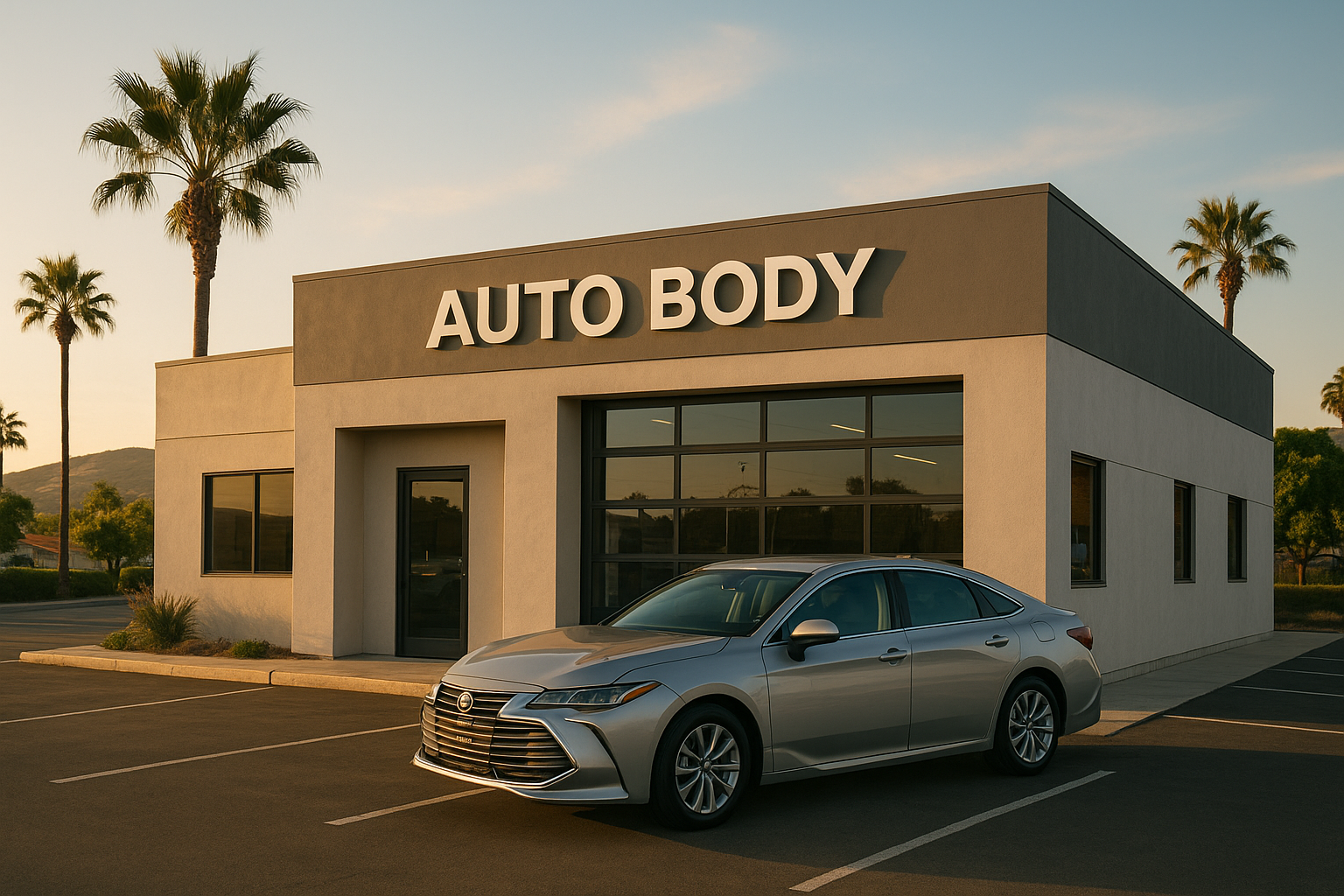
Local scene for collision repair in Brea, California, where trusted auto body shops serve drivers across North Orange County.
If you’re Googling “collision repair Brea California,” chances are you need fast answers, clear pricing expectations, and a shop that understands modern vehicles. This guide walks you through what to do after a crash in Brea, how estimates really work, what to expect during repairs, and how to navigate insurance without stress. You’ll also find practical tips tailored to life near Brea Mall, the 57 and 90 freeways, and surrounding neighborhoods from Downtown Brea to Carbon Canyon.
Right After a Crash in Brea: Safety, Documentation, and Next Steps
First ensure safety: move to a safe location, check for injuries, and call local authorities if needed. Document the scene with photos of vehicle positions, close-ups of damage, and any visible road markings near intersections like Imperial Highway, Lambert Road, or Brea Boulevard. Exchange information, note witness details, and—if the vehicle is drivable—head somewhere well lit for better photos. Even minor fender-benders can mask structural or sensor damage, so plan on a professional inspection before committing to repairs.
If you need quick guidance or to arrange an estimate with a local pro, visit Brea Auto Body in Brea for collision repair and estimates. A local shop can help you decide whether to drive, tow, or temporarily secure the vehicle.
How to Choose a Collision Repair Shop in Brea, California
Shop selection matters more than most drivers realize. Beyond clean paintwork, modern vehicles require precise measurements, OEM-referenced procedures, and advanced calibrations. When evaluating a Brea shop, consider:
- Experience with your vehicle’s materials: Aluminum, high-strength steel, and mixed-material bodies require specific repair methods.
- Access to OEM procedures and parts: A quality shop follows manufacturer repair information and discusses OEM versus alternative parts when appropriate.
- Calibration capability: ADAS features (adaptive cruise, lane-keep, blind-spot) often require pre- and post-repair scans and calibrations.
- Transparent timelines: Orange County parts availability, insurer approvals, and calibration scheduling influence delivery dates—good shops explain this upfront.
- Lifetime warranty policies: Ask what’s covered (paint, labor, parts) and for how long.
Local familiarity is a bonus. Shops that work daily with Brea drivers understand traffic patterns around Birch Street, the Tracks at Brea, and the 57 interchange—where many low-speed collisions occur—and can recommend whether mobile estimates, drop-off, or towing best fit your situation.
The Collision Repair Process, Explained Step by Step
Knowing the roadmap reduces stress and helps you make informed choices.
- Damage assessment and estimate: A visual estimate identifies obvious issues. Hidden damage is common and addressed after disassembly.
- Insurance authorization: If you’re going through insurance, the shop coordinates with your adjuster. You always have the right to choose the shop in California.
- Disassembly and blueprinting: Technicians remove damaged panels to uncover structural issues, write a complete repair “blueprint,” and order parts.
- Structural and body repairs: Straightening on calibrated frame equipment ensures the vehicle meets factory dimensions and crash management standards.
- Paint preparation and refinishing: Color matching, blending adjacent panels, and curing produce a factory-like finish.
- Reassembly and calibrations: Sensors, cameras, and modules are reinstalled and calibrated; warning lights are checked and cleared where appropriate.
- Quality control and delivery: Fit-and-finish inspection, road test (as applicable), and a final walk-through with you to review the work and warranty.

Clear view of the collision repair process Brea California drivers can expect from estimate to delivery.
Modern Vehicles Need More Than Paint: Scans, Sensors, and Calibrations
Even a “simple” bumper impact can disrupt radar and ultrasonic sensors or misalign a forward-facing camera behind the windshield. That’s why modern collision repair includes:
- Pre- and post-repair scans: Electronic diagnostics reveal trouble codes not visible to the eye.
- Static and dynamic ADAS calibrations: Depending on the system, technicians use targets and alignment procedures or perform road-based calibrations to verify correct operation.
- Precise structural measurements: Laser or computerized frame systems confirm the chassis is back within factory tolerances.
- Material-specific methods: Aluminum panels, mixed materials, and advanced adhesives require OEM-approved techniques to preserve crash energy management.
Shops that invest in this equipment protect both your safety and vehicle value; they’ll explain which calibrations your specific model needs based on the damage and manufacturer guidance.

ADAS calibration ensures safety systems function correctly after collision repair in Brea, California.
Estimates and Insurance in Brea: What’s Normal and What Isn’t
In California, you choose your repair facility—period. Your insurer may suggest preferred shops, but the decision is yours. A reputable Brea shop will help you understand the estimate line by line, highlight items likely to change after disassembly, and keep you informed about supplements (new items found once parts come off). If a rental vehicle is part of your claim, confirm coverage limitations in your policy before scheduling repairs.
Not sure where to begin? Start with a local estimate and transparent plan at Brea Auto Body — collision repair in Brea, California. Getting a professional set of eyes on the car early prevents surprises and helps align expectations with your insurer.
Timeline, Cost Drivers, and Orange County Realities
How long will repairs take? It depends on the collision’s severity, parts availability, insurer approvals, and any calibrations required. Here’s how those factors play out locally:
- Parts availability: Some late-model or specialty parts may be on backorder in Southern California; your shop should give you ETA updates.
- Complex electronics: Vehicles with multiple cameras and radar modules require added setup time and validation.
- Paint complexity: Pearl and tri-coat finishes demand extra blending and curing steps to match factory appearance.
- Insurer communication: Quick responses from your adjuster accelerate authorization; your shop can facilitate but cannot approve work on your carrier’s behalf.
Ask your estimator for a “best case,” “most likely,” and “contingency” timeline. That level of transparency shows experience and respect for your schedule.
Preserving Vehicle Value: OEM Procedures, Documentation, and Test Drives
Resale value and safety improve when your repair includes documented OEM procedures, correct seam sealer and corrosion protection, and a final road test to confirm there are no noises, pulls, or ADAS warnings. Keep your repair paperwork; it demonstrates that professional methods were followed, which can be useful for future buyers or service visits.
Local Context: Brea Roads, Commutes, and Everyday Fender-Benders
From Birch Street traffic near restaurants to weekend congestion around Brea Mall and the 57, local driving conditions create a lot of low-speed impacts that can still hide structural, cooling, or sensor damage. If your car was hit near a parking structure, don’t assume it’s “just cosmetic.” A quick blueprinting check can reveal broken brackets, compromised crash absorbers, or radar misalignment—issues you’ll want addressed before your next commute through the canyon or on Imperial Highway.
FAQs: Collision Repair in Brea, California
Do I need multiple estimates?
No. You can choose your shop based on one thorough estimate. Focus on clarity and process, not the lowest initial number—low estimates can balloon after teardown if they miss hidden damage.
Will insurance cover OEM parts?
It depends on your policy and the vehicle’s age. Your shop can explain options and advocate for appropriate parts based on safety, fit, and manufacturer guidance.
Can I drive my vehicle before repairs?
If lights, cooling systems, tires, and sensors are safe, sometimes yes—but only after a professional checks it. Even small misalignments can affect airbag timing or ADAS performance.
What about warranties?
Ask your shop to put paint, labor, and materials coverage in writing. Keep a digital copy for future reference.
How to Get Started Today
If you’re ready to move forward, gather your photos, insurance claim number (if applicable), and VIN. Then schedule an estimate with a trusted local expert. For convenient, local help, visit breaautobody.com to request a collision repair estimate in Brea. You’ll get a step-by-step plan tailored to your vehicle, your insurer, and your timeline.
Bottom Line
Collision repair in Brea, California isn’t just about restoring shine—it’s about structural accuracy, technology calibration, and clear communication from estimate to delivery. Choose a shop that explains every step, references OEM procedures, and stands behind the work. With the right partner, you’ll get a safe, great-looking repair and the confidence to drive Brea’s roads—whether you’re cruising past the Tracks at Brea or hopping on the 57—knowing your vehicle is truly road-ready.
Need help now? Start with a local estimate at Brea Auto Body in Brea, California and get back on the road with confidence.

