

Collision Repair Near Me: A Driver’s Guide to Safe, Factory?Correct Repairs

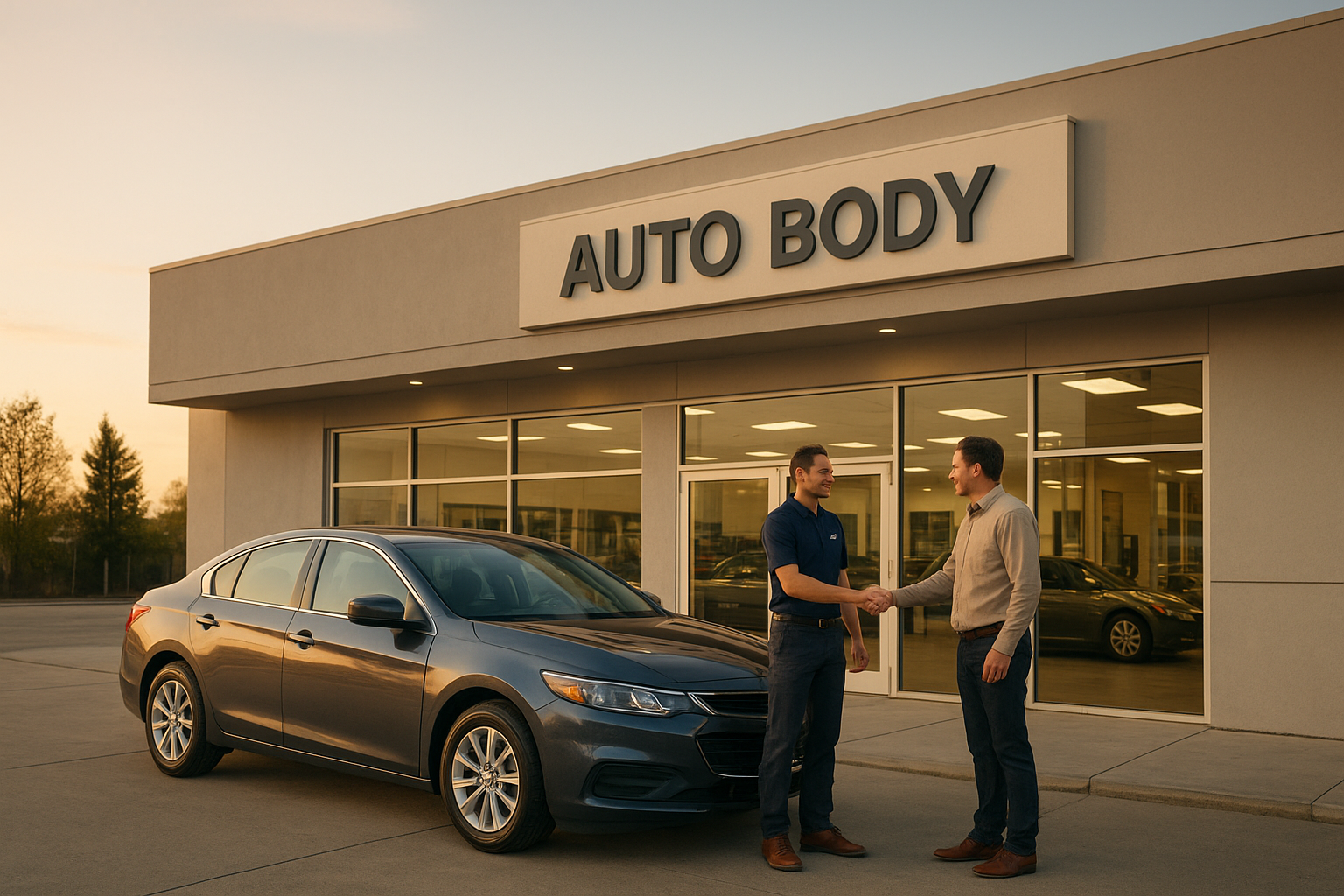
Finding reliable collision repair near me starts with a shop that looks professional and puts safety first.
After a fender-bender or a more serious crash, most drivers type one phrase: collision repair near me. But the right choice isn’t just the closest shop—it’s the one that restores your vehicle’s structure, electronics, and finish to pre?loss condition. This guide explains how to evaluate local shops, what to expect at each stage of repair, how insurance really works, and where to get help if you’re in or near Brea and North Orange County.
Why “collision repair near me” isn’t about distance—it’s about risk
Modern vehicles are rolling computers with ultra?high?strength steels, aluminum, advanced coatings, and dozens of sensors supporting ADAS features like lane keeping and automatic emergency braking. An incorrect repair can compromise crash energy paths, disable safety systems, or void manufacturer corrosion warranties. Choosing a qualified local shop protects:
Safety systems
Airbags, seatbelt pretensioners, radar modules, and camera calibrations must be inspected, replaced, or validated according to OEM procedures. Shortcuts can leave life?saving systems inoperative without throwing a dash light.
Vehicle value
Proper structural pulls, corrosion protection, seam sealer application, and refinishing prevent uneven panel gaps, early rust, and mismatched paint—issues that show up on resale or lease return.
Time and convenience
Local shops with streamlined estimating, parts sourcing, and insurer coordination minimize downtime. Proximity matters for drop?offs, mid?repair approvals, and final quality inspections.
How to evaluate an auto body shop before you hand over the keys
Rather than skimming star ratings, ask focused questions and look for visible proof of capabilities. Use this professional framework to grade a shop’s readiness for your repair.

Key evaluation points when choosing collision repair near me: equipment, process, and proof of quality.
1) Documented repair procedures
Ask the estimator to show the vehicle manufacturer’s repair plan for your specific VIN. A professional shop pulls OEM procedures for every job, including one?time?use fasteners, corrosion protections, and sectioning limits.
2) Structural measuring and welding competence
Look for computerized measuring systems and evidence of weld validation (test coupons) for the metals on your vehicle. If the shop cannot describe how they confirm weld penetration and heat?affected zones, keep looking.
3) Paint environment and color match strategy
A downdraft booth, proper bake cycles, and color documentation (variant decks, spectrophotometer readings) are non?negotiable for a durable, invisible finish.
4) ADAS calibration access
Shops should have in?house or documented partner calibration capability for radar, lidar, sonar, and camera systems, with printed post?calibration reports included in your file.
5) Transparent paperwork
Expect a detailed blueprint that lists labor operations, parts types (OEM, aftermarket, recycled), sublet items, and all calibrations. Every change should generate a supplement you can review.
If you’re in North Orange County, a helpful starting point is this local resource: Brea Auto Body. Use the site as a benchmark for what a professional shop’s communication and process should look like.
The collision repair process, demystified
Knowing what happens in the back of the shop empowers you to ask the right questions and anticipate timelines.

Understanding the end?to?end process helps you compare shops offering collision repair near me.
1) Intake and blueprint
The shop documents visible damage, pulls OEM procedures, and disassembles the affected area to uncover hidden issues. This is where the “real” estimate is created.
2) Insurer approvals and supplements
Your claim representative reviews the blueprint. Any new findings during teardown trigger supplements. A good shop manages this communication on your behalf and explains each line item.
3) Structural and mechanical operations
Technicians straighten the frame or unibody using manufacturer attachment points, then handle suspension, cooling, or AC components as needed. Corrosion protection and seam sealers are reapplied per spec.
4) Refinishing
Panels are prepped, primed, and sprayed in a controlled booth. Blending adjacent panels is common to ensure a seamless color transition. Bake cycles cure the finish for durability.
5) Reassembly, ADAS, and quality control
After reassembly, calibrations restore the functionality of cameras and radar modules. A road test and final QC checklist confirm panel gaps, warning lights, and alignment.
Insurance: your rights, parts choices, and avoiding surprises
Insurance can simplify payment, but you—not the insurer—choose the shop. Direct?repair relationships may speed approvals, yet you always have the right to select a facility that follows OEM procedures. Clarify these topics upfront:
Parts decisions
OEM, aftermarket, and recycled parts each have pros and cons for fit, corrosion protection, and sensor performance. Ask how a part choice might affect crashworthiness or calibrations. In some cases, OEM components are essential for system reliability.
Calibration documentation
Request printed calibration records and a post?repair scan report. For background on why ADAS integrity matters, review guidance from the National Highway Traffic Safety Administration at nhtsa.gov.
Alignment with industry training
Shops committed to ongoing education in modern repair methods are more likely to deliver factory?correct results. Professional training organizations publish best practices; you can learn more at I?CAR.
What impacts cost and timeline for collision repair near me?
Two similar?looking dents can have vastly different repair paths. Here are the major drivers shops use to estimate time and cost:
1) Structure vs. cosmetic
Structural damage requires measuring, pulling, and weld validation, extending both labor hours and quality checks. Cosmetic repairs may be faster but still require professional blending and curing.
2) Parts and supply chain
Back?ordered sensors, brackets, and trim can delay reassembly. A proactive shop orders parts immediately after approval and updates you if availability changes.
3) Calibrations and sublet operations
Some vehicles need multiple static or dynamic calibrations and a four?wheel alignment after suspension or structural work. These steps add precision—and days—to the schedule.
4) Quality assurance
Expect final inspections for scan codes, wind noise, water leaks, and panel fit. Rushing this stage risks comebacks and customer frustration.
Reading reviews and estimates like a pro
Online reviews offer clues, but focus on specifics: Do customers mention clear communication, documented calibrations, and on?time delivery? When comparing estimates, look for line?by?line parity—especially on operations like seam sealer, corrosion protection, and pre?/post?scans. A cheaper estimate often omits required procedures rather than finding “savings.”
Local spotlight: When you need collision repair in or near Brea, CA
If you live or commute through North Orange County, evaluate nearby options and choose a shop that demonstrates the capabilities outlined above. As you compare, you may find it useful to review Brea Auto Body’s site as a reference point for process transparency, estimate requests, and contact information. Use it to set expectations for professionalism—even if you ultimately choose a different facility.

ADAS calibrations are essential for a safe repair—confirm your local shop includes them in writing.
Ready to take the next step? Request a repair consultation or an estimate from a reputable local provider. Start here if you’re nearby: book collision repair in Brea.
Smart questions to ask before authorizing work
Use these conversation starters to confirm a shop’s competence without sounding adversarial:
“Can you walk me through the OEM repair procedures you’ll follow for my VIN?”
A capable estimator will show the documentation and explain why each step matters.
“What calibrations and post?repair scans will you perform, and will I get the reports?”
Expect specifics and written results included with your final invoice.
“How do you validate weld quality and restore corrosion protection?”
Listen for mention of test coupons, cavity wax, primer, seam sealer, and anti?corrosion coatings used per procedure.
“What could delay parts or approvals, and how will you communicate updates?”
Clear scheduling expectations reduce surprises and help you plan for rentals or rides.
After delivery: verifying quality at pickup
Do a joint walkthrough with the advisor in bright light. Check panel gaps, color match in sunlight and shade, operation of windows and sensors, and the dash for any warning messages. Ask for copies of scan and calibration reports and keep them with your service records. If anything feels off during the first week—wind noise, a rattle, a sensor miscue—schedule a quick recheck. Quality?minded shops welcome the opportunity to make it right.
Conclusion: The nearest shop isn’t always the best—choose the right one
Typing collision repair near me is only the first step. The safest outcome comes from a shop that follows OEM procedures, documents every calibration, and communicates clearly from blueprint to delivery. If you’re in or around Brea, review Brea Auto Body as a local resource and benchmark. Wherever you go, use this guide to ask informed questions and drive away with confidence.

