

Custom Auto Paint: How to Get a Show?Stopping Finish That Lasts

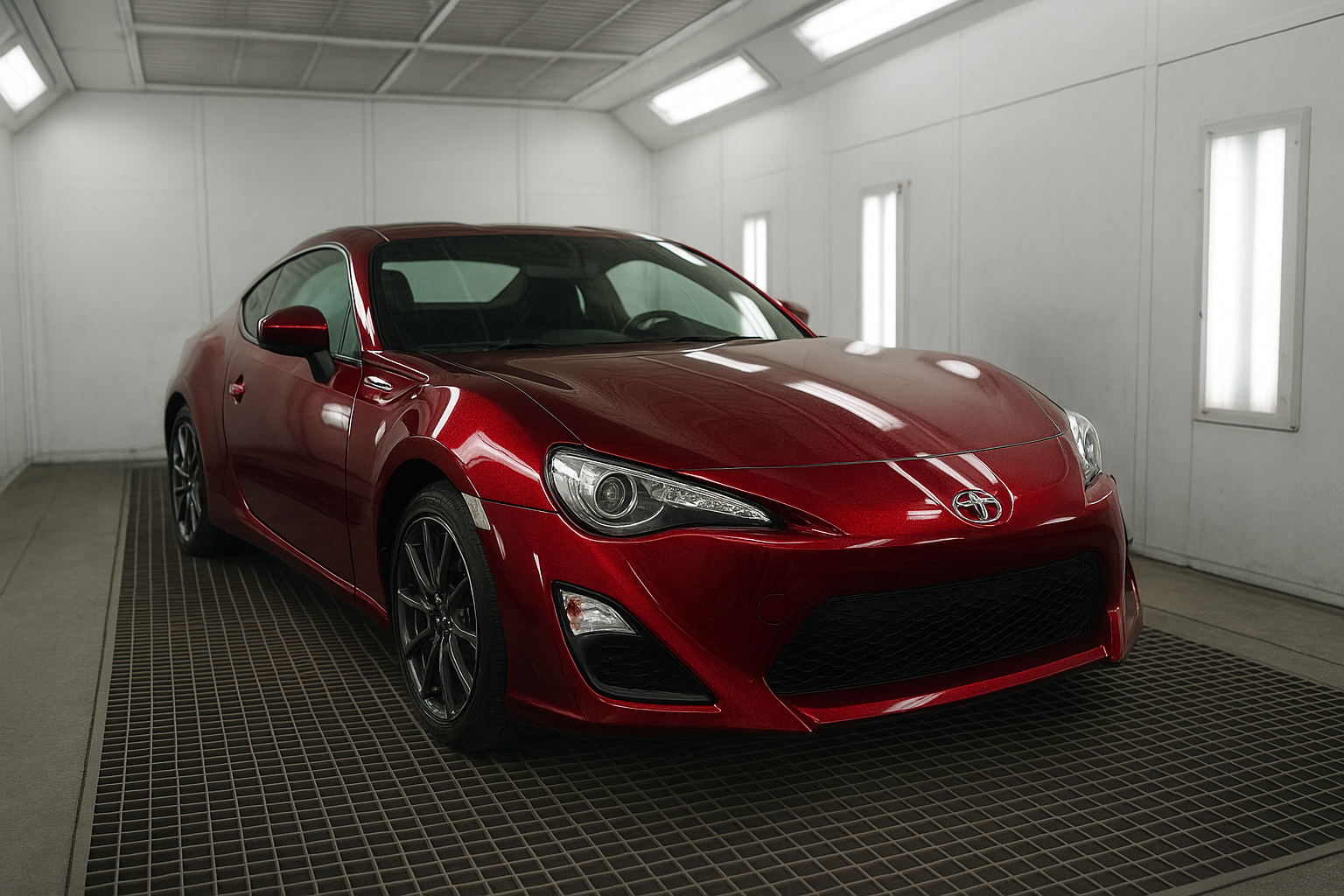
A fresh custom auto paint finish curing in a professional spray booth.
Whether you’re refreshing a faded factory color, planning a bold color change, or chasing a concours-level finish, custom auto paint is the most transformative upgrade you can make to a vehicle. In this guide, we’ll explain what sets a premium paint job apart, how the process actually works, the finish types to consider, and how to care for your new look so it holds its gloss for years.
We’ll also show you what to ask a shop before you book, and point you to a trusted resource if you’re ready to start your project.
What “custom auto paint” really means
Custom auto paint goes beyond a basic respray. It combines careful metal and plastic prep, precise color selection, premium materials, and controlled application to achieve a finish that’s deeper, clearer, and longer?lasting than typical collision repair work. The best results come from a complete system—primer, sealer, basecoat, effect layers (if any), and high?solids clear—applied in a clean, temperature?controlled booth and finished with meticulous sanding and polishing.
Popular finish styles and effects
Choosing the right finish is as important as choosing the color. Here are the most common custom looks and what makes each one unique on the road and under show lights:
- Metallic: Aluminum flake in the basecoat adds sparkle and directional highlights for a dynamic, modern look.
- Pearl (Mica): Pearlescent pigments create soft color shifts and a deep, creamy glow—especially under natural sunlight.
- Candy: A translucent color layer over a reflective base; the result is incredible depth but requires expert technique and even film builds.
- Color?shift (Chroma/Flip): Multi?angle interference pigments flip between hues depending on viewing angle.
- Matte or Satin: Low?gloss clearcoats deliver a stealth aesthetic; cleaning and repair considerations differ from gloss.
- Two?tone/Graphics: Contrasting colors, stripes, ghosted logos, or flake panels demand precise masking and sequencing.

Popular custom auto paint finishes at a glance, from metallic to matte.
The custom auto paint process, step by step
A show?quality finish isn’t an accident—it’s a disciplined workflow that controls every variable from substrate cleanliness to booth airflow. Expect a professional shop to follow a sequence like this:
- Consultation & color strategy: Gather inspiration, confirm paint codes, and create spray?out cards to preview hue and flop. Spectrophotometers help dial in complex matches.
- Disassembly: Trim, handles, lights, mirrors, badges, and sometimes glass come off so edges and jambs can be painted cleanly.
- Bodywork & substrate prep: Dents corrected, filler shaped, panels blocked straight; then thorough degrease and final sanding.
- Priming & sealing: High?build primer fills micro?waves; panels are blocked razor?flat, then sealed for uniform color and adhesion.
- Basecoat & effects: Color applied in measured passes; metallic orientation and pearl distribution are controlled panel by panel.
- Clearcoat application: High?solids clear builds film thickness for depth and UV protection; proper flash times prevent solvent trapping.
- Curing & refinement: After controlled bake or timed cure, the finish is leveled (denib/wet sand) and machine polished to a mirror.
- Reassembly & quality control: Panels are reinstalled, gaps aligned, and the finish is inspected under varied lighting.

From prep to polish, the custom auto paint workflow determines the final result.
What separates show?quality from ordinary
Three things define elite results: flatness, clarity, and consistency. Flatness comes from painstaking block sanding and panel alignment. Clarity depends on the cleanliness of the booth, a dust?free spray environment, and enough clearcoat thickness to allow refinement without risking burn?through. Consistency requires tight control of gun setup, temperature, and distance so every panel matches in color, flop, and orange?peel texture.
Color matching and full color changes
If you’re repairing or upgrading the original color, blending adjacent panels is critical to hide even tiny variances. For a full color change, budget extra time for door jambs, hinges, inner quarters, engine bay, and trunk; painting these areas separately and in the right order is what makes the transformation look factory?level instead of unfinished.
Pro tip: Always review physical spray?out cards in natural daylight before green?lighting a custom hue. Digital mock?ups help, but real pigments under real light tell the truth.
Scope, timeline, and budget: what really drives cost
There’s no one?size?fits?all price for custom auto paint because the scope varies wildly. The most meaningful cost and time drivers are:
- Vehicle size and panel count
- Amount of bodywork and rust remediation
- Finish complexity (e.g., candy or color?shift versus solid)
- Full color change including jambs/engine bay versus exterior?only
- Number of graphics/two?tone breaks and required masking
- Material quality and clearcoat build for later refinement
As a rough expectation, simple same?color exterior refreshes require fewer labor hours than tri?stage candies with extensive disassembly. Discuss what’s included—panel removal, jambs, spray?out approvals, polishing stages, and aftercare—so quotes are apples?to?apples.
Aftercare: protecting your new finish from day one
A new paint job continues to cure after it leaves the booth. Follow the shop’s guidance, but generally you’ll avoid harsh chemicals and aggressive washing during early cure. When the finish is ready, consider adding a protective layer strategy:
- Hand wash only with a pH?balanced shampoo, soft mitts, and separate buckets for wash and rinse.
- Dry safely using forced air or ultra?plush towels to minimize micro?marring.
- Ceramic coating adds chemical resistance and easier maintenance without altering the color or flake.
- Paint protection film (PPF) on leading edges prevents chips while maintaining gloss or matte character.
- Avoid brush washes and be mindful of fresh finish sensitivity in the first weeks.

Ceramic coatings and careful washing help preserve custom auto paint depth and gloss.
How to choose the right shop for custom auto paint
Great materials can’t save an average process. Vet shops by quality, not just convenience. Review full builds in their portfolio, look closely at panel gaps, color consistency at edges, and the texture uniformity on bumpers versus metal panels. Ask about their booth, their sanding and polishing stages, what clear they use, how they ensure cleanliness, and what’s covered by their workmanship warranty.
Ready to talk to a specialist? Explore the custom auto paint services at Brea Auto Body to see examples of refined prep, clean booth work, and mirror?grade finishing. A conversation with an experienced painter will help calibrate your vision, budget, and timeline.
Frequently asked questions about custom auto paint
Will a color change hurt resale?
High?quality color changes can enhance appeal if executed thoroughly (including jambs and hidden areas) and documented with photos. Partial color changes that reveal the original color in gaps can reduce perceived quality.
Is matte paint harder to live with?
Matte and satin finishes look incredible but demand touch?safe habits: no abrasive polishing, no automatic brush washes, and dedicated matte?safe cleaners. Chips or scratches often require localized repainting rather than polishing out.
Can you perfectly match aged paint?
Modern spectro tools and custom toners get extremely close, but sun?aged panels may still require blends into adjacent panels to hide microscopic differences in hue and flop. It’s a standard best practice for seamless repairs.
How long does a full custom job take?
Anywhere from several days to multiple weeks, depending on bodywork, disassembly scope, finish complexity, and drying windows. Rushing any stage—especially substrate prep and curing—compromises the final result.
When can I wax or coat new paint?
Follow your painter’s guidance. Some clears can be safely coated after initial cure, while others benefit from additional outgassing time. When in doubt, gentle washing and protection from harsh elements are safest.
The bottom line
Custom auto paint is equal parts art and disciplined process. Choose the finish that fits your vision, insist on a system?driven workflow in a clean booth, and protect the result with smart maintenance. Do that, and your vehicle won’t just look fresh—it’ll command attention from every angle and under every light.
Have questions or ready for a quote? Start a conversation with the custom auto paint experts at Brea Auto Body and take the first step toward a finish that turns heads for all the right reasons.

