

Free Estimate Collision Repair: A Complete Guide for Drivers in Brea and Orange County

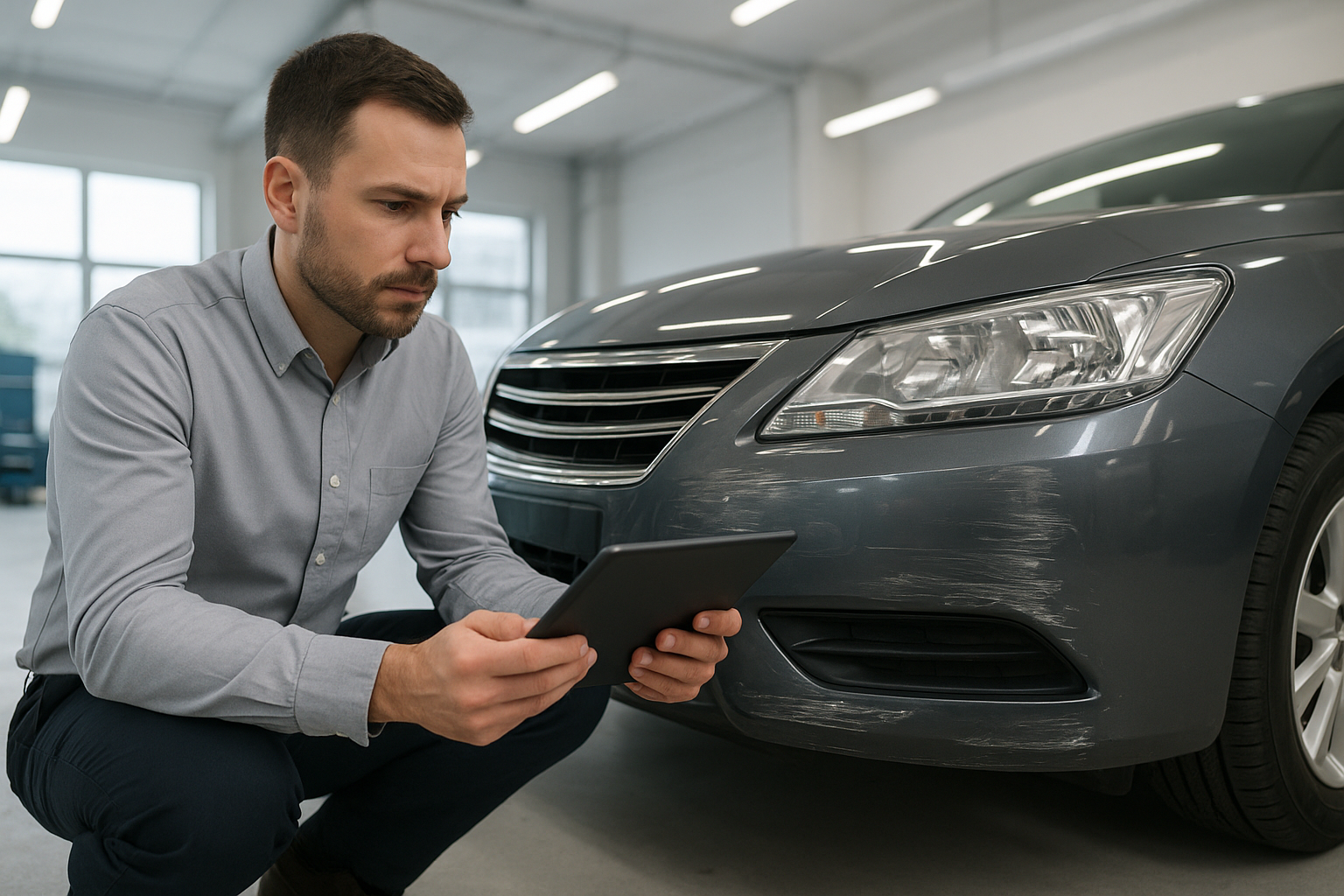
A customer receiving a free estimate collision repair at a professional body shop.
If you’ve just been in a fender-bender or a larger crash, you’re probably searching for “free estimate collision repair” and wondering what happens next. This guide breaks down what a real estimate should include, why numbers can change after teardown, how insurance approvals work, and which quality signals matter more than a rock-bottom price. Whether you’re in Brea, Fullerton, Yorba Linda, or anywhere in Orange County, the goal is the same: restore safety, appearance, and value with transparency and speed.
What a Free Collision Repair Estimate Really Includes
A thorough estimate is more than a quick glance at a scuffed bumper. A qualified appraiser documents visible damage, takes photos, researches part numbers, and enters labor operations line-by-line. Expect to see items such as remove-and-install (R&I) procedures, replacement parts, refinish labor, color matching and blending, corrosion protection, seam sealer, and refinish materials. Modern vehicles also involve pre- and post-repair diagnostic scans and, when applicable, calibrations for driver assistance features like radar, cameras, and parking sensors.
Many shops can provide a preliminary photo-based quote, but in-person estimates are more accurate because they allow the estimator to check panel gaps, sensor locations, and the integrity of brackets, reinforcements, and crash absorbers hidden behind exterior panels. What looks like a simple bumper scrape can mask cracked headlamp tabs, a bent crash bar, or damage to the A/C condenser.

Parts commonly assessed during a free estimate collision repair, including hidden structural and sensor components.
Estimate vs. Repair Plan: Why Numbers Change After Teardown
It’s normal for the first estimate to evolve into a detailed repair plan once panels come off and the vehicle is “blueprinted.” Blueprinting—an industry term for the full repair plan—verifies structural dimensions, confirms attachment points, and compares required procedures with the automaker’s service information. During this stage, technicians often discover hidden damage. When that happens, the shop submits a supplement for approval, updating parts and labor to reflect what’s actually needed to restore safety and function.
This process helps prevent shortcuts. For example, replacing a crushed reinforcement or completing a radar calibration may not appear on a quick visual estimate but becomes non-negotiable after teardown. The best shops document every addition with photos and OEM references so you and the insurer understand the “why,” not just the “what.”
How Insurance Interacts With Your Free Estimate
Most claims follow a predictable path: claim filed, vehicle inspected, estimate written, approvals, teardown, supplements if needed, repairs, quality control, and delivery. You choose the repair facility—period. Some carriers recommend network shops, but you retain the right to select the body shop you trust. Approvals are based on the documented repair plan and policy language regarding parts usage (e.g., new OEM, recycled, or aftermarket where allowed). Clear communication between the estimator and adjuster speeds up approvals and parts ordering.

The typical path from estimate to delivery, including supplements that update the repair plan after teardown.
Two points often surprise drivers. First, the lowest estimate isn’t always the best—omitting necessary operations makes a number look attractive today but can compromise safety or lead to delays later. Second, modern safety tech requires precise procedures and calibrations; skipping these steps risks false warnings or non-functioning systems. When in doubt, ask the shop to explain how OEM procedures are being followed for your make and model.
Quality Signals That Matter More Than a Low Price
When comparing “free estimate collision repair” options, evaluate the repair methodology as much as the dollar figure. Look for evidence that the shop researches current OEM procedures, performs required pre- and post-repair scans, and documents calibrations. In paint and refinishing, a quality facility will address corrosion protection on repaired metal, replicate factory seam sealer and texture, and blend adjacent panels when necessary for a seamless color match. You should also expect a written warranty specifying what’s covered and for how long.
Certifications can be a helpful shorthand for training and tooling standards. While badges don’t tell the whole story, programs that require verified structural measuring equipment, welding capability, and technician training indicate a shop is serious about restoring vehicle integrity—not just appearances. Tour the facility if you can; clean work areas, organized parts carts, and clear communication boards usually correlate with fewer surprises and faster cycle times.
Turnaround Time: What Actually Drives It
Cycle time is influenced by parts availability, insurer response times, and the complexity of repairs and calibrations. A shop that orders parts immediately after authorization, schedules sublet operations (like glass or ADAS calibration) proactively, and stages vehicles with a clear production plan will typically return cars faster without cutting corners. Ask how the shop handles back-ordered parts and whether they perform partial disassembly before approvals to reduce supplemental delays.
Getting a Free Estimate Collision Repair in Brea
If you’re local to North Orange County, start with a shop that’s easy to reach and communicates clearly. Bring your insurance claim number (if applicable), registration, and any prior estimates. Expect the estimator to photograph the vehicle, check sensor locations, and walk you through initial line items. After the visit, you should receive a written estimate with photos and a target timeframe. When you’re ready to move forward, authorizations kick-start parts ordering and scheduling to minimize downtime.
Looking for a trusted option? Explore Brea Auto Body to learn more about their process and to request a free estimate collision repair consultation. Choosing a nearby shop makes it easier to drop off, review supplements in person, and pick up after final detailing and quality checks.

A professional Brea auto body shop ready to provide a free estimate collision repair and a clear repair plan.
What To Expect After You Approve the Work
Once you authorize repairs, scheduling begins in earnest. The shop verifies parts availability and delivery windows, then performs a blueprint teardown to confirm all operations and identify any additional damage. Supplements are documented and submitted for approval. Structural measurements and alignments come first, followed by metalwork, corrosion protection, seam sealing, primer and refinishing, and curing. If your vehicle uses advanced driver assistance, calibrations and road tests are performed before detailing and delivery. You’ll receive a final invoice that mirrors the approved repair plan, plus warranty information and post-repair care guidance.
Final Thoughts: Safety, Transparency, and Fit-and-Finish
The right “free estimate collision repair” does more than price the job—it previews how your vehicle will be restored. Prioritize shops that explain their methodology, reference automaker procedures, and welcome your questions. Transparent documentation today prevents headaches tomorrow, and quality-focused repairs protect your family and your vehicle’s long-term value.
If you’re ready to begin, contact Brea Auto Body to discuss your damage, schedule an in-person evaluation, and get a no-cost, no-pressure estimate. The road back to normal starts with a clear plan.

